Author: Abdullah Jallow

Speak to others according to their level of understanding!

In The Name of Allah, The Most Merciful, The Bestower of mercy.

Amicable, Sensible Conversations Between Brothers

Sunni Salafi X: Have you heard the statement of Ali bin Abi Talib, may Allah be pleased with him: “Speak to the people according to their level of understanding. Do you wish that Allah and His Messenger be belied?”

Sunni Salafi Y: Yes, the athar is in kitab at-Tawhid.

Sunni Salafi X: Let’s find out from the explanations of the scholars.

Sunni Salafi Y: Let’s see.

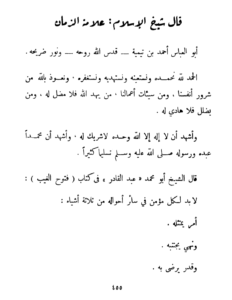
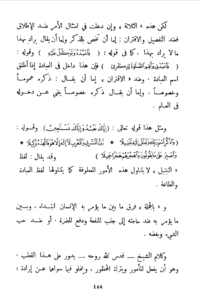
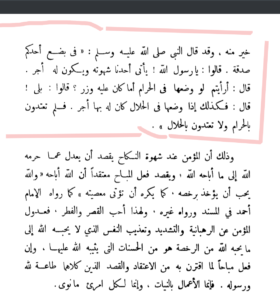
The above is by al-Allamah Salih Al-Fawzan, may Allah preserve him, in Mulakh’khas Kitab at-Tawhid page 316 Dar Al-Aasima 1st Edition 1422 (2001)

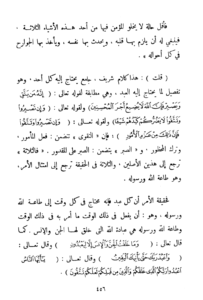
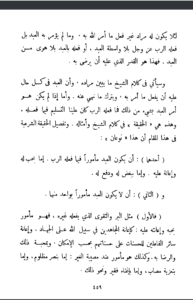
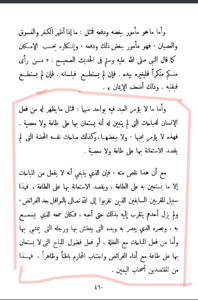
The above is by al-Allamah Ubaid bin Abdillah al-Jabiri, may Allah have mercy upon him, in Al-Bayaan Al-Mufeed Fee Sharh Kitab at-Tawhid. Pages 510-511. Publisher: Dar Mirath An-Nabawiy 1440AH (2019)

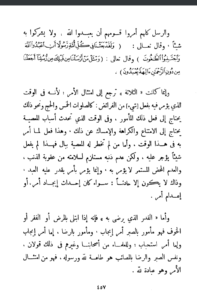
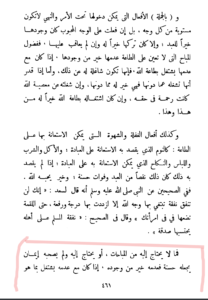
The above is by Imam Muhammad ibn Salih al-Uthaymin, may Allah have mercy upon him, in Al-Qawl Al-Mufeed Alaa Kitaab at-Tawheed 2/192-193.

Sunni Salafi X: The clarification is very interesting, but precise identification of what can be said or not depends on the judgment of a scholar or an experienced elder student of knowledge, as well as their knowledge of the level of understanding of the audience.

Sunni Salafi Y: Absolutely, I agree. The people of knowledge are the ones capable of assessing this issue, although it doesn’t mean that a single upright carrier of knowledge will always be correct in everything.

Sunni Salafi X: Exactly, so when I hear discussions on this subject, I often say: “The wise and seasoned scholar and elder student of knowledge who faces this scenario has the right to consult others to help him accurately identify the best course of action”.

Sunni Salafi Y: What happens if others have differing opinions?

Sunni Salafi X: This is expected sometimes because the people of knowledge may view the matter from different angles, while adhering to the same sound principles and goals.

Sunni Salafi Y: What do you do when someone approaches you about this matter and objects to what is said by this or that man of Sunnah.

Sunni Salafi X: I first remind them to be tolerant and open-minded in this discussion, provided that those expressing these different views are from the upright people of knowledge, integrity, and sound understanding. Secondly, I remind them that if they have direct access to any upright Salafi scholar in any region of the earth, they should present their questions thoroughly, but they should not object when others seek guidance from different scholars, as long as honesty and transparency are maintained.

Finally, I remind them that one should be cautious of excessive strictness in this matter, as it can lead to domineering or opinionated behaviour. Regardless of what scholars consider appropriate among themselves, along with their diverse opinions regarding the matter – (i.e. what to say or not say in order to avoid confusing the people), since none are infallible, we should adhere to truth and continue revising the sound principles clarified by the senior scholars who have passed away – may Allah have mercy upon them, while also listening to all the upright Mashayikh in our era, despite their varying degrees of knowledge and experience. And there is no doubt that their elders at present are al-Allamah Salih al-Fawzan and al-Allamah Abdul Muhsin al-Abbad, may Allah preserve them.

Sunni Salafi Y: Agreed, may Allah bless all the Mashayikh.

Soft and Tough Characters, Same Sound Principles and Objectives

In The Name of Allah, The Most Merciful, The Bestower of Mercy.

Amr Ibn Al-Aas, may Allah be pleased with him, was one of those given authority and so was Abu Ubaydah Ibn Al-Jarrah, may Allah be pleased with him. Khalid Ibn Al-Walid, may Allah be pleased with him, was given preference over them due to his bravery and usefulness in Jihad.

When Abu Bakr, may Allah be pleased with him, passed away, Umar Ibn Al-Khattab, may Allah be pleased with him, gave Abu Ubaydah, may Allah be pleased with him, authority over all of them because Umar Ibn Al-khattab used to be tough for the sake of Allah, thus he appointed Abu Ubaydah because he was soft. Abu Bakr was soft and Khalid was tough.

Therefore, the soft one gave authority to the tough one and the tough one gave authority to the soft one to balance the affairs.

An Excerpt from “Adwaa Min Fatawaa Shaikh Al-Islam Ibn Taymiyyah” By Al-Allamah Salih Al-Fawzan 2/568-569

[10] Justice For All

In The Name of Allah, The Most Merciful, The Bestower of Mercy.

Abu Hurairah, may Allah be pleased with him, reported: The Prophet, peace and blessings of Allah be upon him, said: “A woman entered the Hellfire because of a cat or kitten she had imprisoned. She did not let it eat, nor release it to eat the vermin of the earth, until it died emaciated.” [Muslim 2619]

Imam Al-Qurtubi, may Allah have mercy upon him, stated:

This is a (Shariah) text regarding that woman being  punished in the fire due to killing a cat through incarceration and not feeding it. Was this woman who was seen by the Prophet, peace be upon him, in the fire – a tall woman from the Children of Israel –  a disbeliever or not? It could be either case. If she was a disbeliever, it serves as evidence that disbelievers are held accountable for the subsidiary (issues) of the Shariah and are punished for neglecting them. If she was not a disbeliever, it is evident that the reason for her punishment in the fire was due to incarcerating the cat until it died of starvation.

An Exwrpt from “Al-Muf’him Limaa Ash’kala Min Tal’khees Kitab Muslim” 5/544

Some Ramifications of Takfeer and Tafseeq without proof – By Imam Abdul Aziz Bin Baz

In The Name of Allāh, The Most Merciful, The Bestower of Mercy.

The Imam, may Allah have mercy upon him, said:

وما أحسن ما قاله العلامة: ابن القيم رحمه الله في قصيدته الكافية الشافية:

إن البدار برد شيء لم تحط… علما به سبب إلى الحرمان

وأعظم من ذلك وأخطر، الإقدام على التكفير أو التفسيق بغير حجة يعتمد عليها، من كتاب الله أو سنة رسوله ﷺ، ولا شك أن هذا من الجرأة على الله وعلى دينه، ومن القول عليه بغير علم، وهو خلاف طريقة أهل العلم والإيمان من السلف الصالح رضي الله عنهم وجعلنا من أتباعهم بإحسان، وقد صح عن رسول الله ﷺ أنه قال: من قال لأخيه: يا كافر، فقد باء بها أحدهما وقال ﷺ: من دعا رجلا بالكفر، أو قال: يا عدو الله، وليس كذلك إلا حار عليه أي: رجع عليه ما قال وهذا وعيد شديد يوجب الحذر من التكفير والتفسيق، إلا عن علم وبصيرة، كما أن ذلك وما ورد في معناه يوجب الحذر من ورطات اللسان، والحرص على حفظه إلا من الخير.

And how excellent is what Al-Allamah Ibn al-Qayyim, may Allah have mercy on him, stated in his poem Al-Kāfiyah ash-Shāfiyah: “Indeed, hastening to reject something about which you do not have knowledge of is a cause of  deprivation”.

And more serious and dangerous than this is is to embark upon Takfeer (declaring someone a disbeliever) or Tafseeq (declaring someone sinful) without a proof to rely upon from the Book of Allah or the Sunnah of His Messenger, peace and blessings of Allāh be upon him. There is no doubt that indeed this is a form of boldness toward Allah and His religion, and speaking about Him without knowledge.

It is in opposition to the path of the people of knowledge and Iman among the pious predecessors, may Allah be pleased with them. May Allāh make us among those who follow them exactly in faith. It has been authentically reported from Allāh’s Messenger, peace and blessings of Allāh be upon him, that he said: “Whoever says to his brother, ‘O disbeliever,’ then it returns upon one of them”. He, peace and blessings of Allāh be upon him, said: “Whoever calls a man a disbeliever, or says, ‘O enemy of Allah,’ while he is not so, it returns back upon him”.

This is a severe warning that obligates caution in declaring others disbelievers or sinners except based on knowledge and clear-sightedness. Also this and (others) with similar meanings makes it incumbent upon one to be cautious of the predicaments of the tongue and to strive to guard it, except in uttering good. [paraphrased] [1] [end of quote]

NB: Tabdee (declaring someone a Mubtadi) is more serious than Tafseeq (declaring someone a sinner).

Abul Wafaa Ibn Aqeel Al-Faqee said, our Shaikh Abul Fadl Al-Hamdaani said:

“The innovators (in) Islam and the fabricators of Hadith are worse than the Mulhidun, because the Mulhidun aim to corrupt Islam from the outside, while these (people) want to corrupt it from within. They (i.e. the innovators and the fabricators of hadith) are similar to the people of a country who try to corrupt its state of affairs and the heretics are similar to those who lay a siege from the outside; so the ones from within (i.e. the innovators and fabricators of hadeeth) open the fortress. Therefore, they are more harmful to Islam than those who do not (attribute) themselves to it outwardly”. [2]

I ask Allah to bless the beloved Mancunian brother who shared Imam Ibn Baz’s clarification in a private WhatsApp Group.


[1] https://binbaz.org.sa/articles/29/الادلة-النقلية-والحسية-على-امكان-الصعود-الى-الكواكب

[2] Reported by Ibnul Jawzi, may Allah have mercy upon him, in Al-Mawdoo’aat 1/44


Daily Opportunities to Earn Lasting Rewards for the Hereafter

In The Name of Allah, The Most Merciful, The Bestower of Mercy.

Allah, The Most High, said:

ٱلْمَالُ وَٱلْبَنُونَ زِينَةُ ٱلْحَيَوٰةِ ٱلدُّنْيَا وَٱلْبَٰقِيَٰتُ ٱلصَّٰلِحَٰتُ خَيْرٌ عِندَ رَبِّكَ ثَوَابًا وَخَيْرٌ أَمَلًا

Wealth and children are the adornment of the life of this world. But the good righteous deeds (five compulsory prayers, deeds of Allah’s obedience, good and nice talk, remembrance of Allah with glorification, praises and thanks, etc.), that last, are better with your Lord for rewards and better in respect of hope. [Al-Kahf 46]

Mu’adh bin Jabal, may Allah be pleased with him, narrated: One morning, Allah’s Messenger, peace and blessings of Allah be upon him, was prevented from coming to us for morning prayer until we were just about to look for the eye of the sun (meaning sunrise). Then he came out quickly and the Iqama was called for him to (lead) the prayer. Allah’s Messenger performed the prayer, and he performed his prayer in a relatively quick manner. When he said the Salam, he called aloud with his voice saying to us: ‘Stay in your rows as you are.’

Then he turned coming near to us, then he said: ‘I am going to narrate to you what kept me from you this morning: I got up during the night, I performed Wudu and prayed as much as I was able to, and I dozed off during my prayer, and fell deep asleep. Then I saw my Lord, Blessed and Most High, in the best of appearances. He said: ‘O Muhammad!’ I said: ‘My Lord here I am my Lord!’ He said: ‘What is it that the most exalted group busy themselves with?’ I said: ‘I do not know Lord.’ And He said it three times.” He said: “So I saw Him place His Palm between my shoulders, and I sensed the coolness of His Fingertips between my breast. Then everything was disclosed to me, and I became aware. So He said: ‘O Muhammad!’ I said: ‘Here I am my Lord!’ He said: ‘What is it that the most exalted group busy themselves with?’ I said: ‘In the acts that atone.’ He said: ‘And what are they?’ I said:

‘The footsteps to the congregation, the gatherings in the Masajid after the prayer, the correct performance of ablution during difficulties.’ He said: ‘Then what else?’ I said: ‘Feeding others, being lenient in speech, and prayer during the night while the people are sleeping.’ He said: ‘Ask.’ I said:

اللَّهُمَّ إِنِّي أَسْأَلُكَ فِعْلَ الْخَيْرَاتِ وَتَرْكَ الْمُنْكَرَاتِ وَحُبَّ الْمَسَاكِينِ وَأَنْ تَغْفِرَ لِي وَتَرْحَمَنِي وَإِذَا أَرَدْتَ فِتْنَةَ قَوْمٍ فَتَوَفَّنِي غَيْرَ مَفْتُونٍ أَسْأَلُكَ حُبَّكَ وَحُبَّ مَنْ يُحِبُّكَ وَحُبَّ عَمَلٍ يُقَرِّبُ إِلَى حُبِّكَ

O Allah! I ask of you the doing of the good deeds, avoiding the evil deeds, loving the Masakin, and that You forgive me, and have mercy upon me. And when You have willed trial among the people, then cause me to die without being put to trial. And I ask You for Your love, the love of whomever You love, and the love of the deeds that bring one nearer to Your love.'” Allah’s Messenger said: “Indeed it is true, so study it and learn it.” [Sahih at-Tirmidhi 3235]


“O Allah! I ask of you the doing of the good deeds, avoiding the evil deeds”.

There is no need for further explanation regarding the performance of good deeds, other than the fact that they are actions that please Allah, and the doer is praised for them, receiving great rewards. Similarly, the reward for abstaining from wrongdoing is also significant, provided that the intention behind refraining is to seek Allah’s pleasure.

“And loving the Masakin”.

The word Miskin in this sentence “The term refers to the humble individual, neither arrogant nor haughty, someone who is gentle, approachable, and easy to deal with; neither boastful nor evil. [1] 

“And when You have willed trial among the people, then cause me to die without being put to trial”.

The essence of the supplication is to ensure the person’s safety from worldly trials throughout their life. If Allah decrees a trial for His servants, He may take them before it occurs. This is one of the most significant supplications, as a believer who lives free from trials and is taken by Allah before they arise is saved from all evil. The Prophet instructed his companions to seek refuge in Allah from both apparent and hidden trials. In another narration, he advised them to avoid both manifest and concealed immoralities and trials. Thus, praying for death out of fear of religious trials is permissible, as it has been done by the companions and righteous individuals after them. 

“And I ask You for Your love, the love of whomever You love, and the love of the deeds that bring one nearer to Your love”.

This supplication encompasses all that is good. The chosen actions of Allah’s servants arise from love and intention. If the love of Allah is firmly established in a person’s heart, it will lead to actions of the limbs that align with what Allah loves and approves. Thus, one will cherish all actions and words that Allah loves, resulting in the performance of all good deeds and the avoidance of all wrongdoings, as well as loving those whom Allah loves among His creation. [2] 

Abu Hurairah, may Allah be pleased with him, narated that Allah’s Messenger, peace and blessing of Allah be upon him, said:

There is Sadaqah (charity) to be given for every joint of the human body (as a sign of gratitude to Allaah) every day the sun rises. To judge justly between two persons is regarded as Sadaqah, and to help man concerning his riding animal by helping him to ride it or by lifting his luggage on to it, is also regarded as Sadaqah, and (saying) a good word is also Sadaqah, and every step taken on one’s way to offer the compulsory congregational prayer is also Sadaqah, and to remove a harmful thing from the way is also Sadaqah”. [Bukhaari, hadeeth Number 2989. Vol 4]

Al-Allamah Salih Al-Fawzan, may Allah preserve him, stated:

Allaah, Glorified be He and free is He from all imperfections, has not limited charity to a person’s spending by way of wealth; rather Allaah [The Most High] made it wider than this and everyone is able to partake in it.

Acts of charity mentioned in this hadith:

To judge justly between two people in a dispute and bring about conciliation between them by uniting their hearts and make them become pleased with one another. This indeed is a great act of charity. Allah, (The Most High) said:

لَّا خَيۡرَ فِى ڪَثِيرٍ۬ مِّن نَّجۡوَٮٰهُمۡ إِلَّا مَنۡ أَمَرَ بِصَدَقَةٍ أَوۡ مَعۡرُوفٍ أَوۡ إِصۡلَـٰحِۭ بَيۡنَ ٱلنَّاسِ‌ۚ وَمَن يَفۡعَلۡ ذَٲلِكَ ٱبۡتِغَآءَ مَرۡضَاتِ ٱللَّهِ فَسَوۡفَ نُؤۡتِيهِ أَجۡرًا عَظِيمً۬ا

There is no good in most of their secret talks save (in) him who orders Sadaqah (charity in Allah’s Cause), or Ma’ruf (Islamic Monotheism and all the good and righteous deeds which Allah has ordained), or conciliation between mankind, and he who does this, seeking the good Pleasure of Allah, We shall give him a great reward. [Surah An-Nisaa: Ayah 114]

Therefore, a person should not leave the people in dispute; rather it is incumbent upon him to be eager to bring about conciliation between disputing parties, especially relatives. As for some people-and Allaah’s Protection is sought, they only bring into disputes that which will increase it. This type of person is a shaytaan. Also the one who seeks to bring about conciliation between the people should do that with justice; he should not oppress any of them or judge based on desires.

Helping a person with his riding animal: help him with his riding animal- whether it is a riding beast or a car -if he is weak or disabled. You help him to climb his riding beast or to get in his car, or help him carry his luggage. This is an act of charity. Indeed, you did not give him money, but you aided him.

Uttering a good word, such as greeting with As-Salaamu alaykum, supplicating for your Muslim brother etc. And a good word includes acts of worship a person does in the presence of his Lord, such as remembrance of Allaah, the utterance of Subhaanallaah; Laa-ilaaha-ilal-laah etc

Walking to the masjid for the prayer: every footstep taken towards the masjid is charity, and the farer the masjid the more reward a person gets. In this is an encouragement to attend the compulsory prayer in congregation and not to stay away from it. To miss the prayer in congregation is a great loss.

Removing something harmful from the way: removing harmful things from the pathways of the Muslims or from the pathways of the people in general; likewise removing harmful things from the pathways of the animals. One should not place harmful things in pathways that will harm pedestrians. One should not leave a harmful thing which another person left in a pathway. It has been reported in a hadeeth that the Prophet said, “While a man was going on a way, he saw a thorny branch and removed it from the way and Allaah (The Mighty and majestic) became pleased by his action and forgive him for that”. [Bukhaari Vol 1: hadeeth number 652]. He was entered into paradise because of his act of kindness to pedestrians.

So, how about those who place harmful things in the roads, such as stones, thorns, planks of woods, metals; and spilling water on the road, which may be impure and placing rubbish on the roads. The person who does this has greatly sinned and everyone passer-by supplicates against him. The action of this person is oppression and the supplication of the oppressed person is answered. Therefore a Muslim should hasten to remove harmful things from the path in order to receive this reward mentioned in the hadeeth. [3]


[1] An Excerpt from “Al-Istidhkar. 8/ 171” by Al-Allamah Ibn Abdul Barr, may Allah have mercy upon him.

[2] An Excerpt from “Ikhtiyar Al-Awwal” 118-125 by Imam Ibn Rajab, may Allah have mercy upon him.

[3] An Excerpt from Al-Minhatur Rabbaniyyah Fee Sharh Al-Arba’een” pages 213-217


[2] When The Victim Is Misjudged and The Selfless Is Abandoned

The Quraish Starved The Prophet and His Near Relatives

Abu Hurairah, may Allah be pleased with him, reported: On the Day of Nahr at Mina, the Prophet, peace and blessings of Allah be upon him, said, “Tomorrow we shall stay at Khaif Bani Kinana where the pagans had taken the oath of disbelief”. He meant (by that place) Al-Muhassab where the Quraish tribe and Banu Kinaanah concluded a contract against Banu Haashim and Banu Abdul-Muttalib or Banu Al-Muttalib that they would not intermarry with them or deal with them in business until they handed over the Prophet to them. [1]

Usaamah Bin Zayd, may Allah be pleased with him, said: I asked the Prophet, peace and blessings of Allah be upon him], during his Hajj, “O Allah’s Messenger! Where will you stay tomorrow?” He said, “Has Aqeel left for us any house?” He then added, “Tomorrow we will stay at Khaif Bani Kinana, i.e. Al-Muhassab, where Quraish (polytheists) took an oath of disbelief in that Banu Kinaanah allied with Quraish against Banu Hashim on the terms that they would not deal with the members of the tribe or give them shelter”. [2]

The incident mentioned in the above narrations took place when the Makkan polytheists had a meeting at a place called the Valley of Al-Muhassab, where they established an alliance against Banu Haashim and Banu Al-Muttalib. They agreed not to have any business transactions with them, no marriage ties, no visits, and no verbal communication with the Prophet [peace and blessings of Allaah be upon him] and those who aided him. So, Abu Taalib – the Prophet’s uncle who stood by him at the time – decided to move to a valley in the eastern suburbs of Makkah, then Banu Haashim and Banu Al-Muttalib also moved and they were all confined to a narrow passage. They remained in that situation for three years- from the 7th year of the Prophet’s Prophethood until the 10th year. It was a very repressive embargo that brought extreme hardship, and in addition to this, the vile polytheists bought everything that reached Makkah so that nothing reached Banu Al-Mutallib and Banu Haashim.

The situation became so bad that they had to eat the leaves of trees and animal skins, and children constantly cried due to hunger. They had nothing besides very little provision that was sometimes delivered secretly by some people in Makkah who sympathised with them. During the sacred months when fighting was not permitted, they used to go and buy provisions, but the prices of goods were inflated so that they would not be able to afford them. However, this great hardship never stopped the Prophet [peace and blessings of Allah be upon him] from calling to the truth, rather he used to go to the Ka‘bah and call people to Islam. By the grace of Allah, the agreement between the polytheists ended in the 10th year of the Prophet’s Prophethood because some of them could no longer bear to see their relatives in that situation. [3]


The Excellent Character of The Prophet When Allah Gave Him The Upper Hand

Abu Hurairah, may Allah be pleased with him, reported: “The Prophet sent a troop of fighters towards Najd and they brought a man from the tribe of Banu Haneefah who was called Thumamah bin Uthaal. He was then tied to one of the pillars of the Masjid. The Prophet went to him and said, “What have you got, O Thumama?” He replied, “I have got a good thought, O Muhammad! If you should kill me, you would kill a person who has already killed somebody, and if you should set me free, you would do a favor to one who is grateful, and if you want property, then ask me whatever wealth you want.” So, he was left till the next day when again the Prophet (ﷺ) said to him, “What have you got, O Thumama?” He said, “What I have already told you”. The Prophet (ﷺ) left him till the day after, and said to him again, “What have you got, O Thumama?” He said, “I have got what I told you. So the Prophet (ﷺ) said, “Set him free”. Then Thumamah) went to a garden of date palm trees near the Masjid, took a bath, entered the Masjid, and then said, “I testify that None has the right to be worshipped except Allah, and also testify that Muhammad is His Messenger! By Allah, O Muhammad! There was no face on the surface of the earth most disliked by me than yours, but now your face has become the most beloved face to me. By Allah, there was no religion more disliked by me than yours, but now it is the most beloved religion to me. By Allah, there was no town more disliked by me than your town, but now it is the most beloved town to me. Your troops arrested me (at the time) when I was intending to perform the `Umra. And now what do you think?” The Prophet (ﷺ) gave him good tidings of good in this world and the next, and ordered him to perform the `Umra. So when he came to Makkah, someone said to him, “You have become a Sabian?” He replied, “No! By Allah, I have submitted to Islam with Muhammad, Allaah’s Messenger. No, by Allah! Not a single grain of wheat will come to you from Yamamah unless the Prophet gives his permission”. [4]

The Prophet asked Thumaamah, “What have you got O Thumaamah?” He replied that he has good thoughts about the Prophet- Meaning, “You O Muhammad never oppress anyone, rather you are from those who pardon and do good”. So after he was set free, he entered Makkah to perform Umrah and then pronounced the Talbilya and was the first to enter Makkah in that manner, so Quraish grabbed him and said, “You dare to do this to us”, and they wanted to kill him; then a person amongst the Quraish said, “Leave him because you need food from Yamaamah (i.e. from his land)”, so they released him. Then he said to them, “By Allah! Not a single grain of wheat will come to you from Yamamah unless the Prophet gives his permission.” Ibn Hishaam said, “Then Thumaamah returned to Yamaamah and prevented the Quraish from bringing any food to Makkah, so the Quraish wrote to the Prophet saying, “Indeed, you command people to keep good the ties of kinship”, so the Prophet wrote to Thumaamah to allow them to transport their food”.


This hadeeth provides the following benefits:

[I] It is permissible for the Muslim ruler to imprison an unbeliever prisoner of war in the Masjid due to some benefit; the permissibility of allowing an unbeliever in the Masjid to drink water and listen to lectures.

[II] To treat a non-Muslim prisoner of war kindly. Even though Thumaamah was an arch-enemy, he was forgiven, and this shows the great virtue of forgiveness. When the Prophet saw that Thumaamaah was constantly having good thoughts, he pardoned him and this was a pardon in its right place and perfect circumstances. This also shows that the Muslim ruler can pardon a non-Muslim prisoner of war due to an overriding benefit or execute him based on an overriding benefit.

[III] In this hadeeth, we also learn that one should closely watch those prisoners of war who desire to accept Islam, especially those amongst them who – when they accept Islam, others will follow them. [5]


True Believers’ Attitude Towards Feeding Those in Need, Including Captured Combatants

Allah [The Exalted] informs us of some of the qualities of the Abraar [The pious, who fear Allah and avoid evil]:

[ ويُطۡعِمُونَ ٱلطَّعَامَ عَلَىٰ حُبِّهِۦ – And they give food, despite their love for it]- Meaning, they are in a state in which they love wealth and food, but they give precedence to the love of Allah over the what their souls love and seek to feed the people who deserve and need it the most; [مِسۡكِينً۬ا وَيَتِيمً۬ا وَأَسِيرًا – the Miskin (poor), the orphan, and the captive (6)]; saying:

[إِنَّمَا نُطۡعِمُكُمۡ لِوَجۡهِ ٱللَّهِ -We feed you seeking Allah’s Countenance only. We wish for no reward, nor thanks from you] – Meaning, to seek Allah’s Reward. Mujaahid and Ibn Jubayr [may Allah have mercy upon them] said, “As for these people, they did not utter this statement, but Allah knows this is what is in their hearts, so He praised them for it as an exhortation for the one who desires to do so”. [لَا نُرِيدُ مِنكُمۡ جَزَآءً۬ – We wish for no reward]- Meaning, by way of actions; [وَلَا شُكُورًا – nor thanks]- Meaning, by way of statement. [7]

[إِنَّا نَخَافُ مِن رَّبِّنَا يَوۡمًا عَبُوسً۬ا قَمۡطَرِيرً۬ا – Verily, We fear from our Lord a Day, hard and distressful, that will make the faces look horrible (from extreme dislikeness to it)].

[فَوَقَٮٰهُمُ ٱللَّهُ شَرَّ ذَٲلِكَ ٱلۡيَوۡمِ وَلَقَّٮٰهُمۡ نَضۡرَةً۬ وَسُرُورً۬ا – So Allah saved them from the evil of that Day, and gave them Nadratan (a light of beauty) and joy]. [Surah Al-Insaan. Ayaat 8-11]


[1] Saheeh al-Bukhaari. Hadeeth Number 1590

[2] Al-Bukhaari. Hadeeth Number 3058

[3] Zaadul Ma’aadh 3/31 and Seerah Ibn Hishaam 1/350

[4] Al-Bukhaari. Number 4372

[5] Fat-hul Baaree Sharh Saheeh Al-Bukhaari Vol 8. Pages 110-111 and Al-Hulalul Ibreeziyyah Min at-taleeqaat al-Baaziyyah Alaa Saheeh Al-Bukhaaree vol 3. Page 319]

[6] Tafseer As-Sadi

[7] Zaadul Maseer Fee Ilmit Tafseer

[9] Justice For All

In The Name of Allah, The Most Merciful, The Bestower of Mercy.

Allah, The Most High, said:

يَا أَيُّهَا الَّذِينَ آمَنُوا إِذَا ضَرَبْتُمْ فِي سَبِيلِ اللَّهِ فَتَبَيَّنُوا وَلَا تَقُولُوا لِمَنْ أَلْقَىٰ إِلَيْكُمُ السَّلَامَ لَسْتَ مُؤْمِنًا تَبْتَغُونَ عَرَضَ الْحَيَاةِ الدُّنْيَا فَعِندَ اللَّهِ مَغَانِمُ كَثِيرَةٌ ۚ كَذَٰلِكَ كُنتُم مِّن قَبْلُ فَمَنَّ اللَّهُ عَلَيْكُمْ فَتَبَيَّنُوا ۚ إِنَّ اللَّهَ كَانَ بِمَا تَعْمَلُونَ خَبِيرًا

O you who believe! When you go (to fight) in the Cause of Allah, verify (the truth), and say not to anyone who greets you (by embracing Islam): “You are not a believer”; seeking the perishable goods of the worldly life. There are much more profits and booties with Allah. Even as he is now, you (yourselves) were like that before; then Allah conferred on you His Favours (i.e. guided you to Islam), therefore, verify. Allah is Ever Well-Aware of what you do. [An-Nisa 94]

He (Allah), The Most High, commands His believing servants that when they proceed for Jihad upon His path and seeking His pleasure, they should seek clarification and verification regarding the ambiguous matters. For indeed, the affairs are of two categories: those that are clear and those that are unclear. The clear and evident matters do not need verification and clarification because that is self-evident. As for the ambiguous matters – the unclear matters, then indeed, a person needs to verify and clarify regarding them in order to know whether to pursue or not. For indeed verification in these matters bring many benefits and prevents great evils by way of which is known the (upright) religion of a person, his intellect and self-possession, as opposed to the one who rushes into matters at their onset before their their rulings are clarified for him, for indeed this leads to that which is not befitting (or permissible) as happened to those whom Allah admonished in the verse when they failed to verify and killed those that greeted them with the salutation of peace- who had spoils of war in their possession or someone else’s wealth- thinking that it was justified to kill them. This was a (grave) mistake and due to this, Allah reproached, saying:

وَلَا تَقُولُوا لِمَنْ أَلْقَى إِلَيْكُمُ السَّلَامَ لَسْتَ مُؤْمِنًا تَبْتَغُونَ عَرَضَ الْحَيَاةِ الدُّنْيَا فَعِنْدَ اللَّهِ مَغَانِمُ كَثِيرَةٌ

And say not to anyone who greets you (by embracing Islam): “You are not a believer”; seeking the perishable goods of the worldly life. There are much more profits and booties with Allah.

Meaning: Do not let the transient and little things (of this worldly life) make you commit what is not permissible (or befitting), thus, you miss out on the abundant, everlasting rewards that Allah are with Allah, for that which is with Allah is better and everlasting.

In this is a demonstration that it is obligated to a servant of Allah that when he perceives the urges of his soul inclining towards a state wherein it desires (something), while it is harmful for his soul, he should remind it regarding that which Allah has prepared for the one who forbids his soul from its (vain) desires and and gives precedence to Allah’s Pleasure over the pleasure of his soul, for indeed in this is an encouragement for the soul to fulfil Allah’s command, even if that is difficult for it. Then He (Allah- The Most High) reminded them of their initial situation before they were guided to Islam: [كَذَلِكَ كُنْتُمْ مِنْ قَبْلُ فَمَنَّ اللَّهُ عَلَيْكُمْ- you (yourselves) were like that before; then Allah conferred on you His Favours (i.e. guided you to Islam).

Meaning: Just as He (Allah) guided you after your (state of) misguidance, similarly He can guide others. And just as guidance came to you little by little, similarly is the case for other than yourselves. Thus, the observation of the person- who has accomplished the obligatory and recommended aspects of faith- regarding his initial deficient state, his dealing with the one who is in a similar situation based on what he knows regarding his initial situation, and calling him to (guidance) through wisdom and fine admonition, is one of the greatest means of benefiting himself and the other person. Due to this, He (Allah) repeated the command [فَتَبَيَّنُوا – Therefore, verify].

When it is the case that one who embarks upon Jihad in the path of Allah and to strive against Allah’s enemies – having prepared in various ways to confront them- is commanded to verify when someone greets him with the statement of peace, while there is a strong indication that he (merely) greeted with peace in order to protect himself from being killed and out of fear for himself, then indeed this demonstrates the command to verify and seek clarification in all situations where there is some type of ambiguity, so the person verifies in this situation until the matter becomes clear to him and what is upright and correct is clarified.

إِنَّ اللَّهَ كَانَ بِمَا تَعْمَلُونَ خَبِيرًا
Allah is Ever Well-Aware of what you do.

He will recompense everyone according to their actions and intentions.

An Excerpt from Tafsir As-Sadi. Slightly paraphrased

[2] Admonitions Shared By Brothers and Sisters

In The Name of Allah, The Most Merciful, The Bestower of Mercy.

A beloved Salafi brother from Manchester, may Allah protect him and his family, shared this reminder few minutes ago.

Imam Abdul Aziz Bin Baz, may Allah have mercy upon him, said:

بم يعرف العالم
والعالم  يعرف بصبره وتقواه لله، وخشيته له سبحانه وتعالى، ومسارعته إلى ما أوجب الله ورسوله ، وابتعاده عما حرم الله ورسوله.
هكذا يكون العالم سواء كان مدرساً أو قاضياً أو داعياً إلى الله، أو في أي عمل، فواجبه أن يكون قدوة في الخير، وأن يكون أسوة في الصالحات، يعمل بعلمه ويتق الله أين ما كان، ويرشد الناس إلى الخير حتى يكون قدوة صالحة لطلابه، ولأهل بيته والجيرانه ولغيرهم ممن عرفه، يتأسون به بأقواله وأعماله الموافقة لشرع الله عز وجل.
وعلى طالب العلم أن يحذر غاية الحذر من التساهل فيما أوجب الله أو الوقوع فيما حرم الله، فإنه يتأسى به في ذلك، فإذا تساهل تساهل غيره، وهكذا في السنة والمكروهات، ينبغي له أن يحرص على تحري السنن، وإن كانت غير واجبة ليعتادها وليتأسى الناس به فيها، وأن يبتعد عن المكروهات والمشتبهات حتى لا يتأسى به الناس فيها.

Through what is a scholar known?

A scholar is known for his patience, his fear of Allah (by fulfilling commands and refraining from sins), and his deep fear of Allah founded upon knowledge and awareness of the Greatness of the One feared. He quickly fulfills that which Allah and His Messenger have obligated and distances from what they have prohibited. This is how a scholar should be, whether he is a teacher, a judge, a caller to Allah’s path, or engaged in any other profession. His duty is to be a role model of goodness and a good example in righteous actions. He should act according to his knowledge, fears Allah wherever he is, guide people towards good so that he becomes a righteous example for his students, family, neighbours, and anyone who knows him. They follow his example in statements and actions that are in agreement with the Shariah of Allah, The Mighty and Majestic.

It is incumbent upon the student of knowledge to be very cautious and not to be overly easygoing in what Allah has made obligatory, or fall into what Allah has forbidden, because others will emulate him in that. If he is overly easy going, others will become overly easy going. The same with regards to the Sunan and disliked acts, it is befitting that he is eager to perform the Sunan that not obligatory, so that they become his habit and people follow his example, distances himself from the disliked acts and the doubtful (ambiguous) matters so that people do not emulate him in that. [paraphrased] [1]

Additional Reminder

Imam Sufyan ath-Thawree, may Allah have mercy upon him, said:

“It is said: Seek refuge in Allah from the fitna of the ignorant devout worshipper and the fitna of the sinful (wayward, wicked, corrupt etc) scholar, for their Fitna is a trial for every Maftun (one overwhelmed by Fitna).” [2]

Imam Ibn al-Qayyim, may Allah have mercy on him, said:

“For indeed the people emulate their scholars and devout worshippers, so, if the scholars are sinful and the devout worshippers are ignorant, then the calamity will become widespread through them (i.e. these two types of people) and severe for both the prominent (influential people) and the commoners.” [3]


[1] Majmu Fatawa Wa Maqalat Mutanawwi’ah 2/312-313

[2] Akhlaq al-Ulama by p. 63 by Imam Al-Aajurree, may Allah have mercy upon him.

[3] Miftaḥ Dar As-Sa‘adah 1/160


Three Matters That Give Sin Its True Weight: A Call to Reflection for Our Era

In The Name of Allāh, The Most Merciful, The Bestower of Mercy.

Imam Ibn Al-Qayyim, may Allāh have mercy upon him, stated regarding ascribing the due magnitude to an offence (or crime):

If one treats it lightly, he will not be regretful about it. The extent to which he considers it a grave thing determines the level of his regret for perpetrating it. For example, the one who considers the loss of a copper coin insignificant will not regret losing it, but if he knows that it was actually a gold dinar, his regret will intensify, and the loss becomes greater in his sight. Considering an offence (or crime) as a grave thing (based on proof) arises from three matters: Exaltation of a command, exalting the One Who gave the command and belief in the recompense.   

[I] Exaltation of the Command: Occurs through recognising that the prohibition of the offense is from Allah, The Most High, and that Allah has clarified it in His Book or through the words of His Prophet, peace and blessings of Allah be upon him. Thus, one knows that this prohibition is of great magnitude, its danger is grave, and it is not permissible for a sane person to take it lightly.

[II] Exaltation of the One Who gave the Command occurs through drawing one’s attention very close to Allāh’s Greatness, The Most High; and that He is Al Jabbar – The Exalted and Almighty Compeller. The One to Whose Might everything in the creation submits. The Exalted One Who rectifies the affairs of His creation for them, and Who restores the weak and the broken-hearted], able to avenge the wrongdoers, and that had He willed to hold people accountable for their sins, He would not leave a single creature upon the earth.

And that He, Glorified be He, free from all imperfections, is Al Malik – The King. The sole, absolute and true sovereign King. Complete and Perfect in His Kingship. The One Who there is no kingship above His Kingship, nor anywhere near it. Everything being incomparable to Him, and beneath Him. The sovereign Owner of everything, Who does whatever He wills with regards to the creation, with nothing to prevent or hinder Him, Whose commands are completely effective within His dominion. The King of all kings.

Al Adheem – The Tremendous One, or The Magnificent. The One Tremendous in Greatness, and The Only One deservingly held in awe and venerated by the creation for His Greatness in every sense], Al Quddoos – The Pure and Perfect. The Pure and Exalted One. High above every impurity. The One Whom the noble angels venerate. The One free of any opposites, rivals, consorts, and children. Having Perfection as His attribute. The One declared free of all deficiencies and imperfections. And free of having anyone with the like of His Perfection, or anyone close to it];

Ar Rabb – The Lord and Nurturer. The Lord and Master Who has none like Him in His Lordship. The One Who nurtures and rectifies the affairs of the creation by the favors which He showers upon them. The sovereign Owner Who alone creates and commands. The One Who controls the affairs and grants blessings. The One Who nurtures. The Creator. The Provider. The One Who aids. And The One Who guides];

Al-Karim [The Bountiful, The Generous One. Abundant in good. The One Who causes and makes easy every good. And Who bestows generously. The One so generous that He even bestows favors upon those who reject His favors, and use them as a means to disobey Him], and the Bestower of blessings and favours.

Therefore, neither is it befitting (permissible) for a servant (of His) to disobey Him nor use His blessings in acts of opposition against Him. Due to this, it is said: “Do not look at the smallness of the sin, but rather look at the greatness of the One you have disobeyed”. Whenever a person’s exaltation of his Lord and being shy in His presence increases, he restrains himself from disobeying Him. [Footnote a]

[III] Belief in the Recompense: Belief in the recompense is that the person is certain of what Allah has ordained as recompense for sins in this world and the Hereafter, as if he can see it with his naked eyes. Thus, he knows that its recompense is the Fire, and that the heat of the fire cannot be endured, and that a single immersion in it would make one forget every pleasure and comfort of this worldly life, and there is no good in a pleasure whose final ending is the Fire. [Footnote B] 

He knows that from the recompense for disobedience is being deprived of nearness to Allah, The Most High, and what a grave punishment that is. Among its recompense is hardship for the sinner’s affairs, distress in his life, the hardness of his heart, a sense of inner isolation, and being afflicted with humiliation, as Ibn Abbas, may Allāh be pleased with him, said:

“Indeed, a good deed has a light in the heart, radiance on the face, strength to the body, increase in provision, and love (Allah places in) the hearts of creation (for the doer of good). And indeed, a bad deed brings darkness to the face, darkness in the heart, weakness in the body (to carry out good deeds etc), a cause of decrease in provision, and hatred (placed in the) hearts of creation (towards the sinful one).” [Footnote C] [1]

In the light of what has been transmitted above, consider the grave crime of Tabdee without proof. Imam Muhammad Ibn Salih Al-Uthaymin, may Allah have mercy upon him, was asked:

السائل : جزاك الله خيرا يقول السائل : لا يحكم على معين بكفر أو فسق إلا بعد إقامة الحجة والسؤال : هل التبديع مثل التكفير والتفسيق أي يحتاج لإقامة الحجة ؟
الشيخ : نعم نعم كل عيب يوصف به الإنسان فإنه يحتاج إلى ثبوت ما يقتضيه هذا العيب يعني ما يوجب هذا العيب أما أن نصف كل واحد بأنه مبتدع كل واحد بأنه ضال بدون دليل هذا لا يجوز نعم

Questioner: May Allah reward you with good. The questioner asks: “The judgement of Kufr (disbelief) is not issued against a specific individual, nor Fisq (declaring someone sinful), except after establishing proof. Is Tabdīʿ (declaring someone an innovator in the religion) like Takfīr and Tafsīq, in that it also requires establishing the proof?”

The Shaikh: Yes, yes. Every fault (blameworthy trait) with which a person is described requires verification of what justifies attributing that fault to him—meaning what necessitates that fault. As for describing (labeling) everyone an innovator in the religion, (or) misguided,  without evidence, this is not permissible. [2] [Paraphrased]

In a rebuke against those who seek to compare Shaikh al-Islam Ibn Taymiyyah and Sayyid Qutb, Shaikh al-Islam Ibn Taymiyyah and al-Mawdudi, or Shaikh al-Islam Ibn Taymiyyah and Hasan al-Bannah, Shaikh Abdus Salam Burjess, may Allah have mercy upon him, said:

Thus, how can Ahlus Sunnah Wa Jama’ah remain silent about the likes of such disgraceful (things)? A journalist being compared to Ibn Taymiyyah, a Sufi compared to Ibn Taymiyyah, and a deviant revolutionary who deviated from the Sunnah being compared to Ibn Taymiyyah! May Allah protect us and you from every misleading trial, and grant us life upon Islam and the Sunnah. How much in need is everyone – scholars, students of knowledge, and the common people – of reviving the methodology of the (pious) predecessors in many matters within ourselves, our families, and our societies!

And let everyone fear Allah -The Most High – and not be deviated along with volatile emotions, fior indeed, the religion is not based on opinion. If they refuse to disassociate themselves from these people and their ilk, then let them inform us about the stances of our scholars who authored many books in refutation – by name – against the people of Bidah and (vain) desires, even though those Mubtadi’ah had many good deeds.

Let them inform us about the refutations by Uthman Ibn Sa‘id against Bishr al-Mareesee; about “Kitab As-Sunnah” by Abdullah Ibn Imam, “Minhaj as-Sunnah an-Nabawiyyah Fee Naqd Kalam ash-Shi‘ah Wal-Qadariyyah”, and the book “Siyanat al-Insan an Waswasat ash-Shaykh Dahlan, and the book “Iqamah al-Hujjah Wa ad-Dalil, wa Idah al-Mahajjah wa as-Sabil ala Ma Mawwaha Bihi Ahl al-Kadhib Wal-Mayn, min Zanadiqah Ahl al-Bahrayn, and other books of Ahlus Sunnah Wal-Jama‘ah — are they truth or falsehood? Did their authors do wrong, or did they do well?

And in concluding this statement, I point to two important matters:

The first is that indeed we are within a time wherein we call to refutation against everyone who opposes the sound creed and the upright methodology. We call upon the youth whom Allah has safeguarded from those illegal partisanships and dubious groups to establish verification, and not to unleash their tongues by declaring people Mubtad’ah and misguided, except based on the clear Shariah proofs and the prophetic path. Let their footsteps in this matter be based on the footsteps of our scholars and our Mashayikh, for indeed, at present, we complain regarding a people who have become bold enough to engage in this matter, thus, declaring others Mubtadi’ah and misguided without proof. Therefore, let them fear Allah in their souls and be mindful of this dangerous matter. For indeed, the Msaa’il of Takfeer, (declaring others disbelievers), Tabdee (declaring others Mubtadi’ah) and Tafseeq (declaring others sinners) are not the right of a person, rather, they are the right of Allah – The Most High. It has Shurut and Dawabit that none truly knows except the scholars, and none is proficient in applying it on the real situations (circumstances) except a few among the scholars. The beginner does not preoccupy himself with these issues; if he does, it is feared that its outcome will be evil. It is incumbent upon him to adhere to the statements of the scholars of Sunnah in this regard, such as Ibn Baz, Ibn ‘Uthaymin, and al-Albani, and InShaAllah, they will be safe.

The second matter: Indeed, we are blessed with the methodology of Shaikh Muhammad ibn ‘Abd al-Wahhab – this Salafi methodology. Therefore, it is incumbent upon us to limit ourselves to it and give it close attention, for indeed, it – all praise, grace and blessings belong to Allah – gathers virtues derived from Allah’s Book and the Sunnah of His Messenger. [3]

Also read:

Painful Memories About Some of Those Who Set Ablaze the Flames of Transgression and False Tabdi

Read a brief biography of the Shaikh, may Allah have mercy upon him:

https://salafidawahmanchester.com/2025/11/30/3-brief-biographies-of-some-prominent-contemporary-scholars-shaikh-abdus-

NB: Translation of the meanings of the Names of Allah Al-Jabbar and the other names in this article was quoted from The Names and Attributes of Allah by Shaikh Abu Talhah – Dawud Burbank [may Allah have mercy upon him and his wife]


Footnote A: Read here: https://salafidawahmanchester.com/2026/02/08/root-causes-of-the-unimaginable-depravity-of-some-of-the-modern-worlds-influential-figures/ 

Footnote B: Anas ibn Malik reported: The Messenger of Allah, peace and blessings be upon him, said, “The most privileged people in the world among the people of Hellfire will come on the Day of Resurrection to be dipped in Hellfire, then it will be said: O son of Adam, did you see any good? Did you get any blessings? He will say: No, by Allah, my Lord! Then, the most miserable people in the world among the people of Paradise will come on the Day of Resurrection to be dipped in Paradise, then it will be said: O son of Adam, did you see any hardship? Did you have any distress? He will say: No, by Allah, my Lord! I did not once see hardship or distress.” [Muslim 2807]

Footnote C: https://salafidawahmanchester.com/2019/12/04/the-relationship-between-sinning-and-ones-circumstances/


[1] Excerpts from Madarij As-Salikin 1/202 and 1/423

[2] https://alathar.net/home/esound/index.php?op=codevi&coid=117138

[3] An Excerpt from Majmūʿ Muʾallafāt wa Taḥqīqāt Faḍīlat ash-Shaykh ad-Duktūr ʿAbd as-Salām Ibn Burjess. 3/145-147. Paraphrased

[9] Exalt Allah and His Shariah First and Foremost

In The Name of Allah, The Most Merciful, The Bestower of Mercy.

Allah, The Most High, said:

أَمْ اتَّخَذُوا آلِهَةً مِنْ الأَرْضِ هُمْ يُنشِرُونَ

لَوْ كَانَ فِيهِمَا آلِهَةٌ إِلاَّ اللَّهُ لَفَسَدَتَا فَسُبْحَانَ اللَّهِ رَبِّ الْعَرْشِ عَمَّا يَصِفُونَ

لاَ يُسْأَلُ عَمَّا يَفْعَلُ وَهُمْ يُسْأَلُونَ

أَمْ اتَّخَذُوا مِنْ دُونِهِ آلِهَةً قُلْ هَاتُوا بُرْهَانَكُمْ هَذَا ذِكْرُ مَنْ مَعِيَ وَذِكْرُ مَنْ قَبْلِي بَلْ أَكْثَرُهُمْ لاَ يَعْلَمُونَ الْحَقَّ فَهُمْ مُعْرِضُونَ

وَمَا أَرْسَلْنَا مِنْ قَبْلِكَ مِنْ رَسُول ٍإِلاَّ نُوحِي إِلَيْهِ أَنَّهُ لاَ إِلَهَ إِلاَّ أَنَا فَاعْبُدُونِ

Or have they taken (for worship) aliha (gods) from the earth who raise the dead? Had there been therein (in the heavens and the earth) gods besides Allah, then verily both would have been ruined. Glorified be Allah, the Lord of the Throne, (High is He) above what they attribute to Him! He cannot be questioned as to what He does, while they will be questioned. Or have they taken for worship (other) aliha (gods) besides Him? Say: “Bring your proof:” This (the Qur’an) is the Reminder for those with me and the Reminder for those before me. But most of them know not the Truth, so they are averse. And We did not send any Messenger before you (O Muhammad) but We inspired him (saying): La ilaha illa Ana [none has the right to be worshipped but I (Allah)], so worship Me (Alone and no one else).” [Al-Anbiyaa. 21-25]

Allah, The Exalted, stated His disapproval of the polytheists – those who (worship things adopted as)gods in the earth, even though these gods are absolutely incapacitated and powerless. Neither are they are able to bring them back to life nor resurrect them, and this is further explained by the statement of Allah:

وَاتَّخَذُوا مِنْ دُونِهِ آلِهَةً لاَ يَخْلُقُونَ شَيْئًا وَهُمْ يُخْلَقُونَ وَلاَ يَمْلِكُونَ ِلأَنفُسِهِمْ ضَرًّا وَلاَ نَفْعًا وَلاَ يَمْلِكُونَ مَوْتًا وَلاَ حَيَاةً وَلاَ نُشُورًا

Yet they have taken besides Him other aliha (gods) that created nothing but are themselves created, and possess neither hurt nor benefit for themselves, and possess no power (of causing) death, nor (of giving) life, nor of raising the dead. [Al-Furqan. 3]

Allah said:

وَاتَّخَذُوا مِنْ دُونِ اللَّهِ آلِهَةً لَعَلَّهُمْ يُنصَرُونَ

لاَ يَسْتَطِيعُونَ نَصْرَهُمْ وَهُمْ لَهُمْ جُندٌ مُحْضَرُونَ

And they have taken besides Allah aliha (gods), hoping that they might be helped (by those so-called gods). They cannot help them, but they will be brought forward as a troop against those who worshipped them (at the time of Reckoning). [YaaSin 74-75]

A polytheist worships a created thing that can neither benefit nor harm, and he abandons worshipping Allah sincerely – The One Who is Perfect, and in His Hand is the absolute control over all benefit and harm. This shows that a polytheist is not blessed, his ignorance is clearly established as well as the severity of his unjust behaviour towards Allah, for indeed it is only befitting that there is only one [true] deity, just as there cannot be except one [true] Lord. And because of this, Allah [The Exalted] said:

لَوْ كَانَ فِيهِمَا آلِهَةٌ إِلاَّ اللَّهُ لَفَسَدَتَا فَسُبْحَانَ اللَّهِ رَبِّ الْعَرْشِ عَمَّا يَصِفُونَ

Had there been therein (in the heavens and the earth) gods besides Allaah, then verily both [i.e. the heavens and the earth] would have been ruined. Glorified be Allah, the Lord of the Throne, (High is He) above what they attribute to Him! [Al-Anbiya. 22]

Meaning, both the heavens and the earth would have been ruined as well the creation within them. The heavens and the earth – as one can see – are in a perfect state, intact and in perfect order. Neither is there any defect in them and obstacles (to its perfect order) nor conflict in its organisation. Thus, this shows that the One who controls and regulates its affairs is One- its Lord is one and the deity (under whose control they are maintained) is One. If it were the case that the heavens and the earth have two (deities) that control and regulate its affairs- two lords or more, then its perfect order would have been ruined and its foundations would have been undermined. This is because they would have been obstacles and opponents to one another; so if one of them wishes to plan and administer something and the other one wishes that it should not take place, it would be impossible for both their wishes to be fulfilled. The fulfilment of the wishes of one would have shown that the other one is weak and unable do whatever he wants, and it is impossible that both of them will agree on everything. Therefore, the wish of The Irresistible [i.e. Allah- the only True Lord and besides Him every other deity is false]- is what will be fulfilled without anyone being able to prevent or repel it. This is why Allah [The Exalted] said:

مَا اتَّخَذَ اللَّهُ مِنْ وَلَدٍ وَمَا كَانَ مَعَهُ مِنْ إِلَهٍ إِذًا لَذَهَبَ كُلُّ إِلَهٍ بِمَا خَلَقَ وَلَعَلاَ بَعْضُهُمْ عَلَى بَعْضٍ سُبْحَانَ اللَّهِ عَمَّا يَصِفُونَ

No son (or offspring or children) did Allah beget, nor is there any ilah (god) along with Him; (if there had been many gods), behold, each god would have taken away what he had created, and some would have tried to overcome others! Glorified be Allah above all that they attribute to Him! [Al-Muminun. 91]


An Excerpt from Tafsir As-Sadi.