Author: Abdullah Jallow

Usual Annual Reminder to Al-Markazus Salafi and Masjid Al-Furqan (Stoke) -[Imaams, Khutabaa, Elders, Usaateedh, Admin, Trustees, Accountants, Fundraisers, Cleaners, Maintenance People, Regular Attendees of Salawaat Or Study Circles etc]

In The Name of Allaah, The Most Merciful, The Bestower of Mercy.

Allaah [The Most High] said:

قُلْ أَمَرَ رَبِّي بِالْقِسْطِ ۖ وَأَقِيمُوا وُجُوهَكُمْ عِندَ كُلِّ مَسْجِدٍ وَادْعُوهُ مُخْلِصِينَ لَهُ الدِّينَ ۚ كَمَا بَدَأَكُمْ تَعُودُونَ

Say (O Muhammad): My Lord has commanded justice and (said) that you should face Him only in each and every place of worship, and invoke Him only making your religion sincere to Him. As He brought you (into being) in the beginning, so shall you be brought into being (on the Day of Resurrection). [7:29]

[قُلْ أَمَرَ رَبِّي بِالْقِسْطِ – Say (O Muhammad): My Lord has commanded justice]– meaning: uprightness in worship and justice in dealings- neither oppression nor tyranny. [وَأَقِيمُوا وُجُوهَكُمْ عِندَ كُلِّ مَسْجِدٍ – And you should face Him only in each and every place of worship]- meaning: you should face Allaah only (i.e. worship none but Allaah); strive to accomplish the acts of worship, especially the Salaah, and perform it outwardly (i.e. performed properly with its pillars, conditions and obligation) and inwardly (i.e. with sincerity, khushoo etc) and purify it from every deficiency and corruption. [وَادْعُوهُ مُخْلِصِينَ لَهُ الدِّينَ – And invoke Him only making your religion sincere to Him]- meaning: intend only Allaah by way of it (i.e. your worship) without associating any partner to Him. (1)

O Admins, Trustees and Helpers In The Masjid! Uthmaan [may Alaah be pleased with him] spent the best part of his wealth to extend the Masjid of the Prophet [sallal laahu alayhi wa sallam] – a masjid in which reward for Salaah is 1000 times superior to Salaah in other Masaajid besides Masjid Al-Haraam; and a Masjid from which Ulamaa, Du’aat and Mujaahideen were prepared to spread the Deen. Imagine the reward that will come to Uthmaan [radiyallaahu anhu] InshaaAllaah. Indeed, people have to be thanked for their efforts and dedication, but the only safe path is that one constantly compares himself and his efforts to that of the pious predecessors, because if we are distracted by our achievements and efforts in our era, we’ll begin to compare ourselves, achievements and efforts to that of the people in our era instead of paying constant attention to the reality of the achievements of the Salaf compared to our achievements, even though we are Salafiyyoon by the grace of Allaah.

One important affair to always remember in a Masjid Committee and in our community is that one should never think that the respect received, one’s efforts, connections or popularity in the eyes of others will be given precedence over the haqq; rather the basis of every affair is solely the Haqq, and co-operating upon Bir and Taqwah. Therefore, beware of placing obstacles and having too many opinions in affairs that are straight forward. Many people who behaved in such a manner have either exhausted themselves or deviated from the correct path, because they became extremely opinionated, afflicted with self-importance and self-amazement, and saw themselves as the beginning and the end of every affair, considered themselves more virtuous and the ones whose efforts stood out. We repeat again that one should always remember that the respect received, one’s efforts, connections or popularity in the eyes of others can never be given precedence over the haqq; rather the basis of every affair is solely the Haqq, and co-operating upon Bir and Taqwah- neither seeking the agreement of others through flattery nor through shared personal goals and ambitions, and thus a person initiates an affair that resembles a house of parliament with different interest groups. Therefore, we ask Allaah to establish all our little efforts upon Bir and Taqwah, and overlook our many shortcomings Aameen. Allaah [The Most High] said: [وَتَعَاوَنُوا عَلَى الْبِرِّ وَالتَّقْوَىٰ ۖ وَلَا تَعَاوَنُوا عَلَى الْإِثْمِ وَالْعُدْوَانِ – Help you one another in Al-Birr and At-Taqwa [virtue, righteousness and piety]; but do not help one another in sin and transgression]. [Surah Al-Maa’idah. Aayah 2]

Imaam Ibnul Qayyim [may Allaah have mercy upon him] said, “This Ayah contains all the Masaalih [beneficial affairs] for the slaves in their worldly affairs and affairs related to the Hereafter- be it between themselves or between them and their Lord; for indeed every servant [of Allaah] finds himself within two circumstances and obligations – either [required] to fulfil the obligations owed to Allaah or the obligations owed to Allaah’s creation. As for the obligations owed to the creation, they include [righteous] association, companionship, aiding one another upon what Allaah loves and obedience to Allaah, and that is the goal behind one’s search for happiness and success in the afterlife. There can be no happiness in the afterlife except through Bir [virtue] and Taqwaa [piety], for it is basis of all affairs of the religion. As for Taqwa, its reality is to act in obedience to Allaah based on Eemaan in Allaah and hoping for Allaah’s Reward; fulfil what Allaah has commanded based on having Eemaan in that which Allaah has commanded and affirming the reward Allaah has promised; abandoning what Allaah has forbidden based on one’s belief that what Allaah has forbidden is forbidden and fearing Allaah’s punishment, just as Talq Bin Habeeb [rahimahullaah] said: ”When Fitna occurs, extinguish it with Taqwa”. So the people said: ”What is Taqwa?” He said: You act in obedience to Allaah upon a light from Allaah [i.e. Eemaan, sincerity etc] and hoping for reward from Allah. And you abandon disobedience to Allaah upon a light from Allah and fearing the punishment of Allah.” This is the best of that which has been stated regarding Taqwa, for indeed there has to be an aim and a goal behind every deed. A deed cannot be considered an act of obedience to Allaah and an act that gets one close to Allaah until it is based on Eemaan, so that which leads to the performance of that deed is solely due to Eemaan – neither [Un-Islamic] customs nor [evil] desires, neither seeking praise nor status and other than it; rather it should be solely based on Eemaan and the aim behind it should be to attain Allaah’s reward and seeking after Allaah’s Pleasure. (2)

It was said to Imaam Ahmad [rahimahullaah], “May Allaah reward you for the good you have (done) for Islaam; so he said, ‘Rather, Allaah has (done) good for me through Islaam. Who am I, and what am I?’” [Siyar A’laam Nubulaa: 11/225]

Sufyaan Bin Uyaynah [rahimahullaah] said, “Indeed, I become angry with myself when I see you come to me, and I say to myself: These people have not come to me, except due to the good thoughts they have about me.” [Hilyatul Awliyaa: 7/285]

Sa’eed Bin Ismaa’eel [rahimahullaah] said, “Fear of Allaah leads you to the [path, obedience and pleasure etc.] of Allaah; self-amazement within your soul cuts you off from Allaah and belittlement of the people within your soul is a disease that does not heal”. [Shu’ab Al-Imaan: 10/494]

Also beware of arrogance in your path of knowledge, especially when you excel your contemporaries. Kab Al-Ahbaar [rahimahullaah] said to man who came to him and was from those who sought after hadeeth, “Fear Allaah! Increase upon what you already possess without [seeking] to be elevated in the gathering and do not harm anyone, for indeed if your knowledge filled what is between the heavens and the earth alongside self-amazement, Allaah will not increase you in it (i.e.in this knowledge) except ignominy and deficiency! So the man said, ‘May Allaah have mercy upon you O Father of Ishaaq! Indeed, they lie about me and harm me’. So he [Kab] said to him, ‘Indeed, the Prophets were lied against and harmed, and they exercised patience; therefore exercise patience, and if not, then you are destroyed’”. [Hilyatul Awliyaa: 5/376]

Therefore, neither should we be oblivious nor allow any praise to divert us from reality, rather we should constantly seek the Aid of Allaah and strive to focus on the fact that the goal is Ikhlaas, Ibaadah, striving to follow the path of our Salafus Saaleh, returning to repentance, asking Allaah [The Exalted] constantly to include us amongst those who truly fear Him, especially after performing deeds, and include us amongst those granted a good departure from the life of this world (Husnul Khaatimah). Aa’isha [radiyallaahu-anhaa] said, “I ask the Prophet (sallal-laahu-alayhi-wasallam) about this Ayah: [وَالَّذِينَ يُؤْتُونَ مَا آتَوْا وَقُلُوبُهُمْ وَجِلَةٌ – And those who give that (their charity) which they give (and also do other good deeds) with their hearts full of fear] [23:60]; are they those who drink alcohol and commit theft? He [sallal-laahu-alayhi-wasallam] said, ‘O daughter of Siddeeq! Rather they are those who observe fasting, perform prayer and give charity, whilst fearing that their deeds will not be accepted from them’”. [Reported by Imaam Tirmidee Number: 3175]

Hasan Al-Basri [rahimahullaah] said: The believer combines between perfection (in worship) and fear (that his deeds will be rejected); and the hypocrite combines between evil (deeds) and feeling safe from [Allaah’s punishment]. [Madaarij As-Saalikeen: 1/512]

Allaah (The Most High) has stated:
وَأَسِرُّوا قَوْلَكُمْ أَوِ اجْهَرُوا بِهِ ۖ إِنَّهُ عَلِيمٌ بِذَاتِ الصُّدُورِ
أَلَا يَعْلَمُ مَنْ خَلَقَ وَهُوَ اللَّطِيفُ الْخَبِيرُ

And whether you keep your talk secret or disclose it, verily, He is the All-Knower of what is in the breasts (of men). Should not He Who has created know? And He is the Most Kind and Courteous (to His slaves) All-Aware (of everything). [67:13-14]

Imaam Ibnul Qayyim (rahimahullaah) said: This is from the highest degree of affirmation, because indeed it is the case that the Creator knows His creatures; therefore if you affirm that indeed He is your Creator and the Creator of your hearts and what they contain [or all that is within the hearts], then how can (anything) be hidden from Him when it is the fact that He created them?! And the statement [بِذَاتِ الصُّدُورِ – what is in the breasts (of men)] includes what the breasts contain of beliefs, intents, love and hate. [Source: An Excerpt from Badaa’i At-Tafseer Al-Jaami Limaa Fassarahu Al-Imaam Ibnul Qayyim (rahimahullaah) page 173]

Therefore, noble brothers and sisters at Al-Markazus Salafi and Masjid Al-Furqan, let us always remind one another and never be amazed by by our little achievements, efforts in the Masjid or outside of it, regardless of the good suspicions of the people; rather we should constantly fear for ourselves whilst having having good suspicions of our Lord that He will guide us, forgive us and grant us a good departure from this world.

Wallaahul Musta’aan!

اللَّهُمَّ أَصْلِحْ لِي دِينِي الَّذِي هُوَ عِصْمَةُ أَمْرِي
وَأَصْلِحْ لِي دُنْيَايَ الَّتِي فِيهَا مَعَاشِي
وَأَصْلِحْ لِي آخِرَتِي الَّتِي فِيهَا مَعَادِي
وَاجْعَلِ الْحَيَاةَ زِيَادَةً لِي فِي كُلِّ خَيْرٍ
وَاجْعَلِ الْمَوْتَ رَاحَةً لِي مِنْ كُلِّ شَرٍّ

O Allah! Rectify my religion for me, which is the safeguard of my affairs; rectify my worldly [affairs], wherein is my livelihood; and rectify my Afterlife to which is my return; and make life for me [as a means of] increase in every good and make death for me as a rest from every evil. [Saheeh Muslim Number: 2720]

اللَّهُمَّ بِعِلْمِكَ الْغَيْبَ وَقُدْرَتِكَ عَلَى الْخَلْقِ أَحْيِنِي مَا عَلِمْتَ الْحَيَاةَ خَيْراً لِي وَتَوَفَّنِي إِذَا عَلِمْتَ الْوَفَاةَ خَيْراً لِي، اللَّهُمَّ إِنِّي أَسْأَلُكَ خَشْيَتَكَ فِي الْغَيْبِ وَالشَّهَادَةِ، وَأَسْأَلُكَ كَلِمَةَ الْحَقِّ فِي الرِّضَا وَالْغَضَبِ، وَأَسْأَلُكَ الْقَصْدَ فِي الْغِنَى وَالْفَقْرِ، وَأَسْأَلُكَ نَعِيماً لَا يَنْفَذُ، وَأَسْأَلُكَ قُرَّةَ عَيْنٍ لَا تَنْقَطِعُ، وَأَسْأَلُكَ الرِّضِا بَعْدَ الْقَضَاءِ، وَأَسْأَلُكَ بَرْدَ الْعَيْشِ بَعْدَ الْمَوْتِ، وَأَسْأَلُكَ لَذَّةَ النَّظَرِ إِلَى وَجْهِكَ وَالشَّوْقَ إِلَى لِقَائِكَ فِي غَيْرِ ضَرَّاءَ مُضِرَّةٍ وَلَا فِتْنَةٍ مُضِلَّةٍ، اللَّهُمَّ زَيِّنَّا بِزِينَةِ الْإِيمَانِ

وَاجْعَلْنَا هُدَاةً مُهْتَدِينَ

O Allah! By Your Knowledge of the unseen and by Your Power over creation, let me live if life is good for me, and let me die if death is good for me; O Allah! I ask You to grant me (the blessing of having) fear of You in private and public; And I ask you (to make me utter) a statement of truth in times of contentment and anger; And I ask You for moderation when in a state of wealth and poverty; And I ask you for blessings that never ceases; And I ask You for the coolness of my eye that never ends; And I ask You (to make me pleased) after (Your) decree; Aand I ask You for a life of (ease, comfort, tranquility etc) after death; I ask You for the delight of looking at Your Face (i.e. in the Hereafter) and yearning to meet You without any harm and misleading trials (coming upon me); O Allah! Adorn us with the adornment of Eemaan, and make us (from those who are) guided and guiding (others). [Sunan An-Nasaa’ee’ Number 1305 & declared Saheeh by Imaam Albaani (rahimahullaah) in As-Saheehah Number 1301]


[Ref 1: Tayseer Al-Kareem Ar-Rahmaan Fee Tafseer Kalaam Al-Mannaan’ Publisher’ Daar Ibn Hazm (1 Volume) pages 263-264. Slightly paraphrased and abridged]

[Ref2: An Excerpt from ‘Badaa’i At-Tafseer Al-Jaami Limaa Fassarahu Al-Imaam Ibnul Qayyim Al-Jawziyyah’ Vol 1 pages 307-311. Publisher: Daar Ibn Al-Jawziyyah 2nd Ed, 1431AH- Slightly paraphrased]

Meat of The Jews and Christians – By Imaam Muhammad Ibn Saaleh Al-Uthameen and Imaam Abdul Azeez Bin Baaz

In The Name od Allaah, The Most Merciful, The Bestower of Mercy.

السؤال
هذه رسالة وردتنا من فرنسا، يقول ابنكم عبد الرحمن محمد العسيري فرنسا: هل يجوز لنا أكل اللحوم المذبوحة بغير الطريقة الإسلامية علماً بأنه لا يوجد في المطعم المخصص للغداء أثناء الغداء غيرها، فإن كان ذلك جائز لأنها من ذبائح أهل الكتاب فإني أعرف أنها لا تذبح، بل بطريقة الخنق أو إطلاق الرصاص عليها أو بمكائن خاصة؟

الجواب:
الشيخ: ذبائح أهل الكتاب حل لنا لقوله تعالى: ﴿وَطَعَامُ الَّذِينَ أُوتُوا الْكِتَابَ حِلٌّ لَكُمْ﴾. ولا يجوز لنا أن نسأل ولا يجب علينا أن نسأل كيف ذبحوها، وهل سموا عليها أم لم يسموا، بل إنه ليس من المشروع لنا أن نسأل؛ لأن النبي صلى الله عليه وسلم كما في صحيح البخاري سأله قوم فقالوا: يا رسول الله، إن قوماً يأتونا باللحم لا ندري أذكروا اسم الله عليه أم لا. قال: «سموا أنتم وكلوا». قال: حديث عهد بكفر. فدل هذا على أنه ليس من المشروع أن يسأل الإنسان عن ذبيحة من تحل ذبيحته كيف ذبحها؟ وهل سمى أو لم يسم؟ ثم إن النبي عليه الصلاة والسلام لما أهدت له اليهودية الشاة في خيبر أكل منها صلى الله عليه وسلم ولم يسألها كيف ذبحت، فليس من المشروع ولا من السنة أن يسأل الإنسان عن ذبيحة من تحل ذبيحته كيف ذبحها وهل سمى أم لم يسم؟ ولكن إذا تيقنت أن هذه الذبيحة المعينة التي قدمت لك ذبحت على غير الطريقة الإسلامية بأن ذبحت خنقاً أو بالرصاص أو بإلقائها في الماء الحار أو ما أشبه هذا مما ليس ذكاة شرعية فإنها لا تحل لك حينئذ كما لو ذبحها مسلم، فإنه إذا ذبحها مسلم بهذه الطريقة -والمسلم خير من اليهودي والنصراني بلا شك وأحب- فإنها لا تحل، فمن باب أولى إذا ذبحها اليهودي أو النصراني بغير الذكاة الشرعية أنها لا تحل. وإذا كان الذبح عند النصارى أو اليهود متنوعاً؛ يعني أن بعضهم يذبح بطريقة الخنق، وبعضهم بطريقة الذبح أو النحر فإنه يكون من المشكوك فيه هل هو من هؤلاء أو من هؤلاء؟ وحينئذ ينبغي للإنسان أن يتحرز منه؛ لأن طريقة الاحتياط في ترك الإنسان ما يريبه إلى ما لا يريبه خير وأولى وأحسن


Message Received From France:

Question : Your son Abdur Rahman Muhammad Al-Asiri says, “Is it permissible for us to eat meat slaughtered in a manner other than the Islamic way, knowing that there is no other restaurant designated for lunch during lunch time? Even though that is permissible because it is from the meat slaughtered by the People of the Scripture (Jews and Christians), however I know that it is not slaughtered, but rather it was done by way of strangulation, shooting or with specific machines?”

Imaam Muhammad Ibn Saaleh al-Uthaymeen [may Allaah have mercy upon him] responded: The meat slaughtered by the people of the Scripture is lawful for us due to the statement of Allaah [وَطَعَامُ الَّذِينَ أُوتُوا الْكِتَابَ حِلٌّ لَكُمْ – The food (slaughtered cattle, eatable animals, etc.) of the people of the Scripture (Jews and Christians) is lawful to you]. [Al-Maa’idah. Aayah 5]

Neither is it permissible for us to ask nor is it obligated on us to ask how they slaughtered them; and whether they uttered the name of Allaah over it or not; but rather it is not legislated for us to ask, because the Prophet [peace and blessings of Allaah be upon him] – as reported in Saheeh Al-Bukhaaree- was asked by a people, who said, “O Allaah’s Messenger! Some people bring us meat, but we do not know whether they mentioned the name of Allaah over it or not”. He said, “You mention (the name of Allaah over it) and eat”. [Al-Bukhaari 2057]

This shows that it is not legislated for a person to ask about the slaughtered meat of someone whose slaughtered meat is permissible (to eat) as to how he slaughtered it? And whether he did mention the name of Allaah over it or not? Moreover, when a Jewess gave a goat to the Prophet [peace and blessings of Allaah be upon him] at Khaybar, he ate from it and did not ask her how it was slaughtered. Therefore, neither is it legislated nor is it from the Sunnah for a person to ask about the slaughtered meat of someone whose meat is permissible as to how he slaughtered it, and whether he mentioned the name of Allaah over it or not?

But if you are certain that this particular animal that was presented to you was slaughtered in a way other than the Islamic way, by strangulation, shooting, or by throwing it into hot water, or something similar to this, which is not the Islamic way, then it is not lawful for you; just as it is not lawful for you if a Muslim slaughtered it in this way- and the Muslim is undoubtedly better than the Jew and the Christian, and more beloved; then more so (i.e. unlawful) if a Jew or a Christian slaughtered it in manner other than Islamic way. And if the slaughtered meat of the Christians or Jews is varied -meaning, some of them kill (the animal) by strangulation, some by Dhabh [i.e. permissible slaughter at the top of the neck, such as what is done to cows, sheep, goats etc] and  Nahr [permissible slaughter at the bottom of the neck, such as what is done to camels], then indeed there is doubt in the affair as to whether it is from these or one of those? Then a person should be cautious, because the path of precaution for a person – in leaving what is doubtful for what is not doubtful – is better, more appropriate, and more excellent. [End of quote]


Imaam Abdul Azeez Bin Baaz [may Allaah have mercy upon him] said:

Allaah [Glorified be He and free is He from all Imperfections] said:

الْيَوْمَ أُحِلَّ لَكُمُ الطَّيِّبَاتُ وَطَعَامُ الَّذِينَ أُوتُواْ الْكِتَابَ حِلٌّ لَّكُمْ وَطَعَامُكُمْ حِلُّ لَّهُمْ

The food (slaughtered cattle, eatable animals, etc.) of the people of the Scripture (Jews and Christians) is lawful to you and yours is lawful to them. [Surah Al-Maa’idah. Aayah 5]

This verse makes it clear to us that the food of the People of the Scripture is permissible for us- the Jews and Christians – unless we know that they slaughtered the animals that are permissible to eat in a way other than the Sharee’ah way, such as when they kill it by strangulation, electrocution, hitting the head, and so on, then it is considered a strangled animal or one beaten to death, and thus forbidden for us (to eat), just as an animal strangled and beaten to death by a Muslim is forbidden for us to eat. But if we do not know the reality (or true state of affairs), their slaughtered animal is permissible for us based on the noble verse. As for the fact that they do not mention the name of Allaah on the animal, this is due to their ignorance, and it does not hinder the lawfulness of their slaughtered (animals), just as if a Muslim forgets to mention the name of Allaah, or is ignorant of its ruling at the time of slaughter. [An Excerpt from Majmoo Al-Fataawaa 7/23]

Also visit: The meat of the Muslims, Jews and Christians: Ahlul-Kitāb: Halāl and Harām in Islam (Islam 4.3): https://abukhadeejah.com/the-meat-of-the-muslims-and-the-meat-of-the-jews-and-christians-halal-and-haram-islam-4-3/

Adnaan Abdul Qaadir – Student of the Mubtadi [Abdur Rahmaan Abdul Khaaliq and Affiliate of Ihyaa Turaath]

In The Name of Allaah, The Most Merciful, The Bestower of Mercy.

Allaah [The Most High] said:

يَـٰٓأَيُّہَا ٱلَّذِينَ ءَامَنُواْ كُونُواْ قَوَّٲمِينَ بِٱلۡقِسۡطِ شُہَدَآءَ لِلَّهِ وَلَوۡ عَلَىٰٓ أَنفُسِكُمۡ أَوِ ٱلۡوَٲلِدَيۡنِ وَٱلۡأَقۡرَبِينَ‌ۚ إِن يَكُنۡ غَنِيًّا أَوۡ فَقِيرً۬ا فَٱللَّهُ أَوۡلَىٰ بِہِمَا‌ۖ فَلَا تَتَّبِعُواْ ٱلۡهَوَىٰٓ أَن تَعۡدِلُواْ‌ۚ وَإِن تَلۡوُ ۥۤاْ أَوۡ تُعۡرِضُواْ فَإِنَّ ٱللَّهَ كَانَ بِمَا تَعۡمَلُونَ خَبِيرً۬ا

O you who believe! Stand out firmly for justice, as witnesses to Allah; even though it be against yourselves, or your parents, or your kin, be he rich or poor, Allah is a Better Protector to both (than you). So follow not the lusts (of your hearts), lest you may avoid justice, and if you distort your witness or refuse to give it, verily, Allah is Ever Well-Acquainted with what you do. [Surah An-Nisaa. Ayah 135]

Abu Sa’id al-Khudri [may Allaah be pleased with him] reported that Allaah’s Messenger [peace and blessings of Allaah be upon him] said, “Whoever among you sees evil, let him change it with his hand. If he is unable to do so, then with his tongue. If he is unable to do so, then with his heart, and that is the weakest level of faith”. [Saheeh Muslim 49]

Firstly, who is Abdur Rahmaan Abdul Khaaliq? He is a well known Ikhwaanee and a Mubtadi (an innovator in the religion). So, before reading the evidences, let us quote a statement of one of the pious predecessors – Imaam Al-Awzaa’ee [may Allaah have mercy upon him] who stated: “O Muslims! Fear Allaah, accept the advice of the sincere advisers and the admonition of the admonishers. know that this knowledge is religion, so beware of what you do, from whom you take your religion, the one you follow and the one with whom your religion is safe, because indeed all the proponents of religious innovation are all falsifiers, liars and sinners. They are not cautious – neither do they pay attention nor do they fear, and together with that they are not to be trusted that they would not distort what you hear. They say what they do not know with regards to what they disapprove and when proclaiming their lies; but Allaah (knows, hears and sees) what they do. Therefore, be cautious of them, trust them not, reject them and avoid them, because indeed this is what your earlier scholars did and commanded, and likewise the righteous ones who came thereafter. Be careful of opposing Allaah and being the means to destroying the religion He has ordained – breaking its commands and prohibitions, nullifying and weaking it by respecting the innovators in religious affairs and those who initiate that which is not from the religion, because you know what has been transmitted (i.e. the prohibitions) about respecting or exalting them. And what can be greater respect and exaltation than acquiring your religion from them- following and believing them, drawing close to them and assisting them in enticing the ones they entice and woo to their views and the religion (i.e. religious innovations) they follow. This is sufficient to be regarded as associates of theirs in what they do”. (1)

Now, you can read the refutations against Abdur Rahmaan Abdul Khaalid – the Ikhwaanee Innovator in religion!

http://www.salafipublications.com/sps/sp.cfm?secID=NDV&subsecID=NDV09&loadpage=displaysubsection.cfm

http://www.thenoblequran.com/sps/downloads/pdf/NDV090003.pdf

http://spubs.com/sps/sp.cfm?subsecID=GRV07&articleID=GRV070013&articlePages=1

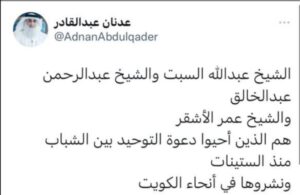
Who is Adnaan Abdul Qaadir? He is a student of the Ikhwaanee Mubtadi (Abdur Rahmaan Abdul Khaaliq) about whom you have read in the above links. Adnaan praises and shelters Abdur Rahmaan Abdul Khaaliq saying that he was one of those who spread pure Islamic monotheism as follows:

Indeed, whoever praises or shelters an innovator in the religion has committed a major sin. Allaah’s Messenger [peace and blessings of Allaah be upon him] – the one who never speaks out of his own desire, rather everything he says in religion is divine revelation from his Lord – stated: “Allaah has cursed the one who slaughters (i.e. an animal as sacrifice) for other than Allaah. Allaah has cursed the one who curses his parents. Allaah has cursed the one who shelters a Muhdith. Allaah has cursed the one who alters the landmarks”. [Reported by Imaam Muslim 1978]

[لَعَنَ الله- Allaah has cursed]: It means to be repelled and distanced from Allaah’s mercy (2) Shaikhul Islaam [i.e. Imaam Muhammad Ibn Abdul Wahhaab (rahimahullaah)] said: Allaah curses the one who deserves to be cursed by way of statement, just as he sends blessings to the one who deserves blessings. Allaah said:

هُوَ ٱلَّذِى يُصَلِّى عَلَيۡكُمۡ وَمَلَـٰٓٮِٕكَتُهُ ۥ لِيُخۡرِجَكُم مِّنَ ٱلظُّلُمَـٰتِ إِلَى ٱلنُّورِۚ وَڪَانَ بِٱلۡمُؤۡمِنِينَ رَحِيمً۬ا
تَحِيَّتُهُمۡ يَوۡمَ يَلۡقَوۡنَهُ ۥ سَلَـٰمٌ۬

He it is Who sends His blessings and praises on you, and His angels too [ask Allaah to bless and forgive you], that He may bring you out from darkness [of disbelief and polytheism] into light [of Belief and Islamic Monotheism]. And He is Ever Most Merciful to the believers. Their greeting on the Day they shall meet Him will be “Salam: Peace (i.e. the angels will say to them: Salamu ‘Alaikum)!” [Surah Al-Ahzaab. Aayaat 43-44]

Allaah said: [إِنَّ ٱللَّهَ لَعَنَ ٱلۡكَـٰفِرِينَ وَأَعَدَّ لَهُمۡ سَعِيرًا -Verily, Allah has cursed the disbelievers, and has prepared for them a flaming Fire (Hell)]. [Surah Al-Ahzaab. Aayah 64] (3)

The section of the hadeeth we wish to highlight here is the Messenger’s statement, “Allaah has cursed the one who shelters a Muhdith”. The word Muhdith pronounced with a kasrah under the Daal means a culprit, perpetrator; and pronounced with a Fat-hah on the Daal (Muhdath) means an affair innovated in the religion, sheltering and being pleased with it]. (4) “Allaah has cursed the one who shelters a Muhdith”- Meaning: [a] Those who shelter Ahlul Bidah Wal Ma’aasee [The Proponents of innovation in religion and Disobedience] and aid them. [b] Those who stop the one who establishes the legislated Islamic punishment against the innovator [i.e. such as preventing the Muslim ruler from punishing the innovator or the scholar who refutes him]. [c] Those who establish innovation in religion and support it. [Ref 8] This innovation includes that of the Jahmiyyah, the Mutazilah and others. So, whoever shelters an innovator (in religion) is cursed and likewise the one who aids him. In this is a warning against Bidah and newly invented matters (i.e. beliefs, acts of worship, methodologies) in the religion. The Prophet said, “Beware of newly invented matters in the religion, for every innovation [in religious affairs] is misguidance”. The apparent meaning of this hadeeth [is that this is the case regarding bidah], even if it is a small bidah. (5)

Al-Allaamah Saaleh Al-Fawzaan [may Allaah protect him] stated: It is not permissible to exalt and praise the innovators even if they have some truth with them. That is because raising and praising them will spread their bidah and place them amongst the sincere ones-those who are taken as examples amongst distinguished men of this Ummah. The Salaf warned against having trust for the innovators, (warned against) praising them and their gatherings. In this regard, Asad Ibn Musa (rahimahullaah) wrote: ”Beware of being a brother of the innovator (by association) or a companion of his, or one whom you sit with; for indeed it has been narrated that ‘Whoever sits with a person of innovation has left the protection of Allaah and is entrusted to himself’.

The innovators must be warned against and kept away from even if they have some truth with them. Indeed, the most astray are not devoid of some truth, but as long as they have with them innovation, opposition and sinful views, it is not permissible to praise and exalt them. It is impermissible to not have an objection against their innovation because this spreads bidah, belittles the Sunnah and by way of this the innovator will emerge and become a guide for the Ummah.

As for giving consideration (to the fact) that the innovation has some truth, this does not justify praising him. This is -to a far greater extent- against what is of overriding benefit and it is known in relation to a principle in the religion that averting harm takes precedence over seeking that which is of benefit. And with regards to having hatred for the innovator, the harm that is averted from the Ummah is weightier than the benefit possessed by the innovator. And had we adhered to this concept (i.e. praising the innovator because he has some truth with him), then no one would have been judged to be misguided and declared an innovator. That is because there is not an innovator except that he has some truth and adherence to the Sunnah. The innovator (may) neither be a disbeliever nor be in opposition to all the Islamic legislation; rather he is either an innovator in some or most of the affairs. However, if the innovation is particularly related to affairs of Creed and Methodology, then the affair is dangerous indeed because it will become an example (to be followed); innovation will spread and the innovators will become active in spreading their innovation. So, this person who praises the innovators and makes their affair obscure to the people -due to some truth they (i.e. innovators) have – is one of two (people): Either he is one ignorant of the methodology of the pious predecessors and their stance against the innovators, so neither is it permissible for this ignorant one to speak nor is it permissible for the Muslims to listen to him; or he is one who has an objection to the truth because he knows the danger of innovation and the innovators, but he wishes to spread innovations. Nevertheless, this is a dangerous affair and it is not permissible to be lackadaisical with regards to innovation and its people, whatever that may be. (6)

After being acquainted with the Mubtadi (Abdur Rahmaan Abdul Khaalid) and his student Adnaan, then indeed we must now acquaint you with their organisation called (Ihyaa At-Turaath)! Read here what the scholars aay about this organisation:

https://abukhadeejah.com/the-extent-of-the-evil-of-jamiyyah-ihya-at-turath-of-kuwait-by-al-allamah-shaikh-muqbil-ibn-hadi-al-wadii-rahimahullah/

https://abukhadeejah.com/jamiyyah-ihya-at-turath-refuted-20-years-ago-in-the-uk-by-shaikh-ubaid-al-jabiri/

Ihyaa at-Turaath – an organisation that was headed by the innovator Abdur Rahmaan Abdul Khaalid and in which Adnaan Abdul Qaadir also participates – invite other deviated speakers: Read here by Shaikh Abu Iyaad: Jam’iyyah Ihyaa al-Turaath (Kuwait) and The Aqeedah of the Jahmiyyah Maatureediyyah:


After being acquainted with Ihyaa At-Turaath, then indeed we must now remind you about those who co-operate with them, such as Greenlane. Read here about Greenlane:

https://abukhadeejah.com/are-the-issues-between-green-lane-mosque-glm-and-salafi-publications-personal/

http://www.manhaj.com/manhaj/articles/vmelv-warning-from-the-conference-of-green-lane-mosque-singers-and-ikhwanis.cfm

http://www.manhaj.com/manhaj/articles/mjghq-al-hidaayah-markaz-jamiyyah-ahl-al-hadeeth-tawfique-chowdhary-yasir-qadhi-and-mohammad-al-shareef.cfm

http://www.manhaj.com/manhaj/articles/amorz-the-conference-of-green-lane-mosque-singers-and-ikhwanis-and-internal-politics-part-3.cfm

http://www.manhaj.com/manhaj/articles/cnejc-the-conference-of-green-lane-mosque-singers-and-ikhwanis-and-internal-politics-part-4.cfm

http://www.manhaj.com/manhaj/articles/eorot-the-conference-of-green-lane-mosque-singers-and-ikhwanis-and-internal-politics-part-5.cfm

http://www.manhaj.com/manhaj/articles/imcoa-the-conference-of-green-lane-mosque-singers-and-ikhwanis-and-internal-politics-part-6.cfm

http://www.manhaj.com/manhaj/articles/rzfwp-the-conference-of-green-lane-mosque-singers-and-ikhwanis-and-internal-politics-part-7.cfm


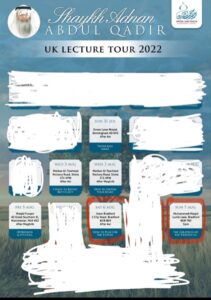
After being acquainted with the false methodology of the Mubtadi (Abdur Rahmaan Abdul Khaaliq) and Adnaan Abdul Qaadir, then indeed the affair of Greenlane (Birmingham), Markaz at-Tawheed (Stoke On Trent), Masjid Al-Furqan (Manchester) and Muhammadi Masjid (Bradford) becomes manifest, because they are companions or hosts of Adnaan Abdul Qaadir – the one who praises and shelters an innovator in the religion and you’ve already read about the gravity of such as sin in the statement of the Messenger, “Allaah has cursed the one who shelters a Muhdith”. The picture below shows where Adnaan – student and shelterer of an innovator – is going to visit…..

This is the companionship of Markaz at-Tawheed, Greenlane, Muhammadi Masjid, Masjid Al-Furqan (Manchester) and their ilk. Abu Hurairah (radiyallaahu-anhu) said, the Messenger (sallal-laahu-alayhi-wasallam) said, “A person is upon the religion of his friend, so let each one of you look at whom he befriends”. [As-Saheehah: 97] Ibn Mas’ ood (radiyallaahu-anhu) said: Indeed a person walks alongside and accompanies the one whom he loves and who is like him. (Al Ibaanah 2/476] Al A’maah (rahimahullaah) said: They (the Salaf) did not used to ask anything more about a person after having asked about three affairs: Who he walks with, who he enters upon (i.e. visits) and who he associates with amongst the people”. [Al Ibaanah 2/478] Abdullah Ibn Mas’ood (radiyallaahu anhu) said: Make consideration of the (regions of the) earth by the names given to them and make consideration of a person by his companion”. [Ibaanah 2/497] Mu’aadh Bin Mu’aadh said to Yahyah bin Sa’eed, “aa Abaa Sa’eed! A person may hide his viewpoint from us, but he will not be able to hide this in his son or friend or in one whom he sits with”. [ Ibaanah 2/436] [Translated by Spubs]

Indeed, these Masaajid and their ilk ally and accompany those who shelter an innovator in the religion, even though they claim to be upon the authentic Sunnah. Allaah [The Most Most High] said:

يَـٰٓأَيُّہَا ٱلَّذِينَ ءَامَنُواْ لِمَ تَقُولُونَ مَا لَا تَفۡعَلُونَ
ڪَبُرَ مَقۡتًا عِندَ ٱللَّهِ أَن تَقُولُواْ مَا لَا تَفۡعَلُونَ

O you who believe! Why do you say that which you do not do? Most hateful it is with Allah that you say that which you do not do. [Surah As-Saff. Aayaat 2-3]

Therefore, when you enter Stoke On Trent, then know without any doubt that there are only two Masjids – [Masjid Al Furqan (105 Roundwell St, Tunstall ST6 5AW) and Masjid Abi Hurairah (North Rd. ST6 2BP) – that are free from all the innovators and their allies. And when you enter Manchester or Greater Manchester, then know that there are only two Masjids free from the innovators and their allies (Al-Markazus Salafi – Cheemthamhill) and Masjid al-Huda (Bolton – BL3 4DU). And when you enter Bradford, then know that there is only one Masjid that is free from the innovators and their allies, and that is Masjid As-Sunnah (3 Paternoster lane, BD7 3DS). We ask Allaah to grant us the Tawfeeq to cling to the Sunnah, abandon the innovators in religion and those who shelter them. We also ask Allaah to guide them or protect us from their falsehood Aameen.


[Ref 1: Taareekh Dimashq 6/361]
[Ref 2: Al-Qawlul Mufeed Alaa Kitaab At-tawheed. page 1/221. Shaikh Uthaymeen (rahimahullaah)]
[Ref 3: Sharh Fat-hul Majeed Li-Sharh Kitaab At-tawheed. 1/429. Shaikh Saaleh Aala Ash-Shaykh (hafidhahullaah)]
[Ref 4: Al-Mulakh’khas Fee Sharhi Kitaab At-tawheed. page 97 by Shaikh Saaleh Al-Fawzaan (hafidhahullaah)]
[Ref 5: Al-Qawlul Mufeed Alaa Kitaab At-tawheed. page 1/222. Shaikh Uthaymeen (rahimahullaah)]
[Ref 6: An Excerpt from At-Tabdee Wat-Tafseeq Wat Takfeer. Page: 72-76. slightly paraphrased]

American Fearmonger Caught! [The Plan to Instill Fear Through Climate Change]

In The Name of Allaah, The Most Merciful, The Bestower of Mercy.

Abu Moosaa Al-Ash’aree [may Allaah be pleased with him] said, “Allaah’s Messenger [peace and blessings of Allaah be upon him] said to me, ‘O Abdullaah Bin Qais! Shall I tell you a word which is one of the treasures of Paradise? It is [لَا حَوْلَ وَلَا قُوَّةَ إِلَّا بِاللهِ – There is neither might nor power except with Allaah]. [Bukhaari 6384 & Muslim 2704]

Al-Harwee [may Allaah have mercy upon him] said that Abu Haytham [may Allaah have mercy upon him] said, “Al-Hawl [ might] is Al-Haraka [movement]- meaning, there is no movement nor ability except by the Will of Allaah”. And it is said, “There is no might to repel evil nor any power to reach good except by the Will of Allaah”. (1)

Al-Allaamah Saaleh Al-Fawzaan [may Allaah protect him] said, “One of the treasures of paradise”- Meaning: Its reward is great and that is paradise, and Paradise is the greatest thing sought after. This shows the virtue of the statement [لَا حَوْلَ وَلَا قُوَّةَ إِلَّا بِاللهِ ]. And why does it carry this reward? That is because it necessitates surrendering all of one’s affairs to Allaah, manifesting one’s inability and poverty in the presence of Allaah, and that indeed Allaah is The One Perfect in Strength and The One Fully Able to do all things [and has power over all things]. It is a great statement, easy to utter and repeat on the tongue”. (2)

Caught Red Handed. CNN tech director speaks about instilling the next fear (Climate change) as COVID is no longer a fear factor in controlling people in America:

https://www.youtube.com/watch?v=JeYVyOXF5vw

[videopress gONCEygp]

Climate Change – By Shaikh Abu Iyaad Amjad Rafiq [may Allaah protect him]
https://sau.posthaven.com/climate-change-abu-iyaad-amjad-rafiq

The Causes of Poverty in Light of Climate Change, Population Growth and other Factors: Part II: Ethics 2.4- By Shaikh Abu Khadeejah [may Allaah protect him]:
https://abukhadeejah.com/the-causes-of-poverty-in-light-of-climate-change-population-growth-and-other-factors-part-ii-ethics-2-4/

https://salafidawahmanchester.com/2021/10/30/the-youth-came-and-was-passionate-about-the-climate-change-global-warming-debate-so-we-tried-to-deradicalize-him/


[Ref 1: Sharh Saheeh Muslim 4/87]
[Ref 2: An Excerpt from Tasheelul Il’haami Bi-Fiqhil Ahaadeeth Min Bulooghil Maraam’ page 335’ Vol 6]


When Our Beloved Youth ask, “What Happen” After Striving to Follow The Correct Path, But Did Not Attain The Goal?”

In The Name of Allaah, The Most Merciful, The Bestower of Mercy.

Imaam Ibnul Qayyim [may Allaah have mercy upon him] said: “The servant should hand over affairs to the One (Allaah) who knows – (perfectly without anything hidden from Him and free is He from all imperfections) – the end result of affairs. He should be pleased with what Allaah chooses and decrees because of the good end result one hopes for- neither make suggestions to Allaah nor give precedence to one’s choice over Allaah’s choice. One should not choose anything over what Allaah chooses; rather one asks Allaah to choose the best and make him (or her) pleased with what has been chosen, because there is nothing more beneficial than this. If one is pleased with Allaah’s choice, then what has been decreed will occur, whilst one is deserving of commendation”. [An Excerpt from Al-Fawaa’id. page 204. slightly paraphrased]

It is stated as part of a supplication: [وَأَسْأَلُكَ الرِّضِا بَعْدَ الْقَضَاءِ – And I ask You (to make me pleased) after (Your) decree]. This is one of the supplications performed after the Tashahud and before the Tasleem. Here is the complete supplication as follows:

اللَّهُمَّ بِعِلْمِكَ الْغَيْبَ وَقُدْرَتِكَ عَلَى الْخَلْقِ أَحْيِنِي مَا عَلِمْتَ الْحَيَاةَ خَيْراً لِي وَتَوَفَّنِي إِذَا عَلِمْتَ الْوَفَاةَ خَيْراً لِي، اللَّهُمَّ إِنِّي أَسْأَلُكَ خَشْيَتَكَ فِي الْغَيْبِ وَالشَّهَادَةِ، وَأَسْأَلُكَ كَلِمَةَ الْحَقِّ فِي الرِّضَا وَالْغَضَبِ، وَأَسْأَلُكَ الْقَصْدَ فِي الْغِنَى وَالْفَقْرِ، وَأَسْأَلُكَ نَعِيماً لَا يَنْفَذُ، وَأَسْأَلُكَ قُرَّةَ عَيْنٍ لَا تَنْقَطِعُ، وَأَسْأَلُكَ الرِّضِا بَعْدَ الْقَضَاءِ، وَأَسْأَلُكَ بَرْدَ الْعَيْشِ بَعْدَ الْمَوْتِ، وَأَسْأَلُكَ لَذَّةَ النَّظَرِ إِلَى وَجْهِكَ وَالشَّوْقَ إِلَى لِقَائِكَ فِي غَيْرِ ضَرَّاءَ مُضِرَّةٍ وَلَا فِتْنَةٍ مُضِلَّةٍ، اللَّهُمَّ زَيِّنَّا بِزِينَةِ الْإِيمَانِ
وَاجْعَلْنَا هُدَاةً مُهْتَدِينَ

O Allah! By Your Knowledge of the unseen and by Your Power over creation, let me live if life is good for me, and let me die if death is good for me; O Allah! I ask You to grant me (the blessing of having) fear of You in private and public; And I ask you (to make me utter) a statement of truth in times of contentment and anger; And I ask You for moderation when in a state of wealth and poverty; And I ask you for blessings that never ceases; And I ask You for the coolness of my eye that never ends; And I ask You (to make me pleased) after (Your) decree; Aand I ask You for a life of (ease, comfort, tranquility etc) after death; I ask You for the delight of looking at Your Face (i.e. in the Hereafter) and yearning to meet You without any harm and misleading trials (coming upon me); O Allah! Adorn us with the adornment of Eemaan, and make us (from those who are) guided and guiding (others). [Silsilah As-Saheehah. Number 1301]

The Four Categories of People and Their Knowledge Regarding Good and Evil, and One of The Reasons Why The Companions Have Excelled Everyone Until The Final Hour!

In The Name of Allaah, The Most Merciful, The Bestower of Mercy.

Allaah [The Exalted] said: [ وَكَذَٰلِكَ نُفَصِّلُ الْآيَاتِ وَلِتَسْتَبِينَ سَبِيلُ الْمُجْرِمِينَ – And thus do We explain the signs (to you O Muḥammad) in detail, and so that the way of the criminals may become evident (to you)] [Surah Al-An’aam. Aayah 55] (1)

Imaam Ibn Katheer [may Allaah have mercy upon him] stated regarding this Aayah: “Allaah [The Exalted] stated that just as He explained what was previously explained of the arguments and evidence on the path of guidance and sound judgement, and censured argumentation and stubbornness; likewise He explain the signs (proofs, evidences, lessons), which those being addressed are in need of; [ولتستبين سبيل المجرمين – and so that the way of the criminals may become evident (to you)], Meaning, so that the path of the criminals – those who oppose the Messengers – may become evident”. (2)

Imaam At-Tabari [may Allaah have mercy upon him] stated regarding the statement of Allaah: [وكذلك نفصل الآيات – And thus do We explain the signs (to you O Muḥammad) in detail]- Meaning, O Muhammad! Just as We have detailed for you in this Surah – from its beginning and introduction up to this point – our proofs and evidences against the idolaters and worshippers of images, and distinguished and clarified it for you; likewise, We explain to you our signs and evidences for every truth denied by the people of falsehood, the sects and other than them, until its truth is distinguished from its falsehood, and its right is distinguished from its wrong. (3)

The Categories of People And Their Knowledge of Good and Evil

Imaam Ibnul Qayyim [may Allaah have mercy upon him] stated about this Aayah: Those who know Allaah, His Book and His Religion are acquainted with the path of the believers and that of the criminals in detail- the two paths are clearly visible to them, just as a path leading to its destination and the path leading to destruction are made clearly visible. They are the most knowledgeable amongst the creation- the ones who benefit [the people] the most, the ones with the most useful advice and they are an evidence of right guidance. This is why the companions (of Muhammad) have excelled all those to come after them until the Day of Judgment, for indeed they were brought up upon the path of misguidance, shirk and paths leading to destruction, and they knew them in detail; then the Messenger [peace and blessings of Allaah be upon him] came to them and took them out from darkness [an entered them] into complete light- from shirk into Tawheed; from ignorance into knowledge; from misguidance into guidance; from injustice into justice; from confusion and blindness into guidance and clear-sightedness. They knew the worth of that which they received and were triumphant by way of it. [They knew the worth] of that which was contained in what they [received], since what is in opposition to the [truth and right guidance] reveals the goodness of what it opposes, because [upright] affairs are made clear by way of their opposites. So they increased in desire and love of that which they embraced, disliked and hated that which they had turned away from. And of all the people, they had the most love for Tawheed, Imaan and Islaam, and had the most hatred for that which was in opposition to it. They were the most knowledgeable of the path in detail.

As for those who came after the companions, amongst them is that one who was brought up in Islaam but knows not what is in opposition to it. Therefore, some of the details of the path of the believers and that of the criminals became confusing to him, for indeed confusion occurs due to the weakness of one’s knowledge regarding both paths or one of them, as Umar Ibnul Khattaab [may Allaah be pleased with him] said: “The bonds of Islaam will be undone one after the other when a people who grew up in Islaam know not what Jaahiliyyah [Pre-Islamic Ignorance] is.’’ This [statement shows an aspect of] Umar’s perfect knowledge [of Islaam].

And there is that one who is neither acquainted with the path of the criminals nor has it been made clear to him, or he has doubts and thus thinks that some of their ways are from the ways of the believers. This has occurred in this Ummah in many affairs of Aqeedah, Knowledge and Action regarding the path of the criminals, the disbelievers and the enemies of the Messengers, [which] was brought into the path of the believers by the one who does not know the [detailed distinction between] the path of believers and the path of the criminals, so he called to [this path], excommunicate the one in opposition and declares lawful that which Allaah and His Messenger made unlawful, just as what has occurred with many of the people of bidah, such as the Jahmiyyah, the Qadariyyah, the Khawaarij, the Rawaafid and their ilk- among those who initiated an innovation, called to it and excommunicated those who opposed it.

The people are four categories in this subject matter [i.e. the obligation of having knowledge of the path of the believers and that of the criminals in detail].

The First Group: They are those who know the path of the believers and that of the criminals in detail-in both knowledge and action. They are the most knowledgeable amongst the creation.

The Second Group: They are those who are blind to both paths- those resembling animals. The path of the criminals comes [to them] and they follow it.

The Third Group: It is that one who concerns himself with (seeking) knowledge of the path of the believers and not its opposite. He only knows (the path of the criminals) by way of its opposition to the (path of the believers) and in a general way, and [holds] that all that is in opposition to the path of the believers is falsehood, even though that is not illustrated to him in detail. Rather, when he hears some of that which contradicts the path of the believers, he turns away and does not preoccupy himself in understanding and knowing its falsity. This person is in a state (similar) to one who is safeguarded from following desires- whose heart is neither put at risk nor is he called to (such desires), as opposed to those who are aware of (such desires) and their souls are inclined towards them, but they strive against it for the Sake of Allaah. A letter was written to Umar Ibnul Khattaab and he was asked about this affair, as to which of the two men is the better- a man who is not put at risk by way of desires and does not go through its difficulties, or a man who is pushed towards it but abandons it for the Sake of Allaah? Umar wrote back saying: The one who is desirous of sin but abandons it for the Sake of Allaah is from ‘those whose hearts Allaah has tested for piety. For them there is forgiveness and a great reward.’ [Surah Hujuraat. Ayah: 3]

The Fourth Group: This group knows the path of evil, bidah and kufr in detail and the path of the believers in general. This is the situation of many of those who concern themselves with the beliefs of the previous nations and that of the people of bidah. They are acquainted with (these affairs) in detail, but not with what the Messenger came with; rather they are acquainted with it in general even though they may know some of its affairs in detail. Whoever examines their books will see that. Likewise, those who know the paths of evil, oppression and corruption in detail and are followers of it; if they repent, abandon these (affairs) and return to the path of the pious believers, then their knowledge of it will only be general. They will not be acquainted with it in that detailed manner known to those who spend their lives (studying) its regulations and ways. The Objective: Indeed, Allaah (Glorified be He) loves that one should know the path of His enemies in order to avoid and hate it, just as the path of the His allies (close friends) is known and followed. (4)


[Ref 1: Translation by Shaikh Abu Iyaad: https://www.thenoblequran.com/q/#/search/6_55%5D

[Ref 2: Tafseer ibn Katheer]

[Ref 3: Tafseer at-Tabari]

[Ref 4: An Excerpt from ‘Al-Fawaa’d pages 167 onwards. slightly paraphrased]

Islam’s Unapologetic Position On Apostasy – [Unveiling Another Path of The Criminals and Opponents of The Messengers]

In The Name of Allaah, The Most Merciful, The Bestower of Mercy.

Listen to Shaikh Abu Iyaad’s clarification here:

ges=1


[Ref 1: Translation by Shaikh Abu Iyaad: https://www.thenoblequran.com/q/#/search/6_55]
[Ref 2: Tafseer ibn Katheer]
[Ref 3: Tafseer at-Tabari]

Reminder to Those Who Donate to The Masjid Regarding a Paramount Responsibility of Teachers and Khutabaa

In The Name of Allaah, The Most Merciful, The Bestower of Mercy.

The Teachers and Khutabaa Have a Responsibility to Speak The Truth and Clarify The Salafi Methodology In all Affairs Whenever Required to Do So – Neither Fearing Blame Nor a Decrease In Masjid Funds 

Allaah [The Exalted] informed us about Prophet Nuh [peace be upon him] when he stated that Nuh said to his people: [ وَمَا أَسْأَلُكُمْ عَلَيْهِ مِنْ أَجْرٍ إِنْ أَجْرِيَ إِلَّا عَلَىٰ رَبِّ الْعَالَمِينَ – No reward do I ask of you for it (my Message of Islamic Monotheism), my reward is only from the Lord of the ‘Alamin (mankind, jinns and all that exists)]. [Surah Ash-Shu’araa. Aayah 109] – Meaning, “What I want is to advise you and that you follow the straight path”. (1)

Allaah [The Exalted] informed us about Prophet Hud [peace be upon him] when he stated that Hud said to his people: [ وَمَا أَسْأَلُكُمْ عَلَيْهِ مِنْ أَجْرٍ إِنْ أَجْرِيَ إِلَّا عَلَىٰ رَبِّ الْعَالَمِينَ – No reward do I ask of you for it (my Message of Islamic Monotheism), my reward is only from the Lord of the ‘Alamin (mankind, jinns and all that exists)]. [Surah Ash-Shu’araa. Aayah 127] – Meaning, “I do not ask you for reward for calling you to the (correct path) and for advising you, rather reward is from Allaah – the One Who nurtured you through His blessings”.(2)

Allaah [The Exalted] informed us about Prophet Saaleh [peace be upon him] when he stated that Saaleh said to his people: [ وَمَا أَسْأَلُكُمْ عَلَيْهِ مِنْ أَجْرٍ إِنْ أَجْرِيَ إِلَّا عَلَىٰ رَبِّ الْعَالَمِينَ – No reward do I ask of you for it (my Message of Islamic Monotheism), my reward is only from the Lord of the ‘Alamin (mankind, jinns and all that exists)]. [Surah Ash-Shu’araa. Aayah 145]- Meaning, “Lest you say, ‘We are prevented from following you because you want to take our wealth’, but I do not seek reward except from Allaah”. (3)

Allaah [The Exalted] informed us about Prophet Lut [peace be upon him] when he stated that Lut said to his people: [ وَمَا أَسْأَلُكُمْ عَلَيْهِ مِنْ أَجْرٍ إِنْ أَجْرِيَ إِلَّا عَلَىٰ رَبِّ الْعَالَمِينَ – No reward do I ask of you for it (my Message of Islamic Monotheism), my reward is only from the Lord of the ‘Alamin (mankind, jinns and all that exists)]. [Surah Ash-Shu’araa. Aayah 164]

Allaah [The Exalted] informed us about Prophet Shu’aib [peace be upon him] when he stated that Shu’iab said to his people: [ وَمَا أَسْأَلُكُمْ عَلَيْهِ مِنْ أَجْرٍ إِنْ أَجْرِيَ إِلَّا عَلَىٰ رَبِّ الْعَالَمِينَ – No reward do I ask of you for it (my Message of Islamic Monotheism), my reward is only from the Lord of the ‘Alamin (mankind, jinns and all that exists)]. [Surah Ash-Shu’araa. Aayah 180]

Allaah [The Exalted] informed us about the command He gave to the seal of the Prophets Muhammad [peace be upon him]: [قُل لَّآ أَسۡـَٔلُكُمۡ عَلَيۡهِ أَجۡرًا إِلَّا ٱلۡمَوَدَّةَ فِى ٱلۡقُرۡبَىٰ‌ۗ – Say (O Muhammad ): “No reward do I ask of you for this except to be kind to me for my kinship with you”] [Surah Ash-Shuraa. Aayah 23] – Meaning: No reward do I ask you for conveying this Qur’an to you and calling you to follow its rulings. Neither do not want to take your wealth nor be in charge over you and become your leader, nor do I have any other goals, except that you should be kind to me for my kinship with you”. It may be that what is intended behind this Aayah is: I am not asking you for any reward, except one one that is for you and whose benefit returns to you, which that you love me due to the ties of kinship between us, and this is a type of love that is an addition to the love that is based on Imaan, because indeed loving the Messenger – due to Imaan- and giving precedence to loving him over all love besides love of Allaah is obligated on every Muslim. So, the Prophet was asking them for something in addition that they show him love due to kinship, because he embarked upon his call by inviting his closest relatives to Islam, to the extent that it was said that there was none amongst the Quraish except that Messenger had ties of kinship with them. (3)

Therefore, let the maintainers of the Maraakiz neither fear nor compromise when conveying the sound Salafi Methodology. As for those who give so that the gas bill, electricity bill or council tax bill are paid, or so that the Imaam, the Mu’addhin or cleaner are paid, or so that maintenance work is carried out, then indeed that is a mighty Sadaqah Jaariyah InShaaAllaah, and may Allaah reward them with abundant good in this life and the next. So, we strive to give without any ulterior motives, such as desiring that our views are endorsed or that the teachers and Khutabaa should refrain from making a clear distinction between Sunnah and Bidah, between sound unity and false unity, between Salafiyyah and illegal partisanship.

The Salafi teachers and Khutabaa must enjoin good and forbid evil by clarifying the sound Salafi Methodology, exposing the false claimants and warning the people against deviation. If there are Masaajid that oppose the Sunnah of the Prophet or the Methodology of the companions in some issues, then such errors must be warned against so that the people are upon clear-sightedness, otherwise they will be guilty of treachery and sinful concealment. Allaah [The Exalted] said:

[ٱلَّذِينَ يَبۡخَلُونَ وَيَأۡمُرُونَ ٱلنَّاسَ بِٱلۡبُخۡلِ وَيَڪۡتُمُونَ مَآ ءَاتَٮٰهُمُ ٱللَّهُ مِن فَضۡلِهِۦ‌ۗ وَأَعۡتَدۡنَا لِلۡڪَـٰفِرِينَ عَذَابً۬ا مُّهِينً۬ا – Those who are miserly and enjoin miserliness on other people and hide what Allah has bestowed upon them of His Bounties. And We have prepared for the disbelievers a disgraceful torment]. [Surah An-Nisaa. Aayah 37] – Meaning: They refrain from fulfilling the rights obligated on them. Enjoin miserliness on other people through their statements and actions, hide what Allaah has bestowed upon them of His Bounties, such as knowledge by way of which the astray are guided and the ignorant ones are led aright. So, they hide it from them and make apparent to them falsehood that comes between them and the truth. So, they have gathered between miserliness with regards to wealth and knowledge, and between hastening towards loss for themselves and for others. (4)

Finally, we remind ourselves of the following articles as a reminder:

Dangers of a Brotherhood and Companionship Devoid of Enjoining Good and Forbidding Evil:

https://salafidawahmanchester.com/2022/06/06/dangers-of-a-brotherhood-and-companionship-devoid-of-enjoining-good-and-forbidding-evil/

Some Subtle Indications and Closely Guarded Secrets Related to Illegal Partisanship – Men and Women: https://salafidawahmanchester.com/2022/06/04/some-subtle-indications-and-closely-guarded-secrets-related-to-illegal-partisanship-men-and-women/

Dishonourable Behaviour That Prevents Seeker of Knowledge From Speaking Truth: https://salafidawahmanchester.com/2022/06/02/dishonourable-behaviour-that-prevents-seeker-of-knowledge-from-speaking-truth/


[Refs: 1, 2, 3 and 4. Excerpts from Tafseer as-Sadi. slightly paraphrased]

The Prophet Drew a Straight Line! [Reminder to Muslim Maths Teachers]

In The Name of Allaah, The Most Merciful, The Bestower of Mercy.

Ibn Mas’ud [may Allaah be pleased with him] reported that Allaah’s Messenger [peace and blessings of Allaah be upon him] drew a line in the sand with his hand and he said, “This is the straight path of Allah”. Then, the Prophet drew lines to the right and left, and he said, “These are other paths, and there is no path among them but that a devil is upon it calling to its way”. Then the Prophet recited the Aayah [وَأَنَّ هَـٰذَا صِرَٲطِى مُسۡتَقِيمً۬ا فَٱتَّبِعُوهُ‌ۖ وَلَا تَتَّبِعُواْ ٱلسُّبُلَ – And verily, this is my Straight Path, so follow it, and follow not (other) paths]. [Surah Al-An’aam. Aayah 153] [Musnad Aḥmad 4423]

Allaah [The Most high] said: [وَعَلَى اللَّهِ قَصْدُ السَّبِيلِ وَمِنْهَا جَائِرٌ – And upon Allah is the responsibility to explain the Straight Path but there are ways that turn aside]. [Surah An-Nahl. Aayah 9]

Az-Zujaaj [may Allaah have mercy upon him] said: “It is Allaah who will clarify the straight path and call to it with Hujaj [clear and overwhelming proofs that defeats all the obstinate and stubborn ones] and Burhaan [proofs that clarify and distinguish between truth and falsehood in everything]. [وَمِنْهَا جَائِر -but there are ways that turn aside]: Ibn Abbaas [may Allaah be pleased with him and his father] said, “They are the different types of desires [i.e. evil desires]”. Ibnul Mubaarak [may Allaah have mercy upon him] said, “They are the (evil) desires and the innovations in religion”. [Zaadul Maseer Fee Ilmit Tafseer by Imaam Ibnul Jawzi]

Allaah [The Exalted] said:

أَفَمَن زُيِّنَ لَهُ سُوءُ عَمَلِهِ فَرَآهُ حَسَنًا ۖ فَإِنَّ اللَّهَ يُضِلُّ مَن يَشَاءُ وَيَهْدِي مَن يَشَاءُ ۖ فَلَا تَذْهَبْ نَفْسُكَ عَلَيْهِمْ حَسَرَاتٍ ۚ إِنَّ اللَّهَ عَلِيمٌ بِمَا يَصْنَعُونَ

Is he, then, to whom the evil of his deeds made fair-seeming, so that he considers it as good? Verily, Allah sends astray whom He wills, and guides whom He wills. So destroy not yourself (O Muhammad) in sorrow for them. Truly, Allah is the All-Knower of what they do! [Surah Al-Faatir. Aayah 8]

[أَفَمَن زُيِّنَ لَهُ سُوءُ – Is he, then, to whom the evil of his deeds made fair-seeming] -Meaning, his evil and repugnant deeds have been made fair-seeming to him by shaytaan and beautified in his eyes; [فَرَآهُ حَسَنًا – so that he considers it as good] -Meaning, considers his evil and repugnant deeds to be good like the one whom Allaah has guided to the straight;, but are the two the same? The first one commits evil deeds, considers truth to be falsehood and falsehood to be truth, and the second person performs good deeds, considers truth to be truth and falsehood to be falsehood. However, guidance is in the hands of Allaah, [ فَإِنَّ اللَّهَ يُضِلُّ مَن يَشَاءُ وَيَهْدِي مَن يَشَاءُ ۖ فَلَا تَذْهَبْ نَفْسُكَ عَلَيْهِمْ حَسَرَاتٍ – Verily, Allah sends astray whom He wills, and guides whom He wills. So destroy not yourself (O Muhammad) in sorrow for them]- Meaning, the misguided ones to whom their evil deeds are made fair-seeming and shaytaan hinders them from the truth. Therefore, there is nothing obligated on you (O Muhammad) except to convey the message and there is nothing on you regarding their guidance, rather Allaah is the one who will recompense them for their deeds. [ إِنَّ اللَّهَ عَلِيمٌ بِمَا يَصْنَعُونَ- Truly, Allah is the All-Knower of what they do]. [An Excerpt from Tafseer As-Sadi. Slightly paraphrased]

The Jews Divided Into Seventy-one Sects, The Christians Divided into Seventy-two Sects:
https://salafidawahmanchester.com/2022/06/09/the-jews-divided-into-seventy-one-sects-the-christians-divided-into-seventy-two-sects/

Do Not Be Disheartened When a Marriage Proposal is Declined After You’ve Employed all The Legislated Means

In The Name of Allaah, The Most Merciful, The Bestower of Mercy.

Jaabir Bin Abdillaah [may Allaah be pleased with him and his father] said, ”Allaah’s Messenger [peace and blessings of Allaah be upon him] used to teach us the way of doing Istikhaarah (i.e. the means to ask Allah to guide one to the right action concerning any job or a deed) in all matters as he taught us the Suras of the Qur’an. He said, ‘If anyone of you wants to do any task [i.e. wants to decide on a matter], he should offer a two rak`ats other than the compulsory ones and say (after the prayer):

اللَّهُمَّ إِنِّي أَسْتَخِيرُكَ بِعِلْمِكَ وَأَسْتَقْدِرُكَ بِقُدْرَتِكَ وَأَسْأَلُكَ مِنْ فَضْلِكَ الْعَظِيمِ فَإِنَّكَ تَقْدِرُ وَلَا أَقْدِرُ وَتَعْلَمُ وَلَا أَعْلَمُ وَأَنْتَ عَلَّامُ الْغُيُوبِ اللَّهُمَّ إِنْ كُنْتَ تَعْلَمُ أَنَّ هَذَا الْأَمْرَ خَيْرٌ لِي فِي دِينِي وَمَعَاشِي وَعَاقِبَةِ أَمْرِي فَاقْدُرْهُ لِي وَيَسِّرْهُ لِي ثُمَّ بَارِكْ لِي فِيهِ وَإِنْ كُنْتَ تَعْلَمُ أَنَّ هَذَا الْأَمْرَ شَرٌّ لِي فِي دِينِي وَمَعَاشِي وَعَاقِبَةِ أَمْرِي فَاصْرِفْهُ عَنِّي وَاصْرِفْنِي عَنْهُ وَاقْدُرْ لِي الْخَيْرَ حَيْثُ كَانَ ثُمَّ أَرْضِنِي

O Allaah! I seek Your guidance through Your Knowledge, and I seek Power from Your Might, and I ask for Your great blessings. You are capable and I am not. You know and I do not, and You (alone) know the unseen. O Allah! If You know that this task (or affair) is good for my religion and my subsistence and in my Hereafter- (or said, ‘If it is better for my present and later needs), then You ordain it for me and make it easy for me to get, and then bless me in it. And if You know that this task (affair) is harmful to me in my religion and subsistence and in the Hereafter- (or said, ‘If it is worse for my present and later needs’), then keep it away from me and let me be away from it. And ordain for me whatever is good for me, and make me satisfied with it.’ The Prophet [peace and blessings of Allaah be upon him] added that then the person should mention his (or her) need [i.e. the affair or task]. [Bukhaari: 1162]

After Istikhaarah, one also seeks the advice of upright people, who are able give advice in the affair. Al-Hasan al-Basree [may Allaah have mercy upon him] said, “By Allaah! Never have a people sought advice except that they were guided to the best of what was available to them.” Then he recited [ And (the Believers) who (conduct) their affairs by mutual consultation]. [Surah Ash-Shurah. Ayah 38]

Al-Allaamah Zayd Bin Haadi [may Allaah have mercy upon him] said: When a difficulty that is related to a Muslim’s religious and worldly affairs occurs, it is befitting that he consults someone whom he considers reliable, wise, truthful and sincere. He examines (the advice) given by that person, then he makes a choice – either to take that advice or decides not to take it based on what he is satisfied with, in relation to his personal affairs. The narration places emphasis on the fact that consultation guides to the best outcomes, and due to this it is said, “The one who consults does not regret (thereafter InShaaAllaah) and the one who performs Istikhaarah will not fail (to achieve what is good for him or her).” Both Istikhaarah and consultation are legislated and a lot of good is achieved by way of them, as opposed to when affairs are pursued in a rigid and haphazard manner, for indeed this might lead to regret and harm. (1)

The One Consulted Must Fear Allaah: Abu Hurairah [may Allaah be pleased with him] said that the Messenger [peace and blessings of Allaah be upon him] said, “The consultee is in a position of trust]. [Saheeh Sunan Abee Dawud. Number 5128]

The consultee is the one whose opinion is sought after regarding an affair of Maslahah [i.e. an affair that will bring about benefit and repel harm]. He is in a position of trust with regards to what he is asked, and it is not permissible for him to deceive the one who consults him by concealing the affair that would bring about benefit. (2)

This hadeeth is evidence, showing that the consultee must (advise) with the course of action and opinion -in relation to the consultation – that which he would do for himself. And it is not permissible that he directs his Muslim brother to something he would not be pleased with for himself. (3)

After you have employed all the legislated means and consulted the best people regarding the affair, then do not be disheartened or disappointed, because only Allaah knows the beginning and end of all affairs – hidden and apparent. Allaah said:

وَعَسَىٰٓ أَن تَكۡرَهُواْ شَيۡـًٔ۬ا وَهُوَ خَيۡرٌ۬ لَّڪُمۡ‌ۖ وَعَسَىٰٓ أَن تُحِبُّواْ شَيۡـًٔ۬ا وَهُوَ شَرٌّ۬ لَّكُمۡ‌ۗ وَٱللَّهُ يَعۡلَمُ وَأَنتُمۡ لَا تَعۡلَمُونَ

And it may be that you dislike a thing which is good for you and that you like a thing which is bad for you. Allah knows but you do not know.” [AI-Baqarah. Verse 216]

Imaam Ibnul Qayyim [may Allaah have mercy upon him] said:

There is for the servant -in this verse – a number of insightful guidelines, underlying benefits and welfare, because indeed if he knows that Al-Makrooh (what is disliked) can bring forth Al-Mahboob (i.e. what is beloved), and vice versa, then neither would he feel safe from the harm that might occur from something that makes him happy nor would he lose hope whilst expecting a final source of happiness from a situation of harm. That is because he does not have (infinite or perfect) knowledge of the Awaaqib (i.e. the final outcomes), but Allaah knows that which he does not know.

The servant should hand over his affair to the One (Allaah) who knows – (perfectly without anything hidden from Him)- the end result of affairs. He should be pleased with what Allaah chooses and decrees for him because of the good end result he hopes for.

Neither should he make suggestions to his Lord nor put forward his choice over that of his Lord, nor does he ask for something about which he has no knowledge, because it maybe that what will bring about harm and destruction on him is found in what he asks, whilst he does not know. Therefore, he does not choose anything over what his Lord chooses; rather he asks his Lord to choose the best for him and make him pleased with what has been chosen for him, because there is nothing more beneficial for him than this.

When he hands over his affair to his Lord and is pleased with what has been chosen for him, his Lord facilitates him with strength, determination and patience in that which has been chosen for him; repel the afflictions he would have encountered due to the choice he makes and show him some of the good end results of the choice his Lord made for him, which could not have been attained through the choice he makes for himself.

If he is pleased with Allaah’s choice, then what has been decreed will come to him, whilst he is deserving of commendation and graceful in it; otherwise, what has been decreed will come to him while he is blameworthy and ungraceful, because he is left with the choice he made for himself. (4)

Finally, let us ponder upon this story that will teach us a lesson regarding the fact that we should always be pleased with Allaah’s decree if the one we desired to marry chooses someone else, because only Allaah knows the end result of affairs. Ibn Abbaas [may Allaah be pleased with him and his father] said, “Barira’s [may Allaah be pleased with her] husband was a slave called Mughith [may Allaah be pleased with him], as if I am seeing him now, going behind Barira and weeping with his tears flowing down his beard. The Prophet [peace and blessings of Allaah be upon him] said to `Abbas, “O `Abbas! Are you not astonished at the love of Mughith for Barira and the hatred of Barira for Mughith?” The Prophet then said to Barira, “Why don’t you return to him?” She said, “O Allah’s Messenger! Do you order me to do so?” He said, “No, I only intercede for him.” She said, “I am not in need of him.” (5)


[Ref 1: Awnul Ahadis Samad, Sharh Al-Adab Al-Mufrad. Vol 1. Hadeeth Number 256. page 283]

[Ref 2: Mirqaat Al-Mafaateeh Sharh Mishkaat Al-Masaabeeh. Vol 4. Hadeeth 5062. page 259]

[Ref 3: Awnul Ahadis Samadi, Sharhu Al-Adab AlMufrad. Vol 1. Hadeeth Number 256. page 283]

[Ref 4: Al-Fawaa’id. page 204. slightly paraphrased]

[Ref 5: Sahih al-Bukhari 5283]