Author: Abdullah Jallow

Militant Atheists: What Was The End of Your Predecessors Who Argued Against The Aayaat of The Creator And Were Deceived By The Temporary Worldly Life?

In The Name of Allaah, The Most Merciful, The Bestower of Mercy

Allaah [The Most High] said:

مَا يُجَـٰدِلُ فِىٓ ءَايَـٰتِ ٱللَّهِ إِلَّا ٱلَّذِينَ كَفَرُواْ فَلَا يَغۡرُرۡكَ تَقَلُّبُہُمۡ فِى ٱلۡبِلَـٰدِ

None disputes in the Aayat [proofs, evidences, verses, lessons, signs, revelations, etc.] of Allaah. Except those who disbelieve. So, let not their ability of going about here and there through the land [for their purposes] deceive you [O Muhammad , their ultimate end will be the Fire of Hell]! [Surah Ghaafir. Aayah 4]

Allaah informed [us that]: [مَا يُجَـٰدِلُ فِىٓ ءَايَـٰتِ ٱللَّهِ إِلَّا ٱلَّذِينَ كَفَرُواْ   – None disputes in the Aayat (proofs, evidences, verses, lessons, signs, revelations, etc.) of Allaah, except those who disbelieve].  The intended meaning behind the word ‘disputes’ is disputation in order to reject Allaah’s Aayaat and oppose them with falsehood. This is a deed of the disbelievers, but as for the believers they humble themselves to Allaah [The Most High], for indeed Allaah  makes statements of truth to invalidate falsehood.

It is not permissible for a person to be deceived and thinks that the favours Allaah has bestowed on him in this worldly life proves that Allaah loves him and that he is upon the truth. And for this reason, Allaah [The Most High] said: [فَلَا يَغۡرُرۡكَ تَقَلُّبُہُمۡ فِى ٱلۡبِلَـٰدِ – So let not their ability of going about here and there through the land (for their purposes) deceive you]- Meaning: Going back and forth in pursuit of various affairs of trade and earnings; rather what is obligated on a servant is that he utters the truth to the people, examines the state of affairs based on the divine revelation and passes judgement based on that. He does not weigh up the truth [based on the desires, views, likes or dislikes of] the people, just as what the one who neither has knowledge nor [sound] intellect does. [An Excerpt from ‘Tayseer Al-Kareem ar-Rahmaan Fee Tafseer Kalaam Al-Mannaa. Slightly paraphrased]

Allaah [The Most High] said:

وَمِنَ النَّاسِ مَنْ يُجَادِلُ فِي اللَّهِ بِغَيْرِ عِلْمٍ وَيَتَّبِعُ كُلَّ شَيْطَانٍ مَرِيدٍ

And among mankind is he who disputes concerning Allah, without knowledge, and follows every rebellious (disobedient to Allah) Shaitan (devil) (devoid of each and every kind of good). [Surah Al-Hajj. Aayah 3]

There is a group amongst mankind who follow the path of misguidance. They argue based on falsehood and portray it as the truth- wish to certify falsehood as truth and falsify the truth. The true state of affairs regarding them is that they are upon extreme ignorance and do not possess any knowledge, and the most they have is blameworthy blind following of their misguided figureheads among the rebellious devils- rebels against Allaah and His Messengers. They [behave] obstinately towards Allaah and His Messengers; oppose Allaah and His Messenger [Muhammad (sallal-laahyu-alayhi-wasallam)] and became amongst those figureheads who call to the hell fire. [Source: See ‘Tayseer Al-Kareem Ar-Rahmaan Fee Tafseer Kalaam Al-Mannaan’. Slightly paraphrased]

Allaah [The Most High] said:

كَذَّبَتْ قَبْلَهُمْ قَوْمُ نُوحٍ وَالْأَحْزَابُ مِن بَعْدِهِمْ ۖ وَهَمَّتْ كُلُّ أُمَّةٍ بِرَ‌سُولِهِمْ لِيَأْخُذُوهُ ۖ وَجَادَلُوا بِالْبَاطِلِ لِيُدْحِضُوا بِهِ الْحَقَّ فَأَخَذْتُهُمْ ۖ فَكَيْفَ كَانَ عِقَابِ

وَكَذَٰلِكَ حَقَّتْ كَلِمَتُ رَ‌بِّكَ عَلَى الَّذِينَ كَفَرُ‌وا أَنَّهُمْ أَصْحَابُ النَّارِ‌

The people of Nuh [Noah] and the confederates after them denied [their Messengers] before these, and every [disbelieving] nation plotted against their Messenger to seize him, and disputed by means of falsehood to refute therewith the truth. So, I seized them [with punishment], and how [terrible] was My punishment! Thus, has the Word of your Lord been justified against those who disbelieved, that they will be the dwellers of the Fire. [Surah Ghaafir. Aayaat 5-6]

Allaah [The Most High] mentioned -in this Aayah- those who argue against His Aayaat to nullify them [i.e. they argued against Allaah’s Aayaat to declare them false], just as the previous nations before them did, such as the people of Nooh, Aad and those confederates who formed an illegal partisanship, gathered against the truth and to aid falsehood, until they reached [that state, which is]: [وَهَمَّتْ كُلُّ أُمَّةٍ بِرَ‌سُولِهِمْ لِيَأْخُذُوهُ -And every (disbelieving) nation plotted against their Messenger to kill him].

This is the [most dangerous situation] the Messengers can find themselves in- the ones [i.e. the Messengers of Allaah] who are the [only perfect] leaders of the righteous people and possessors of pure truth about which there is neither any doubt nor ambiguity; however, they plotted to kill them. Is there any act of rebellion, misguidance and wretchedness [worse] than this?! So, for this reason [the plotters deserved] a great punishment which they cannot escape.

Allaah [The Most High] mentioned the punishment they [received] in this worldly life and what they will [receive] in the afterlife: [فَأَخَذْتُهُمْ -So I seized them]-Meaning: [Destroyed] due to their act of wilful denial [i.e. their wilful denial of Allaah’s Aayaat by way of arguing with falsehood and plotting to kill Allaah’s Messengers] and their illegal partisanship. [فَكَيْفَ كَانَ عِقَابِ- And how (terrible) was My punishment!] [وَكَذَٰلِكَ حَقَّتْ كَلِمَتُ رَ‌بِّكَ عَلَى الَّذِينَ كَفَرُ‌وا أَنَّهُمْ أَصْحَابُ النَّارِ‌ -Thus has the Word of your Lord been justified against those who disbelieved, that they will be the dwellers of the Fire]. [Source: An Excerpt from Tayseer Al-Kareem Ar-Rahmaan Fee Tafseer Kalaam Al-Mannaan’. Slightly paraphrased]

Allaah [The Most High] said:

وَمِنۡ ءَايَـٰتِهِ ٱلۡجَوَارِ فِى ٱلۡبَحۡرِ كَٱلۡأَعۡلَـٰمِ (٣٢) إِن يَشَأۡ يُسۡكِنِ ٱلرِّيحَ فَيَظۡلَلۡنَ رَوَاكِدَ عَلَىٰ ظَهۡرِهِۦۤ‌ۚ إِنَّ فِى ذَٲلِكَ لَأَيَـٰتٍ۬ لِّكُلِّ صَبَّارٍ۬ شَكُورٍ (٣٣) أَوۡ يُوبِقۡهُنَّ بِمَا كَسَبُواْ وَيَعۡفُ عَن كَثِيرٍ۬ (٣٤) وَيَعۡلَمَ ٱلَّذِينَ يُجَـٰدِلُونَ فِىٓ ءَايَـٰتِنَا مَا لَهُم مِّن مَّحِيصٍ۬

And among His Signs are the ships, in the sea, like mountains. If He wills, He causes the wind to cease, then they would become motionless on the back (of the sea). Verily, in this are signs for everyone patient and grateful. Or He may destroy them (by drowning) because of that which their (people) have earned. And He pardons much. And those who dispute as regards Our Aayat may know that there is no place of refuge for them. [42:35]

[وَيَعْلَمَ الَّذِينَ يُجَادِلُونَ فِي آيَاتِنَا – And those who dispute as regards Our Aayaat] –Meaning: In order to (declare) them untrue with their falsehood [i.e. those who seek to declare Allaah’s Aayat to be untrue by way of their false claims and arguments]; [مَا لَهُمْ مِنْ مَحِيصٍ – there is no place of refuge for them]-Meaning: There is no place of escape for them to stop the punishment from [reaching] them. [An Excerpt from Tayseer Al-Kareem Ar-Rahmaan Fee Tafseer Kalaam Al-Mannaan. Slightly paraphrased]

Perils of Lying

Imaam Ibnul Qayyim (rahimahullaah) said: Allaah (The Most High) punishes the liar by preventing and holding him back from the things that brings about wellbeing and benefit for him; and He (Allaah) rewards the truthful person by granting him the ability to obtain the affairs of wellbeing in his worldly life and afterlife. There is nothing similar to truthfulness by way of which the affairs of wellbeing of this world and the afterlife are obtained. And there is nothing similar to lies by way of which both of them (i.e. the affairs of wellbeing in this life and the next) are corrupted. Allaah (The Most High) said: [يا أيها الذين آمنوا اتقوا الله وكونوا مع الصادقين –O you who believe! Fear Allaah and be with those who are truthful] [Al-Fawaa-id: page:245]

Must Visit Website By Shaikh Abu Iyaad [hafidhahullaah]

file:///C:/Users/abumu/Downloads/evolution-discussion-exm.pdf

http://www.aboutatheism.net/authors/Abu.Iyaad.cfm

Do Not Be Shy! [Ask The Upright Student of Knowledge In Your Country If You Cannot Understand His Statement On a Particular Subject Matter]

In The Name of Allaah, The Most Merciful, The Bestower of Mercy.

Employ Careful Deliberation Before Transmitting or Making Judgements On Statements

Shaikh Uthaymeen [rahimahullaah]

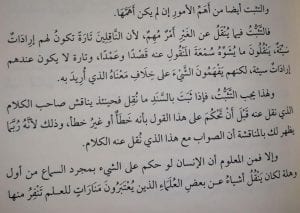
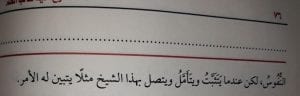
Verification is one of the most important affairs, if not the most important. Verifying what is transmitted from others is an important affair, because sometimes the transmitters harbour evil intentions, so they transmit – intentionally and deliberately – that which will tarnish the reputation of the one they transmit from. And sometimes they do not harbour an evil intention, but they understand something in a manner that is opposite to what is intended by it. Therefore, it is obligatory to verify. So, when the proof [sound source] of the transmission is established, then the one from whom the statement was transmitted is engaged in a discussion [or his statement is examined] before a judgement is passed as to whether it is a mistake or not. That is because it may become clear to you – by way of discussion [or observation] – that the one from whom the statement was transmitted is correct. And if not, then what is known is that if a person were to immediately pass a judgement merely based on what he hears, he will transmit things [i.e. statements, views, opinions etc] from some of the scholars – those considered to be the beacons of [Sharee’ah] knowledge – that which the souls will dislike; but when one verifies, contemplates and establishes contact with this Shaikh, the affair will become clarified [or clear to him]. [Excerpt from Sharh Hilyatil Taalibil Ilm Pages 75-76. By Shaikh Uthaymeen (rahimahullaah). Paraphrased]

Ask Questions to Understand, and Benefit Others, But Not For The Purpose of Fitna Or Merely Seeking to Hit One Statement of a Student Which You Do Not Agree With Against Another Statement!

Shaikh Abdur Razzaaq Al-Badr [hafidhahullaah] said:

It is not a condition that a questioner can only ask about what he does not know, rather he can ask about something he knows but is not known to others; so he asks a question in order to facilitate understanding for others.

If you are in the presence of a scholar and you know that some of those present fall short in affairs related to the prayer- either lackadaisical or that they do not perform the prayer on time, or that they fall short in some of its Shuroot [conditions] and waajibaat [obligatory acts of the prayer] – so you ask a question regarding these affairs even though you know the answer; you ask in order to benefit those who are present and so that they are facilitated with understand in their religion. These types of questions are very beneficial as opposed to questions that are not correct – that is because some people ask questions in order to confuse those present and bring about doubts etc. A question cannot be beneficial unless the questioner intends to benefit himself and others.

When Jibreel [alayhis-salaam] came to the Messenger [sallal-laahu-alayhi-wasallam] he did not appear as a teacher, rather he asked questions, even though the Messenger described him as one who came to teach the people their religion. This shows that the one who asks a scholar a question in order that the people can learn what they do not know is rewarded like one who teaches people their religion.

A scholar teaches people directly, but the one who asks the scholar a question becomes a means for the people to learn, for the one who guides to good is like one who does the good deed.  For example if you ask a student of knowledge in your country to give lessons in your Masjid –to teach the forty hadeeth of An-Nawawi or other books of the scholars, and you inform him of the needs of the people, so he begins to teach, explain and revise etc you will receive all that reward. The one who guides to good is just like one who performs the good deed. The commoner can be a means to teaching others by asking a scholar, or by gathering other commoners to take them to the circles of knowledge, disseminating beneficial audio lectures etc. [An excerpt from ‘Sharh of the forty hadeeth of Imaam An-Nawawi (rahimahullaah)’. Lesson number 2]

Few Aayaat of The Qur’aan Regarding The Believers and Their Salaah

In The Name of Allaah, The Most Merciful, The Bestower of Mercy.

Allaah [The Most High] said:

قَدۡ أَفۡلَحَ ٱلۡمُؤۡمِنُونَ (١) ٱلَّذِينَ هُمۡ فِى صَلَاتِہِمۡ خَـٰشِعُونَ (٢) وَٱلَّذِينَ هُمۡ عَنِ ٱللَّغۡوِ مُعۡرِضُونَ (٣) وَٱلَّذِينَ هُمۡ لِلزَّكَوٰةِ فَـٰعِلُونَ (٤)وَٱلَّذِينَ هُمۡ لِفُرُوجِهِمۡ حَـٰفِظُونَ (٥) إِلَّا عَلَىٰٓ أَزۡوَٲجِهِمۡ أَوۡ مَا مَلَكَتۡ أَيۡمَـٰنُہُمۡ فَإِنَّہُمۡ غَيۡرُ مَلُومِينَ (٦) فَمَنِ ٱبۡتَغَىٰ وَرَآءَ ذَٲلِكَ فَأُوْلَـٰٓٮِٕكَ هُمُ ٱلۡعَادُونَ (٧) وَٱلَّذِينَ هُمۡ لِأَمَـٰنَـٰتِهِمۡ وَعَهۡدِهِمۡ رَٲعُونَ (٨) وَٱلَّذِينَ هُمۡ عَلَىٰ صَلَوَٲتِہِمۡ يُحَافِظُونَ (٩) أُوْلَـٰٓٮِٕكَ هُمُ ٱلۡوَٲرِثُونَ (١٠) ٱلَّذِينَ يَرِثُونَ ٱلۡفِرۡدَوۡسَ هُمۡ فِيہَا خَـٰلِدُونَ (١١)

Successful indeed are the believers. Those who offer their Salaat [prayers] with all solemnity and full submissiveness. And those who turn away from Al-Laghw [dirty, false, evil vain talk, falsehood, and all that Allah has forbidden]. And those who pay the Zakaat. And those who guard their chastity (i.e. private parts, from illegal sexual acts), except from their wives or those whom their right hands possess, for then, they are free from blame; but whoever seeks beyond that, then those are the transgressors; those who are faithfully true to their Amanaat [all the duties which Allah has ordained, honesty, moral responsibility and trusts etc.] and to their covenants; and those who strictly guard their (five compulsory congregational) Salawaat [prayers] [at their fixed stated hours]. These are indeed the inheritors. Who shall inherit the Firdaus [Paradise]. They shall dwell therein forever. [Surah Al-Muminoon. Aayaat 1-11]

[ٱلَّذِينَ هُمۡ فِى صَلَاتِہِمۡ خَـٰشِعُونَ- Those who offer their Salaat [prayers] with all solemnity and full submissiveness]: Solemnity in the prayer: It is attentiveness of the heart in the presence of Allaah [The Exalted]; attentive [to the fact that] Allaah is close [i.e. by His knowledge, hearing and sight] and thus the person’s heart becomes submissive, his soul [enters a state] of solemnity, his movements [in the prayer are performed] with repose, he [experiences] little distraction, well behaved in the presence of his Lord, pays attention to everything he says and does in his prayer – from the beginning to the end – and thus all the whispering of shaytaan is repelled, [and likewise] all evil thoughts. This is the essence of the prayer and the aim behind it. It is the type of prayer for which a person is rewarded is in full. [As for the prayer] that is neither performed  with tranquillity nor an attentive heart, then even though the person will gain some reward, however reward is based on the strength [or level] of the heart’s attentiveness. [1]

Allaah [The Most High] said:

وَاسْتَعِينُوا بِالصَّبْرِ وَالصَّلَاةِ ۚ وَإِنَّهَا لَكَبِيرَةٌ إِلَّا عَلَى الْخَاشِعِينَ

الَّذِينَ يَظُنُّونَ أَنَّهُم مُّلَاقُو رَبِّهِمْ وَأَنَّهُمْ إِلَيْهِ رَاجِعُونَ

And seek help in patience and prayer, and truly it is extremely heavy and hard except for those who humble in the presence of their Lord.” They are those who are certain that they are going to meet their Lord, and that to Him they are going to return. [Al-Baqarah: Ayah: 45-46]

Indeed, it [i.e. seeking help in patience and prayer] is heavy upon other than those who are humble before Allaah, because the hearts [of those who are not humble before Allaah] are devoid of love of Allaah, exaltation of Him, glorification of Him and humility in His presence. They have little desire in asking Allaah for the good things of the worldly and the afterlife, and [they have little desire] in seeking His protection from the evil affairs of this life and the next. That is because the presence of the slave’s heart and mind in the prayer, being humble within [the prayer], seeking for perfection in it, disconnecting his mind and heart from everything whilst in the prayer, and striving with great effort to establish and fulfil it, then [all of this takes place] in accordance with the strength of his fervent desire [to please Allaah, hoping for Allaah’s reward and fearing Allaah’s punishment]. [2]

Allaah [The Most High] said:

وَجَعَلۡنَـٰهُمۡ أَٮِٕمَّةً۬ يَہۡدُونَ بِأَمۡرِنَا وَأَوۡحَيۡنَآ إِلَيۡهِمۡ فِعۡلَ ٱلۡخَيۡرَٲتِ وَإِقَامَ ٱلصَّلَوٰةِ وَإِيتَآءَ ٱلزَّڪَوٰةِ‌ۖ وَكَانُواْ لَنَا عَـٰبِدِينَ

And We made them [i.e. Ibraaheem, Ishaaq and Ya’qoob (alayhimus-salaam)] leaders, guiding [mankind] by Our Command, and We inspired in them the doing of good deeds, performing Salaat, and the giving of Zakaat and of Us (Alone) they were worshippers. [Surah Al-Anbiyaa. Aayah 73]

[وَجَعَلۡنَـٰهُمۡ أَٮِٕمَّةً۬  – And We made them leaders]– Meaning: Leaders  who were guides for others to good. [يَہۡدُونَ بِأَمۡرِنَا  – by Our Command]– Meaning: They called people to the religion ordained by Allaah based on Allaah’s command. [Ref 3]

[وَأَوۡحَيۡنَآ إِلَيۡهِمۡ فِعۡلَ ٱلۡخَيۡرَٲتِ   – And We inspired in them the doing of good deeds]– Meaning: They performed good deeds and called people to it. This includes all types of good deeds related to the rights of Allaah and the rights of the people. [وَإِقَامَ ٱلصَّلَوٰةِ وَإِيتَآءَ ٱلزَّڪَوٰةِ‌ۖ– performing Salaat, and the giving of Zakaat]: This is a specific mention of something in connection to a general affair due to the nobility and virtue of these two acts of worship [i.e. Salaah and Zakaat]; because whoever performs them perfectly will establish his religion and whoever neglects them will be more negligent towards other affairs of the religion; and [also because] Salaah is the best of deeds related to the rights of owed to Allaah and Zakaat is the best of deeds related to the rights owed to Allaah’s servants.

[وَكَانُواْ لَنَا عَـٰبِدِين – and of Us (Alone) they were worshippers]– Meaning: They were worshippers of Allaah and not worshippers of others; and they worshipped Allaah through acts of worship of the heart [i.e. such as love, fear, hope, reliance upon Allaah etc], statements [i.e. all acts of worship uttered by the tongue] and actions [i.e. deeds of the limbs]. [Ref 4]

Allaah [The Most High] said:

وَٱذۡكُرۡ فِى ٱلۡكِتَـٰبِ إِسۡمَـٰعِيلَ‌ۚ إِنَّهُ ۥ كَانَ صَادِقَ ٱلۡوَعۡدِ وَكَانَ رَسُولاً۬ نَّبِيًّ۬ا

وَكَانَ يَأۡمُرُ أَهۡلَهُ ۥ بِٱلصَّلَوٰةِ وَٱلزَّكَوٰةِ وَكَانَ عِندَ رَبِّهِۦ مَرۡضِيًّ۬ا

And mention in the Book [the Qur’an] Ismaa’eel [Ishmael]. Verily! He was true to what he promised, and he was a Messenger, [and] a Prophet. And he used to enjoin on his family and his people As-Salat [the prayers] and the Zakat, and his Lord was pleased with him. [Surah Maryam. Aayaat 54-55]

[وَكَانَ يَأۡمُرُ أَهۡلَهُ ۥ بِٱلصَّلَوٰةِ وَٱلزَّكَوٰةِ وَكَانَ عِندَ رَبِّهِۦ مَرۡضِيًّ۬ا – And he used to enjoin on his family and his people As-Salat [the prayers] and the Zakat, and his Lord was pleased with him]- Meaning: He used to enjoin Allaah’s command on his family – used to command them to establish the prayer which necessitates sincerity and servitude to Allaah, and he used to command them to give Zakaat which necessitates kind treatment towards the slaves of Allaah. So, he [i.e. Ismaa’eel (alayhis salaam)] perfected   himself and others, especially his family – the closest people to him – because they are more worthy of his call [i.e. the guidance he called to] than others. [5]


[1: Source: Tayseer Al-Kareem Ar-Rahmaan Fee Tafseer Kalaam Al-Mannaan. (paraphrased)]

[2: Badaa’i-u At-Tafseer Al-Jaami Limaa Fassarahu Al-Imaam Ibnu Qayyim Al-Jawziyyah: vol: 1 page: 125. Slightly paraphrased]

[Ref 3: An Excerpt from ‘Zaarul Maseer Fee Ilmit Tafseer’. By Imaam Ibnul Jawzi (rahimahullaah). Slightly paraphrased]

[Ref 4: An Excerpt from ‘Tayseer Al-Kareem Ar-Rahmaan Fee Tafseer Kalaam Al-Mannaan’ by Imaam As-Sadi (rahimahullaah). Slightly paraphrased]

[5: Source: An Excerpt from ‘Tayseer Al-Kareem Ar-Rahmaan Fee Tafseer Kalaam Al-Mannaan’. slightly paraphrased

A Statement About Prohibition Against Innovations In The Religion That Can Be Understood By Everyone With Some Common Sense!

In The Name of Allaah, The Most Merciful, The Bestower of Mercy.

Shaikhul Islaam Ibn Taymiyyah [rahimahullaah] said:

Groups amongst the people thought that the religion needed innovation, especially in their chosen path; but the affair is not as they thought, for indeed Allaah [The Exalted] said: [ٱلۡيَوۡمَ أَكۡمَلۡتُ لَكُمۡ دِينَكُمۡ وَأَتۡمَمۡتُ عَلَيۡكُمۡ نِعۡمَتِى وَرَضِيتُ لَكُمُ ٱلۡإِسۡلَـٰمَ دِينً۬ا‌ۚ – This day, I have perfected your religion for you, completed My Favour upon you, and have chosen for you Islam as your religion]. [Surah Al-Maa’idah. Aayah 3].

Likewise, other texts shows that the Messenger [sallal laahu alayhi wasallam] acquainted the Ummah with everything they need in their religious affairs. Allaah said: [وَمَا ڪَانَ ٱللَّهُ لِيُضِلَّ قَوۡمَۢا بَعۡدَ إِذۡ هَدَٮٰهُمۡ حَتَّىٰ يُبَيِّنَ لَهُم مَّا يَتَّقُونَ‌ۚ – And Allah will never lead a people astray after He has guided them until He makes clear to them as to what they should avoid]. [Surah At-Tawbah. Aayah 115]

The Messenger [sallal laahu alayhi wasallam] said: “Verily the one – among you – who lives long will see a lot of differing, so you must adhere to my Sunnah and to the Sunnah of the Khulafaa Ar Raashideen [the rightly guided caliphs], hold onto it firmly with your molar teeth” [i.e. adhere to it firmly].

Had it been that the Sunnah of the Prophet [sallal-laahu-alayhi wasallam] and that of the Khulafaa Ar-Raashideen is not suitable and sufficient for the believer during times of much differing, it would not be permissible to command that one [returns and adheres to it]. And also he [sallal laahu alayhi wasallam] used to say in his sermons, “The worst of all affairs [in the religion] are the newly invented matters and every innovation [in the religion] is misguidance”. [An Excerpt from Al-Istiqaamah. Pages 35-36. slightly paraphrased]

The First Command In The Qur’aan

In The Name of Allaah, The Most Merciful, The Bestower of Mercy.

يَـٰٓأَيُّہَا ٱلنَّاسُ ٱعۡبُدُواْ رَبَّكُمُ ٱلَّذِى خَلَقَكُمۡ وَٱلَّذِينَ مِن قَبۡلِكُمۡ لَعَلَّكُمۡ تَتَّقُونَ

ٱلَّذِى جَعَلَ لَكُمُ ٱلۡأَرۡضَ فِرَشً۬ا وَٱلسَّمَآءَ بِنَآءً۬ وَأَنزَلَ مِنَ ٱلسَّمَآءِ مَآءً۬ فَأَخۡرَجَ بِهِۦ مِنَ ٱلثَّمَرَٲتِ رِزۡقً۬ا لَّكُمۡ‌ۖ فَلَا تَجۡعَلُواْ لِلَّهِ أَندَادً۬ا وَأَنتُمۡ تَعۡلَمُونَ

O mankind! Worship your Lord (Allah), Who created you and those who were before you so that you may become Al-Muttaqun (the pious) – Who has made the earth a resting place for you, and the sky as a canopy, and sent down water (rain) from the sky and brought forth therewith fruits as a provision for you. Then do not set up rivals unto Allah (in worship) while you know (that He Alone has the right to be worshipped). [Surah Al-Baqarah’ Aayaat 21-22]

The statement ‘There is no deity worthy of worship except Allaah’ necessitates ‘negation’ and ‘affirmation’. Negating every other thing worshipped besides Allaah because they are not worthy of worship, and affirming that Allaah alone is the true deity worthy of worship. The religion of Tawheed is founded upon these two foundations, just as Allaah stated that Ibraaheem [alayhis salaam] said to his people:

وَإِذۡ قَالَ إِبۡرَٲهِيمُ لِأَبِيهِ وَقَوۡمِهِۦۤ إِنَّنِى بَرَآءٌ۬ مِّمَّا تَعۡبُدُونَ

إِلَّا ٱلَّذِى فَطَرَنِى فَإِنَّهُ ۥ سَيَہۡدِينِ

And (remember) when Ibrahim (Abraham) said to his father and his people: “Verily, I am innocent of what you worship; Except Him (i.e. I worship none but Allah Alone) Who did create me, and verily, He will guide me.” [Surah Az-Zukhruf’ Aayaat 26-27]

This was the path of every Messenger sent by Allaah [to the people]. Allaah [The Most High] said:

وَلَقَدۡ بَعَثۡنَا فِى ڪُلِّ أُمَّةٍ۬ رَّسُولاً أَنِ ٱعۡبُدُواْ ٱللَّهَ وَٱجۡتَنِبُواْ ٱلطَّـٰغُوتَ‌ۖ

And verily, We have sent among every Ummah (community, nation) a Messenger (proclaiming): “Worship Allah (Alone), and avoid (or keep away from) Taghut (all false deities, etc. i.e. do not worship Taghut besides Allah).” [Surah An-Nahl’ Aayah 36]

Allaah [The Most High] said:

فَمَن يَكۡفُرۡ بِٱلطَّـٰغُوتِ وَيُؤۡمِنۢ بِٱللَّهِ فَقَدِ ٱسۡتَمۡسَكَ بِٱلۡعُرۡوَةِ ٱلۡوُثۡقَىٰ لَا ٱنفِصَامَ لَهَا‌ۗ

Whoever disbelieves in Taghut and believes in Allah, then he has grasped the most trustworthy handhold that will never break. [Surah Al-Baqarah’ Aayah 256]

Whoever says that ‘There is no deity worthy of worship except Allaah’ has indeed declared his freedom from every other thing worshipped besides Allaah and obligated on himself [or herself] to worship Allaah [alone]. This is a covenant obligated by a person on himself [or herself]. [Allaah (The Most High) said]:

فَمَن نَّكَثَ فَإِنَّمَا يَنكُثُ عَلَىٰ نَفۡسِهِۦ‌ۖ وَمَنۡ أَوۡفَىٰ بِمَا عَـٰهَدَ عَلَيۡهُ ٱللَّهَ فَسَيُؤۡتِيهِ أَجۡرًا عَظِيمً۬ا

Then whosoever breaks his pledge, breaks only to his own harm, and whosoever fulfills what he has covenanted with Allah, He will bestow on him a great reward. [Surah Al-Fath’ Aayah 10]

Laa Ilaaha Ilal laah – There is no deity worthy of worship except Allaah – is a declaration of Tawheed Al-Ibaadah [i.e. to single Allaah out in worship]. Therefore, whoever says this statement, knows its meaning, acts upon what it necessitates by negating shirk and affirming that Allaah alone is the true deity worthy of worship and believes in that, then he [or she] is a true Muslim.

And whoever says this statement and acts upon what it necessitates – outwardly; but does not believe in it -in his heart, then he [or she] is a hypocrite. And whoever says this statement, but acts in opposition to it by committing shirk [Ref 7]-negating what it necessitates, he is a disbeliever, even if he repeats this statement many times[Ref 8] [NB: Reader must refer to footnotes 7 and 8 at the end of this article regarding types of Shirk and Al-Udhr Bil-Jahl (the excuse of ignorance)].

This is the state of the grave worshippers of today – those who say this statement, but neither do they understand its meaning nor does it have any effect on their acts of worship; so, you see one of them saying, “There is no deity worthy of worship except Allaah”, but then he also says, “O Abdul Qaadir [i.e. Abdul Qaadir Jaylaani]! Grant me aid and assistance. O Badawi! O such and such.” He appeals to the dead people and seeks their help when faced with afflictions. [Ref 9]

Indeed, the polytheists of the earlier era had a better understanding of  Laa ilaaha ilal laah than these people [i.e. the grave worshippers of our era], because when the Messenger [sallal laahu alayhi wasallam] said to them, “Say (i.e. testify) that ”There is no deity worthy of worship except Allaah”, they knew that he was commanding them to abandon idol worship and to worship Allaah alone; so, this why -as Allaah informed us- they said: [أَجَعَلَ ٱلۡأَلِهَةَ إِلَـٰهً۬ا وَٲحِدًا‌ۖ إِنَّ هَـٰذَا لَشَىۡءٌ عُجَابٌ۬  – Has he (i.e. Muhammad) made the aliha (gods) (all) into One Ilah (God – Allah). Verily, this is a curious thing!” [Surah Saad’ Aayah 5]

And [Allaah informed us that the] people of Hud said: أَجِئۡتَنَا لِنَعۡبُدَ ٱللَّهَ وَحۡدَهُ ۥ وَنَذَرَ مَا ڪَانَ يَعۡبُدُ ءَابَآؤُنَا‌ۖ- You have come to us that we should worship Allah Alone and forsake that which our fathers used to worship. [Surah Al- A’raaf’ Aayah 70]

And [Allaah informed us that the people of Saaleh] said: [أَتَنۡهَٮٰنَآ أَن نَّعۡبُدَ مَا يَعۡبُدُ ءَابَآؤُنَا – Do you (now) forbid us the worship of what our fathers have worshipped? [Surah Hud’ Aayah 62]

And [Allaah informed us that] the people of Nuh said:

وَقَالُواْ لَا تَذَرُنَّ ءَالِهَتَكُمۡ وَلَا تَذَرُنَّ وَدًّ۬ا وَلَا سُوَاعً۬ا وَلَا يَغُوثَ وَيَعُوقَ وَنَسۡرً۬ا

“And they have said: ‘You shall not leave your gods, nor shall you leave Wadd, nor Suwa’, nor Yaghuth, nor Ya’uq, nor Nasr (names of the idols). [Surah Nuh’ Aayah 23]

So, this is how the disbelievers of old understood Laa ilaaha illal laah – that it necessitates the abandonment of idol worship and that Allaah alone is to be worshipped. And because of this, they refused to utter it because it can’t be in harmony with worshipping laat, uzzaa and manaat. The grave worshippers of today do not realise this contradiction, so they say Laa ilaaha illal laah whist worshipping the dead. [Source: An Excerpt from ‘Muhaadaraat Fil Aqeedah Wad-Da’wah’ by Shaikh Saaleh Al-Fawzaan (hafidhahullaah) 1/7-17]


Ref 1: Tafseer ibn katheer 1/251.

Ref 2: Ighaathatul Lahfaan 2/201

Ref 3: Surah Nuh Ayah 23

Ref 4: Bukhaari 6/4920

Refs 5 & 6: see article for further detail: http://www.salafipublications.com/sps/sp.cfm?subsecID=MNJ07&articleID=MNJ070003&articlePages=1

Ref 7: Types of shirk: http://www.abukhadeejah.com/ahmad-an-najmees-kitaab-at-tawheed-chapter-3-fear-of-falling-into-shirk/

Ref 8: Takfeer [i.e. declaring a specific individual to be outside the fold of Islaam is carried out by the scholars based on clear principles. See links about Takfeer and excuse of ignorance by Shaikh Saaleh Al-Fawzaan]:

http://www.salafipublications.com/sps/sp.cfm?subsecID=MNJ09&articleID=MNJ090004&articlePages=1

http://www.manhaj.com/manhaj/articles/obkwf-takfir-and-the-excuse-of-ignorance-shaykh-saalih-al-fawzaan.cfm

http://www.manhaj.com/manhaj/articles/dkhtd-takfir-and-the-excuse-of-ignorance-shaykh-saalih-al-fawzaan-2.cfm

http://www.manhaj.com/manhaj/articles/gzrsz-takfir-and-the-excuse-of-ignorance-shaykh-saalih-al-fawzaan-3—takfir-of-the-raafidah.cfm

http://www.manhaj.com/manhaj/articles/illhh-takfir-and-the-excuse-of-ignorance-shaykh-saalih-al-fawzaan-4—takfir-of-the-raafidah.cfm

http://www.manhaj.com/manhaj/articles/uufmf-takfir-and-the-excuse-of-ignorance-shaykh-saalih-al-fawzaan-5.cfm

http://www.takfiris.com/takfir/articles/mlryz-summary-of-the-principles-concerning-takfir-of-a-specific-individual.cfm

Ref9:http://www.abukhadeejah.com/rescue-and-deliverance-from-other-than-allaah-and-to-supplicate-to-other-than-him-is-from-shirk-shaikh-ahmad-an-najmees-kitaab-at-tawheed-chapter-13/

Hadeeth: [To Eat Melon With Fresh Dates Is a Sunnah of The Prophet] – With Short Commentary By Shaikh Zaid Bin Haadi [rahimahullaah]

In The Name of Allaah, The Most Merciful, The Bestower of Mercy.

Aa’Isha [may Allaah be pleased with her] said, “Allaah’s Messenger [peace and blessings of Allaah be upon him] used to  eat melon with fresh dates, and then said, ‘We remove the heat of this one (i.e. dates) with the coldness of this one (i.e. watermelon), and the coldness of this one (i.e. watermelon) with the heat of this one (i.e. dates)'”. (1)

Al-Allaamah Zayd Bin Haadee Al-Madkhalee [may Allaah have mercy upon him] said, “The Prophet [peace and blesings of Allaah be upon him] only speaks based on revelation from Allaah. He was taught by his Lord about the specific qualities of these two types of foods, so he combined them when eating due to the reason mentioned,  which is, ‘We remove the heat of this one (i.e. dates) with the coldness of this one (i.e. melon), and the coldness of this one (i.e. melon) with the heat of this one (i.e. dates)’. And to follow this example of the Prophet [peace and blessings of Allaah be upon him] – after a person learns about it – is a Sunnah in relation to the likes of these affairs”. (2) [End of quote]

Additional benefit on Al-Allaamah Zayd Bin Haadee’s [may Allaah have mercy upon him] statement, “And to follow this example of the Prophet [peace and blessings of Allaah be upon him] – after a person learns about it – is a Sunnah in relation to the likes of these affairs!” Al-Allaamah Saaleh Al-Fawzaan [may Allaah preserve him] was asked, “What is the difference between a Sunnatun Waajibatun [an Obligatory Sunnah] and a Sunnatun Mustahabbatun [a Recommended Sunnah?]

Answer: The initial affair regarding an Amr (i.e. a command) is that it necessitates Wujoob (i.e. an obligation or obligatory). The initial affair regarding the Awaamir (commands) in the Qur’aan or the Sunnah is that they necessitate Wujoob. If Allaah or the Messenger [peace and blessings of Allaah be upon him] command something, then the initial affair regarding this is Wujoob. An affair does not alternate from being obligatory to being recommended except based on another proof- either a verse of the Qur’aan or a hadeeth. And it maybe that an affair falls under Ibaahah (i.e. permissibility), so it (i.e. an affair) maybe obligatory, recommended or something permissible, such as the statement of Allaah: [وَإِذَا حَلَلۡتُمۡ فَٱصۡطَادُواْ‌ۚ – But when you finish the Ihram (of Hajj or Umrah), you may hunt]. [Surah Al-Maa’idah. Verse 2] Meaning, when you finish the Ihraam, then you can hunt. So, this affair is neither obligatory nor recommended, rather it is something permissible. (3) [End of quote]

Then Al-Allaamah Zayd Bin Haadee [may Allaah have mercy upon him] finally stated regarding eating fresh dates with melon, “So, he (i.e. a Muslim) acts as the Prophet [peace and blessings of Allaah be upon him] did. This is something authorised (or established in the religion), but it is not obligatory”. (4)
_____________________________________________________
[Ref 1: Sunan Abee Daawud 3836. Declared Hasan by Imaam Al- Albaanee]
[Ref 2: An Excerpt from ‘At-taleeqaat Al-Maleehah Alaa Silsilah Al-Ahaadeeth As-Saheehah. Vol 1. Page 368]
[Ref 3: https://youtu.be/8st36r4M0HE ]
[Ref 4: An Excerpt from ‘At-taleeqaat Al-Maleehah Alaa Silsilah Al-Ahaadeeth As-Saheehah. Vol 1. Page 368]

Arhaamukum! Arhaamukum ! [Your Relatives of The Womb! Your Relatives of The Womb!] – One of The Final Advice [or Commands] of The Messenger

In The Name of Allaah, The Most Merciful, The Bestower of Mercy.

Ana’s Bin Maalik [radiyallaahu anhu] reported that the Prophet [sallal laahu alayhi wasallam] said – during his illness [i.e. the illness through which he passed away], “Your Arhaam! Your Arhaam!”. [i.e. relatives of the womb]

Shaikh Zayd Bin Haadi [rahimahullaah] said:

This hadeeth contains a precious advice [or command] from the noble Prophet [sallal laahu alayhi wasallam] whose Lord described him in His statement: [لَقَدۡ جَآءَڪُمۡ رَسُولٌ۬ مِّنۡ أَنفُسِڪُمۡ عَزِيزٌ عَلَيۡهِ مَا عَنِتُّمۡ حَرِيصٌ عَلَيۡڪُم بِٱلۡمُؤۡمِنِينَ رَءُوفٌ۬ رَّحِيمٌ۬ – Verily, there has come unto you a Messenger (Muhammad) from amongst yourselves (i.e. whom you know well). It grieves him that you should receive any injury or difficulty. He (Muhammad) is anxious over you (to be rightly guided, to repent to Allah, and beg Him to pardon and forgive your sins, in order that you may enter Paradise and be saved from the punishment of the Hell-fire), for the believers (he is) full of pity, kind, and merciful]. [Surah At-tawbah. Aayah 128]

It is an advice [or a command] about maintaining the ties of kinship, and indeed the command regarding it has been stated in the noble Qur’aan and in the [authentic] Prophetic Sunnah. As for in the Qur’aan, then indeed Allaah [The Blessed and Exalted] said:

يَـٰٓأَيُّہَا ٱلنَّاسُ ٱتَّقُواْ رَبَّكُمُ ٱلَّذِى خَلَقَكُم مِّن نَّفۡسٍ۬ وَٲحِدَةٍ۬ وَخَلَقَ مِنۡہَا زَوۡجَهَا وَبَثَّ مِنۡہُمَا رِجَالاً۬ كَثِيرً۬ا وَنِسَآءً۬‌ۚ وَٱتَّقُواْ ٱللَّهَ ٱلَّذِى تَسَآءَلُونَ بِهِۦ وَٱلۡأَرۡحَامَ‌ۚ إِنَّ ٱللَّهَ كَانَ عَلَيۡكُمۡ رَقِيبً۬ا

O mankind! Be dutiful to your Lord, Who created you from a single person (Adam), and from him (Adam) He created his wife [Hawwa (Eve)], and from them both He created many men and women and fear Allah through Whom you demand your mutual (rights), and (do not cut the relations of) the wombs (kinship) . Surely, Allah is Ever an All-Watcher over you. [Surah An-Nisaa. Aayah 1]

The Prophet [sallal laahu alayhi wasallam] advised [or commanded one] to maintain the ties of kinship and promised reward – in this life and the next – for it. These are upright exhortations [or commands].

The intent behind the word Ar-Rahim – [relation of the womb] – are one’s relatives on the father’s and mother’s side, and they are of different levels [or categories]. Maintaining ties with them aids a person in his worldly affairs to fulfil his needs and makes his affairs easy by the permission of Allaah. And with regards to [deeds related to the] afterlife, it is one of the best deeds through which a servant seeks to get close to Allaah [i.e. to receive the love of Allaah and reward, and repel punishment].

An Excerpt from At-taleeqaat al-maleehah Alaa silsilah al-ahaadeeth As-Saheehah vol 1. Page 62. Slightly paraphrased.


Only Those Who Are Patient Shall Receive Their Rewards In Full, Without Hisaab [Without Limit, Calculation and Estimation]

In The Name of Allaah, The Most Merciful, The Bestower of Mercy.

Question: The questioner asks: What is the status of patience and what is the reward for those who exercise patience?

Answer: Patience has a great status in the sight of Allah (The Most High). The Eemaan of a slave (i.e. a male or female Muslim) cannot be perfect without patience.  Patience is from the best of deeds and its reward has no limits. When it is the case that one good deed is written as ten good deeds and can multiply until it reaches seven hundred or more, then indeed the reward for exercising patience has no limits,  for indeed Allaah ( Glorified and Exalted be He) said:

إِنَّمَا يُوَفَّى الصَّابِرُونَ أَجْرَهُم بِغَيْرِ حِسَابٍ

Only those who are patient shall receive their rewards in full, without Hisaab (without limit, calculation and estimation) [a] [39:10]

Patience is of three types:

[1] The first type patience is when a person exercises patience (whilst striving) to obey Allaah: A Muslim is commanded to exercise patience (whilst striving) to obey Allaah (The Most High), especially the when fulfilling obligations. And the first of those obligations is the prayer, for it is obligatory to establish it at its fixed time together with all its conditions and obligatory acts. [b] Therefore, patience is required in seeking to fulfill the five daily prayers. When a sleeping person hears the Adhaan of Fajr, he strives against his soul and wakes up, and then he performs Wudhu and goes to the Masjid. This is patience whilst seeking to obey Allaah. One also exercises patience in striving to treat his (or her) parents kindly, dealing with them in a beautiful manner and patiently bearing whatever occurs from that. Allaah (The Most High):

وَقَضَىٰ رَبُّكَ أَلَّا تَعْبُدُوا إِلَّا إِيَّاهُ وَبِالْوَالِدَيْنِ إِحْسَانًا ۚ إِمَّا يَبْلُغَنَّ عِندَكَ الْكِبَرَ أَحَدُهُمَا أَوْ كِلَاهُمَا فَلَا تَقُل لَّهُمَا أُفٍّ وَلَا تَنْهَرْهُمَا وَقُل لَّهُمَا قَوْلًا كَرِيمًا

And your Lord has decreed that you worship none but Him. And that you be dutiful to your parents. If one of them or both of them attain old age in your life, say not to them a word of disrespect, nor shout at them but address them in terms of honour. [17:23]

وَاخْفِضْ لَهُمَا جَنَاحَ الذُّلِّ مِنَ الرَّحْمَةِ وَقُل رَّبِّ ارْحَمْهُمَا كَمَا رَبَّيَانِي صَغِيرًا

And lower unto them the wing of submission and humility through mercy, and say: “My Lord! Bestow on them Your Mercy as they did bring me up when I was small.”[17:24]

رَّبُّكُمْ أَعْلَمُ بِمَا فِي نُفُوسِكُمْ ۚ إِن تَكُونُوا صَالِحِينَ فَإِنَّهُ كَانَ لِلْأَوَّابِينَ غَفُورًا

Your Lord knows best what is in your inner-selves. If you are righteous, then, verily, He is Ever Most Forgiving to those who turn unto Him again and again in obedience, and in repentance. [17:25]

A person should also exercise patience in seeking to nurture his (or her) children and teaching them good manners and behaviour.

[2] The second type of patience is when a person exercises patience in seeking to restrain him (or herself) from disobeying Allaah: A person excises this patience in order to prevent him or (herself) from sins and (evil) desires. And among those sins a person should keep away from is that he refrains from violating the honour of the people.

[3] The third type of patience is when a person exercise patience when encountered with Allaah’s decree, which maybe something painful (i.e. a calamity): That is because that which afflicts a person, such as the death of a son (or daughter) or being afflicted with a sickness on a person’s the body, or his (or her) sanity, or what may afflict a relative of his (or hers), it is obligated on a person to exercise patience when these affairs are encountered and should hope for Allaah’s reward for being patient. He should know that all these affairs are from Allaah.  Allah (the most high) said:

مَا أَصَابَ مِن مُّصِيبَةٍ إِلَّا بِإِذْنِ اللَّهِ ۗ وَمَن يُؤْمِن بِاللَّهِ يَهْدِ قَلْبَهُ ۚ

No calamity befalls, but with the Leave [i.e. decision and Qadar (Divine Preordainments)] of Allah, and whosoever believes in Allah, He guides his heart. [64:11]

Alqamah (radiyallaahu-anhu) said: This (ayah) is about a person who is afflicted with a calamity and he knows that it is from Allaah.  So he becomes pleased with what Allaah has decreed and submit to Allaah’s judgement, and he (or she) says: ‘’this is Allaah’s decree. I believe in Allaah and we are pleased with Allaah’s decree.” So Allaah fills his heart with Eemaan and tranquillity, and he (or she) receives a great reward (i.e. due to his patience).

We ask Allaah to include us and you amongst those who exercise patience.

[Source: Fadaa’il Al- A’maal’ pages 11-14’ by Shaikh Muhammad Bin Abdillaah As-Subayyil (rahimahullaah). Abridged and slightly paraphrased]


[a] Tayseerul Kareem Ar-Rahmaan Fee Tafseeri Kalaam Al-Mannaan’ by Imaam Sadi (rahimahullaah)

[b]Conditions, pillars and obligations of the prayer, see  link:

http://www.salafitalk.net/st/viewmessages.cfm?Forum=10&Topic=8984

Grief, Distress, Helplessness, Laziness, Miserliness, Cowardice, Being Heavily In Debt And Being Overcome By Men – [The Prophet Used to Seek Allaah’s Refuge From These Eight Affairs]

In The Name of Allaah, The Most Merciful, The Bestower of Mercy.

The Messenger [sallal laahu alayhi wasallam] used to supplicate saying:

اللَّهُمَّ إِنِّي أَعُوذُ بِكَ مِنَ الْهَمِّ وَالْحَزَنِ، وَالْعَجْزِ وَالْكَسَلِ، وَالْبُخْلِ وَالْجُبْنِ ، وَضَلَعِ الدَّيْنِ، وَغَلَبَةِ الرِّجَالِ

O Allaah! I seek refuge with You against distress and grief, helplessness and laziness, miserliness and cowardice, being heavily in debt and being overcome by men. [Saheeh Al-Bukhaari. Number 2893]

Imaam Ibnul Qayyim [rahimahullaah] said: So, the Messenger [sallal laahu alayhi wasallam] sought Allaah’s Refuge against eight affairs and each of  them is connected to another thing.

Distress and Grief: Distress and grief are connected to each other and they are pains in the heart. If it is in relation to an affair that has elapsed, then it is grief; and if related to an affair in the future, then it is distress. So, if the basis of the pain is related to something missed in the past, it is grief; and if its basis is related to fear of what is to come in future, it is distress.

Helplessness And Laziness: Helplessness and Laziness are connected to each other. When one is delayed from what is beneficial and its perfect [accomplishment], it is considered to be helplessness. And if the affair is related to lack of intent, it is considered to be laziness.

Cowardice And Miserliness: Cowardice and miserliness are connected to each other, because indeed Ihsaan [i.e. to do good for others, generosity, etc] brings happiness to the heart and comfort to the inner self, overcomes distress and repels rancour. And abandoning it [i.e. Ihsaan] would cause the heart to be constricted and prevents it from reaching blessings by way of it. Cowardice is to abandon Insaan by way of physical actions and miserliness is the abandonment of Insaan through wealth.

Being Heavily In Debt And Being Overcome By Men: Being heavily in debt and being overcome by men are connected to each other, because being subdued and overcome can occur from the person himself or from others- either based on truth or falsehood. The cause of being heavily in debt emanates from the person himself and no wrong is committed against him, and being overcome by men is tantamount to falsehood [committed against him] and not from himself.

The intent in this discussion is that the Prophet [sallal laahu alayhi wasallam] [showed and clarified] that grief is something a person should seek refuge against, because indeed it weakens the heart, weakens one’s determination and changes one’s intent. And there is nothing more beloved to shaytaan than bringing sadness to the believers. Allaah [The Exalted] said: [  إِنَّمَا ٱلنَّجۡوَىٰ مِنَ ٱلشَّيۡطَـٰنِ لِيَحۡزُنَ ٱلَّذِينَ ءَامَنُوا – Secret counsels (conspiracies) are only from Shaitan (Satan), in order that he may cause grief to the believers] [Surah Al-Mujaadilah. Aayah 10]

Grief is one of the ailments of the heart which prevents it from arising, embarking upon and striving [to pursue what is beneficial] – preventing it from attaining reward due to the calamities that afflicts a person outside his own choice, such as sickness, pain and what is similar. [Ref 1]

A Perfect Example to Learn From Ya’qoob [alayhis salaam] That One Turns to Allaah In Times of Grief And Not to Despair

Allaah [The Exalted] said:

وَتَوَلَّىٰ عَنۡہُمۡ وَقَالَ يَـٰٓأَسَفَىٰ عَلَىٰ يُوسُفَ وَٱبۡيَضَّتۡ عَيۡنَاهُ مِنَ ٱلۡحُزۡنِ فَهُوَ كَظِيمٌ۬

قَالُواْ تَٱللَّهِ تَفۡتَؤُاْ تَذۡڪُرُ يُوسُفَ حَتَّىٰ تَكُونَ حَرَضًا أَوۡ تَكُونَ مِنَ ٱلۡهَـٰلِكِينَ

قَالَ إِنَّمَآ أَشۡكُواْ بَثِّى وَحُزۡنِىٓ إِلَى ٱللَّهِ وَأَعۡلَمُ مِنَ ٱللَّهِ مَا لَا تَعۡلَمُونَ

And he turned away from them and said: “Alas, my grief for Yusuf (Joseph)!” And he lost his sight because of the sorrow that he was suppressing. They said: “By Allah! You will never cease remembering Yusuf (Joseph) until you become weak with old age, or until you be of the dead.” He said: “I only complain of my grief and sorrow to Allah, and I know from Allah that which you know not.

Meaning: Ya’qoob [alayhis salaam] turned away from his sons after they informed him of this news [i.e. their claim that Benjamin was caught stealing and is detained in Egypt], and he [Ya’qoob- alayhis salaam] became extremely grieved and saddened. His eyes became white because of the grief in his heart and the sadness that made him weep a lot; so his eyes became white. [فَهُوَ كَظِيمٌ۬ – because of the sorrow that he was suppressing]. [وَقَالَ يَـٰٓأَسَفَىٰ عَلَىٰ يُوسُفَ – He said, “Alas, my grief for Yusuf (Joseph)!”]- Meaning: He manifested his old grief and constant longing, which was concealed, but this recent calamity has now reminded him of the previous calamity, which was greater than this second one.

So, his sons said to him whilst being amazed with his state: [تَٱللَّهِ تَفۡتَؤُاْ تَذۡڪُرُ يُوسُفَ حَتَّىٰ تَكُونَ حَرَضًا أَوۡ تَكُونَ مِنَ ٱلۡهَـٰلِكِينَ – By Allah! You will never cease remembering Yusuf (Joseph) until you become weak with old age, or until you be of the dead]- Meaning: You will not stop remembering Yoosuf in all circumstances until you lose all power and become unable to move or speak or you die. He said: [  قَالَ إِنَّمَآ أَشۡكُواْ بَثِّى وَحُزۡنِىٓ إِلَى ٱللَّهِ وَأَعۡلَمُ مِنَ ٱللَّهِ مَا لَا تَعۡلَمُونَ – I only complain of my grief and sorrow to Allah, and I know from Allah that which you know not]- Meaning: I have not disseminated my speech, rather I only complain of my grief – which in my heart – to Allaah alone; neither to you nor others. Therefore, say whatever you want, [because (I know from Allaah what you do not know]- Meaning: Allaah will return them to me and gladden my eyes due to being reunited with them. [Ref 2]


[Ref 1: An Excerpt from Tareeq Al-Hijratayn. Pages 606-607. Slightly paraphrased]

[Ref 2: An Excerpt from Tafseer As-Sadi. Slightly paraphrased]