In the Silence of My Heart: A Fierce Conversation with the Nafs on Letting Go or Striking Back

بسم الله الرحمن الرحيم
In The Name of Allah, The Most Merciful, The Bestower of Mercy.
Imam Ibn Al-Qayyim, may Allah have mercy upon him, said:
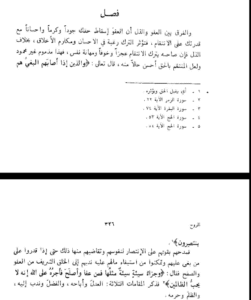
الفرق بين العفو والذلِّ: أن العفوَ إسقاط حقِّك جُودًا وكرمًا وإحسانًا، مع قدرتك على الانتقام، فتؤثر الترك رغبةً في الإحسان ومكارم الأخلاق، بخلاف الذل، فإن صاحبه يترك الانتقام عجزًا وخوفًا ومهانة نفس، فهذا مذموم غير محمود، ولعل المنتقمَ بالحق أحسنُ حالًا منه
The difference between pardon and humiliation is that pardoning (others) is forgoing your right out of generosity, kindness, and benevolence, despite having the ability to seek revenge. So, you give precedence to abandoning (retaliation) out of a desire for doing good and noble character, as opposed to humiliation because the humiliated one abandons revenge due to inability, fear, and a sense of personal degradation. This is considered blameworthy and not praiseworthy. It may be that the one who seeks revenge justly is in a better situation than him.
A paraphrased excerpt from “Ar-Ruh” page 325″. Publisher: Dar Kutub Ilmiyyah 1st Edition 1982.



Donate
Related Posts
Follow Us
Share
Related Posts
Donate to the Dawah in Manchester

Join the Umrah Trip