A Brief Reflection From Al-Ahzab 39 and Al Ma’idah 54

In The Name of Allah, The Most Merciful, The Bestower of Mercy.

Allah, The Exalted, said:

الَّذِينَ يُبَلِّغُونَ رِسَالاتِ اللَّهِ وَيَخْشَوْنَهُ وَلا يَخْشَوْنَ أَحَداً إِلاَّ اللَّهَ وَكَفَى بِاللَّهِ حَسِيباً

Those who convey the Message of Allah and fear Him, and fear none save Allah. And Sufficient is Allah as a Reckoner. [Al-Ahzab. 39]

“Those who convey the Message of Allah” – Meaning, they propagate Allah’s Ayaat (verses, signs lessons, commands, and prohibitions), His proofs, and evidences to His servants. They call them to Allah’s path, they fear Allah alone without ascribing partners to Him, and they fear none except Allah. [1] “And Sufficient is Allah as a Reckoner”- Meaning: Preserve (and record) the deeds of His creation and will recompense them. [2]


In Surah Al-Ma’idah Ayah 54, Allah said about the true believers:

يُجَٰهِدُونَ فِى سَبِيلِ ٱللَّهِ وَلَا يَخَافُونَ لَوْمَةَ لَآئِمٍ ذَٰلِكَ فَضْلُ ٱللَّهِ يُؤْتِيهِ مَن يَشَآءُ وَٱللَّهُ وَٰسِعٌ عَلِيمٌ

They strive in the Way of Allah, and are never afraid of the blame of the blamers.

Meaning, they strive in the path of Allah with their wealth, lives, statements and actions. They do not fear the blame of the blamer, rather, they give precedence to their Lord’s Pleasure and the fear of His blame over the blame of the people. [NB: Must read “Footnote a” about Jihad in our era] This shows the strength of their resolve and determination, as the one whose heart is weak is weak in his resolve, which falters in the face of the blame of the blamers, and his strength diminishes when criticised by the critics. [3]

Imam Ibn Al-Qayyim, may Allah have mercy upon him, said:

There are three people in relation to this matter: The first person is one hindered from what Allah loves due to fear of blame. The second manifests their love for what Allah loves, regardless of the blame of the blamers. The third conceals his deed that may attract blame to fulfil what is beloved to Allah. So, the first person is excessively negligent, the third person is a weak believer, and the second person is in the best position, and he is a strong believer. A strong believer is more virtuous and beloved to Allah than a weak believer. The highest type of love for Allah and His Messenger is found in striving in the path of Allah despite the numerous blamers since many souls dislike being in this situation. [4]

Al-Allamah Abdur Rahman Bin Yahyah Al-Mu’allimee, may Allah have mercy upon him, said:

When the Christians initially exaggerated the status of Isa, peace be upon him, the extremists began to accuse anyone who rebuked them of harboring animosity towards Isa and diminishing his status. Thus this became the greatest means for the proliferation of extremism, as those who adhered to the truth saw that rebuking the extremists would lead to accusations of a more detestable nature, such as hating and belittling Isa, as well as being hated by the majority and subjected to harm. This held them back from rebuking the extremists, allowing shaytan to operate without restraint. The circumstances surrounding the extremists among the Rawafid, grave worshippers, and advocates of blind adherence in the religion bear a striking resemblance to this scenario. [5]

Al-Allamah Ibn Aqeel, may Allah have mercy upon him, said:

If the truthful ones were to keep silent and the falsifiers speak, the creation would relinquish what they have witnessed (of truth) and reject what they have not witnessed. So when the devout ones desire to revive the Sunnah, the people would reject it and think that it is Bidah. [6]

Jihad in our times: https://abukhadeejah.com/salafi-shaikh-fawzaan-on-jihaad-in-our-times-and-the-guidelines-of-jihaad-according-to-islam/
—————————————–


[1] An Excerpt from Tafsir As-Sadi

[2] An Excerpt from Tafsir Al-Baghawi

[3] An Excerpt from “Tafsir as-Sadi”

[4] An Eccerpt from Badaa’i at-Tafsir Al-Jaami Limaa Fassarahu Al-Imaam Ibn Al-Qayyim 1/324

[5]at-Tankil Bimaa Fee Ta’neeb Al-Kawtharee Minal Abaateel. 1/80

[6] Shifaa As-Sudur Fee Ziyaarah Al- Mashahid Wal-Qubur. page 148


Some Timeless and Precise Principles, Robust Admonitions: By Imam Ibn al-Qayyim, al-Allamah Muqbil bin Hadi, al-Allamah Rabee, and Shaikh Abdus Salam Burjess

In The Name of Allah, The Most Merciful, The Bestower of Mercy.

Imam Ibn Al-Qayyim, may Allah have mercy upon him, said:

فمن هداه اللهُ سُبحانَه إلى الأخذِ بالحقِّ حيثُ كان، ومع مَن كان، ولو كان مع من يُبغِضُه ويُعاديه، وردِّ الباطِلِ مع من كان، ولو كان مع مَن يحِبُّه ويُواليه؛ فهو ممَّن هُدِيَ لِما اختُلِفَ فيه من الحَقِّ

(الصواعق المرسلة)) (2/516

Whoever Allah—Glorified be He, free from all imperfections—guides to embrace (accept, uphold, etc) the truth, no matter where it comes from and with whomever it maybe, even if it is with someone he hates and (shows) enmity, and he rejects falsehood, no matter with whomever it may be, even if it is with someone he loves and allies with,  he is from those who have been guided to the truth regarding matters on which (people) differ. [1]

Al-Allamah Muqbil Bin Hadi Al-Wadi’ee, may Allah have mercy upon him, said:

What I advise the brothers is that they are eager for the texts of the Qur’an and Sunnah. (As for) an issue about which there is no proof, there is no harm that we return to the statements of the Imams and utilise it as support. [2]

He said:

“Call to the Book and the Sunnah. Do not call to personalities, for indeed personalities are not safe from Fitna”. [3]

He said:

“All the Muslims – Arabs, non-Arabs, white and black, it is incumbent to be one Jama’ah. [4]

He said:

“O Ahlus Sunnah! The society is under your care and it is your responsibility to rebut every Rafidi and falsifier. [5]

He said:

“The Dawah will not be properly grounded (or established) except through al-jarḥ wa al-ta’deel”. [6]

He said:

“If Allah shows you the truth, do not be bothered even if opposed, and be gentle with other scholars. As for the one whose conduct is conspicuously (blameworthy) every day, his condition must be clarified”. [7]

Some Timeless Robust Principles And Admonitions By Al-Allamah Rabee, may Allah have mercy upon him

Al-Allamah Rabee Bin Hadi Al-Mad’khali, may Allah have mercy upon him, said:

The seeker of truth is not diverted from the truth, fairness and justice due to admiration of the big personalities and being amazed by them, for indeed the truth is more worthy to be followed. It is not permissible to drop the proofs for the sake of this or that great man. The principle [rule] of the Muslim – the unbiased one, the seeker of truth – is always:

قُلْ هَاتُوا بُرْهَانَكُمْ إِن كُنتُمْ صَادِقِينَ

Say, bring forth your proofs if you are truthful. [An-Nahl. 64] [8]

He said:

It is incumbent upon the people of truth to have patience and deepen their commitment to this religion of truth. In times when frivolous desires are prevalent, it is essential to enhance one’s understanding of the truth and to remain steadfast in following it, as the Messenger, peace and blessings of Allah be upon him, said: “The one who lives long amongst you will see a lot of differences, so upon you is that you follow my Sunnah and the Sunnah of the rightly guided khulafa. Bite onto it with your molar teeth (i.e. hold onto it firmly) and beware of newly invented matters (in the religion), for every newly invented matter (in the religion) is innovation in religion and every innovation in religion is misguidance’” [8.1]

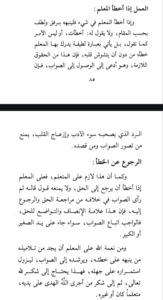
The Arabic text below is a statement of Shaikh Abdus Salam Burjess, may Allah have mercy upon him, in Awa’iq at-Talab pages 85-86.

The Shaikh said that when a teacher errs regarding something, the student should deal with him gently according to the circumstances and should not say to him, “You have made an error” or “The matter is not as you say”, rather, he should use kind expressions through which the teacher realises his mistake without unsettling his heart, for this is from the rights that are owed to the teacher…. refutation that is accompanied with bad manners and distressing the person’s heart prevents understanding of what is right…

And just as this is obligated to a student of knowledge when dealing with the teacher, it is also incumbent upon the teacher to return to the truth when he errs. He is not to be prevented from returning to the truth after reviewing a statement he made and finds that it is in opposition to what is correct, for indeed that is a sign of equity and humbling oneself to the truth. Therefore, it is obligatory that one follows what is correct, whether it was conveyed by a younger or older person.

And it is a blessing upon a teacher that he has amongst his students one who notifies him of his mistake and leads him to what is correct, so that he does not persist upon that ignorance. This requires that one shows gratitude to Allah, The Most High, and then being thankful to the person through whom one was guided, whether it was a student or other than him.  (Paraphrased)

https://x.com/i/status/2010036458296619316

Reflections on some statements of Al-Allamah Rabee Bin Hadi Al-Mad’khali [77 of 80]

Shaikh Abdus Salaam Burgess, may Allah have mercy upon him, said:


[1] s-Sawaa’iq Al-Mursalah 2/516 Paraphrased

[2]Al-Basha’ir Fis Samaa Al-Mubashir” page 13 with introduction by Shaikh Muhammad Ibn Abdil Wahhab Al-Wassaabee, rahimahullah

[3] Basha’ir page 12

[4] Basha’ir Page 14

[5] Basha’ir Page 14

[6] Basha’ir Page 17

[7] Al-Basha’ir 25

[8] Al-Mulakh-khas Al-Jameel Fee Bayaan Manhaj Ash-Shaikh Rabee Fid-Da’wati Wal-Jarhi Wat-Ta’deel. Page 87

[8.1] Majmu 14/294

The Path to Honour: Contemplating Revelation and Following the Prophetic Example

In The Name of Allah, The Most Merciful, The Bestower of Mercy.

Studying the Prophet’s biography and reading it strengthens believer’s certainty, steadfastness and perseverance upon the religion ordained by Allah. It makes the believer’s heart honourable due to Islam, Islamic monotheism, the knowledge and awareness of Allah in his heart, his belief in Muhammad, peace and blessings of Allah be upon him, and what Allah revealed to His Messengers. Allah said:

وَلِلَّهِ الْعِزَّةُ وَلِرَسُولِهِ وَلِلْمُؤْمِنِينَ

But honour, power and glory belong to Allah, His Messenger (Muhammad), and to the believers]. [Al-Munaafiqun.  8]

These are from the many benefits that every believer benefits from by studying the biography of The Chosen One (المصطفى). [1]

Indeed, one of the greatest blessings (bestowed) on a believer – leading to guidance and righteous deeds – is that Allah, The Mighty and Majestic, facilitates for him the path to seeking knowledge, grants him an ardent zeal and eagerness for knowledge. Seeking knowledge is something one never feels that he has acquired enough, rather whenever a path to knowledge is made available, he pursues it.

Allah protects the student of knowledge, guides and aids him, therefore it is incumbent upon a student of knowledge to exalt turning to Allah (in submission, obedience etc) and that what he learns should be a proof for him and not against him, and that Allah increases him in knowledge, facilitates him with the path to good and guidance.

“Whoever follows a path in search of knowledge Allah will make easy for a him a path to paradise”.

One of the noblest aspects of knowledge – a matter that occupies a mighty station- is to pay close attention to the characteristics of the Prophet, his specific qualities and deeds through by which Allah distinguished him from everyone amongst humankind, his manners, etiquettes and biography. This is because he is the greatest Imam and the perfect example. Indeed, Allah, The Mighty and Majestic, commanded us to follow his example, made him an Imam and example for us. Allah, The Mighty and Majestic, said:

لَّقَدۡ كَانَ لَكُمۡ فِى رَسُولِ ٱللَّهِ أُسۡوَةٌ حَسَنَةٌ۬ لِّمَن كَانَ يَرۡجُواْ ٱللَّهَ وَٱلۡيَوۡمَ ٱلۡأَخِرَ وَذَكَرَ ٱللَّهَ كَثِيرً۬ا

Indeed in the Messenger of Allah (Muhammad) you have a good example to follow for him who hopes in (the Meeting with) Allah and the Last Day and remembers Allah much. [Al-Ahzab 21]

This noble verse – as the people of knowledge have stated – is a basis to established the fact that the Prophe, peace and blessings of Allah be upon him, is to be emulated; (but) emulating him cannot be fulfilled except through acquainting oneself with his characteristics, his qualities in general, his specific qualities and deeds through which Allah distinguished him from everyone amongst humankind, and (acquaintance with) his manners and etiquettes. The one who is unacquainted with the Prophet’s characteristics and manners will not be able to emulate him, and this is why the scholars have written beneficial books regarding his characteristics and qualities.

The manners and qualities of the Prophet are a means of calling inviting to this mighty religion. Indeed, many people- during his era and thereafter – have been guided through their acquaintance with his manners and qualities. One used to come to him while harbouring the most intense hatred towards him, but after meeting him and (observing) his great etiquettes, noble manners, lofty dealings and benevolence, the person would depart while loving him more than everyone else on the face of the earth. Therefore, his characteristics are a means to calling to this religion- an intrument for the one inviting the people in the path of Allah.

Speaking about his qualities, emulating him and calling others to emulate him strengthens the religion of Islam, because he was the one whom Allah appointed to convey and explain the religion to humankind. Allah chose him and he is the best of all the slaves of Allah- the greatest in his servitude to Allah. Calling the people to emulate his qualities is a means to calling people to believe in the religion ordained by Allah and a means to strengthening the belief of the one who has already believed in his Messenger-ship. This is why turning away from his Seerah has been the cause of people’s inclination towards the path of losers amongst men and women [i.e. those upon a path other than the path of Allah].

As for the biographies of the Imams of Guidance- the greatest of them being the Messenger, they are (also) a means of rectifying the person and safety from corruption and evil. On the other hand, the biography of the losers is a path that will lead to evil, ruin and corruption. Allah, The Mighty and Majestic, said:

قَدۡ كَانَتۡ ءَايَـٰتِى تُتۡلَىٰ عَلَيۡكُمۡ فَكُنتُمۡ عَلَىٰٓ أَعۡقَـٰبِكُمۡ تَنكِصُونَ
مُسۡتَكۡبِرِينَ بِهِۦ سَـٰمِرً۬ا تَهۡجُرُونَ
أَفَلَمْ يَدَّبَّرُوا الْقَوْلَ أَمْ جَاءَهُم مَّا لَمْ يَأْتِ آبَاءَهُمُ الْأَوَّلِينَ
أَمْ لَمْ يَعْرِفُوا رَسُولَهُمْ فَهُمْ لَهُ مُنكِرُونَ

Indeed, My Verses used to be recited to you, but you used to turn back on your heels [denying them, and with hatred to listen to them]. In pride [they Quraish pagans and polytheists of Makkah used to feel proud that they are the dwellers of Makkah sanctuary Haram], talking evil about it [the Qur’an] by night. Have they not pondered over the Word [of Allaah, i.e. what is sent down to the Prophet], or has there come to them what had not come to their fathers of old? Or is it that they did not recognize their Messenger [Muhammad] so they deny him? [i.e. this is a rebuke against them because all of them – young and old – knew his lineage, truthfulness and trustworthiness, yet they turned away from his message]. [Al-Muminun. 66-69]

This shows that contemplating the Qur’an, acquainting oneself with the Messenger’s guidance and biography is a path leading to safety, and a safeguard against turning back on one’s heels. On the contrary, abandoning the Seerah of the Prophet and inclining towards the Seerah of the losers will lead to ruin.

The people became corrupted – in this era – after being put to trial through movies and films, but had they turned to the biographies of the Prophets and the noble companions of the Prophet Muhammad, they would have found guidance and a path leading to steadfastness. [2]


[1] An Excerpt from “Silsila al-Muhādarāt al-ilmiyyah 4/506-507 By Shaikh Salih Aala Ash-Shaikh – may Allah preserve him.

[2]An Excerpt from: “Sharh Al-Mukhtasar Fee Sifatus An-Nabi Wa Akhlaqihi. Audio Lesson 1 By Shaikh Abdur Razaaq Al-Badr – may Allah preserve him.

Wholehearted Supplications: Some Lessons For An Upright Caller to Allah

In The Name of Allāh, The Most Merciful, The Bestower of Mercy.

After Allāh, The Most High, appointed Musa, peace be upon him, and showed him magnificent signs, he was sent to Fir’awn – the king of Misr. Allāh, The Most High, said to Musa:

ٱذۡهَبۡ إِلَىٰ فِرۡعَوۡنَ إِنَّهُ ۥ طَغَىٰ

Go to Fir’aun (Pharaoh)! Verily, he has transgressed all bounds.

Meaning: Fir’awn has rebelled and transgressed all the limits in disbelief and corruption. He has become haughty in the earth, overpowered the weak, claimed Ar-Rububiyyah [Lordship for himself] and al-Uluhiyyah [that he deserves to be worshipped]. This transgression of his was the cause of his destruction, but due to Allah’s Perfect Mercy, Wisdom and Justice, He does not punish anyone until after establishing the proof by sending Messengers.

Musa, peace be upon him, knew that he was going to shoulder a great responsibility because he was going to be sent to an obstinate and arrogant dictator, who had no opponent in Misr -amongst the people- to oppose him. He was by himself after killing someone [unintentionally]; but after Allah commanded him to go to Fir’awn, he obeyed Allah’s command, accepted it wholeheartedly, asked Allah for assistance and to facilitate him with the ability to (fulfil the task).  Allah said that Musa said:

رَبِّ ٱشۡرَحۡ لِى صَدۡرِى

O my Lord! My expand my heart.

Meaning: Grant me self-confidence and courage so that I can bear both verbal and physical harm, and so that I neither grieve nor become fed up due such harm, for indeed a person with an aggrieved heart is not fit to guide and invite the people to (Allah’s guidance).

وَيَسِّرۡ لِىٓ أَمۡرِى

And ease my task for me.

Meaning: Grant me ease in every affair I pursue and every path I intend to follow, whilst calling to your guidance; and lighten the difficulties in front of me. The caller is granted ease when he approaches all affairs in the appropriate manner; addresses every person based on what they should be addressed with, and calls them through a path that is easier for them to understand, which will enable them to accept his speech.

وَٱحۡلُلۡ عُقۡدَةً۬ مِّن لِّسَانِى

And make loose the knot (the defect) from my tongue, (i.e. remove the incorrectness from my speech) [That occurred as a result of a brand of fire which Musa (Moses) put in his mouth when he was an infant].

يَفۡقَهُواْ قَوۡلِى

That they understand my speech.

Musa used to suffer from a speech impediment and it was difficult to understand his speech as the Mufassiroon have stated, just as Allah says in another verse that Musa said:

وَأَخِى هَـٰرُونُ هُوَ أَفۡصَحُ مِنِّى لِسَانً۬ا

And my brother Haaroon (Aaron) he is more eloquent in speech than me.

He asked Allah to remove the speech impediment so that what he says can be understood and the people he speaks to can clearly grasp what is intended by his speech.

وَٱجۡعَل لِّى وَزِيرً۬ا مِّنۡ أَهۡلِى

And appoint for me a helper from my family,

هَـٰرُونَ أَخِى

Harun (Aaron), my brother,

 ٱشۡدُدۡ بِهِۦۤ أَزۡرِى

Increase my strength with him.

Meaning: to be my helper and my assistant in delivering the message to those whom you have sent me to deliver your message, as Allah said in another verse:

سَنَشُدُّ عَضُدَكَ بِأَخِيكَ وَنَجۡعَلُ لَكُمَا سُلۡطَـٰنً۬ا

We will strengthen your arm through your brother, and give you both power.

وَأَشۡرِكۡهُ فِىٓ أَمۡرِى

And let him share my task.

Meaning: Grant him prophet-hood and make him a Messenger, just as you have made me a Prophet and a Messenger.

Then Allah informs us of the benefit Musa was seeking by asking for such favours, which is:

كَىۡ نُسَبِّحَكَ كَثِيرً۬ا

That we may glorify You much.

وَنَذۡكُرَكَ كَثِيرًا

And remember You much.

Musa knew that acts of worship and the religion revolves around remembrance of Allah, thus he asked Allah to make his brother a partner in that – aiding and helping one another in righteousness and piety; to remember Allah profusely by way of Tasbeeh [i.e. Subhanallah], Tahleel [i.e. laa ilaaha illal laah] and other types of worship.

إِنَّكَ كُنتَ بِنَا بَصِيرً۬ا

Verily! You are of us Ever a Well-Seer.

Meaning: You know our situation and weaknesses; what we can and cannot do, and our complete need of You in every affair. You see our affair more than us [i.e. you see everything and nothing escapes your sight] and you are more Merciful to us than we have for ourselves; therefore bestow upon us what we have asked You and respond to our supplication.

After he made these supplications and requests, Allah said to him:

قَدۡ أُوتِيتَ سُؤۡلَكَ يَـٰمُوسَىٰ

You are granted your request, O Musa (Moses).

Meaning: I will grant you everything you’ve asked. I will grant you courage, make your task easy and remove the speech impediment from your tongue, so that your speech is understood; and I will make your brother -Hurun – your helper. Allah said in another verse:

وَنَجۡعَلُ لَكُمَا سُلۡطَـٰنً۬ا فَلَا يَصِلُونَ إِلَيۡكُمَا‌ۚ بِـَٔايَـٰتِنَآ أَنتُمَا وَمَنِ ٱتَّبَعَكُمَا ٱلۡغَـٰلِبُونَ

And give you both power, so they shall not be able to harm you, with Our Ayat (proofs, evidences, verses, lessons, signs, revelations, etc.), you two as well as those who follow you will be the victors.

These requests made by Musa show his perfect knowledge and awareness of Allāh, his perfect discernment, perfect knowledge about affairs and perfect sincerity. This is because the caller to the path of Allah- the one who guides the people, especially if the one being invited to the path of Allah is from the obstinate and haughty ones, and transgressors- is need of a courageous heart and complete forbearance, in order to bear the harm he might come across. He is in need of clear speech, in order to be able to express himself to the one he intends and wishes to address. Rather, a person in such a situation needs clear eloquent speech in order to present the truth in a proficient manner, beautify it as much as he is able and make it appealing to the people.

On the other hand, he shows the ugliness of falsehood, so as to repel people from it. Besides this, the caller is in need of being granted ease in his task by approaching affairs in the proper manner – calling to the path of Allah with wisdom, fine admonition and arguing in the best way. He should deal with every person whilst taking into consideration the situation of each person he addresses.

This matter becomes more accomplished when the caller has helpers and assistants, who will help him to reach this goal because when many people speak, it will have an effect and that is why Musa made those requests. If you examine the situation of the prophets – those sent to the people- you will discover this affair, especially the seal and most virtuous amongst them, Muhammad, peace and blessings of Allāh be upon him because he was at the highest peak in every perfect and good human characteristic. He had a courageous heart and was facilitated with the means of calling to Allah. His speech was eloquent – with fine expression and explanation- and he had companions who aided him to convey the truth, and (besides the Prophets and Messengers) none can ever excel those companions of Muhammad after their departure from this world. [1]

Imam Ibn Qayyim, may Allāh have mercy upon him, said:

A man asked Imam Ash-Shaafi’ee, may Allāh have mercy upon him, saying: “What would be better that one is granted strength and the authority to establish the path of Allah and His Messengers without any hindrance from those who belie or oppose Allah and His Messengers, or face trials (at first)?” Ash- Shaafi’ee said to him, “One will not be given strength and the authority to follow the path of Allah without any hindrance from those who belie or oppose Allah and His Messengers until after facing trials; for indeed Allah tried Nuh, Ibrahim, Musa, Eesa and Muhammad; then after they exercised patience, they were granted authority and strength to establish the path of Allah without hindrance”. Therefore, one should never think that he will escape pain. This is a great principle, thus, it is obligated to a sane person to be acquainted with it. Everyone will face afflictions, for indeed a person is a social being who must live with people; the people have wants (or desires, wishes etc) and perceptions, and will seek to make him agree with them. If he disagrees with them, they harm and punish him; but if he agrees with them, sometimes they harm him and at other times he is harmed by others.

Allah said:

فَٱصۡبِرۡ إِنَّ وَعۡدَ ٱللَّهِ حَقٌّ۬‌ۖ وَلَا يَسۡتَخِفَّنَّكَ ٱلَّذِينَ لَا يُوقِنُونَ

And let not those who have no certainty of faith, discourage you from conveying Allah’s Message (which you are obliged to convey)]. [Surah Ar-Rum’ 60]

Unlike the person upon certainty, the person who has no certainty in faith (or lacks certainty) does not remain firm, rather he acts carelessly, whereas certainty is the firm Iman in the heart based on knowledge and action. It may be that a person has sound knowledge but does not exercise patience during calamities; rather he is swayed by emotion.

Al-Hasan Al-Basri, may Allāh have mercy upon him, said:

If you wish to see someone with insight but has no patience, you will see him; and if you wish to see someone who has patience but not insight, you will see him; but if you see a person who has insight as well as patience, he is the one that Allah mentions in the verse:

وَجَعَلۡنَا مِنۡہُمۡ أَٮِٕمَّةً۬ يَہۡدُونَ بِأَمۡرِنَا لَمَّا صَبَرُواْ‌ۖ وَڪَانُواْ بِـَٔايَـٰتِنَا يُوقِنُونَ

And We made from among them (Children of Israel), leaders, giving guidance under Our Command, when they were patient and used to believe with certainty in Our Ayat (proofs, evidences, verses, lessons, signs, revelations, etc.)]. [As-Sajdah’ 24] [2]

Imam As-Sadi said about this verse (Ar-Rum 60): [فَٱصۡبِرۡ – So be patient]: Meaning, upon that which you have been commanded and in calling them to the (path of) Allah; even if you see them turning away that should not turn you away from the call.

إِنَّ وَعۡدَ ٱللَّهِ حَقٌّ۬‌ۖ

Indeed, the promise of Allah is true.

Meaning, there is no doubt about that. This is from that which aids a person to exercise patience because when a servant (of Allāh) know that his deeds will not be in vain and will find a full reward for it (in the afterlife), then what he faces of hardship will become minor, and it will become much easy for him to bear every difficulty.

وَلَا يَسۡتَخِفَّنَّكَ ٱلَّذِينَ لَا يُوقِنُونَ

And let not those who have no certainty of faith, discourage you.

Meaning, their Iman is weak and their certainty is little, so their forbearance becomes lacking as result and their patience is little.

So, beware – out of fear – of being discouraged by these people because unless you are not careful about their affair, they will discourage you and lead you to not being firm in holding fast to the commands and prohibitions, and the soul may assist them in this affair, seek to be similar and to be in agreement with them. [3]

We ask Allāh:

اللَّهمَّ إنِّي أسألُكَ الثَّباتَ في الأمرِ والعزيمةَ على الرُّشدِ

O Allah! I ask You for firmness in this matter and determination to adhere to the path of guidance. [4]


[1] An Excerpt from ‘Tayseer al-Kareem Ar-Rahmaan Fee Tafseer kalam al-Mannaan’. explanation of Verses 24-36 Surah Taha). Slightly paraphrased

[2] An Excerpt from ‘Al-Fawaa’id’ pages 293-300. slightly paraphrased

[3] An Excerpt from ‘Tayseer al-Kareem Ar-Rahmaan Fee Tafseer kalam al-Mannaan’.

[4] Declared Saheeh Li-Ghayrihee By Imaam Al-Albaanee in Takhreej Mishkaat Al-Masaabeeh 915

Three Roots of All Evil and Three Foundations of All Good

In The Name of Allah, The Most Merciful, The Bestower of Mercy.

Imam Ibn Al-Qayyim, may Allah have mercy upon him, said:

The basis of all sins – major and minor – are three: the heart’s attachment to other than Allaah, going along with the intense strength of one’s anger and the intense urge of one’s desires. These three affairs constitute shirk, injustice and indecency. Shirk and invoking other than Allaah is the ultimate affair related to the heart’s attachment to other than Allaah, murder is the ultimate affair related to going along with one’s intense anger and fornication is the ultimate affair related to going along with the intense urge of one’s desires. And because of this, Allah mentioned the three together in the verse:

وَٱلَّذِينَ لَا يَدۡعُونَ مَعَ ٱللَّهِ إِلَـٰهًا ءَاخَرَ وَلَا يَقۡتُلُونَ ٱلنَّفۡسَ ٱلَّتِى حَرَّمَ ٱللَّهُ إِلَّا بِٱلۡحَقِّ وَلَا يَزۡنُونَ

And those who invoke not any other ilah (god) along with Allah, nor kill such life as Allah has forbidden, except for just cause, nor commit illegal sexual intercourse. [Al-Furqan. 68]

These three invite to one another – Shirk leads to injustice and indecency, just as Tawheed and Ikhlas turns a person away from them. Allah, The Most High, said:

ڪَذَٲلِكَ لِنَصۡرِفَ عَنۡهُ ٱلسُّوٓءَ وَٱلۡفَحۡشَآءَ‌ۚ إِنَّهُ ۥ مِنۡ عِبَادِنَا ٱلۡمُخۡلَصِينَ

Thus it was, that We might turn away from him (Yusuf) evil and indecency. Surely, he was one of Our chosen, guided slaves. [Yusuf. 24]

Meaning: turned him away from infatuation and illegal sexual intercourse.

Similarly, injustice leads to Shirk and indecency, because Shirk is the greatest injustice, just as Tawheed is the greatest justice. Justice is a companion of Tawheed and injustice is a companion of Shirk, and this is why Allah mentioned both together.

As for Tawheed and justice, Allah said:

شَهِدَ ٱللَّهُ أَنَّهُ ۥ لَآ إِلَـٰهَ إِلَّا هُوَ وَٱلۡمَلَـٰٓٮِٕكَةُ وَأُوْلُواْ ٱلۡعِلۡمِ قَآٮِٕمَۢا بِٱلۡقِسۡطِ

Allah bears witness that Laa ilaaha illaa Huwa (none has the right to be worshipped but He), and the angels, and those having knowledge (also give this witness); (He is always) maintaining His creation in Justice]. [Aal Imran. 18]

As for injustice and Shirk, Allah said:

إِنَّ ٱلشِّرۡكَ لَظُلۡمٌ عَظِيمٌ۬

Verily, Shirk is great injustice. [Luqmaan. 13]

Indecency leads to shirk and injustice, especially when there is a strong desire which cannot be reached except through some type of injustice, such as seeking help through magic and shaytan. And indeed Allah mentioned both fornication and Shirk together in the verse:

ٱلزَّانِى لَا يَنكِحُ إِلَّا زَانِيَةً أَوۡ مُشۡرِكَةً۬ وَٱلزَّانِيَةُ لَا يَنكِحُهَآ إِلَّا زَانٍ أَوۡ مُشۡرِكٌ۬‌ۚ وَحُرِّمَ ذَٲلِكَ عَلَى ٱلۡمُؤۡمِنِينَ

The adulterer marries not but an adulteress, or a female polytheist and the adulteress none marries her except an adulterer or a male polytheist [and that means that the man who agrees to marry (have a sexual relation with) a female polytheist, pagan or idolatress) or a prostitute, then surely he is either an adulterer, or a polytheist)]. And the woman who agrees to marry (have a sexual relation with) a male polytheist or an adulterer, then she is either a prostitute or a female polytheist)]. Such a thing is forbidden to the believers [of Islamic Monotheism]. [An-Noor. 3]

These three [Shirk, indecency and injustice] can either be the cause of one another or lead to one another. And this is why whenever Tawheed in the heart is weaker and the Shirk in it is greater, it commits more indecency, becomes stronger in its attachment to images and infatuated with them. And what is similar to this is the statement of Allah:

فَمَآ أُوتِيتُم مِّن شَىۡءٍ۬ فَمَتَـٰعُ ٱلۡحَيَوٰةِ ٱلدُّنۡيَا‌ۖ وَمَا عِندَ ٱللَّهِ خَيۡرٌ۬ وَأَبۡقَىٰ لِلَّذِينَ ءَامَنُواْ وَعَلَىٰ رَبِّہِمۡ يَتَوَكَّلُونَ

وَٱلَّذِينَ يَجۡتَنِبُونَ كَبَـٰٓٮِٕرَ ٱلۡإِثۡمِ وَٱلۡفَوَٲحِشَ وَإِذَا مَا غَضِبُواْ هُمۡ يَغۡفِرُونَ

So whatever you have been given is but a passing enjoyment for this worldly life, but that which is with Allah (Paradise) is better and more lasting for those who believe (in the Oneness of Allah Islamic Monotheism) and put their trust in their Lord (concerning all of their affairs). And those who avoid the greater sins and indecency, and when they are angry, they forgive. [Ash-Shuraa. 36-37]

Allah informed us that what He has with Him is better for the one who believes in Him and relies upon him, and that is Tawheed. Then Allah said:

وَٱلَّذِينَ يَجۡتَنِبُونَ كَبَـٰٓٮِٕرَ ٱلۡإِثۡمِ وَٱلۡفَوَٲحِشَ

And those who avoid the greater sins and indecency.

Meaning, avoid the intense urge towards lowly desires. Then Allah said:

وَإِذَا مَا غَضِبُواْ هُمۡ يَغۡفِرُونَ

And when they are angry, they pardon.

This opposes the intense strength of anger.

Therefore, Allah mentioned Tawheed, pardon and justice together, and they are that which gathers every good.

An Excerpt from Al-Fawaa’id 131-132

[11] The Self-Evident and Irresistible Nature of Pure Islamic Monotheism

In The Name of Allah, The Most Merciful, The Bestower of Mercy.

Allah, The Most High, said:

يَا أَيُّهَا النَّاسُ ضُرِبَ مَثَلٌ فَاسْتَمِعُوا لَهُ ۚ إِنَّ الَّذِينَ تَدْعُونَ مِن دُونِ اللَّهِ لَن يَخْلُقُوا ذُبَابًا وَلَوِ اجْتَمَعُوا لَهُ ۖ وَإِن يَسْلُبْهُمُ الذُّبَابُ شَيْئًا لَّا يَسْتَنقِذُوهُ مِنْهُ ۚ ضَعُفَ الطَّالِبُ وَالْمَطْلُوبُ

مَا قَدَرُوا اللَّهَ حَقَّ قَدْرِهِ ۗ إِنَّ اللَّهَ لَقَوِيٌّ عَزِيزٌ

O mankind! A similitude has been coined, so listen to it (carefully): Verily! Those on whom you call besides Allah, cannot create (even) a fly, even though they combine together for the purpose. And if the fly snatched away a thing from them, they would have no power to release it from the fly. So weak are (both) the seeker and the sought. They have not estimated Allah His Rightful Estimate; Verily, Allah is All-Strong, All-Mighty. [Hajj: Ayah: 73-74]

Imam Ibn Al-Qayyim, may Allah have mercy upon him, said:

It is incumbent upon a servant (of Allah) to pay attention to this parable with his heart and reflect upon it properly because it upriots the desire for shirk.

The gods worshipped by the idolaters cannot create even a fly, even if they all come to together to create it, then how about what is greater than it?  They are neither able to create a fly which is one of the weakest animals, nor are they able to gain the upper hand against it to recover what it took away from them. There is nothing more disabled and feeble than them, so how can a sensible person deem it good to worship idols (or the things worshipped by the idolaters).

This verse nullifies shirk and shows the ignorance of its people. It is a testimony that Satan plays about with them more than kids play with a ball due to the fact that they assign Godhood to images and statues that are deprived of the ability to create the most insignificant creature of the True God, even if they gathered and supported one another to do so, whereas Godhood necessitates having absolute power over all the existence, absolute knowledge of all sources of knowledge, having no need of all the creation, [while the creation is completely dependent] upon the Lord for their needs, for relief, (to remove their) distress and anxiety, and (respond to their( invocations.

An Excerpt from Bada’i at-Tafsir Al-Jami Limaa Fassarahu Al-Imam Ibn Al-Qayyim Al-Jawziyyah: 2/221-222

Only interested in clarity and proof

In The Name of Allah, The Most Merciful, The Bestower of Mercy.

Imam Al-Bukhari, may Allah have mercy upon him, said: Chapter: “Avoiding the use of tricks. And everybody will get the reward according to his intention in Imaan (belief) and other than it”.

Umar Ibn Al-Khattab, may Allah be pleased with him, said that the Prophet, peace and blessings of Allah be upon him, said:

“The reward of deeds depends upon the intentions, and every person will get the reward according to what he intended. So, whoever emigrates for Allaah and His Messenger, then his emigration will be for Allaah and His Messenger, and whoever emigrates to take a worldly benefit or for a woman to marry, then his emigration will be for what he emigrated for”. [Al-Bukhari 6953]

Imam Abdul Azeez Bin Baaz, may Allah have mercy upon him, said:

“Trickery has no place in Ibaadaat or Mu’aamalaat. Thus, it is incumbent to approach matters through the appropriate places”. [1]

Shaikh Al-Islam Ibn Taymiyyah, may Allah have mercy upon him, said:

It is incumbent that the expression conveys the intended meaning through the appropriate terminology. Should the term be explicit or evident, the objective is achieved. However, if the term possesses dual interpretations-one valid and the other erroneous – the intended meaning must be clarified. In instances where the term suggests a flawed interpretation, it should only be employed with an explanation that mitigates any potential misunderstanding.

Furthermore, if the term may mislead certain listeners into grasping an incorrect meaning, it should not be used if it is known to carry such implications, as the primary aim of communication is clarity and understanding. If the term accurately reflects the intended meaning but some individuals remain unaware of its significance without any negligence on the speaker’s part, the responsibility lies with the listener, not the speaker”. [2]

Imam Ibn Al-Qayyim, may Allah have mercy upon him, said:

If the speaker falls short in his clarification and addresses the listener with vague terms that may encompass various interpretations, and the listener remains uncertain of the intended meaning; if this arises from the speaker’s inability, the listener is given from the speaker’s inability rather than his intent. If the speaker possesses the ability and he does not do so while it is obligated to him to do so, he gives the listener from his evil intent”. [3]

Shaikh Al-Islam Ibn Taymiyyah, may Allah have mercy upon him, said:

Truth is determined by its alignment with evidence, regardless of the number of supporters or detractors. It is not the truth that is measured by individuals; rather, individuals are measured by the truth. The mere aversion of those who disagree or the affection of those who agree does not indicate the validity or invalidity of a statement”. [4]

Imam Muhammad Ibn Salih al-Uthaymin, may Allah have mercy upon him, said:

Every individual among people may have their statements accepted or rejected, except for the Messenger, peace and blessings of Allah be upon him, due to affirmation of infallibility of the one who legislates. In contrast, others may possess deficiencies in knowledge and understanding that necessitate the evaluation of their statements against the Shariah”. [5]

Imam Ibn Al-Qayyim, may Allah have mercy upon him, said:

It is incumbent upon you to give detail and make a distinction, because unrestricted and general (statements) without clarification has indeed corrupted this existence (i.e. the world), and misguided the intellects and views in every era”.

Al-Allamah Salih Al-Fawzan, may Allah preserve him, commented:

There has to be a detailed explanation. The one who is not proficient in giving detail should keep quiet, because benefit is not acquired from his speech. And every time an error occurs, its cause is due to an absence of detailed explanation regarding truth and falsehood. There has to be detailed explanation and distinction and not to mix up.

Indeed, it may be that there is something of truth and falsehood in an opponent’s statement, so, all of it is neither deemed to be false nor truth; rather there has to be a distinction between its truth and falsehood. All of it is neither rejected nor accepted; rather a distinction is made regarding the truth and what is correct and the falsehood and error in it. And if you are not proficient in giving detail, then you should not enter into this field. [6]


[1]: An Excerpt from “Al-Hulalul Ibreeziyyah Min Ta’leeqaat Al-Baaziyyah Alaa Saheeh Al-Bukhaari’ 4/353. footnote 1”

[2] Ar-Radd Alaa Al-Bakri 702-703

[3] As-Sawaa’iq Al-Mussalah 2/503

[4] Naqd Al-Mantiq 263 by Shaikh Al-Islam Ibn Taymiyyah, may Allah have mercy upon him.

[5] Al-Qawa’id Al-Muthlaa page 86 by Imam Muhammad Ibn Salih al-Uthaymin, may Allah have mercy upon him.

[6] An Excerpt from at-Ta’liqat Al-Mukhtasar Alaa Al-Qasidah An-Nuniyyah: 1/216. This Faa’idah was shared with us by Ustadh Abu Tasneem [Mushaf Al-Banghali – may Allah preserve him and his loved ones], mentioning to us that he read this from Al-Allamah Ubaid Ibn Abdillah Al-Jabiri, may Allah have mercy upon him, in one of his clarifications regarding some of the ambiguities of Dr Ibrahim Ar-Ruhayli, may Allah rectify his affair Amin.

Glad Tidings at the Beginning of the Pursuit of Knowledge, But Must Be Extremely Cautious of Self-Deception

In The Name of Allah, The Most Merciful, The Bestower of Mercy.

Al-Allamah Rabee Bin Haadi Al-Mad’khali, may Allah have mercy upon him, said:

When you embark on the path in pursuit of knowledge- seeking (sound) understanding and acting upon it, this indeed is one of the signs that Allah wishes good for you. Therefore, receive glad tidings, have good thoughts about Allah and be sincere to Allah, The Blessed and Most High, in your statements, deeds and knowledge. Neither be deceived – we seek Allah’s Refuge from self-deception – nor feel safe from Allah’s plan.

فَلَا يَأۡمَنُ مَڪۡرَ ٱللَّهِ إِلَّا ٱلۡقَوۡمُ ٱلۡخَـٰسِرُونَ

None feels secure from the Plan of Allah except the people who are the losers. [Al-A’raf. 99]

A believer always fears that his situation will change. It has been reported from Aa’isha and Anas, may Allaah pleased with them, that the Messenger, peace and blessings of Allah be upon him, often (supplicated):

يَا مُقَلِّبَ الْقُلُوبِ ثَبِّتْ قَلْبِى عَلَى دِينِكَ

O turner of the hearts (Allah)! Keep my heart firm upon your religion”.

I [i.e. Aa’isha or Anas] asked: “O Allah’s Messenger! We believe in you and what has been revealed to you, so do you fear for us?” He said, “Yes, indeed the hearts are between two fingers among the fingers of Allaah and He turns them how He pleases”.

By Allah! This is (true) understanding – that a person does not feel safe about himself, for indeed Satan flows through the human being like blood. (a) Therefore, a person should guard his heart, intellect and deeds ardently more than the (manner in which) he guards his wealth and honour. Whoever is given authority to look after his own affairs, it is obligated on him to guard his heart before everything else.

رَبَّنَا لَا تُزِغْ قُلُوبَنَا بَعْدَ إِذْ هَدَيْتَنَا وَهَبْ لَنَا مِن لَّدُنكَ رَحْمَةً ۚ إِنَّكَ أَنتَ الْوَهَّابُ

Our Lord! Let not our hearts deviate (from the truth) after You have guided us, and grant us mercy from You. Truly, You are the Bestower. [Aal Imraan’ Aayah 8] [An Excerpt from Marhaban Yaa Talib Al-Ilm’ pages 75-76. slightly paraphrased ]

The Shaikh, may Allah have mercy upon him, also said:

I warn my brothers against the Fitan and that they turn to Allah to keep them steadfast upon the religion. They should supplicate a lot:

رَبَّنَا لَا تُزِغْ قُلُوبَنَا بَعْدَ إِذْ هَدَيْتَنَا وَهَبْ لَنَا مِن لَّدُنكَ رَحْمَةً ۚ إِنَّكَ أَنتَ الْوَهَّابُ

Our Lord! Let not our hearts deviate (from the truth) after You have guided us, and grant us mercy from You. Truly, You are the Bestower]. [Aal Imraan 8]

They should make this tremendous supplication often and the supplication which Allah’s Messenger used to make often. Anas said that Allaah’s Messenger used to say a lot, “O Turner of the hearts, keep my heart firm upon your religion”. So the companions said, “O Allah’s Messenger! Do you fear for us?” He said, “Yes, indeed the hearts are between two fingers from the fingers of Allah, and He turns them however He wills”.

Therefore, the believer does not feel secure from Allaah’s plan.

فَلَا يَأۡمَنُ مَڪۡرَ ٱللَّهِ إِلَّا ٱلۡقَوۡمُ ٱلۡخَـٰسِرُونَ

None feels secure from the Plan of Allah except the people who are the losers]. [Al-A’raf 99]

The believer always fears Allah – fears that Allah may not accept his deeds and he is not deceived by hope [i.e. hoping while not striving sincerely]. The spending carried out in the path of Allah and the strenuous effort made through acts of obedience to Allah is nothing in the eyes of the truthful believer, for they are not equal to the smallest blessing amongst the (uncountable) blessings of Allah. Allah’s Messenger said, “Glorified be You (O Allaah) and free are You from all imperfections! I cannot fully praise you, for you are as you have praised yourself”. [Sahih Muslim 486]

This was Muhammad, peace and blessings of Allah be upon him, the one whose past and future sins were forgiven, but he feared Allah the most. He said: “I swear by Allah that I am the most fearful of Allaah and the most conscious of Him than you”. He used to stand for so long that his feet became swollen. Aiashah said, “O Allah’s Messenger! Why are you doing this when Allaah has forgiven your past and future sins?” He said, “Should I not be a thankful slave?” [An Excerpt from Marhaban Yaa Talib Al-Ilm. Pages 204-205. Slightly paraphrased]

————–

a: Al-Bukhaari 2039

Deviation from Upright Conduct and Deviation Related to Knowledge and Creed: Requires Prolonged, Constant, and Attentive Reflection

In The Name of Allaah, The Most Merciful, The Bestower of Mercy.

الغي والضلال يجمعان جميع السيئات.

الغي والضلال يجمعان جميع السيئات

Al-Ghay: [to deviate from upright conduct] and Ad-Dalal: [misguidance related to knowledge and creed] combine all evils

Al-Allamah Rabee Bin Haadi Al-Mad’khali [may Allaah protect him] stated:

All Praise be to Allaah, Lord of the entire existence, and prayers and peace be upon the most honorable of the prophets and messengers, our Prophet Muhammad, and upon his family and companions. To proceed:

Presented to all Muslims is this [الكلام الرائع – wonderful, remarkable, speech] of Shaikh Al-Islam Ibn Taymiyyah, may Allah have mercy upon him, in which he spoke about the danger of Hasad (envy), and the danger of Ghay and Dalal, and that they combine all evils. Therefore, it is incumbent upon all to [مراقبة الله – i.e. to recall the fact that Allah sees us, knows everything about us at all times, knows everything in our souls etc], strive to correct our beliefs and purify our hearts from envy, arrogance, transgression and all kinds of sins, especially major sins. Here is the speech of this Imam, who, may Allah have mercy upon him, stated in his treatise (titled) at-Tawbah (repentance) pages 236-238:

Indeed, Allah commanded His believing servants to supplicate to Him in every prayer with His statement:

ٱهۡدِنَا ٱلصِّرَٲطَ ٱلۡمُسۡتَقِيمَ
صِرَٲطَ ٱلَّذِينَ أَنۡعَمۡتَ عَلَيۡهِمۡ غَيۡرِ ٱلۡمَغۡضُوبِ عَلَيۡهِمۡ وَلَا ٱلضَّآلِّينَ

Guide us to the straight path (of beneficial knowledge coupled with righteous action); the path of those (Prophets and their truthful, righteous followers) upon whom You have bestowed favour, not of those who earn Your anger (by not acting upon what they know) and nor of the astray (who act without knowledge). [Al-Faatihah. 6-7] [Noblequran-Shaikh Abu Iyaad]

And for this reason, Allah freed His Prophet from these two (i.e. Ghay and Dalal), saying:

وَٱلنَّجۡمِ إِذَا هَوَىٰ
مَا ضَلَّ صَاحِبُكُمۡ وَمَا غَوَىٰ
وَمَا يَنطِقُ عَنِ ٱلۡهَوَىٰٓ
إِنۡ هُوَ إِلَّا وَحۡىٌ۬ يُوحَىٰ

By the (phenomenon) of the star when it descends (and vanishes with the appearance of dawn). Your companion-(O Pagans of Quraysh)—has not erred (in the knowledge he has been given) nor has he erred (in his sincerity of purpose). Nor does he speak out of the desire (of his own soul) (and forge revelation thereby). It is nothing but revelation revealed to him (containing guidance, rectitude and piety which he follows). [Surah An-Najm. Aayaat 1-4] [NobleQuran -Shaikh Abu Iyaad]

[الضال – The misguided one]:

He is the one that does not know the truth, but rather thinks that he is upon the truth while he is ignorant of it, as is the case regarding what the Christians are upon. Allaah [The Exalted] said:

وَلَا تَتَّبِعُوا أَهْوَاءَ قَوْمٍ قَدْ ضَلُّوا مِنْ قَبْلُ وَأَضَلُّوا كَثِيرًا وَضَلُّوا عَنْ سَوَاءِ السَّبِيلِ

And do not follow the inclinations of a people who had gone astray before and misled many and have strayed from the soundness of the way. [Al-Ma’idah. 77]

And [الغاوي – the one who deviates from upright conduct] follows his whims and desires even though he knows that this is contrary to the truth, as is the case regarding what the Yahud are upon. Allah, The Most High, said:

سَأَصْرِفُ عَنْ آيَاتِيَ الَّذِينَ يَتَكَبَّرُونَ فِي الْأَرْضِ بِغَيْرِ الْحَقِّ وَإِنْ يَرَوْا كُلَّ آيَةٍ لَا يُؤْمِنُوا بِهَا وَإِنْ يَرَوْا سَبِيلَ الرُّشْدِ لَا يَتَّخِذُوهُ سَبِيلًا وَإِنْ يَرَوْا سَبِيلَ الْغَيِّ يَتَّخِذُوهُ سَبِيلًا ذَلِكَ بِأَنَّهُمْ كَذَّبُوا بِآيَاتِنَا وَكَانُوا عَنْهَا غَافِلِينَ

I shall turn away from My Ayat (verses of the Quran) those who behave arrogantly on the earth, without a right, and (even) if they see all the Signs, they will not believe in them. And if they see the way of righteousness (monotheism, piety, and good deeds), they will not adopt it as the Way, but if they see the way of error (polytheism, crimes and evil deeds), they will adopt that way, that is because they have rejected Our Signs and were heedless (to learn a lesson) from them. [Al-A’raf. 146]

Allah, The Most High, said:

وَاتْلُ عَلَيْهِمْ نَبَأَ الَّذِي آتَيْنَاهُ آيَاتِنَا فَانْسَلَخَ مِنْهَا فَأَتْبَعَهُ الشَّيْطَانُ فَكَانَ مِنَ الْغَاوِينَ
وَلَوْ شِئْنَا لَرَفَعْنَاهُ بِهَا وَلَكِنَّهُ أَخْلَدَ إِلَى الْأَرْضِ وَاتَّبَعَ هَوَاهُ فَمَثَلُهُ كَمَثَلِ الْكَلْبِ إِنْ تَحْمِلْ عَلَيْهِ يَلْهَثْ أَوْ تَتْرُكْهُ يَلْهَثْ

And recite (O Muhammad) to them the story of him to whom We gave Our Signs, but he threw them away, so Shaitan (Satan) followed him up, and he became of those who went astray. nd had We willed, We would surely have elevated him therewith but he clung to the earth and followed his own vain desire. So his description is the description of a dog: if you drive him away, he lolls his tongue out, or if you leave him alone, he (still) lolls his tongue out. [Al-A’raf. 175-176]

And in a hadith, the Prophet, peace and blessings of Allah be upon him, said:

“Indeed, what I fear most for you is the desires of the stomachs and privates parts that deviates a person from upright conduct, and the misleading trials”.

That is because indeed Ghay and Dalal combine all the evils of the children of Adam, because the human being is as Allah stated:

وَحَمَلَهَا الْإِنْسَانُ إِنَّهُ كَانَ ظَلُومًا جَهُولً

But man bore it. Verily, he was unjust (to himself) and ignorant (of its results)] [Al-Ahzab. 72]

So, through his wrongdoing, he becomes one who deviates from upright conduct, and through his ignorance, he becomes a misguided one. And often he combines both these two, this, he is misguided in one thing, and deviated from upright conduct in another thing, because he is unjust and ignorant, and each of the two sins succeed one another, as Allah said:

فِي قُلُوبِهِمْ مَرَضٌ فَزَادَهُمُ اللَّهُ مَرَضًا

In their hearts is a disease (of doubt, disbelief and hypocrisy), so Allāh increased their disease (by subjecting them to trials in which they preferred disbelief)]. [Al-Baqarah. 10] [NobleQuran-Shaikh Abu Iyaad]

And as Allah said:

فَلَمَّا زَاغُوا أَزَاغَ اللَّهُ قُلُوبَهُمْ

So when they turned away (from the Path of Allah), Allah turned their hearts away (from the Right Path)]. [As-Saff. 5]

Just as a believer is rewarded for a good deed with another good deed; if he acts according to his knowledge, Allah grants him knowledge he did not know; and if does a good deed, it invites him to another good deed. Allah, The Most High, said:

وَالَّذِينَ اهْتَدَوْا زَادَهُمْ هُدًى وَآتَاهُمْ تَقْوَاهُمْ

While as for those who accept guidance, He increases their guidance, and bestows on them their piety.[Muhammad 17]

Allah, The Most High, said:

وَيَزِيدُ اللَّهُ الَّذِينَ اهْتَدَوْا هُدًى

And Allah increases in guidance those who walk aright [true believers in the Oneness of Allah who fear Allah much (abstain from all kinds of sins and evil deeds which He has forbidden), and love Allah much (perform all kinds of good deeds which He has ordained). [Maryam. 76]

Allah, The Most High, said:

وَالَّذِينَ جَاهَدُوا فِينَا لَنَهْدِيَنَّهُمْ سُبُلَنَا

As for those who strive hard in Us (Our Cause), We will surely guide them to Our Paths (i.e. Allah’s Religion – Islamic Monotheism). [Al-Ankabut. 69]

Allah, The Most High, said:

وَلَوْ أَنَّهُمْ فَعَلُوا مَا يُوعَظُونَ بِهِ لَكَانَ خَيْرًا لَهُمْ وَأَشَدَّ تَثْبِيتًا
وَإِذًا لَآتَيْنَاهُمْ مِنْ لَدُنَّا أَجْرًا عَظِيمًا
وَلَهَدَيْنَاهُمْ صِرَاطًا مُسْتَقِيمًا

And if We had ordered them (saying), “Kill yourselves (i.e. the innocent ones kill the guilty ones) or leave your homes,” very few of them would have done it; but if they had done what they were told, it would have been better for them, and would have strengthened their (Faith); ad indeed We should then have bestowed upon them a great reward from Ourselves. And indeed We should have guided them to a Straight Way. [An-Nisaa. 66-68]

Allah, The Most High, said:

يَا أَيُّهَا الَّذِينَ آمَنُوا اتَّقُوا اللَّهَ وَآمِنُوا بِرَسُولِهِ يُؤْتِكُمْ كِفْلَيْنِ مِنْ رَحْمَتِهِ وَيَجْعَلْ لَكُمْ نُورًا تَمْشُونَ بِهِ وَيَغْفِرْ لَكُمْ وَاللَّهُ غَفُورٌ رَحِيمٌ
لِئَلَّا يَعْلَمَ أَهْلُ الْكِتَابِ أَلَّا يَقْدِرُونَ عَلَى شَيْءٍ مِنْ فَضْلِ اللَّهِ وَأَنَّ الْفَضْلَ بِيَدِ اللَّهِ يُؤْتِيهِ مَنْ يَشَاءُ وَاللَّهُ ذُو الْفَضْلِ الْعَظِيمِ

O you who believe [in Musa (Moses) (i.e. Jews) and ‘Iesa (Jesus) (i.e. Christians)]! Fear Allah, and believe too in His Messenger (Muhammad ), He will give you a double portion of His Mercy, and He will give you a light by which you shall walk (straight), and He will forgive you. And Allah is Oft-Forgiving, Most Merciful. So that the people of the Scripture may know that they have no power whatsoever over the Grace of Allah, and that (His) Grace is (entirely) in His Hand to bestow it on whomsoever He wills. And Allah is the Owner of Great Bounty. [Al-Hadid. 28-29]

And he [i.e. the Prophet (may peace and blessings of Allah be upon him)] mentioned the desires of the stomachs and private parts that deviates a person from upright conduct as reported in the Sahih:

“Whoever can guarantee (the chastity of) what is between his two jaw-bones and what is between his two legs (i.e. his tongue and his private parts), I guarantee Paradise for him.” [Al-Bukhari 6474]

The common people know that this is a sin, but they commit it in pursuit of their desires. As for the misleading trials, if a servant of Allah is tempted, he will stray from the path ordained by Allah, while thinking that he is guided, as Allah stated:

وَمَنْ يَعْشُ عَنْ ذِكْرِ الرَّحْمَنِ نُقَيِّضْ لَهُ شَيْطَانًا فَهُوَ لَهُ قَرِينٌ
وَإِنَّهُمْ لَيَصُدُّونَهُمْ عَنِ السَّبِيلِ وَيَحْسَبُونَ أَنَّهُمْ مُهْتَدُونَ

And whosoever turns away (blinds himself) from the remembrance of the Most Beneficent (Allah) (i.e. this Qur’an and worship of Allah), We appoint for him Shaitan (Satan – devil) to be a Qarin (an intimate companion) to him. And verily, they (Satans / devils) hinder them from the Path (of Allah), but they think that they are guided aright! [Az-Zukhruf. 36-37]

Allah said:

أَفَمَنْ زُيِّنَ لَهُ سُوءُ عَمَلِهِ فَرَآهُ حَسَنًا فَإِنَّ اللَّهَ يُضِلُّ مَنْ يَشَاءُ وَيَهْدِي مَنْ يَشَاءُ

Is he, then, to whom the evil of his deeds made fair-seeming, so that he considers it as good (equal to one who is rightly guided)? Verily, Allah sends astray whom He wills, and guides whom He wills. [Fatir. 8]

Allah said:

وَكَذَلِكَ زُيِّنَ لِفِرْعَوْنَ سُوءُ عَمَلِهِ وَصُدَّ عَنِ السَّبِيلِ وَمَا كَيْدُ فِرْعَوْنَ إِلَّا فِي تَبَابٍ

Thus it was made fair-seeming, in Fir’aun’s (Pharaoh) eyes, the evil of his deeds, and he was hindered from the (Right) Path, and the plot of Fir’aun (Pharaoh) led to nothing but loss and destruction (for him). [Ghafir. 37]

Allah said:

قُلْ هَلْ نُنَبِّئُكُمْ بِالْأَخْسَرِينَ أَعْمَالً
الَّذِينَ ضَلَّ سَعْيُهُمْ فِي الْحَيَاةِ الدُّنْيَا وَهُمْ يَحْسَبُونَ أَنَّهُمْ يُحْسِنُونَ صُنْعًا

Say (O Muhammad): “Shall We tell you the greatest losers in respect of (their) deeds? Those whose efforts have been wasted in this life while they thought that they were acquiring good by their deeds! [Al-Kahf. 103-104]

And due to this, the companions of the Prophet, may peace and blessings of Allah be upon him, interpreted this verse (and applied it) to those devoted in worship based on other than Allah’s Shariah with which He sent His Messenger, such as the idolaters, the people of the Scripture like the monks and the people of desires from this Ummah (of Muhammad), such as the Kharijites whom the Prophet, peace and blessings of Allah be upon him, commanded that they should be fought against, saying:

“One of you will belittle his prayer compared to their prayer, his fast compared to their fast, and his recitation compared with their recitation. They will recite the Qur’an but it does not go beyond their throats, they pass through Islam as an arrow goes through the game’s body. Kill them wherever you meet them (i.e. when they initiate bloodshed), for indeed in killing them there is a reward from Allaah – on the Day of Resurrection – for those who killed them”. [Footnote a]

This is because these people exited the Sunnah of Allah’s Messenger and the Jamaa’ah of Muslims to the point that those who opposed them – such as Uthmaan, Ali and the rest of the believers who ruled over them – were declared disbelievers, and they declared it lawful to kill Muslims and confiscate their wealth, as the Prophet said about them:

“They will kill the adherents to Allah and leave the idol worshippers”. [Must read about Jihad in Footnote b]

And if the desires that deviates a person from upright conduct combines with misleading trials, the affliction becomes severe and the one upon this path becomes one who earns Allah’s Anger – an astray person. This often occurs because of the love of leadership and self-exaltation in earth, as was the case of Pharaoh. Allah, The Most High. said:

إِنَّ فِرْعَوْنَ عَلَا فِي الْأَرْضِ وَجَعَلَ أَهْلَهَا شِيَعًا يَسْتَضْعِفُ طَائِفَةً مِنْهُمْ يُذَبِّحُ أَبْنَاءَهُمْ وَيَسْتَحْيِي نِسَاءَهُمْ إِنَّهُ كَانَ مِنَ الْمُفْسِدِينَ

Verily, Fir’aun (Pharaoh) exalted himself in the land and made its people sects, weakening (oppressing) a group (i.e. Children of Israel) among them, killing their sons, and letting their females live. Verily, he was of the Mufsidun (i.e. those who commit great sins and crimes, oppressors, tyrants, etc.). [Al-Qasas. 4]

So, Allah described him as one who exalted himself in the earth and caused corruption. Allah stated in the end of Surah:

تِلْكَ الدَّارُ الْآخِرَةُ نَجْعَلُهَا لِلَّذِينَ لَا يُرِيدُونَ عُلُوًّا فِي الْأَرْضِ وَلَا فَسَادًا وَالْعَاقِبَةُ لِلْمُتَّقِينَ

That home of the Hereafter (i.e. Paradise), We shall assign to those who rebel not against the truth with pride and oppression in the land nor do mischief by committing crimes. And the good end is for the Muttaqun (pious). [Al-Qasas. 83]

This is why Allah stated about Fir’awn’s affair in particular:

وَكَذَلِكَ زُيِّنَ لِفِرْعَوْنَ سُوءُ عَمَلِهِ

Thus it was made fair-seeming, in Fir’aun’s (Pharaoh) eyes, the evil of his deeds. [Ghafir. 37]

And that is because love of the leadership is a hidden lust, as Shaddad Bin Aws, may Allah be pleased with him, said:

“O Arabs! What I fear for you the most is Riyaa and hidden lust”. It was said to Abu Dawud As-Sijistani: “What is hidden lust?” He said, “Love of the leadership”.

Your love for a thing blinds and deafens (i.e. one neither sees the truth nor listens to truth), thus, the love for that will beautify for him what he loves of self-exaltation and hatred against its opposite, until haughtiness and pride are combined in the affair, and envy, which is to harbour hatred against Allah’s blessing bestowed on His servants, especially those who oppose Him. Pride and envy are two diseases that destroyed the early and latter generations, and they are the greatest sins through which Allah was first disobeyed, because Iblees became arrogant towards Adam and envied him. Similarly, the son of Adam, who killed his brother, envied his brother, and that is why arrogance contradicts Islam just as polytheism contradict Islam, because Islam is submission to Allah alone. Whoever submits to Allah, and to others (in worship) is a polytheist, and whoever does not submit is an arrogant person, like the case of Pharaoh and the chiefs of his (kingdom). This is why Musa said:

وَأَنْ لَا تَعْلُوا عَلَى اللَّهِ إِنِّي آتِيكُمْ بِسُلْطَانٍ مُبِينٍ

And exalt not (yourselves) against Allah. Truly, I have come to you with a manifest authority. [Ad-Dukhan. 19]

Allah stated about Fir’awn:

وَاسْتَكْبَرَ هُوَ وَجُنُودُهُ فِي الْأَرْضِ بِغَيْرِ الْحَقِّ وَظَنُّوا أَنَّهُمْ إِلَيْنَا لَا يُرْجَعُونَ

And he and his hosts were arrogant in the land, without right, and they thought that they would never return to Us.(Surah Al-Qasas. Aayah 39)]

Allah said:

وَجَحَدُوا بِهَا وَاسْتَيْقَنَتْهَا أَنْفُسُهُمْ ظُلْمًا وَعُلُوًّا فَانْظُرْ كَيْفَ كَانَ عَاقِبَةُ الْمُفْسِدِينَ

And they belied them (those Ayat) wrongfully and arrogantly, though their ownselves were convinced thereof [i.e. those (Ayat) are from Allah, and Musa (Moses) is the Messenger of Allah in truth, but they disliked to obey Musa (Moses), and hated to believe in his Message of Monotheism]. So see what was the end of the Mufsidun (disbelievers, disobedient to Allah, evil-doers, liars.). [An-Naml. 14]

And whoever submits himself to Allah as a Hanif (i.e. one who worships Allaah alone), he is a Muslim who is adhering to the religion of Abrahim, about whom Allah said to him, “Submit”, he said, “I have submitted to the Lord of the worlds”. And this Islam is the religion of the first and the last of the prophets and their followers, as Allah described – in his book – Nuh, Ibrahim, Musa, Yusuf, Sulayman and others amongst the Prophets, such as the statement of Musa to his people:

إِنْ كُنْتُمْ آمَنْتُمْ بِاللَّهِ فَعَلَيْهِ تَوَكَّلُوا إِنْ كُنْتُمْ مُسْلِمِينَ

If you have believed in Allah, then put your trust in Him if you are Muslims (those who submit to Allah’s Will). [Yunus. 84]

Allah said:

إِنَّا أَنْزَلْنَا التَّوْرَاةَ فِيهَا هُدًى وَنُورٌ يَحْكُمُ بِهَا النَّبِيُّونَ الَّذِينَ أَسْلَمُوا لِلَّذِينَ هَادُوا

Verily, We did send down the Taurat (Torah) [to Musa (Moses)], therein was guidance and light, by which the Prophets, who submitted themselves to Allah’s Will, judged the Jews. [Al-Ma’idah. 44]

Nuh said:

فَإِنْ تَوَلَّيْتُمْ فَمَا سَأَلْتُكُمْ مِنْ أَجْرٍ إِنْ أَجْرِيَ إِلَّا عَلَى اللَّهِ وَأُمِرْتُ أَنْ أَكُونَ مِنَ الْمُسْلِمِينَ

But if you turn away [from accepting my doctrine of Islamic Monotheism, i.e. to worship none but Allah], then no reward have I asked of you, my reward is only from Allah, and I have been commanded to be one of the Muslims (those who submit to Allah’s Will). [Yunus. 72]

Yusuf said:

تَوَفَّنِي مُسْلِمًا وَأَلْحِقْنِي بِالصَّالِحِينَ

Cause me to die as a Muslim (the one submitting to Your Will), and join me with the righteous. [Yusuf. 101]

Bilqees said:

وَأَسْلَمْتُ مَعَ سُلَيْمَانَ لِلَّهِ رَبِّ الْعَالَمِينَ

And I submit (in Islam, together with Sulaiman (Solomon), to Allah, the Lord of the ‘Alamin (mankind, jinns and all that exists). [An-Naml. 44]

And deviating from upright conduct is not limited to the desires of the stomach and the private parts only, rather it related to desires of the stomach, the private parts, the desires of leadership, pride, self-exaltation and other than that. He (i.e. the person) is following his desires, even if he does not believe that it is a desire; (but) he is not like the misguided one, because he (i.e. the misguided one) thinks that he is doing well, and that is why Iblees was the first of those who deviated from upright conduct, as Allah said:

فَبِمَا أَغْوَيْتَنِي لَأَقْعُدَنَّ لَهُمْ صِرَاطَكَ الْمُسْتَقِيمَ
ثُمَّ لَآتِيَنَّهُمْ مِنْ بَيْنِ أَيْدِيهِمْ وَمِنْ خَلْفِهِمْ وَعَنْ أَيْمَانِهِمْ وَعَنْ شَمَائِلِهِمْ وَلَا تَجِدُ أَكْثَرَهُمْ شَاكِرِينَ

Because You have sent me astray, surely I will sit in wait against them (human beings) on Your Straight Path. Then I will come to them from before them and behind them, from their right and from their left, and You will not find most of them as thankful ones (i.e. they will not be dutiful to You). [Al-A’raf. 16-17]

رَبِّ بِمَا أَغْوَيْتَنِي لَأُزَيِّنَنَّ لَهُمْ فِي الْأَرْضِ وَلَأُغْوِيَنَّهُمْ أَجْمَعِينَ
إِلَّا عِبَادَكَ مِنْهُمُ الْمُخْلَصِينَ

O my Lord! Because you misled me, I shall indeed adorn the path of error for them (mankind) on the earth, and I shall mislead them all. Except Your chosen, (guided) slaves among them. [Al-Hijr. 39-40]

Allah said:

وَيَوْمَ يُنَادِيهِمْ فَيَقُولُ أَيْنَ شُرَكَائِيَ الَّذِينَ كُنْتُمْ تَزْعُمُونَ
قَالَ الَّذِينَ حَقَّ عَلَيْهِمُ الْقَوْلُ رَبَّنَا هَؤُلَاءِ الَّذِينَ أَغْوَيْنَا أَغْوَيْنَاهُمْ كَمَا غَوَيْنَا تَبَرَّأْنَا إِلَيْكَ مَا كَانُوا إِيَّانَا يَعْبُدُونَ

And (remember) the Day when He will call to them, and say: “Where are My (so-called) partners whom you used to assert?” Those about whom the Word will have come true (to be punished) will say: “Our Lord! These are they whom we led astray. We led them astray, as we were astray ourselves. We declare our innocence (from them) before You. It was not us they worshipped.” [Al-Qasas. 62-63]

Allah said:

فَكُبْكِبُوا فِيهَا هُمْ وَالْغَاوُونَ
وَجُنُودُ إِبْلِيسَ أَجْمَعُونَ

Then they will be thrown on their faces into the (Fire), They and the Ghawun (devils, and those who were in error). And the whole hosts of Iblis (Satan) together. [Ash-Shu’araa 94-95]

That which is in the hadith, “What I fear for this Ummah of deviation from upright conduct”, is tantamount to deviation through desires of the stomach and private parts, but as for the deviation from upright conduct that is tantamount to arrogantly turning away from truth, this is the origin of unbelief, and the person upon this path is not from this Ummah, such as Iblees, Pharaoh and others. As for deviation from upright conduct through by desires of the stomachs and the private parts, this can happen to the people of faith, then they repent, as Allah said:

وَعَصَى آدَمُ رَبَّهُ فَغَوَى
ثُمَّ اجْتَبَاهُ رَبُّهُ فَتَابَ عَلَيْهِ وَهَدَى

Thus did Adam disobey his Lord, so he went astray. Then his Lord chose him, and turned to him with forgiveness, and gave him guidance. [Taa Haa. 121-122]

And in the Sunan and Al-Musnad from the hadith of Laith bin Sa’d on the authority of Yazid bin Al-Haad on the authority of Amr on the authority of Abu Saeed Al-Khudri who said: I heard Allaah’s Messenger (saying):

Indeed, Iblis said to his Lord, The Mighty and Majestic, “By Your Might and Majesty, I will not cease to deceive the children of Adam as long as the souls are in them (i.e. as long as they are alive)”. His Lord, The Mighty and Sublime, said to him, “By my Might and Majesty, I will not cease to forgive them as long as they ask forgiveness from me”.

May Allah have mercy on Shaikh Al- Islam Ibn Taymiyyah, and I ask Allah that this article will benefit all Muslims, especially students of knowledge. May Allah bless and bestow peace upon our Prophet Muhammad, his family and companions.

Written by
Rabee Bin Haadi Omair Al-Madkhali
On 28/8/1432 AH

Paraphrased:

الغي والضلال يجمعان جميع السيئات.

——————————————————-

Footnote a:

[26] Notification to Ahlul Bidah and The Mumayyi’ah: These Clarifications Are Coming Back!

Footnote b:

Salafi Shaikh Fawzaan on Jihad in our times and the guidelines of Jihad according to Islam

https://www.shariah.ws/articles/duviqgl-shaykh-salih-al-fawzan-the-islamic-shariah-provides-security–for-muslims-and-non-muslims-and-those-who-violate-it-are-kh257rijites-who-are-to-be-fought-and-severely-punished.cfm

https://www.shariah.ws/articles/szsumlh-the-foundation-of-muslim-relations-with-non-muslims-who-do-not-show-aggression-and-hostility.cfm

https://www.shariah.ws/articles/nmsdfkp-islam-and-the-muslims-are-free-and-innocent-of-the-kharijite-extremists.cfm

Gentleness and Harshness in Religious Guidance — The People of Knowledge

In The Name of Allah, The Most Merciful, The Bestower of Mercy.

Imam Muhammad Ibn Abdul Wahhab, may Allah have mercy upon him, stated in Al-Usul ath-Thalatha:

“I’lam, Rahimakallaah – Know, may Allah have mercy upon you”.

Shaikh Abdur Razzaq Al-Badr, may Allah preserve him, said:

In the beginning of all the three principles, Imam Muhammad Ibn Abdil Wahhab, may Allah have mercy upon him, started by supplicating for the learner.

In the first principle, he said:

اعلم رحمك الله

Know, may Allah have mercy upon you.

In the second principle, he said:

اعلم رحمك الله

Know, may Allah have mercy upon.

In the third principle, he began by saying:

اعلم ارشدك الله لطاعته

Know, may Allah guide you to His obedience.

Beginning with the word اعلم in this treatise and in his other treatises is employed when discussing important and great subjects, and due to this, you find that in the Qur’an, this word اعلم is mentioned in the great subjects and important commandments, such as the statement of Allah:

فَٱعۡلَمۡ أَنَّهُ ۥ لَآ إِلَـٰهَ إِلَّا ٱللَّهُ

So know (O Muhammad) that Laa ilaaha ill-Allah (none has the right to be worshipped but Allah).

In the Qur’an, there are over 30 verses with this word mentioned in connection with Allah’s Names and Attributes, or in the affirmation of Tawhid and other important and great subjects. It is a word that is mentioned so that the reader’s or listener’s attention is captured.

Also supplicating for others is a sign of sincere advice and it is the path of the sincere advisers, for indeed the sincere adviser combines – for the one who is being advised – beneficial, gentle clarification and sincere supplication. He teaches him in a beneficia, gentle manner and supplicates for him while hoping that Allah benefits him through this knowledge. This is a matter that must be given importance – that a scholar, the one who nurtures others, an admonisher or a khateeb supplicates for the people, that Allah benefits, guides and shows them mercy. This supplication emanates from the mercy in the adviser’s heart, the eagerness in his heart and great desire that Allah benefits those who are being advised or called to Islam.

Sometimes the word رحمة is mentioned on its own and sometimes it is mentioned alongside المغفرة. When they are mentioned together, Al-Maghfirah means forgiveness of one’s previous sins in the past, and Rahma means asking Allah to protect, aid, forgive and guide a person towards righteous deeds and statements. And if one of them is mentioned alone, the meaning of the other is included in it. [1]

Al-Allamah Salih Al-Fawzan, may Allah preserve him, said:

Rahimakallaah” is a supplication made for the student of knowledge. The Shaikh (Imam Muhammad ibn Abdul Wahhab) supplicates for Allah’s Mercy upon the students of knowledge, that Allah has mercy upon them. Therefore, in this there is gentleness from the teacher towards the student.

Indeed, he begins with a good statement and a righteous supplication so that it has an effect and thereby making the student incline towards his teacher with acceptance. But if he begins with a harsh statement or a statement that is not deemed appropriate, this would make him flee.

Therefore, it is obligated to a teacher and the one who calls to (the path of) Allah, and the one who enjoins good and forbids evil, that he is gentle with the one he addresses – through supplication for him, commendation and soft speech, because this urges towards acceptance. However, as for the stubborn wilful, opposer, this one is to be addressed differently. Allah said:

وَلَا تُجَـٰدِلُوٓاْ أَهۡلَ ٱلۡڪِتَـٰبِ إِلَّا بِٱلَّتِى هِىَ أَحۡسَنُ إِلَّا ٱلَّذِينَ ظَلَمُواْ مِنۡهُمۡ‌ۖ

And argue not with the people of the Scripture unless it be in a way that is better, except with such of them as do wrong]. [29:46]

Those who do wrong among the people of the scripture- wilfully opposing and are haughty- are not addressed with what is better; rather they are addressed with what would prevent from their (harm and misguidance). Allah said:

يَـٰٓأَيُّہَا ٱلنَّبِىُّ جَـٰهِدِ ٱلۡڪُفَّارَ وَٱلۡمُنَـٰفِقِينَ وَٱغۡلُظۡ عَلَيۡہِمۡ‌ۚ وَمَأۡوَٮٰهُمۡ جَهَنَّمُ‌ۖ وَبِئۡسَ ٱلۡمَصِيرُ

O Prophet (Muhammad)! Strive hard against the disbelievers and the hypocrites, and be harsh against them, their abode is Hell,-and worst indeed is that destination]. [9:73]

Striving against the hypocrites is not carried out with weapons, rather it is carried out with proofs, statements, refutation against them with harshness that will prevent (them from propagating their misguidance and harm) and to keep the people away from them. Allah said about them: [وَقُل لَّهُمۡ فِىٓ أَنفُسِہِمۡ قَوۡلاَۢ بَلِيغً۬ا – But admonish them, and speak to them an effective word to reach their innerselves] [4:63]

Therefore, there is a specific type of speech that is prescribed for these people because they are wilful opposers and people afflicted with pride. They do not want the truth, rather they want to misguide the people. So, they are addressed in a way they deserve. As for the seeker of guidance, this one is addressed with gentleness and mercy. This is because he wants the truth, knowledge and something beneficial. [2]

Allamah Rabee Bin Hadi Al-Mad’khali, may Allah have mercy upon him, was asked?

When should we employ gentleness and when should we employ harshness in Dawah to the path of Allah, and in (our) dealings with the people?

Response: The initial approach (or the basis) with regards to Dawah is gentleness, softness, and wisdom. This is the basis (or initial approach) regarding it. May Allah bless you, however, if you find someone who is obstinate, does not accept the truth, you establish proof against him and he rejects (it), then you may employ a rebuttal. If you possess (political) authority (and) this person is a caller, you discipline him with the sword, which could lead to execution (in Islamic law) if he persists in spreading corruption.

There are among the scholars – from the various schools of Islamic jurisprudence – who hold that this person is more severe in corruption than highway robbers. Therefore, he is advised, and proof is established against him, if he refuses, then the Hakim Al-Shar’ee (i.e. the one recognised as the legitimate ruler in the Shariah) may embark upon punishing him, which maybe through imprisonment, exile, or execution.

May Allah bless you, indeed, they (i.e. the Scholars) issued the judgement of execution against Jahm ibn Safwan and others, Bishr al-Mareesee, and other than them; among them (i.e. those officially executed) were Ja’ad ibn Dirham. This is the ruling of the scholars against those who obstinately persist in spreading their Bidah. And if Allah benefits him (with guidance) and he recants, this is what is sought after. [3]

Imam Ibn Al-Qayyim, may Allah have mercy upon him, said:

One of the plots and deceptions employed by Shaytan is to entice a servant of Allah towards sinful behaviour by using good manners, friendliness, and cheerfulness, thus, a person is approached in this manner by someone whose evil he cannot escape except with a smirk, frowning and turning away from him. The enemy (Shaytan) makes it fair-seeming to him to approach this person with a warm demeanor, a pleasant countenance, and charming words, thus establishing a bond with him. However, once he desires to distance himself from this person, he finds himself incapable of doing so. The enemy (Shaytan) persists in his efforts until he attains his objective, thus, he cunningly manipulates a servant of Allah through the guise of good behaviour and a pleasant countenance. Hence, the scholars (who possess) knowledge regarding the (ailments, weaknesses, and strengths) of the heart advised that one should turn away from the advocates of Bidah- neither greeting nor displaying a friendly demeanor towards them, and instead meeting them with a frown and turning away. [4]

The Stance of As-Salaf As-Saalih [The Pious Predecessors] Against Ahlul Bidah

Ibn Abbas, may Allah be pleased with him and his father, said, “Do not sit with the people of desires, because indeed it causes sickness of the heart”. [5]

Sallam Ibn Abee Mutee, may Allah have mercy upon him] said: A man from the people of (vain) desires said to Ayyoub As-Sakhtiyaanee, “O Abaa-Bakr! I want to ask you about some statement”. Ayyoub walked away and started gesturing with his finger, saying, “Not even half a statement”. [6]

Shu’aib, may Allah have mercy upon him, narrated: I said to Ibn Seereen, “What is your view with regards to listening to the people of (vain) desires (i.e. ahlul bidah)?” He said, “We neither listen to them nor honour (them)”. [7]

Imam Fudayl Ibn Iyad said, “Whoever sits with a person of bidah has not been given wisdom”. Al-Allaamah Salih Al-Fawzaan, may Allah preserve him, commented on this statement, saying, “He (i.e. the one who sits with a person of bidah) is deprived of wisdom, and wisdom is understanding of the religion ordained by Allah. The one who sits with ahlul bidah is deprived of understanding of the religion as punishment for him”. [8]

Finally, caution required! We must seek advice and guidance from the upright people of knowledge when dealing with the likes of those who persist upon error because when to employ gentleness and harshness can be very ambiguous in some situations, thus, gentleness without guidance maybe exploited by one utilising victim mentality in order to escape accountability and harshness without guidance maybe exploited by an extremist. Therefore, we need the insight of the experienced people of knowledge whenever we  encounter different situations. And Allah knows best.


[1] Sharh Usul ath-Thalatha Audio Number 1. Masjid An-Nabawi. Date: 22/08/1434.

[2] An Excerpt from ‘Sharh Usul Ath-Thalaatha. page13-15.

[3] متى نستعمل اللين ومتى نستعمل الشدة في الدعوة إلى الله وفي المعاملات مع الناس؟ – العلامة الشيخ ربيع بن هادي عمير المدخلي

متى نستعمل اللين ومتى نستعمل الشدة في الدعوة إلى الله وفي المعاملات مع الناس؟

[4] Ighaathatul Laffaan 1/140

[5] Reported by: Imaam Al-Aajuree in Ash-Shari’ah 1/453

[6] Reported by Imaam Al-Aajuree in Ash-Sharee-ah 1/440

[7] Siyar A’laam Nubulaa 4/611

[8] It’haaful Qaaree Bitta’liqaat Alaa Sharh As-Sunnah Lil Imaam Barbahaaree. 2/318