A true caller to Islam not bothered whether praised, promoted, or ostracised

In The Name of Allah, The Most Merciful, The Bestower of Mercy.

Allah, The Most High, said:

قُلۡ هَـٰذِهِۦ سَبِيلِىٓ أَدۡعُوٓاْ إِلَى ٱللَّهِ‌ۚ عَلَىٰ بَصِيرَةٍ أَنَا۟ وَمَنِ ٱتَّبَعَنِى‌ۖ وَسُبۡحَـٰنَ ٱللَّهِ وَمَآ أَنَا۟ مِنَ ٱلۡمُشۡرِكِينَ

Say (O Muhammad): “This is my way; I invite unto Allah (i.e. to the Oneness of Allah – Islamic Monotheism) with sure knowledge, I and whosoever follows me (also must invite others to Allah i.e. to the Oneness of Allah – Islamic Monotheism) with sure knowledge. And Glorified and Exalted be Allah (above all that they associate as partners with Him). And I am not of the Mushrikun (polytheists, pagans, idolaters and disbelievers in the Oneness of Allah; those who worship others along with Allah or set up rivals or partners to Allah).”

أَدۡعُوٓاْ إِلَى ٱللَّهِ‌ۚ

I invite unto Allah (i.e. to the Oneness of Allah – Islamic Monotheism).

Al-Allamah Salih Al-Fawzan, may Allah preserve him, said:

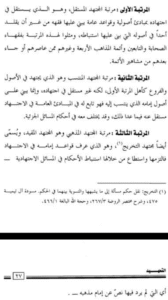
This part of the Ayah contains a notification regarding sincerity because some people call to themselves. It may be that a person propagates, and delivers lectures and sermons, but his goal is to become apparent to the people – to receive some status, be praised, and that people gather and become numerous around him. If this is his aim, then he is not a caller to Allah; rather he is a caller to himself. The person who abandons Dawah has abandoned a great obligation and the person who is not sincere in Dawah has fallen into great danger because Dawah has to be carried out sincerely for the sake of Allah and the aim should be to establish Allah’s Shariah- to guide and benefit the people, whether you are praised or rebuked. As for some people, when they are not praised and promoted, they abandon Dawah. This is proof that such a caller is not a caller to Allah, rather he only calls to himself. Therefore, the Muslim should be warned that his aim in Dawah should be sincerity, to benefit the people, free them from Shirk and bidah, free them from those affairs that are in opposition to the Shariah and fulfil what is obligated to him. A large number of people around a person is not proof that such a person is virtuous because some of the Prophets were only followed by a few people. “A Prophet will come on the day of judgement with a few followers and a Prophet will come with no followers”. [Bukhaari 5705].

Therefore, does this mean that such a Prophet is not virtuous? Absolutely not! A person does not look at the large number of people who are present because the Prophet, peace and blessings of Allah be upon him] said to Ali, “If Allah gives guidance to a single man through you, it is better for you than possessing red camels”. [Bukhaari 3009]

An Excerpt from I’aanah Al-Mustafeed Bi-Sharhi Kitaab At-Tawheed’ pages 97-98 Publisher: Ar-Risaalah Publishers 1st edition 1428AH (Year 2007)

The different levels of the scholars of Ijtihad

In The Name of Allah, The Most Merciful, The Bestower of Mercy.

The Different Levels of the Scholars of Ijtihad

اجتهد العلماء – رحمهم الله – في تصنيف المجتهدين إلى مراتب أو طبقات متعددة، أوصلها كثير من العلماء إلى خمس مراتب :

المرتبة الأولى: مرتبة المجتهد المستقل، وهو الذي يستقل في اجتهاده بمبادئ أصولية وقواعد عامة ببني عليها فقهه من غير أن يقلد أحداً في أصوله التي بني عليها استنباطه، ومثلوا لهذه المرتبة بفقهاء الصحابة والتابعين وأئمة المذاهب الأربعة وغيرهم ممن عاصرهم أو حاء بعدهم من مشاهير الأئمة.

المرتبة الثانية: مرتبة المجتهد المنتسب وهو الذي يجتهد في الأصول والفروع كأهل المرتبة الأولى، لكنه غير مستقل في اجتهاده، وإنما بيني على أصول إمامه الذي ينتسب إليه فهو تابع له في المبادئ العامة في الاجتهاد مستقل عنه فيما عدا ذلك، وقد يختلف معه في أحكام المسائل الجزئية.

المرتبة الثالثة: مرتبة المجتهد المذهبي وهو المجتهد المقيد، ويسمى أيضاً مجتهد التخريج، وهو الذي عرف قواعد إمامه في الاجتهاد فالتزمها واستطاع من خلالها استباط الأحكام في المسائل الاجتهادية
أي التي لم يرد فيها نص عن إمام مذهبه.

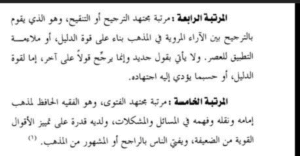
المرتبة الرابعة : مرتبة مجتهد الترجيح أو التنقيح، وهو الذي يقوم بالترجيح بين الآراء المروية في المذهب بناء على قوة الدليل، أو ملائعة التطبيق للعصر. ولا يأتي بقول جديد وإنما يرجح قولاً على آخر، إما لقوة الدليل، أو حسبما يؤدي إليه اجتهاده.

المرتبة الخامسة: مرتبة مجتهد الفتوى وهو الفقيه الحافظ المذهب إمامه ونقله وفهمه في المسائل والمشكلات ولديه قدرة على تمييز الأقوال القوية من الضعيفة، ويفتي الناس بالراجح أو المشهور من المذهب

Source: An-Nahj Al-Aqwaa Fee Arkaan Al-Fatwa pages 26-27. Itroduction by Al-Allamah Abdul Aziz Aala Ash-Shaikh and Al-Allamah Salih Al-Fawzan (may Allah preserve them and other scholars of Ahlus Sunnah).

The Proof Is Given Precedence From The Statements of The Scholars

Imam Ash-Shawkaani, may Allah have mercy upon him, said:

فاعلم أنه إذا وقع الخلاف بين المسلمين في أن هذا الشيء بدعة او غير بدعة ، أو مكروه او غير مكروه ، او محرم او غير محرم ، او غير ذلك ، فقد اتفق المسلمون : سلفهم وخلفهم ، من عصر الصحابة الى عصرنا هذا – وهو القرن الثالث عشر منذ البعثة المحمدية – أن الواجب الاختلاف في أي أمر من أمور الدين بين الأئمة المجتهدين : هو الرد الى كتاب الله سبحانه ، وسنة رسوله الناطق بذلك
الكتاب العزيز ( ٤ : ٥٩ فإن تنازعتم في شيء فردوه إلى الله والرسول ( ومعنى الرد الى الله سبحانه : الرد الى كتابه
ومعنى الرد إلى رسوله ال : الرد الى سنته بعد وفاته وهذا مما لا خلاف فيه بين جميع المسلمين . فإذا قال مجتهد من المجتهدين
هذا حلال . وقال الآخر : هذا حرام : فليس
أحدهما أولى بالحق من الآخر وإن كان اكثر منه علماً ، أو اكبر منه سنا ، او اقدم منه عصراً لأن كل واحد منهما فرد من أفراد عباد الله ، ومتعبد بما في الشريعة المطهرة، مما في كتاب الله وسنة رسوله ، ومطلوب منه ما طلب الله من غيره من العباد . وكثرة علمه وبلوغه درجة الاجتهاد او مجاوزته لها لا يسقط عنه شيئاً من الشرائع التي شرعها الله لعباده ، ولا يخرجه من جملة المكلفين من العباد

Sharh As-Sudoor Bi-Tahreem Raf Al-Quboor pages 1-2

The Student of Knowledge Who Has Reached The Level to Understand Proofs Strives to Follow Proofs to The Best of His Ability

Imam Abdul Aziz Bin Baz, may Allah have mercy upon him, who said:

If a person is a student of knowledge and adheres to the Hanafi Madhab in certain matters that are clear to him to be correct and his Madhab is stronger than other than it; then follows Ash-Shafi’i, Maliki’s, or Ahmad’s in other matters where it appears that their Madhab in those matters is correct based on the proofs, there is no harm in this because a believer wherever Allāh gives him knowledge, he follows the proof and looks to the proof.

So, what is established with proof, it is obligatory to adhere to it, regardless of whether it aligns with the Madhab of Shafi’i, Abu Hanifa, Maliki, Ahmad, or any other scholars. The important thing is that it must agree with the proof – substantiated by a verse or a noble sound hadith from the Messenger of Allah, peace and blessings of Allāh be upon him.

However, as for following whims or personal desires, then no. Playing about – sometimes this and other times that (arbitrarily between opinions), this is not permissible. But it is incumbent upon him to seek to know the proof and asking the people of knowledge regarding what is difficult for him. If he knows the proof, acquainted with the proof that this madhab in this issue is more valid while another is more valid in a different matter, there is no harm in this; otherwise, he should consult the scholars, seek their verdicts guidance, and act according to what they guide him to based on knowledge.

https://binbaz.org.sa/fatwas/8426/%D8%AD%D9%83%D9%85-%D8%A7%D9%84%D8%AA%D9%86%D9%82%D9%84-%D8%A8%D9%8A%D9%86-%D8%A7%D9%84%D9%85%D8%B0%D8%A7%D9%87%D8%A8-%D8%A7%D9%84%D9%81%D9%82%D9%87%D9%8A%D8%A9

The leader is a shield

In The Name of Allah, The Most Merciful, The Bestower of Mercy.

Abu Hurairah, may Allah be pleased with him, said, “The Prophet, peace and blessings of Allah be upon him, said, “Verily, the leader is a shield behind whom they fight and he protects them. If he commands (people to) fear Allah, The Exalted, and justice, then he will have a reward. If he commands something else, then it will be against him'”. [S‌ah‌ih Muslim 1841]

“The leader is a shield”.  Imam An-Nawawi, may Allah have mercy upon him, said, he is like a shelter because he prevents the enemy from harming the Muslims, preventing the people from (harming) one another, protecting the Muslim nation and the people fearing his authority. “Behind whom they fight”, meaning, alongside him they fight against the disbelievers (i.e. those at war with his country), the rebels, the kharijites and all the perpetrators of corruption and oppression. (1)

Abdus Samad Bin Yazid Al-Baghdadi, may Allah have mercy upon him, said: I heard Al-Fudayl Bin Iyaadh, may Allah have mercy upon him, saying, “If I had a supplication that would be accepted, I would not make it except for the leader”. It was said to him, “O father of Ali! Why is that?” He said, “When I make it for myself, it would be only for me, but if I make it for the leader, the rectification of the leader would consequently result in the rectification of the people and the country”. It was said to him, “O father of Ali! How is that? Explain this to us”. He said, “As for the wellbeing of the land, if the people are safe from the ruler’s tyranny, they will develop abandoned areas and settle in the land. With regards to the rectification of the people, one observes the affair of a people among the ignoramuses and says, they have been distracted by the pursuit of livelihood instead of seeking what will benefit them, such as learning the Qur’an and other things. Thus, he gathers them together in a house – fifty in number, less or more, and says to a man, ‘You have what will make your affair upright and teach these people their religion’. Then you’ll see what Allah, The Mighty and Majestic, brings forth among them that would make the land righteous and that would return to them (i.e. they’ll receive its benefits). This would be the rectification of the people and the country”. Imam Ibn Al-Mubarak, may Allah have mercy upon him, kissed Imam Fudayl’s forehead and said, “O teacher of goodness! Who else would be able to (say or do) this better than you?!” (2)

May Allah protect and strengthen the rulers of Pakistan, and its citizens, as well as the Muslim rulers and citizens of all other Muslim countries Aameen.


(1) Sharh Sahih Muslim 12/193. Publisher, Daar Al-Kutub al-Ilmiyyah. 1st Edition 1421AH (2000)

(2) Hilyah Al-Awliya 8/91

The Greatest Pleasure in Both the Afterlife and the Worldly Life

In The Name of Allah, The Most Merciful, The Bestower of Mercy.

Shaikh Al-Islam Ibn Taymiyyah, may Allah have mercy upon him, said:

The greatest pleasure in the afterlife is the pleasure of seeing Allah, Glorified be He and free is He from all imperfections, as it has been reported in the authentic hadith: “They [the people of paradise] will not be granted anything that is more beloved to them than seeing Him [Allah]”. This is the fruitful outcome of knowing Him and worshipping Him in this worldly life. The best thing in this worldly life is to possess knowledge and awareness of Him and the best thing in the afterlife is to see Him. [Majmu Al-Fataawa. 14/163]

The Impact of Worship In The Life of a Muslim
https://salafidawahmanchester.com/wp-content/uploads/2024/06/Impact_of_Worship_In_The_Life_of_a_Muslim.pdf

Hasten

In The Name of Allah, The Most Merciful, The Bestower of Mercy.

The Messenger, peace and blessings of Allah be upon him, said: “Hasten in doing good deeds (before you are overtaken) because there will be trials (temptation) which would be like a part of the night. (During it) a man would be a Muslim in the morning and an unbeliever in the evening or he would be a believer in the evening and an unbeliever in the morning, and would sell his religion for worldly goods”. [1]

Al-Allamah Saalih Al-Fawzan, may Allah preserve him, stated:

He wakes up in the morning as a believer with Iman but by the end of the evening he deviates and becomes a disbeliever, or a believer in the evening and a disbeliever in the morning. What is the cause? “Sells his religion for some worldly goods”. This is proof that the materialistic world is one of the temptations, – the adornments of the worldly life and the things such as food, drinks, transportation, mansions, castles, status, etc -thus a person abandons their religion of Islam. A person may be so consumed by their desires and love for material possessions that they abandon their religion of Islam. Allah has warned us about the allure and deception of the worldly life. Instead, we should only take what is necessary from this life to fulfill our obligations to Allah. As for just going along and forgetting about the Hereafter, this itself is destruction. [2]

Allaamah Rabee Bin Hadi Al-Mad’khali, may Allah preserve him, said:

Yes, a man may embrace truth and then vanish from sight, only to reappear as a disbeliever or a misguided innovator in religious matters! This is nothing short of humiliation! He used to claim that he is upon goodness, a possessor of knowledge, and adherence to the truth, but then he succumbs to disbelief – either major or minor. This is a disgrace, and we seek Allah’s protection. How many individuals have been brought low and exposed through a trial (temptation)?! You become aware of them, their deceitful assertions are laid bare, and their true reality is revealed to you. [3]

The Shaikh also said: A believer always fears that his situation will change. It has been reported from Aa’isha and Anas, may Allah pleased with them, that the Messenger, peace and blessings of Allah be upon him, often (supplicated): [يَا مُقَلِّبَ الْقُلُوبِ ثَبِّتْ قَلْبِى عَلَى دِينِكَ – O turner of the hearts (Allaah)! Keep my heart firm upon your religion]. [Aa’isha or Anas] asked, “O Allah’s Messenger! We believe in you and what has been revealed to you, so do you fear for us?” He said, “Yes, indeed the hearts are between two fingers among the fingers of Allah and He turns them how He pleases”. By Allah! This is (true) understanding, that a person does not feel safe about himself, for indeed Satan flows through the human being like blood. Therefore, a person should guard his heart, intellect, and deeds ardently more than he guards his wealth and honour. Whoever is given authority to look after his affairs is obligated to guard his heart before everything else.

رَبَّنَا لَا تُزِغْ قُلُوبَنَا بَعْدَ إِذْ هَدَيْتَنَا وَهَبْ لَنَا مِن لَّدُنكَ رَحْمَةً ۚ إِنَّكَ أَنتَ الْوَهَّابُ

Our Lord! Let not our hearts deviate (from the truth) after You have guided us, and grant us mercy from You. Truly, You are the Bestower]. [ Surah Aal Imraan’ Aayah 8] [4]

We ask Allah:

اللَّهُمَّ بِعِلْمِكَ الْغَيْبَ وَقُدْرَتِكَ عَلَى الْخَلْقِ أَحْيِنِي مَا عَلِمْتَ الْحَيَاةَ خَيْراً لِي وَتَوَفَّنِي إِذَا عَلِمْتَ الْوَفَاةَ خَيْراً لِي، اللَّهُمَّ إِنِّي أَسْأَلُكَ خَشْيَتَكَ فِي الْغَيْبِ وَالشَّهَادَةِ، وَأَسْأَلُكَ كَلِمَةَ الْحَقِّ فِي الرِّضَا وَالْغَضَبِ، وَأَسْأَلُكَ الْقَصْدَ فِي الْغِنَى وَالْفَقْرِ، وَأَسْأَلُكَ نَعِيماً لَا يَنْفَذُ، وَأَسْأَلُكَ قُرَّةَ عَيْنٍ لَا تَنْقَطِعُ، وَأَسْأَلُكَ الرِّضِا بَعْدَ الْقَضَاءِ، وَأَسْأَلُكَ بَرْدَ الْعَيْشِ بَعْدَ الْمَوْتِ، وَأَسْأَلُكَ لَذَّةَ النَّظَرِ إِلَى وَجْهِكَ وَالشَّوْقَ إِلَى لِقَائِكَ فِي غَيْرِ ضَرَّاءَ مُضِرَّةٍ وَلَا فِتْنَةٍ مُضِلَّةٍ، اللَّهُمَّ زَيِّنَّا بِزِينَةِ الْإِيمَانِ
وَاجْعَلْنَا هُدَاةً مُهْتَدِينَ

O Allah! By Your Knowledge of the unseen and by Your Power over creation, let me live if life is good for me, and let me die if death is good for me; O Allah! I ask You to grant me (the blessing of having) fear of You in private and public, and I ask You (to make me utter) a statement of truth in times of contentment and anger, and I ask You for moderation when in a state of wealth and poverty, and I ask you for blessings that never ceases, and I ask You for the coolness of my eye that never ends, and I ask You (to make me pleased) after (Your) decree; and I ask You for a life of (ease, comfort, tranquillity, etc) after death; I ask You for the delight of looking at Your Face (i.e. in the Hereafter) and yearning to meet You without any harm and misleading trials (coming upon me). O Allah! Adorn us with the adornment of Iman, and make us (from those who are) guided and guiding (others). [5]

اللَّهُمَّ أَصْلِحْ لِي دِينِي الَّذِي هُوَ عِصْمَةُ أَمْرِي
وَأَصْلِحْ لِي دُنْيَايَ الَّتِي فِيهَا مَعَاشِي
وَأَصْلِحْ لِي آخِرَتِي الَّتِي فِيهَا مَعَادِي
وَاجْعَلِ الْحَيَاةَ زِيَادَةً لِي فِي كُلِّ خَيْرٍ
وَاجْعَلِ الْمَوْتَ رَاحَةً لِي مِنْ كُلِّ شَرٍّ

O Allah! Rectify my religion for me, which is the safeguard of my affairs; rectify my worldly [affairs], wherein is my livelihood; and rectify my Afterlife to which is my return, and make life for me [as a means of] increase in every good and make death for me as a rest from every evil. [6]


[1] Sahih Muslim 118

[2] An Excerpt from Sharh Kitaab Al-Fitan Wal-Hawaadith Lil-Imaam Muhammad Bin Abdillaah Wahhaab. pages 11-12

[3] An Excerpt from ‘Adh-Dharee’ah Ilaa Bayaan Maqaasid Kitaab Ash-Sharee’ah – 1/200-202

[4] An Excerpt from Marhaban Yaa Taalibal Ilm’ pages 75-76

[5]https://salafidawahmanchester.com/2021/01/01/o-allaah-let-me-live-if-life-is-good-for-me-and-let-me-die-if-death-is-good-for-me/

[6]https://salafidawahmanchester.com/2020/12/29/o-allaah-rectify-my-religion-for-me-which-the-safeguard-of-my-affairs-a-tremendous-supplication/

The best in the pre-Islamic period and the best in Islam

In The Name of Allah, The Most Merciful, The Bestower of Mercy.

Abu Hurayrah, may Allah be pleased with him, narrated: Allah’s Messenger, peace and blessings of Allah be upon him, was asked, “Who is the most honourable amongst the people?” He said, “The one who fears Allah the most”. They said, “We are not asking you about this”. He said, “Then the most honourable amongst the people is Yusuf, Allah’s Prophet, the son of Allah’s Prophet, the son of Allah’s Prophet, the son of Allah’s Khaleel”. They said, “We are not asking you about this”. He said, “So you are asking me about the Arabs’ descent; the people are of different descents and those who were best in the pre-Islamic period are the best in Islam, if they acquire (sound) understanding of (religious knowledge)”.

Al-Allamah Zayd Bin Hadi Al-Mad’khali, may Allah have mercy upon, said:

In this hadith, it is legislated for the one to whom something related to the religion is hidden that he asks, and the scholar is the one who is asked. The Prophet, peace and blessings of Allaah be upon him, is the foremost teacher and the one who conveys the religion (ordained) by Allah. His companions used to ask him that which they wanted to understand in order to act upon it.This hadith is proof that the companions of the Prophet asked about matters related to their religion in order to acquire understanding of the religion. Knowledge- as it is said – is based on questions and answers. In this hadith there is proof (regarding) the virtue of Taqwah, as Allah, The Mighty and Majestic, said: [إِنَّ أَڪۡرَمَكُمۡ عِندَ ٱللَّهِ أَتۡقَٮٰكُمۡ‌ۚ– The most honourable of you in the sight of Allaah are those who fear Allaah the most]. Taqwa (fear of Allah) gathers every good because it is clearly manifested in the fulfilment of commands, keeping away from prohibitions, declaring lawful what is lawful and declaring unlawful what is unlawful – inwardly (in one’s heart) and apparent (on one’s actions), and adherence to the (Qur’an, the Sunnah, the Straight path etc).

In this hadith there is proof regarding the virtue of Yusuf, peace be upon him, and his fathers because the Prophet, peace and blessings of Allah be upon him, mentioned them.

In this hadith there is proof regarding the humility of the Prophet because he made known to them the virtue of his brother- the noble Prophet – Yusuf.

In this hadith there is proof regarding the virtue of the Arabs if they possess understanding of the religion of Islam and learn the religion, for indeed the noble Qur’an was sent down in the language of the Arab, thus, if they acquire understanding of the religion, they will be able to convey it in Allah’s earth. This is what happened in this Ummah of Muhammad, for indeed when he was sent, he called the Arabs to Iman until a great Ummah was established who were able to perform Jihad and give Dawah in the path of Allah. So, they dispersed in the earth after acquiring understanding of their religion from Allah’s Messenger and spread it in the regions of the earth- propagating, teaching, performing Jihad and judging between the people, until Allah (gave Islam the upper hand) almost everywhere in the world through them, and this was a favour bestowed on them by Allah.

In this hadith there is proof regarding the virtue of Fiqh in the religion and that the one who acquires understanding of the religion – with a good intention- in order to remove ignorance from himself, act based on the understanding in the Islamic religion and spread it in the earth, he has a great reward and station in the sight of Allah. And Allah knows best.

The evidence (or testimony for the main subject matter in this hadith) is that the people are of different descents. The best of them during the Pre-Islamic era are the best in Islam if they possess (sound) understanding (in the religion). Therefore, whoever was from the good people during the Pre-Islamic era and acted that way amongst the people, then Allah blessed them to accept Islam and they acquire understanding, they’ll be the best people because they had a good basis which Islam increased in good and perfection. [1]

The Messenger said: Indeed, Allah has removed from you the pride of the pre-Islamic period and its boasting about ancestors. One is only a pious believer or a wretched sinner. You are sons of Adam and Adam (was created from) dust. Let the people abandon boasting about their ancestors, for they are merely fuel in Jahannam; or they will become more insignificant in (the sight of) Allah than the beetle which rolls dung with its nose. [2]

The Messenger, peace and blessings of Allah be upon him, said, “Whoever is held back by his deeds, his lineage will not push him forward”. [3]

Imam An-Nawawi, may Allah have mercy upon him, said, “Its meaning is that the one whose deeds are deficient and he does not catch up with the performers of (good) deeds, it is obligated to him not to crown himself with nobility of lineage and the virtues of his forefathers, while he is lagging behind in (performing good) deeds”. [4]


[1] An Excerpt from at -Taleeqaat Al-Maleehah Alaa Silsilah Al-Ahaadith As-Saheehah. 1/34-35

[2] Sahih Abi Dawud 5116

[3] & [4] Saheeh Muslim…part of hadeeth in ‘The Book Pertaining to the Remembrance of Allah, Supplication, Repentance and Seeking Forgiveness. Sharh Saheeh Muslim: Hadith Number 2699 17/18

“Treat others as you would love to be treated” – Admonitions from Senior Scholars

In The Name of Allah, The Most Merciful, The Bestower of Mercy.

Abdullah Bin Amr, may Allah be pleased with him, reported that Allah’s Messenger, peace and blessings of Allah be upon him, said, “Whoever would love to be delivered from Hellfire and admitted into Paradise, let him meet his end whilst believing in Allah and the Last Day, and let him treat people as he would love to be treated”. [(1)]

Imam An-Nawawi, may Allah have mercy upon him, said: This is from the Jawami al-Kalim of the Prophet [i.e. precise speech with a comprehensive meaning] and his amazing wisdom. It is obligatory to pay close attention to this important principle and that a person must not deal with the people except in a way he loves to be dealt with. [(2)]

Al-Allamah Zayd Bin Hadi Al-Madkhali, may Allah have mercy upon him, said: A Muslim is to give consideration to his Muslim brothers in the same way he would give consideration to himself- wishing for them the good he wishes for himself and hates that evil should touch them just as he hates that for himself. The one who loves that the people should approach him with good related to the worldly affairs and affairs related to the Afterlife, then it is obligated on him to do the same for them, so that the statement of the Prophet, “You cannot (truly) believe until you wish for your brother what you wish for yourself” becomes a reality in his personality; and also the statement of the Prophet, “The believer in relation to another believer is like a structure, each part strengthening the other”. And also the statement of the Prophet, “The Muslim is the brother of another Muslim”. Whoever is able to have these characteristics, then indeed he has established Iman (in this affair), good manners and good dealings. [(3)]

Imam Ibn Al-Qayyim, may Allah have mercy upon him, said: And from the signs of well-being and success is that whenever the slave is increased in his knowledge, he increases in humility and mercy; and whenever he is increased in action, he increases in his fear and caution; and whenever his age is increased, he decreases in eagerness; and whenever he is increased in wealth, he increases in his generosity and spending; and whenever his status and honour is increased, he increases in coming close to the people, in fulfilling their needs and being humble in (their presence). And the signs of wretchedness are: Whenever he is increased in knowledge, he increases in pride and haughtiness; and whenever he is increased in actions, he increases in his boasting, mockery of the people and having a good opinion of himself; and whenever he is increased in his status and honour, he increases in pride and haughtiness. These affairs of [well-being and wretchedness] are a trial and a test from Allah by way of which He puts His slaves to trial. He brings about well-being and wretchedness to a people by way of these affairs. [(4)]

Imam Muhammad Al-Amin Ash-Shanqeetee, may Allah have mercy upon him, said:

Contemplate what the great leader [Muhammad (peace blessings of Allah be upon him)] has been commanded and how he should deal with his society. Allah, The Most High, said:

فَبِمَا رَحْمَةٍ مِّنَ ٱللَّهِ لِنتَ لَهُمْ وَلَوْ كُنتَ فَظًّا غَلِيظَ ٱلْقَلْبِ لَٱنفَضُّوا۟ مِنْ حَوْلِكَ فَٱعْفُ عَنْهُمْ وَٱسْتَغْفِرْ لَهُمْ وَشَاوِرْهُمْ فِى ٱلْأَمْرِ

And by the Mercy of Allah, you dealt with them gently. And had you been severe and harsh-hearted, they would have broken away from about you; so pass over (their faults), and ask (Allah’s) Forgiveness for them; and consult them in the affairs. [Aal Imran. 159]

Contemplate what a person has been commanded and how he should deal with his leader. Allah [The Most High] said: [يَٰٓأَيُّهَا ٱلَّذِينَ ءَامَنُوٓا۟ أَطِيعُوا۟ ٱللَّهَ وَأَطِيعُوا۟ ٱلرَّسُولَ وَأُو۟لِى ٱلْأَمْرِ مِنكُمْ – O you who believe! Obey Allah and obey the Messenger (Muhammad), and those of you (Muslims) who are in authority]. [An-Nisaa.59] [Footnote a]

Contemplate what a person has been commanded to do (in order to safeguard close members) of his society, such as his children and wife. Allah [The Most High] said:

يَٰٓأَيُّهَا ٱلَّذِينَ ءَامَنُوا۟ قُوٓا۟ أَنفُسَكُمْ وَأَهْلِيكُمْ نَارًا وَقُودُهَا ٱلنَّاسُ وَٱلْحِجَارَةُ عَلَيْهَا مَلَٰٓئِكَةٌ غِلَاظٌ شِدَادٌ لَّا يَعْصُونَ ٱللَّهَ مَآ أَمَرَهُمْ وَيَفْعَلُونَ مَا يُؤْمَرُونَ

O you who believe! Ward off from yourselves and your families a Fire (Hell) whose fuel is men and stones, over which are (appointed) angels stern (and) severe, who disobey not, (from executing) the Commands they receive from Allah, but do that which they are commanded. [at-Tahreem. 6]

Contemplate how (the Qur’an) has informed the person about cautiousness and resoluteness when dealing his (close) social group in particular- that if he comes across what is not befitting, he is commanded to pardon and forgive. Firstly, the Qur’an commands him to be cautious and resolute, and secondly, it commands him to pardon and forgive. Allah [The Most High] said:

يَٰٓأَيُّهَا ٱلَّذِينَ ءَامَنُوٓا۟ إِنَّ مِنْ أَزْوَٰجِكُمْ وَأَوْلَٰدِكُمْ عَدُوًّا لَّكُمْ فَٱحْذَرُوهُمْ وَإِن تَعْفُوا۟ وَتَصْفَحُوا۟ وَتَغْفِرُوا۟ فَإِنَّ ٱللَّهَ غَفُورٌ رَّحِيمٌ

O you who believe! Verily, among your wives and your children there are enemies for you (i.e. may stop you from the obedience of Allah), therefore beware of them! But if you pardon (them) and overlook, and forgive (their faults), then verily, Allah is Oft-Forgiving, Most Merciful. [at-Taghabun. 14]

Contemplate how individuals in society have been commanded to deal with one another in general. Allah (The Most High) said:

إِنَّ ٱللَّهَ يَأْمُرُ بِٱلْعَدْلِ وَٱلْإِحْسَٰنِ وَإِيتَآئِ ذِى ٱلْقُرْبَىٰ وَيَنْهَىٰ عَنِ ٱلْفَحْشَآءِ وَٱلْمُنكَرِ وَٱلْبَغْىِ يَعِظُكُمْ لَعَلَّكُمْ تَذَكَّرُونَ

Verily, Allah enjoins Al-Adl (i.e. justice and worshipping none but Allah Alone – Islamic Monotheism) and Al-Ihsan [i.e. to be patient in performing your duties to Allah, totally for Allah’s sake and in accordance with the Sunnah (legal ways) of the Prophet in a perfect manner], and giving (help) to kith and kin (i.e. all that Allah has ordered you to give them e.g., wealth, visiting, looking after them, or any other kind of help, etc.): and forbids Al-Fahsha’ (i.e. all evil deeds, e.g. illegal sexual acts, disobedience of parents, polytheism, to tell lies, to give false witness, to kill a life without right, etc.), and Al-Munkar (i.e. all that is prohibited by Islamic law: polytheism of every kind, disbelief and every kind of evil deeds, etc.), and Al-Baghy (i.e. all kinds of oppression), He admonishes you, that you may take heed. [An-Nahl. 90]

Allah [The Most High] said: [يَٰٓأَيُّهَا ٱلَّذِينَ ءَامَنُوا۟ ٱجْتَنِبُوا۟ كَثِيرًا مِّنَ ٱلظَّنِّ إِنَّ بَعْضَ ٱلظَّنِّ إِثْمٌ وَلَا تَجَسَّسُوا۟ وَلَا يَغْتَب بَّعْضُكُم بَعْضًا – O you who believe! Avoid much suspicions, indeed some suspicions are sins. And spy not, neither backbite one another.[Al-Hujuraat. 12] [Footnote b]

Allah said:

يَٰٓأَيُّهَا ٱلَّذِينَ ءَامَنُوا۟ لَا يَسْخَرْ قَوْمٌ مِّن قَوْمٍ عَسَىٰٓ أَن يَكُونُوا۟ خَيْرًا مِّنْهُمْ وَلَا نِسَآءٌ مِّن نِّسَآءٍ عَسَىٰٓ أَن يَكُنَّ خَيْرًا مِّنْهُنَّ وَلَا تَلْمِزُوٓا۟ أَنفُسَكُمْ وَلَا تَنَابَزُوا۟ بِٱلْأَلْقَٰبِ بِئْسَ ٱلِٱسْمُ ٱلْفُسُوقُ بَعْدَ ٱلْإِيمَٰنِ وَمَن لَّمْ يَتُبْ فَأُو۟لَٰٓئِكَ هُمُ ٱلظَّٰلِمُونَ

O you who believe! Let not a group scoff at another group, it may be that the latter are better than the former; nor let (some) women scoff at other women, it may be that the latter are better than the former, nor defame one another, nor insult one another by nicknames. How bad is it, to insult one’s brother after having Faith [i.e. to call your Muslim brother (a faithful believer) as: “O sinner”, or “O wicked”, etc.]. And whosoever does not repent, then such are indeed Zalimun (wrong-doers, etc.). [Al-Hujuraat. 11]

Allah said:

وَتَعَاوَنُوا۟ عَلَى ٱلْبِرِّ وَٱلتَّقْوَىٰ وَلَا تَعَاوَنُوا۟ عَلَى ٱلْإِثْمِ وَٱلْعُدْوَٰنِ

Help you one another in Al-Birr and At-Taqwa (virtue, righteousness and piety); but do not help one another in sin and transgression. [Al-Maa’idah. 2] [Footnote c]

Allah said: [إِنَّمَا ٱلْمُؤْمِنُونَ إِخْوَةٌ – The believers are nothing else than brothers (in Islamic religion). [Al-Hujuraat. 10]

Allah said: [وَأَمْرُهُمْ شُورَىٰ بَيْنَهُمْ – And who (conduct) their affairs by mutual consultation. [Ash-Shuraa 38] [Footnote d]

When it is the case that the individuals of a society are not safe – regardless who they may be-from the hostility and enmity of others in their Jinn or human society, and it is the case that every individual is in need of a remedy for this problem whose trial affects everyone, therefore Allah [The Most High] clearly prescribed its remedy in three places in His Book. The remedy for human hostility is that (a person) should turn away from the hostile one and responds to them with what is better. Allah [The Most High] said in Surah Al-A’raf 199: [خُذِ ٱلْعَفْوَ وَأْمُرْ بِٱلْعُرْفِ وَأَعْرِضْ عَنِ ٱلْجَٰهِلِينَ – Show forgiveness, enjoin what is good, and turn away from the foolish (i.e. don’t punish them].

Allah said Surah Al-Muminun 96: [ٱدْفَعْ بِٱلَّتِى هِىَ أَحْسَنُ ٱلسَّيِّئَةَ نَحْنُ أَعْلَمُ بِمَا يَصِفُونَ – Repel evil with that which is better. We are Best-Acquainted with the things they utter].

Allah [The Most High] made it more evident that this divine remedy cuts off this satanic ailment and He also made it more (evident) that this divine (remedy) is not bestowed upon every person, except a person who has been granted in abundance and a great portion (of the happiness in the Hereafter). Allah [The Most High] said:

ٱدْفَعْ بِٱلَّتِى هِىَ أَحْسَنُ فَإِذَا ٱلَّذِى بَيْنَكَ وَبَيْنَهُۥ عَدَٰوَةٌ كَأَنَّهُۥ وَلِىٌّ حَمِيمٌ
وَمَا يُلَقَّىٰهَآ إِلَّا ٱلَّذِينَ صَبَرُوا۟ وَمَا يُلَقَّىٰهَآ إِلَّا ذُو حَظٍّ عَظِيمٍ

Repel (the evil) with one which is better (i.e. Allah ordered the faithful believers to be patient at the time of anger, and to excuse those who treat them badly), then verily! he, between whom and you there was enmity, (will become) as though he was a close friend. But none is granted it (the above quality) except those who are patient, and none is granted it except the owner of the great portion (of the happiness in the Hereafter i.e. Paradise and in this world of a high moral character)” [Fussilat. 34-35]

And there is no remedy against a devil amongst the Jinn except through seeking refuge with Allah. Allah [The Most High] said: [وَإِمَّا يَنزَغَنَّكَ مِنَ ٱلشَّيْطَٰنِ نَزْغٌ فَٱسْتَعِذْ بِٱللَّهِ إِنَّهُۥ سَمِيعٌ عَلِيمٌ – And if an evil whisper comes to you from Shaitan (Satan) then seek refuge with Allah. Verily, He is All-Hearer, All-Knower]. [Al-A’raf 200]

Allah [The Most High] said Surah Al-Muminun 97-98]:

وَقُل رَّبِّ أَعُوذُ بِكَ مِنْ هَمَزَٰتِ ٱلشَّيَٰطِينِ
وَأَعُوذُ بِكَ رَبِّ أَن يَحْضُرُونِ

And say: “My Lord! I seek refuge with You from the whisperings (suggestions) of the Shayatin (devils). “And I seek refuge with You, My Lord! lest they may attend (or come near) me.”

Allah [The Most High] said:

وَإِمَّا يَنزَغَنَّكَ مِنَ ٱلشَّيْطَٰنِ نَزْغٌ فَٱسْتَعِذْ بِٱللَّهِ إِنَّهُۥ هُوَ ٱلسَّمِيعُ ٱلْعَلِيمُ

And if an evil whisper from Shaitan (Satan) tries to turn you away (O Muhammad) (from doing good, etc.), then seek refuge in Allah. Verily, He is the All-Hearer, the All-Knower. [Fussilat, 36] [An Excerpt from ‘Al-Islam Deenun Kaamilun. Pages: 10-12]

———————————————-

Footnote a:

Believer’s Bahaviour Towards Muslim Rulers – [Supplicates For Them….]

Footnote b:

Imam As-Sadi, may Allah have mercy upon him, said: Allah [The Most High] has forbidden much evil suspicion towards the believers because some suspicions are sins, such as the suspicion devoid of reality and factual evidence, and the suspicion accompanied by much forbidden speech and action, for indeed the settlement of evil suspicion in the heart does not restrict the one (in whose heart is that evil suspicion) only to that; rather, he does not cease until he utters and does that which is not permissible. [Tafseer As-Sadi]

Imam Muhammad Ibn Salih Al-Uthaymeen, may Allah have mercy upon him, said: Not every suspicion is a sin and there is no harm regarding the suspicion that is based on clear indications regarding the validity of a matter. As for mere assumption, it is not permissible. For example, if a man – who is known to be upright – is seen with a woman by another man, it not permissible to accuse him that the woman he is seen with is a stranger because this is the type of suspicion that is tantamount to sin. [Fataawaa Islaamiyyah 4/537]

Spying: The Prophet, peace and blessings of Allah be upon him, said, “Whoever listens to the talk of some people who do not like him (to listen) or they run away from him, then molten lead will be poured into his ears on the Day of Resurrection”. [Sahih Al-Bukhaari Number 7042].

Al-Allaamah Saleh Al-Fawzan, may Allah preserve him, said, “This is a severe threat, so one should not listen to the speech of the people if they do not want anyone to know what they are talking about”. [An Excerpt from It’haaf At-Tullaab Bi-Sharhi Mandhoomah Al-Aadaab. page 149]

Al-Allamah Zayd Bin Hadi Al-Mad’khalee, may Allah have mercy upon him, said:

It may be that two or more people gather to speak about a particular affair that concerns them, and they do not want anyone else to know about it; but then a person or more than one person becomes an obstacle by listening to their speech and [wants] to know what they are talking about, whilst they are not pleased with that. This is an act of transgression and foolishness – that a person involves himself into something that does not concern him. And from the perfection of a person’s Islam is to leave that which does not concern him. However, there is an exception to this prohibition such as when a person listens into the speech of those who are focused or (involved) in seeking to breach the state of safety and security of the Muslims”. [An Excerpt from ‘Awnul Ahadis Samad Sharh Al-Adabil Mufrad’ 3/281]

Backbiting: Abu Hurairah, may Allah be pleased with him, narrated that the Messenger of Allah, peace and blessings of Allah be upon him, said, ‘’Do you know what backbiting is?’’ They (i.e. the Sahaabah) replied Allah and his Messenger know best’’; he said said, “It is to mention your brother what he dislikes’’. Someone asked, ‘’What if what I said is true?’’ He replied, “If what you said about him is true you have backbitten him, and if it is not true you have slandered him’’. [Muslim]

When is speaking about someone behind his back not considered backbiting? It is not considered backbiting when a person makes a complaint about an oppressor to a person who has the ability to stop the oppression; when seeking help to stop an evil- by making that known to the person who has the ability to stop the evil; when seeking for a fatwa; when warning the Muslims so that they are not deceived; when mentioning a person who commits his evil openly or one who calls to bidah and when identifying someone with a physical defect, whilst not intending defamation. [Subul As-Salaam. 4/553]

Footnote c:

Imam Ibn Al-Qayyim, may Allah have mercy upon him, said: This verse contains all the Masaalih (things that will bring about benefit and repel harm) for the servants of Allah in their worldly affairs and in the Hereafter – amongst themselves or reharding their relationship with their Lord. This is because every servant of Allah finds himself within two circumstances and obligations – either to fulfil the obligations owed to Allah or the obligations owed to Allah’s creation. As for the obligations owed to the creation, they include (righteous) association, companionship, aiding one another in Allah loves and obedience to Allah, and that is the goal behind one’s search for happiness and success in the afterlife. There can be no happiness in the afterlife except through Bir and Taqwaa because it is basis of all affairs of the religion. [An Excerpt from Bada’i at-Tafsir Al-Jaami Limaa Fassarahu Al-Imam Ibn Al-Qayyim Al-Jawziyyah. 1/307. Publisher: Daar Ibn Al-Jawziyyah 2nd Edition. 1431AH]

Footnote d:

Consultation: Al-Hasan al-Basree [may Allah have mercy upon him] said: “By Allah! Never have a people sought advice except that they were guided to the best of what was available to them.” Then he recited [the statement of Allaah]: [وَأَمۡرُهُمۡ شُورَىٰ بَيۡنَہُمۡ – And (the Believers) who (conduct) their affairs by mutual consultation].

Al-Allamah Zaid Bin Haadee Al-Mad’khalee [may Allah have mercy upon him] said: Allah [The Mighty and Majestic] commanded His Messenger Muhammad [peace and blessings of Allah be upon him] to consult his companions in some affairs. Allah [Glorified be He and free is He from all imperfections] said:

[وَشَاوِرۡهُمۡ فِى ٱلۡأَمۡرِ‌ۖ فَإِذَا عَزَمۡتَ فَتَوَكَّلۡ عَلَى ٱللَّهِ‌ۚ – and consult them in the affairs. Then when you have taken a decision, put your trust in Allah.

He [i.e. the Messenger] is the example to be followed by the Ummah, therefore when it is the case that Allah commanded him to consult his companions, then there is even a greater reason that the Muslims are in need of consultation amongst themselves. When a difficulty that is related to a Muslim’s religious and worldly affairs occurs, then indeed it is fitting that he consults someone whom he considers reliable, wise, truthful and sincere. He examines [the advice] given by that person, then he makes a choice – either to take that advice or decides not to take it based on what he is satisfied with, in relation to his personal affairs.

The hadeeth places emphasis on the fact that consultation guides to the best outcomes, and due to this it is said: ”The one who consults [others] does not regret [thereafter InShaaAllaah] and the one who performs Istikhaarah will not fail [to achieve good]”. Both Istikhaarah and consultation are legislated and a lot of good is achieved by way of them, as opposed to when affairs are pursued in a rigid and haphazard manner, for indeed this might lead to regret and harm. [An Excerpt from ‘Awnul Ahadis Samad Sharh Al-Adab Al-Mufrad’ 1/285]


[1] Ṣaḥih Muslim 1844]
[2] Sharh Sahih Muslim 12/196
[3] at-Ta’leeqaat Al-Maleehah Alaa Silsilati Al-Ahaadeeth As-Saheehah. 2/29-33
[4] Al-Fawaa’d. page: 228

For your information…

In The Name of Allah, The Most Merciful, The Bestower of Mercy.

Al-Allamah Ubaid Bin Abdillah Al-Jaabiri, may Allah have mercy upon him, stated:

كان أهل الفضل والصلاح والتقى إذا نزلت بهم نازلة أو حلت بهم مشكلة عمدوا إلى الأكابر من أهل العلم بالسؤال وطلبوا منهم الجواب الشافي الكافي وهذه سنة متبعة بدءاً من الصحابة فأئمة التابعين فمن بعدهم من أهل العلم والفضل والدين والإيمان، وما أحسن ما قاله ابن مسعود رضي الله عنه : لا يزال الناس صالحين متماسكين ما أتاهم العلم عن أصحاب محمد صلى الله عليه وسلم وأكابرهم فإذا أتاهم العلم عن أصاغرهم هلكوا

When the people of virtue, righteousness, and piety were faced with a Nazilah [a] or faced with difficulties, they would betake themselves to the senior people of knowledge to ask and seek from them a Jawaab Ash-Shaafee Al-Kaafee [i.e. comprehensive and satisfactory response that would bring about rectification and preservation of the well-being of the people]. This is a path that has been followed since the time of the companions, then by the Imams of the Tabi’in, and by those after them among the people of knowledge, virtue, religion and Iman. And excellent is that which Ibn Mas’ud, may Allah be pleased with him, said: “The people will not cease to be righteous and upright as long as knowledge comes to them from the companions of Muhammad, peace and blessings of Allah be upon him, and their elders; but if knowledge comes to them from their young ones, they will be destroyed”. [1]

He Consulted Al-Allamah Salih Al-Fawzan and The Mufti, may Allah preserve them

Shaikh Abu Iyaad, may Allah preserve him, stated:

“As for returning to a scholar in order to know the ruling or a fatwa for the one who is in need of that, then I affirmed that. And for your information, I sent a question on this topic to Shaykh Allamah Salih Al-Fawzan which he responded to. Likewise, I and five pharmacists sent some questions to Shaykh Mufti Abd al-Aziz Al al-Shaykh regarding this matter specifically”. [2]

Finally, honest students of knowledge inquire with honesty, and specifically, this is what we know regarding the well known students of knowledge in the East and the West. For further insights on what is expected of those who pose questions, please refer to this link: https://salafidawahmanchester.com/2025/04/21/self-scrutiny-when-following-proofs-or-asking-questions/


[1] [الطيب الجني على شرح السنة للإمام المزني – page 8-19] Paraphrased

[2] Footnote 10 pages 6-7: https://abuiyaad.com/d/rnbutj