[2] Excerpts from Talbees Iblees [The Devil’s Deception] by Imaam Ibnul Jawzi- [The Command to Adhere to The Sunnah and The Jamaa’ah]

In The Name of Allaah, The Most Merciful, The Bestower of Mercy.

Imaam Ibnul Jawzi [rahimahullaah] said:

The Command to Adhere to The Sunnah and The Jamaa’ah

Ibn Umar narrated that Umar Ibn Al-Khattaab [radiyallaahu-anhumaa] gave a speech in the city of Jaabiyah and said, “Once Allaah’s Messenger [sallal laahu alayhi wasallam] stood amongst us and said: ‘Whoever amongst you wishes for the best of Paradise, then let him adhere to Jamaa’ah, for indeed shaytaan is with a person who is on his own and he is more distant from two people’”. [Reported by Imaam At-Tirmidhee 2165. Declared Saheeh by Imaam Albaanee in Saheeh al-Jaami 2546]

Jaabir Bin Samrah [radiyallaahu-anhu] said, “Umar addressed the people at Jaabiyah and said, ‘Indeed, Allaah’s Messenger [sallal laahu alayhi wasallam] stood in the manner I am standing and then said, ‘Whoever wants to attain the best of paradise, then let him adhere to the Jamaa’ah, for indeed shaytaan is with one who is alone and he is more distant from two people’”.  [Imaam At-Tirmidhee said, “This hadeeth is Hasan Saheeh]

Umar Ibnul Khattaab said, “Allaah’s Messenger [sallal laahu alayhi wasallam] said, ‘Whoever wants the best of paradise, then let him adhere to the Jamaa’ah, for indeed shaytaan is with one who is alone and more distant from two people’”.

Abdullaah Bin Deenaar [rahimahullaah] reported from Umar [radiyallaahu-anhu] who said, “Allaah’s Messenger [sallal laahu alayhi wasallam] said, ‘Whoever is pleased that he should dwell in the best of paradise, then let him adhere to the Jamaa’ah, for indeed shaytaan is with one who is alone and more distant from two people’”. [Silsilah As-Saheehah 430]

Arfajah [radiyallaahu-anhu] said, “I heard Allaah’s Messenger [sallal laahu alayhi wasallam] say, ‘Allaah’s Hand is with the Jamaa’ah and shaytaan is with the one who opposes the Jamaa’ah’” [Reported by Imaam An-Nasaa’ee 4020. Declared Saheeh by Imaam Albaanee in Saheeh Al-Jaami 3621]

Usaamah Bin Shareek [rahimahullaah] said, “I heard Allaah’s Messenger [sallal laahu alayhi wasallam] say, ‘Allaah’s Hand is with the Jamaa’ah, and if a person isolates them, then shaytaan seizes him just as a wolf seizes a sheep from a flock”. [Reported by Al-Laalikaa’ee in I’tiqaad Ahlis Sunnah 1/99. See Majmah Az-Zawaa’id 5/218]

Abdullaah [Ibn Mas’ood (radiyallaahu-anhu)] said, “Allaah’s Messenger [sallal laahu alayhi wasallam] drew a line with his hand, then said, ‘This is Allah’s Straight Path’; then he drew lines to its right and left and said, ‘These are the [other] paths, and there is not a path from them, except that there is a shaytaan calling to it’; then he recited:

وَأَنَّ هَذَا صِرَاطِي مُسْتَقِيمًا فَاتَّبِعُوهُ وَلا تَتَّبِعُوا السُّبُلَ

“And this is my straight path, so follow it, and do not follow the (other) paths.” [Surah Al-An’aam. Aayah 53]

[Reported by Imaam Ahmad 4423. Declared Saheeh by Imaam Albaanee in at-Tawassul. Page 125]

Ibn Umar [radiyallaahu-anhumaa] said, “Allaah’s Messenger [sallal laahu alayhi wasallam] said: ‘That which happened to Bani Israa’eel will happen to my Ummah foot step by foot step, to the extent that if one of them engaged in sexual intercourse with his mother openly, there will be one from my Ummah who will do that. And indeed, Bani Israa’eel split into seventy-two sects and my Ummah will split into seventy-three sects, all of which will be in the Hellfire, except one’; so they said, ‘O Messenger of Allaah! Which one is it?’ He said, ‘The one upon that which I and my Companions are upon’”. [Reported by Imaam At-Tirmidhee 2641 and declared ‘Hasan’ by Imaam Albaanee in Saheeh Al-Jaami 5343]

Mu’awiyah Ibn Abee Sufyaan [radiyallaahu-anhumaa] stood and said, “Indeed, Allaah’s Messenger [sallal laahu alayhi wasallam] stood amongst us and said, ‘Indeed, the people of the Scripture before you split into seventy-two sects and indeed this Ummah will split into seventy-three sects; seventy two are in the Hellfire and one in paradise, and it is the Jamaa’ah. And indeed there will appear a people from my Ummah in whom desires will run through them just as rabbis runs through the one afflicted by it”. [Reported by Imaam Abu Daawud 4597. Declared Saheeh by Imaam Albaanee in Saheeh Al-Jaami 2641]

An Excerpt from Talbees Iblees with the checking of Shaikh Zayd Bin Haadee [rahiahullaah]. pages 10-15. slightly paraphrased


Articles to Read On The Propagated Signposts of The Sunnah for the Creed of the Saved and Aided Group, The Principles Regarding Unity, Splitting, The Jamaa’ah  etc:

http://www.salafipublications.com/sps/sp.cfm?secID=SCL&subsecID=SCL11&loadpage=displaysubsection.cfm

http://www.salafipublications.com/sps/sp.cfm?subsecID=SLF01&articleID=SLF010006&articlePages=1

http://www.salafipublications.com/sps/sp.cfm?subsecID=slf01&articleID=SLF010005&articlePages=1

https://www.abukhadeejah.com/salafis-callers-to-unity-forbid-splitting-ahlul-bidah-hizbies-astray-hyde-park-social-media/

https://www.abukhadeejah.com/ahlus-sunnah-do-not-divide-that-is-the-methodolology-of-the-salaf/

https://www.salafisounds.com/unity-and-a-dispraise-of-splitting-by-abu-khadeejah/

https://www.salafisounds.com/unity-division-through-the-eyes-of-the-salaf-khutbah-by-abu-khadeejah/

https://soundcloud.com/salafi-publications/my-ummah-will-split-in-to-73-sects-by-abdulilah-19072019

https://www.abukhadeejah.com/this-ummah-will-divide-into-73-sects-shaykh-al-fawzan-explains-what-it-means/

“There’s Nothing More Harmful to Muslims’ Creed Than Ilmul Kalaam”- [This Statement of Shaikh Uthaymeen Becomes a True Reality After One Reads Refutations By Ustaadh Abu Iyaad Against Misguided Pretender Muhammad Hijaab]

In The Name of Allaah, The Most Merciful, The Bestower of Mercy.

Imaam Muhammad Bin Saaleh al-Uthaymeen [rahimahullaah] said about Imaam ad-Daaraqutnee [rahimahullaah]:

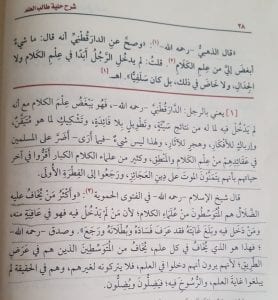
“He hated Ilmul Kalaam (ref1), even though he never entered into it due to its evil consequences, monotonous speech without benefit, the doubts it presents in affairs that are already established based on certainty, the confusion it causes and leading to abandonment of the [authentic] narrations. There is nothing- based on what I can see or what I hold – more harmful to the Muslims in their creed than Ilmul Kalaam and philosophical logic. Many of the senior scholars of philosophical rhetoric affirmed – at the end of their lives – that they wished to die upon the religion [i.e. the religion that is in conformity with what is found in the Qur’aan, authentic Sunnah and understanding of the pious predecessors] and return to their natural disposition [i.e. Islaam as revealed in the authentic texts].

Shaikhul Islam Ibn Taymiyyah [rahimahullaah] said, “The ones it is feared for the most that they will fall into misguidance are those scholars of philosophical rhetoric at the intermediate level, because those who did not engage in it were safe from its evils; and those who engaged in it and reached a high level became acquainted with its corruption and falsity, and thus left it”. He [Shaikhul Islaam] spoke the truth, for this is what is feared in every affair of knowledge. It is what is feared for the ones at the intermediate level in knowledge- those who are exploring the path [or are in the path of study], because indeed they consider themselves as ones who have entered into affairs of knowledge and do not leave the affair to others [i.e. they enter into affairs that are above their ability to deal with], whilst – in reality- they have not reached the highest level in knowledge and are not grounded; so they become misguided and misguiding others. [Sharh Hilyati Taalibil Ilm page 28. paraphrased]

Muhammad Hijab, the Falasifah, Mutafalsifah and Jahmiyyah: Laying the Foundations for the Dīn of the Philosophers and Jahmites

http://www.aqidah.com/creed/articles/fespl-muhammad-hijab-the-falasifah-mutafalsifah-and-jahmiyyah.cfm


Ref 1: What is Ilmul Kalaam: See links:

https://safeshare.tv/x/gJUaLNGaW-k#

http://www.asharis.com/creed/authors/Abu.Iyaad.cfm

http://www.asharis.com/creed/articles/sqyljes-the-history-and-origins-of-the-kalam-theology-of-the–asharis-and-maturidis.cfm

Do Not Be Shy! [Ask The Upright Student of Knowledge In Your Country If You Cannot Understand His Statement On a Particular Subject Matter]

In The Name of Allaah, The Most Merciful, The Bestower of Mercy.

Employ Careful Deliberation Before Transmitting or Making Judgements On Statements

Shaikh Uthaymeen [rahimahullaah]

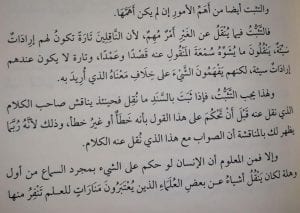
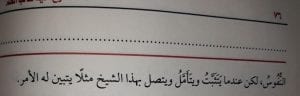
Verification is one of the most important affairs, if not the most important. Verifying what is transmitted from others is an important affair, because sometimes the transmitters harbour evil intentions, so they transmit – intentionally and deliberately – that which will tarnish the reputation of the one they transmit from. And sometimes they do not harbour an evil intention, but they understand something in a manner that is opposite to what is intended by it. Therefore, it is obligatory to verify. So, when the proof [sound source] of the transmission is established, then the one from whom the statement was transmitted is engaged in a discussion [or his statement is examined] before a judgement is passed as to whether it is a mistake or not. That is because it may become clear to you – by way of discussion [or observation] – that the one from whom the statement was transmitted is correct. And if not, then what is known is that if a person were to immediately pass a judgement merely based on what he hears, he will transmit things [i.e. statements, views, opinions etc] from some of the scholars – those considered to be the beacons of [Sharee’ah] knowledge – that which the souls will dislike; but when one verifies, contemplates and establishes contact with this Shaikh, the affair will become clarified [or clear to him]. [Excerpt from Sharh Hilyatil Taalibil Ilm Pages 75-76. By Shaikh Uthaymeen (rahimahullaah). Paraphrased]

Ask Questions to Understand, and Benefit Others, But Not For The Purpose of Fitna Or Merely Seeking to Hit One Statement of a Student Which You Do Not Agree With Against Another Statement!

Shaikh Abdur Razzaaq Al-Badr [hafidhahullaah] said:

It is not a condition that a questioner can only ask about what he does not know, rather he can ask about something he knows but is not known to others; so he asks a question in order to facilitate understanding for others.

If you are in the presence of a scholar and you know that some of those present fall short in affairs related to the prayer- either lackadaisical or that they do not perform the prayer on time, or that they fall short in some of its Shuroot [conditions] and waajibaat [obligatory acts of the prayer] – so you ask a question regarding these affairs even though you know the answer; you ask in order to benefit those who are present and so that they are facilitated with understand in their religion. These types of questions are very beneficial as opposed to questions that are not correct – that is because some people ask questions in order to confuse those present and bring about doubts etc. A question cannot be beneficial unless the questioner intends to benefit himself and others.

When Jibreel [alayhis-salaam] came to the Messenger [sallal-laahu-alayhi-wasallam] he did not appear as a teacher, rather he asked questions, even though the Messenger described him as one who came to teach the people their religion. This shows that the one who asks a scholar a question in order that the people can learn what they do not know is rewarded like one who teaches people their religion.

A scholar teaches people directly, but the one who asks the scholar a question becomes a means for the people to learn, for the one who guides to good is like one who does the good deed.  For example if you ask a student of knowledge in your country to give lessons in your Masjid –to teach the forty hadeeth of An-Nawawi or other books of the scholars, and you inform him of the needs of the people, so he begins to teach, explain and revise etc you will receive all that reward. The one who guides to good is just like one who performs the good deed. The commoner can be a means to teaching others by asking a scholar, or by gathering other commoners to take them to the circles of knowledge, disseminating beneficial audio lectures etc. [An excerpt from ‘Sharh of the forty hadeeth of Imaam An-Nawawi (rahimahullaah)’. Lesson number 2]

Reminder Regarding The Great Value of The Upright Students of The Scholars, Especially During This Lock down

In The Name of Allaah, The Most Merciful, The Bestower of Mercy.

Imaam As-Sadi [rahimahullaah] said: They [i.e. the Mu’allimoon] are the mediators between the Messenger [sallal-laahu-alayhi-wasallam] and his Ummah with regards to propagation of his religion and clarification of his Sharee’ah. Had it not been for these ones, the people would have been like cattle. They are the ones who guide the Ummah in the fundamental and subsidiary affairs of their Religion. They return them to the rulings pertaining to the rights and dealings that are incumbent upon a person to fulfil, just as they return them to the affairs related to acts of worship.

Through them, the Book and the Sunnah are established; truth is distinguished from falsehood, guidance is distinguished from misguidance, the lawful is distinguished from the unlawful, good is distinguished from evil, and [sound] rectification is distinguished from corruption.

They are of varying ranks, in accordance with what they establish of knowledge, teaching and benefit- great or small. They have great rights [to be fulfilled] by the ummah and are possessors of a lofty status. Therefore, the people must have love and respect for them. They must recognise their excellence and virtue, and thank them greatly. They are to supplicate for them in private and public, and seek nearness to Allaah by having love for them and praising them. They are to proclaim their excellence; guard the hearts [from harbouring evil against them] and [prevent] the tongues [from] insulting them, for this would tarnish their excellence. [Source: An Excerpt From ‘Noorul Basaa-ir Wal Albaab Fee Ahkaamil Ibaadaat Wal-Mu-aamalaat Wal Huqooq Wal Aadaab, page: 57-58. Slightly paraphrased]

A Statement About Prohibition Against Innovations In The Religion That Can Be Understood By Everyone With Some Common Sense!

In The Name of Allaah, The Most Merciful, The Bestower of Mercy.

Shaikhul Islaam Ibn Taymiyyah [rahimahullaah] said:

Groups amongst the people thought that the religion needed innovation, especially in their chosen path; but the affair is not as they thought, for indeed Allaah [The Exalted] said: [ٱلۡيَوۡمَ أَكۡمَلۡتُ لَكُمۡ دِينَكُمۡ وَأَتۡمَمۡتُ عَلَيۡكُمۡ نِعۡمَتِى وَرَضِيتُ لَكُمُ ٱلۡإِسۡلَـٰمَ دِينً۬ا‌ۚ – This day, I have perfected your religion for you, completed My Favour upon you, and have chosen for you Islam as your religion]. [Surah Al-Maa’idah. Aayah 3].

Likewise, other texts shows that the Messenger [sallal laahu alayhi wasallam] acquainted the Ummah with everything they need in their religious affairs. Allaah said: [وَمَا ڪَانَ ٱللَّهُ لِيُضِلَّ قَوۡمَۢا بَعۡدَ إِذۡ هَدَٮٰهُمۡ حَتَّىٰ يُبَيِّنَ لَهُم مَّا يَتَّقُونَ‌ۚ – And Allah will never lead a people astray after He has guided them until He makes clear to them as to what they should avoid]. [Surah At-Tawbah. Aayah 115]

The Messenger [sallal laahu alayhi wasallam] said: “Verily the one – among you – who lives long will see a lot of differing, so you must adhere to my Sunnah and to the Sunnah of the Khulafaa Ar Raashideen [the rightly guided caliphs], hold onto it firmly with your molar teeth” [i.e. adhere to it firmly].

Had it been that the Sunnah of the Prophet [sallal-laahu-alayhi wasallam] and that of the Khulafaa Ar-Raashideen is not suitable and sufficient for the believer during times of much differing, it would not be permissible to command that one [returns and adheres to it]. And also he [sallal laahu alayhi wasallam] used to say in his sermons, “The worst of all affairs [in the religion] are the newly invented matters and every innovation [in the religion] is misguidance”. [An Excerpt from Al-Istiqaamah. Pages 35-36. slightly paraphrased]

The Sound Rectification of Nations Can Only Occur Through Sound Aqeedah!

In The Name of Allaah, The Most Merciful, The Bestower of Mercy.

Shaikh Saaleh Al-Fawzaan [may Allaah preserve him] said:

الحمد لله رب العالمين، وصلى الله وسلم على نبينا محمد خاتم الرسل، ومن تمسك بسنته وسار على نهجه الى يوم الدين

The rectification of every nation and its [upright] ascendancy is tied to the soundness of its Aqeedah and Afkaar [views or thoughts]; therefore, due to this reason, the Message of the Prophets [alayhimus salaatu was-salaam] came to rectify the Aqeedah [of the people]. So, the first thing every Messenger said to his people [was]: [ٱعۡبُدُواْ ٱللَّهَ مَا لَكُم مِّنۡ إِلَـٰهٍ غَيۡرُهُ- Worship Allah! You have no other Ilah (God) but Him. (La ilaha ill-Allah: none has the right to be worshipped but Allah)]. [Surah Al-A’raaf’ Aayah 59]

[Allaah (The Most High) said]: [وَلَقَدۡ بَعَثۡنَا فِى ڪُلِّ أُمَّةٍ۬ رَّسُولاً أَنِ ٱعۡبُدُواْ ٱللَّهَ وَٱجۡتَنِبُواْ ٱلطَّـٰغُوتَ‌ۖ – And verily, We have sent among every Ummah (community, nation) a Messenger (proclaiming): “Worship Allah (Alone), and avoid (or keep away from) Taghut (all false deities, etc. i.e. do not worship Taghut besides Allah)]”. [Surah An-Nahl’ Aayah 36]

And that is because Allaah [Glorified be He and free is He from all Imperfections] created the Khalq [i.e. Jinn and Mankind] to worship Him alone and not to associate anything as a partner with Him, just as [Allaah (The Most High)] said: [وَمَا خَلَقۡتُ ٱلۡجِنَّ وَٱلۡإِنسَ إِلَّا لِيَعۡبُدُونِ -And I (Allah) created not the jinns and humans except they should worship Me (Alone)]. [Surah Adh-Dhaariyaat’ Aayah 56]

Ibaadah [worship] is a right due to Allaah [alone] which His slaves must fulfil, just as the Prophet [sallal-laahu-alayhi-wasallam] said to Mu’aadh Bin Jabal [radiyallaahu-anhu]: “O Mu’adh, do you know what is the right of Allah upon His servants?” I said, “Allah and His Messenger know best.” The Prophet said, “To worship Him alone and to associate none in worship with Him. And do you know what is their right upon Him?” I said, “Allah and His Messenger know best.” The Prophet said, “Not to punish them if they do so.” [Bukhari]

The is the first and foremost Right [or obligation one must fulfil] without exception. Nothing else precedes it nor is precedence given to the rights of anyone [or the obligations owed to anyone] over it. Allaah [The Most High] said: [وَقَضَىٰ رَبُّكَ أَلَّا تَعۡبُدُوٓاْ إِلَّآ إِيَّاهُ وَبِٱلۡوَٲلِدَيۡنِ إِحۡسَـٰنًا‌ۚ – And your Lord has decreed that you worship none but Him. And that you be dutiful to your parents]. [Surah Al-Israa’ Aayah 23]

قُلۡ تَعَالَوۡاْ أَتۡلُ مَا حَرَّمَ رَبُّڪُمۡ عَلَيۡڪُمۡ‌ۖ أَلَّا تُشۡرِكُواْ بِهِۦ شَيۡـًٔ۬ا‌ۖ وَبِٱلۡوَٲلِدَيۡنِ إِحۡسَـٰنً۬ا‌ۖ

Say (O Muhammad ): “Come, I will recite what your Lord has prohibited you from: Join not anything in worship with Him; be good and dutiful to your parents. [Sural Al-An’aam’ Aayah 151] [End of quote]

And regarding the statement of the Prophet [sallal-laahu-alayhi-wasallam]: What is the right of Allaah upon His slaves? This means that which [i.e. the obligations] Allaah has obligated on them. And regarding the statement of the Prophet [sallal-laahu-alayhi-wasallam]: What is the right of the slaves upon Allaah? Meaning: That which Allaah has obligated on Himself in dealing with them. The slaves cannot obligate anything, rather Allaah obligated it upon Himself as a blessing from Allaah bestowed upon His slaves.

Allaah [The Most High] said: [كَتَبَ رَبُّكُمۡ عَلَىٰ نَفۡسِهِ ٱلرَّحۡمَةَ‌ۖ أَنَّهُ ۥ مَنۡ عَمِلَ مِنكُمۡ سُوٓءَۢا بِجَهَـٰلَةٍ۬ ثُمَّ تَابَ مِنۢ بَعۡدِهِۦ وَأَصۡلَحَ فَأَنَّهُ ۥ غَفُورٌ۬ رَّحِيمٌ۬ – Your Lord has written Mercy for Himself, so that, if any of you does evil in ignorance, and thereafter repents and does righteous good deeds (by obeying Allah), then surely, He is Oft-Forgiving, Most Merciful]. [Surah Al-An’aam’ Aayah 54]

So, Allaah [Glorified be He and free is He from all imperfections] obligated on Himself that He will show mercy to the one who does evil in ignorance – meaning: out of foolishness and lack of good behaviour, but then he repents and does righteous deeds. And the meaning of  [كتب in this Aayah] is [  أوجب – obligated].  [Al-Qawlul Mufeed Alaa Kitaabit Tawheed’ by Shaikh Uthaymeen [rahimahullaah]’ 1/46]

And due to the precedence given to this obligation [i.e. to worship Allaah alone and not to associate anyone or anything with Him in worship] over all other obligations, and since it is the basis of all the rulings of the religion, we find that the Prophet [sallal laahu alayhi wasallam] stayed in Makkah for thirteen years -calling the people to worship Allaah alone and negated all partners associated with Allaah in worship.

The majority of the Aayaat of the Noble Qur’aan established this affair of Tawheed and negated all the doubts held by the people regarding it. Every performer of the prayer, whether whilst performing an obligatory or optional prayer, has made a covenant with Allaah that he [or she] will establish this affair when he [or she] says: [إِيَّاكَ نَعۡبُدُ وَإِيَّاكَ نَسۡتَعِينُ – You (Alone) we worship, and You (Alone) we ask for help (for each and everything). This great obligation is called Tawheed Al-Ibaadah [i.e. to single out Allaah in worship]

Ibn Abbaas [radiyallaahu-anhumaa] said: “There were ten generations between Nuh and Aadam – all of them used to be upon the true path [i.e. upon the sound Aqeedah of Tawheed and worship]. [Ref 1] Al-Allaamah Ibnul Qayyim [rahimahullaah] said, “This is the correct statement regarding the Aayah” and then he mentioned – from the Qur’aan –  that which supports this statement. [Ref 2]

Shirk first started amongst the people of Nuh when they exaggerated [or went beyond bounds regarding the status] of the righteous people and turned away from the call of their Prophet [Nuh] out of pride. [Allaah said that Nuh said that his people said]: [وَقَالُواْ لَا تَذَرُنَّ ءَالِهَتَكُمۡ وَلَا تَذَرُنَّ وَدًّ۬ا وَلَا سُوَاعً۬ا وَلَا يَغُوثَ وَيَعُوقَ وَنَسۡرً۬ا – And they have said: ‘You shall not leave your gods, nor shall you leave Wadd, nor Suwa’, nor Yaghuth, nor Ya’uq, nor Nasr] [Ref 3]

Al-Bukhaari [rahimahullaah] said: It has been narrated from Ibn Abbaas [radiyallaahu -anhumaa] that these were the names of pious people amongst the people of Nuh, and when they died, shaytaan inspired their people to (prepare) and place idols at the places where they used to sit, and to call those idols by their names. They did so, but did not worship them until those people (who initiated them) had died and the origin of the idols had become obscure, whereupon people began worshipping them. [Ref 4]

Indeed, Tawheed is of two types: Tawheed Fil Ma’rifah Wal Ith’baat and it is Tawheed Ar-Ruboobiyyah [Ref 5], which includes affirmation that Allaah alone is the Creator, the One in control over the entire affairs of the universe, the giver of life and death, the One who bestows all good and repels harm. The polytheists used to affirm [this category of Tawheed] even though they associated partners with Allaah in worship, just as Allaah [The Most High] stated about them:

قُلۡ مَن يَرۡزُقُكُم مِّنَ ٱلسَّمَآءِ وَٱلۡأَرۡضِ أَمَّن يَمۡلِكُ ٱلسَّمۡعَ وَٱلۡأَبۡصَـٰرَ وَمَن يُخۡرِجُ ٱلۡحَىَّ مِنَ ٱلۡمَيِّتِ وَيُخۡرِجُ ٱلۡمَيِّتَ مِنَ ٱلۡحَىِّ وَمَن يُدَبِّرُ ٱلۡأَمۡرَ‌ۚ فَسَيَقُولُونَ ٱللَّهُ‌ۚ فَقُلۡ أَفَلَا تَتَّقُونَ

Say (O Muhammad): “Who provides for you from the sky and from the earth? Or who owns hearing and sight? And who brings out the living from the dead and brings out the dead from the living? And who disposes the affairs?” They will say: “Allah.” Say: “Will you not then be afraid of Allah’s Punishment (for setting up rivals in worship with Allah)?” [Surah Yoonus’ Aayah 31]

The likes of these Aayaat are many and in them are clear clarifications that the polytheists used to affirm this category of Tawheed, but they used to wilfully deny the other category- Tawheed Al Ibaadah, which is to single out Allaah in Talab and Qasd [Ref 6] in every act of worship, and this necessitates the statement ‘there is no deity worthy of worship except Allaah’.

And because of this, the Prophet [sallal laahu alayhi wasallam] asked the polytheists to testify and believe that there is no deity worthy of worship except Allaah, but  [Allaah said that they replied]: [أَجَعَلَ ٱلۡأَلِهَةَ إِلَـٰهً۬ا وَٲحِدًا‌ۖ إِنَّ هَـٰذَا لَشَىۡءٌ عُجَابٌ۬- Has he (i.e. Muhammad-sallal laahu alayhi-wasallam) made the aliha (gods) (all) into One Ilah (God – Allah). Verily, this is a curious thing!” [Surah Saad’ Aayah 5]

[That is] because they knew that whoever says this [i.e. Laa ilaaha Ilal laah], then indeed he has acknowledged that everything worshipped besides Allaah is false and affirmed that only Allaah has the right to be worshipped; because the meaning of Al-Ilaa [i.e. god] is Al-Ma’bood [i.e. an object of worship]. As for worship, it is a comprehensive term for everything that Allaah loves and is pleased with- [including] statements and actions, whether inward [i.e. acts of worship of the heart, such as love, fear, hope etc] or outward [i.e. apparent acts of worship carried out by the limbs].

Therefore, whoever utters this statement Laa Ilaaha illal laah [i.e. there is no deity worthy of worship except Allaah], but then he invokes others besides Allaah, indeed he has contradicted himself. An affirmation of Tawheed Ar-Ruboobiyyah [ i.e. that Allaah alone is the Creator, the One in control over the entire affairs of the universe, the giver of life and death, the One who bestows all good and repels harm] necessitates that a person should also affirm in his heart and by way of his actions that Allaah alone is the deity worthy of worship. And due to this, the Messengers used to command their nations to affirm that Allaah alone is the deity worthy of worship by reminding them about what they have already affirmed regarding Tawheed Ar-Ruboobiyyah, just as Allaah [The Most High] said: [ذَٲلِڪُمُ ٱللَّهُ رَبُّكُمۡ‌ۖ لَآ إِلَـٰهَ إِلَّا هُوَ‌ۖ خَـٰلِقُ ڪُلِّ شَىۡءٍ۬ فَٱعۡبُدُوهُ‌ۚ وَهُوَ عَلَىٰ كُلِّ شَىۡءٍ۬ وَڪِيلٌ۬ – Such is Allah, your Lord! La ilaha illa Huwa (none has the right to be worshipped but He), the Creator of all things. So, worship Him (Alone), and He is the Wakil (Trustee, Disposer of affairs, Guardian, etc.) over all things]. [Surah Al-An’aam’ Aayah 102]

[Allaah (Th Most High) said]: [وَلَٮِٕن سَأَلۡتَهُم مَّنۡ خَلَقَ ٱلسَّمَـٰوَٲتِ وَٱلۡأَرۡضَ لَيَقُولُنَّ ٱللَّهُ‌ۚ قُلۡ أَفَرَءَيۡتُم مَّا تَدۡعُونَ مِن دُونِ ٱللَّهِ إِنۡ أَرَادَنِىَ ٱللَّهُ بِضُرٍّ هَلۡ هُنَّ كَـٰشِفَـٰتُ ضُرِّهِۦۤ أَوۡ أَرَادَنِى بِرَحۡمَةٍ هَلۡ هُنَّ مُمۡسِكَـٰتُ رَحۡمَتِهِۦ‌ۚ – And verily, if you ask them: “Who created the heavens and the earth?” Surely, they will say: “Allah (has created them).” Say: “Tell me then, the things that you invoke besides Allah, if Allah intended some harm for me, could they remove His harm, or if He (Allah) intended some mercy for me, could they withhold His Mercy?] [Surah Az-Zumar’ Aayah 38]  [Refs 5 & 6: see article for further detail: http://www.salafipublications.com/sps/sp.cfm?subsecID=MNJ07&articleID=MNJ070003&articlePages=1 ]

The first command in the Mus’haf is the statement of Allaah [The Most High]:

يَـٰٓأَيُّہَا ٱلنَّاسُ ٱعۡبُدُواْ رَبَّكُمُ ٱلَّذِى خَلَقَكُمۡ وَٱلَّذِينَ مِن قَبۡلِكُمۡ لَعَلَّكُمۡ تَتَّقُونَ

ٱلَّذِى جَعَلَ لَكُمُ ٱلۡأَرۡضَ فِرَشً۬ا وَٱلسَّمَآءَ بِنَآءً۬ وَأَنزَلَ مِنَ ٱلسَّمَآءِ مَآءً۬ فَأَخۡرَجَ بِهِۦ مِنَ ٱلثَّمَرَٲتِ رِزۡقً۬ا لَّكُمۡ‌ۖ فَلَا تَجۡعَلُواْ لِلَّهِ أَندَادً۬ا وَأَنتُمۡ تَعۡلَمُونَ

O mankind! Worship your Lord (Allah), Who created you and those who were before you so that you may become Al-Muttaqun (the pious) – Who has made the earth a resting place for you, and the sky as a canopy, and sent down water (rain) from the sky and brought forth therewith fruits as a provision for you. Then do not set up rivals unto Allah (in worship) while you know (that He Alone has the right to be worshipped). [Surah Al-Baqarah’ Aayaat 21-22]

The statement ‘There is no deity worthy of worship except Allaah’ necessitates ‘negation’ and ‘affirmation’. Negating every other thing worshipped besides Allaah because they are not worthy of worship, and affirming that Allaah alone is the true deity worthy of worship. The religion of Tawheed is founded upon these two foundations, just as Allaah stated that Ibraaheem [alayhis salaam] said to his people:

وَإِذۡ قَالَ إِبۡرَٲهِيمُ لِأَبِيهِ وَقَوۡمِهِۦۤ إِنَّنِى بَرَآءٌ۬ مِّمَّا تَعۡبُدُونَ

إِلَّا ٱلَّذِى فَطَرَنِى فَإِنَّهُ ۥ سَيَہۡدِينِ

And (remember) when Ibrahim (Abraham) said to his father and his people: “Verily, I am innocent of what you worship; Except Him (i.e. I worship none but Allah Alone) Who did create me, and verily, He will guide me.” [Surah Az-Zukhruf’ Aayaat 26-27]

This was the path of every Messenger sent by Allaah [to the people]. Allaah [The Most High] said:

وَلَقَدۡ بَعَثۡنَا فِى ڪُلِّ أُمَّةٍ۬ رَّسُولاً أَنِ ٱعۡبُدُواْ ٱللَّهَ وَٱجۡتَنِبُواْ ٱلطَّـٰغُوتَ‌ۖ

And verily, We have sent among every Ummah (community, nation) a Messenger (proclaiming): “Worship Allah (Alone), and avoid (or keep away from) Taghut (all false deities, etc. i.e. do not worship Taghut besides Allah).” [Surah An-Nahl’ Aayah 36]

Allaah [The Most High] said: [فَمَن يَكۡفُرۡ بِٱلطَّـٰغُوتِ وَيُؤۡمِنۢ بِٱللَّهِ فَقَدِ ٱسۡتَمۡسَكَ بِٱلۡعُرۡوَةِ ٱلۡوُثۡقَىٰ لَا ٱنفِصَامَ لَهَا‌ۗ – Whoever disbelieves in Taghut and believes in Allah, then he has grasped the most trustworthy handhold that will never break]. [Surah Al-Baqarah’ Aayah 256]

Whoever says that ‘There is no deity worthy of worship except Allaah’ has indeed declared his freedom from every other thing worshipped besides Allaah and obligated on himself [or herself] to worship Allaah [alone]. This is a covenant obligated by a person on himself. [Allaah (The Most High) said]:

فَمَن نَّكَثَ فَإِنَّمَا يَنكُثُ عَلَىٰ نَفۡسِهِۦ‌ۖ وَمَنۡ أَوۡفَىٰ بِمَا عَـٰهَدَ عَلَيۡهُ ٱللَّهَ فَسَيُؤۡتِيهِ أَجۡرًا عَظِيمً۬ا

Then whosoever breaks his pledge, breaks only to his own harm, and whosoever fulfills what he has covenanted with Allah, He will bestow on him a great reward. [Surah Al-Fath’ Aayah 10]

Laa Ilaaha Ilal laah – There is no deity worthy of worship except Allaah – is a declaration of Tawheed Al-Ibaadah [i.e. to single Allaah out in worship]. Therefore, whoever says this statement, knows its meaning, acts upon what it necessitates by negating shirk and affirming that Allaah alone is the true deity worthy of worship and believes in that, then he [or she] is a true Muslim.

And whoever says this statement and acts upon what it necessitates – outwardly; but does not believe in it -in his heart, then he is a hypocrite. And whoever says this statement, but acts in opposition to it by committing shirk [Ref 7]-negating what it necessitates, he is a disbeliever, even if he repeats this statement many times[Ref 8] [NB: Before continuing, the reader must refer to footnotes ref 7 and 8 at the end of this article].

This is the state of the grave worshippers of today – those who say this statement, but neither do they understand its meaning nor does it have any effect on their acts of worship; so, you see one of them saying, “There is no deity worthy of worship except Allaah”, but then he also says, “O Abdul Qaadir [i.e. Abdul Qaadir Jaylaani]! Grant me aid and assistance. O Badawi! O such and such.” He appeals to the dead people and seeks their help when faced with afflictions. [Ref 9]

Indeed, the polytheists of the earlier era had a better understanding of  Laa ilaaha ilal laah than these people [i.e. the grave worshippers of our era], because when the Messenger [sallal laahu alayhi wasallam] said to them, “Say (i.e. testify) that ”There is no deity worthy of worship except Allaah”, they knew that he was commanding them to abandon idol worship and to worship Allaah alone; so, this why -as Allaah informed us- they said: [أَجَعَلَ ٱلۡأَلِهَةَ إِلَـٰهً۬ا وَٲحِدًا‌ۖ إِنَّ هَـٰذَا لَشَىۡءٌ عُجَابٌ۬  – Has he (i.e. Muhammad) made the aliha (gods) (all) into One Ilah (God – Allah). Verily, this is a curious thing!” [Surah Saad’ Aayah 5]

And [Allaah informed us that the] people of Hud said: أَجِئۡتَنَا لِنَعۡبُدَ ٱللَّهَ وَحۡدَهُ ۥ وَنَذَرَ مَا ڪَانَ يَعۡبُدُ ءَابَآؤُنَا‌ۖ- You have come to us that we should worship Allah Alone and forsake that which our fathers used to worship. [Surah Al- A’raaf’ Aayah 70]

And [Allaah informed us that the people of Saaleh] said: [أَتَنۡهَٮٰنَآ أَن نَّعۡبُدَ مَا يَعۡبُدُ ءَابَآؤُنَا – Do you (now) forbid us the worship of what our fathers have worshipped? [Surah Hud’ Aayah 62]

And [Allaah informed us that] the people of Nuh said:

وَقَالُواْ لَا تَذَرُنَّ ءَالِهَتَكُمۡ وَلَا تَذَرُنَّ وَدًّ۬ا وَلَا سُوَاعً۬ا وَلَا يَغُوثَ وَيَعُوقَ وَنَسۡرً۬ا

And they have said: ‘You shall not leave your gods, nor shall you leave Wadd, nor Suwa’, nor Yaghuth, nor Ya’uq, nor Nasr (names of the idols). [Surah Nuh’ Aayah 23]

So, this is how the disbelievers of old understood Laa ilaaha illal laah – that it necessitates the abandonment of idol worship and that Allaah alone is to be worshipped. And because of this, they refused to utter it because it can’t be in harmony with worshipping laat, uzzaa and manaat. The grave worshippers of today do not realise this contradiction, so they say Laa ilaaha illal laah whist worshipping the dead.


[Source: An Excerpt from ‘Muhaadaraat Fil Aqeedah Wad-Da’wah’ 1/7-17. slightly paraphrased]

Ref 1: Tafseer ibn katheer 1/251.

Ref 2: Ighaathatul Lahfaan 2/201

Ref 3: Surah Nuh Ayah 23

Ref 4: Bukhaari 6/4920

Refs 5 & 6: see article for further detail: http://www.salafipublications.com/sps/sp.cfm?subsecID=MNJ07&articleID=MNJ070003&articlePages=1

Ref 7: Types of shirk: http://www.abukhadeejah.com/ahmad-an-najmees-kitaab-at-tawheed-chapter-3-fear-of-falling-into-shirk/

Ref 8: Takfeer [i.e. declaring a specific individual to be outside the fold of Islaam is carried out by the scholars based on clear principles. See links about Takfeer and excuse of ignorance by Shaikh Saaleh Al-Fawzaan]:

http://www.salafipublications.com/sps/sp.cfm?subsecID=MNJ09&articleID=MNJ090004&articlePages=1

http://www.manhaj.com/manhaj/articles/obkwf-takfir-and-the-excuse-of-ignorance-shaykh-saalih-al-fawzaan.cfm

http://www.manhaj.com/manhaj/articles/dkhtd-takfir-and-the-excuse-of-ignorance-shaykh-saalih-al-fawzaan-2.cfm

http://www.manhaj.com/manhaj/articles/gzrsz-takfir-and-the-excuse-of-ignorance-shaykh-saalih-al-fawzaan-3—takfir-of-the-raafidah.cfm

http://www.manhaj.com/manhaj/articles/illhh-takfir-and-the-excuse-of-ignorance-shaykh-saalih-al-fawzaan-4—takfir-of-the-raafidah.cfm

http://www.manhaj.com/manhaj/articles/uufmf-takfir-and-the-excuse-of-ignorance-shaykh-saalih-al-fawzaan-5.cfm

http://www.takfiris.com/takfir/articles/mlryz-summary-of-the-principles-concerning-takfir-of-a-specific-individual.cfm

Ref9:http://www.abukhadeejah.com/rescue-and-deliverance-from-other-than-allaah-and-to-supplicate-to-other-than-him-is-from-shirk-shaikh-ahmad-an-najmees-kitaab-at-tawheed-chapter-13/

Stick to the Authentic Texts & Don’t be Worried about Opposers – Shaykh Fawzaan

Take from the authentic texts (Quran and Sunnah), and leave the opinions of men, however if you do this you will become strange among the people, be patient! Be patient upon your religion, upon the statement of truth, even if what may occur to you of opposition occurs.

Ramadhaan Reminders Day 3 – “Your Actions Will Not be Accepted Unless…” Shaykh Fawzaan

DAILY VIDEO 🎥 Day 3 “Your Actions Will Not be Accepted Unless…” Shaykh Fawzaan

“Every action from the religious actions must fulfill two conditions in order for Allah, Glorified and Exalted be He, to accept it.”

Daily Ramadhaan Reminders – Taken from the live lecture done daily by Shaykh Fawzaan on Youtube. See video for the full Reminder by the Shaykh, explaining the conditions required.

Muslims Spend, Eat And Drink From Allaah’s Rizq, But Must Be Mindful of Wasteful Behaviour

In The Name of Allaah, The Most Merciful, The Bestower of Mercy.

Allaah [The Most High] said:

وَآتِ ذَا الْقُرْبَىٰ حَقَّهُ وَالْمِسْكِينَ وَابْنَ السَّبِيلِ وَلَا تُبَذِّرْ تَبْذِيرًا

إِنَّ الْمُبَذِّرِينَ كَانُوا إِخْوَانَ الشَّيَاطِينِ ۖ وَكَانَ الشَّيْطَانُ لِرَبِّهِ كَفُورًا

And give to the kindred his due and to the Miskin (poor) and to the wayfarer. But spend not wastefully (your wealth) in the manner of a spendthrift. Verily, spendthrifts are brothers of the Shayaateen (devils), and the Shaitan (Devil – Satan) is ever ungrateful to his Lord. [17:26-27]

Imaam As-Sa’di [rahimahullaah] said: Shaytaan does not call the person except to every blameworthy habit.  So he calls him to miserliness and to refrain from spending, but when the person refuses to obey him, he calls him to overspending and extravagance; but Allaah calls to the most just and balance of affairs and He praises the person for that, as He [The One free from all imperfections] stated about His faithful slaves:

وَالَّذِينَ إِذَا أَنْفَقُوا لَمْ يُسْرِفُوا وَلَمْ يَقْتُرُوا وَكَانَ بَيْنَ ذَٰلِكَ قَوَامًا

And those, who, when they spend, are neither extravagant nor miserly, but hold a medium (way) between those (extremes).'[Surah Furqaan; Ayah: 67] [1]

Imaam Ibn Qudaamah [rahimahullaah] said: ‘’The most severe type of miserliness is that a person is miserly towards himself despite being in need; for how many a miser has wealth and falls ill, but he does not seek medication.  He yearns for something but miserliness prevents him from [getting it]’’. [2]

Shaikh Saaleh Al-Fawzaan [may Allaah preserve him] said: The Waleemah is a Prophetic Sunnah intended for the purpose of announcing a marriage and manifesting joy and happiness during this noble occasion. However, it has to be carried out within the boundaries of the Islamic rules and regulations, and neither being wasteful nor extravagant. To reduce spending and not being extravagant and wasteful is an obligation during marriage ceremonies and other than it. Those squanderers who waste meat and food, and dispose of it in waste bins should be reminded that there are hungry people hoping for a mouth full of (food) and a scrap of bread. [They should be reminded] to fear Allaah and to fear Him in their gatherings, and that they do not become the cause of Allaah’s blessings being stopped.


[1]: Tayseer Al-Kareem Ar-Rahmaan Fee Tafseer Kalaam Al-Mannaan]

[2] An Excerpt from ‘[Mukhtasar Minhaaj Al-Qaasideen’ page 218]

[3] An Excerpt from ‘Al-Bayaan Li-Akhtaa’i Badil Kuttaab 1/27’]

Character And Its Appropriate Limits or Boundaries– By Imaam Ibnul Qayyim [rahimahullaah]

In The Name of Allaah, The Most Merciful, The Bestower of Mercy.

Imaaam Ibnul Qayyim [rahimahullaah] said:

Akhlaaq [i.e. moral character] have limits. Transgression occurs when one goes beyond its limits and deficiency and humiliation occurs when one falls short.

The limits of Anger are: Praiseworthy bravery and having a dislike for despicable and deficient [behaviour etc.]. This is its perfection; but when one goes beyond its limits, the person transgresses and oppresses; and if his anger is deficient, he’ll behave in a cowardly manner and will not detest despicable [behaviour etc.].

The limits of Eagerness are: To obtain what suffices one’s [needs] in the worldly affairs and employ the [means] to reach them. Humiliation and a waste of [valuable time or opportunity] occurs when a person lacks eagerness; but when he goes beyond its limits, it leads to vehement greed and unpraiseworthy desire.

The limits of Envy are: [Praiseworthy] competition in seeking after perfection and not wanting the other competitor to excel you; [but] if a person goes beyond its limits, it leads to jealous animosity and oppression by way of which a person wishes that the one he envies is deprived of blessings and is eager to harm him. And if a person lacks [what is required of it], it leads to disesteem and a weakness in one’s ambition. The Prophet [sallal-laahu-alayhi-wasallam] said: “There should be no envy except in two [people]: a person whom Allah has given wealth and he spends it in the right way, and a person whom Allah has given wisdom [i.e. religious knowledge] and he judges by way of it and teaches it to the others.”  This type of envy [necessitates praiseworthy] competition between one another and the Haasid [i.e. the one who is envious of his or her competitor] seeks -by way of it- to be similar to the one he envies, whilst not [harbouring that] despised envy which [necessitates that he] wishes that the blessings bestowed upon the envied one should cease to exist.

The limits of Desires are: [Desires are a means] of relaxation for the heart and intellect after exerting oneself in acts of obedience and seeking to accomplish virtuous deeds. However, when a person goes beyond its limits, it leads to a strong and barely uncontrollable emotion and lewdness, and thus the person descends to the level of animals. However, when a person is lacking in desire and does not [utilised it as a means] of seeking after perfection and virtue, it leads to weakness, impotence and humiliation.

The limits of Relaxation are: It gives renewed strength to the self and strengthens one’s mental ability, in order to facilitate [him with the ability] to carry out acts of obedience and accomplish virtuous deeds, and so that one is not weakened by toil and tiredness. However, when a person goes beyond its limits, it leads to unenthusiasm, laziness, waste [of time and opportunity] and many beneficial affairs of a person are missed due to that. And when a person lacks sufficient relaxation, it harms his strength and may even become enfeebled [by way of it].

The limits of Generosity are between two extremes; when one goes beyond its limits, it leads to extravagance and squander. And when a person is lacking in generosity, it leads to miserliness and tight-fistedness.

The limits of Bravery: When a person goes beyond its limits, it leads to recklessness; and when a person lacks bravery, it leads to cowardice and weakness. Its limit is to take action during occasions in which such action is required and to refrain when not required.

The limits of Jealousy: When one goes beyond its limits, it leads to false accusation and [unjustified] evil suspicion against one who is free from blame. And when one lacks jealousy, it leads to heedlessness and a lack of giving importance to one’s honour.

The limits of Humility: When one goes beyond its limits, it leads to indignity and humiliation. And when one lacks humility, it leads to pride and boasting.

Honour has limits. When a person goes beyond its limits, it leads to pride. And when a person lacks honour, it leads to humiliation and indignity.

What gives an upright balance to all these affairs? Justice provides a precise and upright balance for [all the above-mentioned qualities] and this necessitates that a person adheres to the balanced path ordained by the Islamic legislation-the path that is free from exaggeration and negligence. All beneficial affairs of the worldly life and the afterlife are based on this; rather physical well-being cannot be achieved except by way of it, because when some of the elements of the human body are distanced from its appropriate balance -either due to exceeding its limits or falls short – it loses its well-being and strength in accordance with the degree of [this imbalance]. Likewise, when those natural acts, such as sleep, staying up late at night, eating, drinking, sexual intercourse, movement, recreation, seclusion, keeping company with the people and other than that are performed with moderation – neither being excessive nor lacking in what is required – it is regarded to be [upright, appropriate, balanced]; but when a person deviates to one of the two extremes, it is regarded to be a deficiency and will have deficient end results.

And one of the most noble and beneficial sciences is the knowledge regarding the hudood [the appropriate limits], especially the divine limits-the commands and prohibitions [ordained by Allaah (The Most High) and His Messenger (sallal-laahu-alayhi-wasallam)]. The most knowledgeable people are those who have the most knowledge regarding those divine limits, hence they neither include- within those limits- that which is not from them nor remove that which is included in them. Allaah [The Most High] said: [ٱلۡأَعۡرَابُ أَشَدُّ ڪُفۡرً۬ا وَنِفَاقً۬ا وَأَجۡدَرُ أَلَّا يَعۡلَمُواْ حُدُودَ مَآ أَنزَلَ ٱللَّهُ عَلَىٰ رَسُولِهِ – The bedouins are the worst in disbelief and hypocrisy, and more likely to be in ignorance of the limits (Allah’s Commandments and His Legal Laws, etc.) which Allah has revealed to His Messenger]. [Soorah At-Tawbah’ Aayah 97]

Therefore, the most just, balanced and upright people are those who stay within the limits of the Akhlaaq, actions and the deeds legislated in the Islamic legislation- in knowledge and practice. [Source: An Excerpt from ‘Al-Fawaa’id page 207- 209]