The Response

In The Name of Allah, The Most Merciful, The Bestower of Mercy.

Allah [The Most High] said:

يَا أَيُّهَا الَّذِينَ آمَنُوا اسْتَجِيبُوا لِلَّهِ وَلِلرَّسُولِ إِذَا دَعَاكُمْ لِمَا يُحْيِيكُمْ ۖ وَاعْلَمُوا أَنَّ اللَّهَ يَحُولُ بَيْنَ الْمَرْءِ وَقَلْبِهِ وَأَنَّهُ إِلَيْهِ تُحْشَرُونَ

O you who believe! Answer Allah and (His) Messenger when he calls you to that which will give you life, and know that Allah comes in between a person and his heart. And verily to Him you shall (all) be gathered. [8:24]

Imam Ibn Al-Qayyim, may Allah have mercy upon him, said:

This Ayah comprises some affairs and one of them is that a beneficial life is only attained through obedience to Allah and His Messenger, therefore, whoever does not submit to this call (of Allah and His Messenger) will have no life (upright guidance), even though he has a life similar to that of the most despicable animals (i.e. eats, drinks and fulfils desires whilst devoid of the sound faith that enables a person to distinguish between guidance and misguidance).

A real and good life is the life of that one who answers the call of Allah and His Messenger- outwardly and inwardly. They are those who are alive (with sound faith in this life), and even if they have passed away (their righteous example remains). As for others besides them, they are dead (with hearts devoid of sound faith), even if their bodies are alive. This is why the one with the most perfect life amongst the people is the one with the most perfect response to the call of the Messenger because there is life (upright guidance) in everything he calls to. Therefore, whoever missed a portion of it will miss a portion of life and there is life in accordance with his response to his call.

[لِمَا يُحْيِيكُمْ -To that which will give you life].

Mujaahid, may Allah have mercy upon him, “Meaning, the truth”.

Qataadah, may Allah have mercy upon him, said, “Meaning, this Qur’an in which is life (upright guidance), safety and protection in the life of this world and the hereafter”.

As-Sa’dee, may Allah have mercy upon him, said, “Meaning, Islam. They were given life (upright guidance) by way of it after being dead (completely misguided) through disbelief”.

Ibn Ishaaq, may Allah have mercy upon him, said that Urwa Bin Zubayr, may Allah have mercy upon him, said, “Meaning, through Jihad, Allah gave you might after they had been subdued, made them powerful after being weak and protected against your enemy after being overpowered by them”.

All these interpretations are of a singular reality, and that is to fulfil what the Messenger, peace and blessings of Allah be upon him, conveyed – outwardly (deeds) and inwardly (sound belief in the heart).

Al-Farraa’i, may Allah have mercy upon him, said, “If you are called to that which gives life” means when you are commanded to perform Jihad against your enemy. He intends that the believers become strong through Jihad, and if they were to abandon Jihad their authority would become weak and their enemy would gain an advantage over them. Jihad is one of the greatest of affairs by way of which they are given life in the worldly life (enabled to establish and follow the upright religion), in the Barsakh (life of bliss in the grave) and in the Hereafter (a life of bliss in paradise). As for the worldly life, their power and domination over their enemy is by way of Jihad. [Footnote a] And regarding the Barsakh, Allah said:

وَلاَ تَحْسَبَنَّ الَّذِينَ قُتِلُوا فِي سَبِيلِ اللَّهِ أَمْوَاتًا بَلْ أَحْيَاءٌ عِنْدَ رَبِّهِمْ يُرْزَقُونَ

Think not of those who are killed in the Way of Allah as dead. Nay, they are alive, with their Lord, and they have provision].[Surah Al-Imran. Ayah 169]

As for in the Hereafter, indeed the share of the Mujaahideen and Shuhadaa with regards to life and bliss would be greater than that of others besides them. Due to this, Ibn Qutaybah, may Allah have mercy upon him, said regarding Allah’s statement:[لِمَا يُحْيِيكُمْ -To that which will give you life] means “martyrdom”. Some of the Mufassiroon said that it means “Paradise” because it is the abode of the eternal good life. The Ayah includes all these affairs because Iman, Islam, the Qur’an and Jihad give the hearts a good life (upright guidance) and perfect life in Paradise, and the Messenger is a caller to Iman and Paradise, therefore, he is a caller to life in the life of this world and the Hereafter.

The life of the body enables a person to be conscious of what benefits and harms, so he chooses that which benefits over what harms him. When deprived of this, he is affected by pain and weakness. Due to this, the life of the sick person, the grief-stricken, the one afflicted with anxiety, distress, fear, poverty and humiliation is inferior to the life of the one protected from that. The life of one’s heart and soul enables a person to distinguish between truth and falsehood, between misguidance and guidance, so the person chooses the truth and not its opposite. This life benefits him with the strength to distinguish between benefit and harm in affairs of knowledge, intent and action; benefits him with the strength of Imaan, intent, love for the truth and the strength to abhor falsehood. Therefore, self-consciousness, discernment, love and aversion are (judged in accordance with) what one possesses of this life (of the heart and soul), just as the body that is alive is (judged in accordance with) its self-consciousness and perception of what is of benefit and what brings about pain.

The (first affair) is regarding the life of the body and the (other one) is about the life of the heart. The discernment of the heart ceases when the life of the heart. Even if it possesses an aspect of discernment, it will not have the strength by way of which it chooses what benefits over harm. And just as the human being cannot have life (physically) until the Angel blows the soul into him – because prior to this, he was lifeless; also, is the life of his soul and heart until the Messenger conveys to him the revelation. Allah said:

يُنَزِّلُ الْمَلاَئِكَةَ بِالرُّوحِ مِنْ أَمْرِهِ عَلَى مَنْ يَشَاءُ مِنْ عِبَادِهِ

He [Allah] sends down the angels with [Rooh (i.e. revelation)] of His Command to whom of His slaves He pleases (i.e. the chosen Messengers)]. [16:2]

Allah said:

وَكَذَلِكَ أَوْحَيْنَا إِلَيْكَ رُوحًا مِنْ أَمْرِنَا مَا كُنْتَ تَدْرِي مَا الْكِتَابُ وَلاَ الإِيمَانُ وَلَكِنْ جَعَلْنَاهُ نُورًا نَهْدِي بِهِ مَنْ نَشَاءُ مِنْ عِبَادِنَا

And thus We have sent to you (O Muhammad) Roohan (an Inspiration, and a Mercy) of Our Command. You knew not what is the Book, nor what is Faith? But We have made it (this Qur’an) a light wherewith We guide whosoever of Our slaves We will.

[Life of the body begins] through the angel sent by Allah to blow the soul into a person and [life of the heart through upright guidance is made possible through] the advent of the human Messenger. So, whoever receives the Rooh [i.e. the soul] brought by the Angel Messenger and the Rooh [i.e. revelation conveyed by the human Messenger] will receive two types of life. The one who receives the Rooh [soul], but not the [other Rooh (the revelation conveyed by the human Messenger)] will receive one type of life and miss the other. Allah said:

أَوَمَنْ كَانَ مَيْتًا فَأَحْيَيْنَاهُ وَجَعَلْنَا لَهُ نُورًا يَمْشِي بِهِ فِي النَّاسِ كَمَنْ مَثَلُهُ فِي الظُّلُمَاتِ لَيْسَ بِخَارِجٍ مِنْهَا

Is he who was dead and We gave him life and set for him a light whereby he can walk amongst men, like him who is in the darkness from which he can never come out?

Therefore, he is given both light and life, just as the one who turns away from the (Qur’an and Sunnah) receives both death (a misguided heart) and darkness (misguidance). Ibn Abbaas [may Allah be pleased with him and his father] and all the Mufassiroon said that such a one [i.e. the one who is guided] used to be an unbeliever, so Allah guided him.

And regarding Allah’s statement:

وَجَعَلْنَا لَهُ نُورًا يَمْشِي بِهِ فِي النَّاسِ

And set for him a light whereby he can walk amongst men.

This includes a number of affairs and one of them is that he walks amongst the people with light, whilst the people are in darkness, therefore, his example and theirs is like that of a people who got lost during nightfall and could not find their way, whilst he had light whereby he could walk in the road, and could see as well as see what he is to be cautious of. The second affair is that he walks amongst them with his light, so they borrow from it due to their need for it. The third affair is that he walks with his light on the day of judgement on the bridge of As-siraat, whilst the people of Shirk and Nifaaq remain in the darkness of their Shirk and Nifaaq.

And regarding Allah’s statement:

وَاعْلَمُوا أَنَّ اللَّهَ يَحُولُ بَيْنَ الْمَرْءِ وَقَلْبِهِ وَأَنَّهُ إِلَيْهِ تُحْشَرُونَ

And know that Allah comes in between a person and his heart. And verily to Him you shall (all) be gathered.

The first explanation of this statement is that it is well known that Allah is the one who intervenes between the believer and disbelief, between the disbeliever and Imaan, between the people of obedience and their disobedience to Him, and between the people of disobedience and their obedience to Him. This is the saying of Ibn Abbaas and the majority of the Mufassiroon.

The second explanation is that Allah is close to the heart of the human (i.e. by His All-Encompassing Perfect knowledge) and no secret is hidden from Him. This was mentioned by Al-Waahidiy from Qataadah. It appears that this statement (reported from Qataadah) is more in conformity with the context because the basis of this Istijaabah [i.e. responding to the call of Allah and His Messenger] is by way of the heart. A bodily response is of no benefit without the response of the heart because Allah comes between a person and his heart and knows whether the person has responded to Him with his heart or hides the opposite of that.

With regards to the first statement (i.e. the statement of Ibn Abbaas and the majority of the Mufassiroon), it is the fact that if one turns away from (responding to the call of Allah and His Messenger), he will not be safe and thus Allah comes between him and his hearts as a punishment because he abandoned (this response) after the truth had been explained and made clear. So, he will be like what (has been mentioned) in the statement of Allah:

وَنُقَلِّبُ أَفْئِدَتَهُمْ وَأَبْصَارَهُمْ كَمَا لَمْ يُؤْمِنُوا بِهِ أَوَّلَ مَرَّةٍ

And We shall turn their hearts and their eyes away (from guidance), as they refused to believe therein for the first time.

فَلَمَّا زَاغُوا أَزَاغَ اللَّهُ قُلُوبَهُمْ

So when they turned away (from the Path of Allah), Allah turned their hearts away (from the Right Path).

فَمَا كَانُوا لِيُؤْمِنُوا بِمَا كَذَّبُوا مِنْ قَبْلُ

But they were not such as to believe in that which they had rejected before.

This Ayah is a warning against (failing to respond) with the heart even if a response had been made by way of the limbs. [(1)]

[Footnote a]: https://www.abukhadeejah.com/salafi-shaikh-fawzaan-on-jihaad-in-our-times-and-the-guidelines-of-jihaad-according-to-islam/


[(1)]: Al-Fawaa’id.140-144. 

A Great Disclosure: Four Lives Uncovered by Their Adherence to the Two Paths

In The Name of Allah, The Most Merciful, The Bestower of Mercy.

Allah, The Most High, said:

وَكَذَٰلِكَ نُفَصِّلُ الْآيَاتِ وَلِتَسْتَبِينَ سَبِيلُ الْمُجْرِمِينَ

And thus do We explain the signs (to you O Muḥammad) in detail, and so that the way of the criminals may become evident (to you). [Surah Al-An’aam. Ayah 55] [1]

Imam Ibn Kathir, may Allah have mercy upon him, said:

Meaning, Allah [The Exalted] stated that just as He explained what was previously explained of the arguments and evidence on the path of guidance and sound judgment, and censured argumentation and stubbornness; also, He explains the signs (proofs, evidence, lessons), which those being addressed need;

ولتستبين سبيل المجرمين

And so that the way of the criminals may become evident”.

Meaning, so that the path of the criminals – those who oppose the Messengers – may become evident. [2]

Imam Ibn Al-Qayyim, may Allah have mercy upon him, said:

Those who know Allah, His Book, and the religion He has ordained are acquainted with the path of the believers and that of the criminals in detail- the two paths are visible to them, just as a path leading to its destination and the path leading to destruction is made visible. They are the most knowledgeable among the creation- the ones who benefit (the people) the most, the ones with the most useful advice and they are evidence of right guidance. This is why the Sahaabah (companions of the Prophet) have excelled over all those to come after them until the Day of Judgment because they were brought up upon the path of misguidance, Shirk, and the paths leading to destruction, and they knew them in detail; then the Messenger [peace and blessings of Allah be upon him] came to them and took them out from darkness (and entered them) into complete light- from shirk (polytheism) into Tawheed (pure Islamic Monotheism), from ignorance into knowledge, from misguidance into guidance, from injustice into justice, from confusion and blindness into guidance and clear-sightedness. They knew the worth of that which they received and were triumphant by way of it. They knew the worth of that which was contained in what they received since what is in opposition to the (truth and right guidance) manifests the goodness of what it opposes because affairs are made clear by way of their opposites. So, they (Sahaabah) increased in desire and love of that which they embraced, disliked, and hated that which they had turned away from. And of all the people, they had the most love for Tawheed, Imaan, and Islam, and had the most hatred for that which was in opposition to it. They were the most knowledgeable of the (right) path in detail.

As for those who came after the Sahaabah, among them, is one who was brought up in Islam but knows not what is in opposition to it. Therefore, some of the details of the path of the believers and that of the criminals became confusing to him because confusion occurs due to the weakness of one’s knowledge regarding both paths or one of them, as Umar Ibn Al-Khattaab [may Allah be pleased with him] said:

“The robust signposts of Islam will be undone one after the other when a people who grew up in Islam know not what Jahiliyyah-[Pre-Islamic Ignorance] is”.

This (statement shows an aspect of) Umar’s perfect knowledge. There is that one who is neither acquainted with the path of the criminals nor has it been made clear to him, or he has doubts and thus thinks that some of their ways are from the ways of the believers. This has occurred in this Ummah in many affairs of Creed, Knowledge, and deeds regarding the path of the criminals, the disbelievers, and the enemies of the Messengers, (which) was brought into the path of the believers by the one who does not know the (detailed distinction between) the path of believers and the path of the criminals, so he called to (this path), excommunicated the one in opposition and declares lawful that which Allah and His Messenger made unlawful, just as what has occurred with many of the people of bidah, such as the Jahmiyyah, the Qadariyyah, the Khawaarij, the Rawaafid and their ilk- among those who initiated a Bidah, called to it and excommunicated those who opposed it.

The people are four categories in this subject matter (i.e. their knowledge of the path of the believers and the criminals).

The first group is those who know the path of the believers and that of the criminals in detail– in both knowledge and action. They are the most knowledgeable among the creation.

The second group is those who are blind to both paths- those resembling animals. The path of the criminals is presented to them and they follow it.

The third group is those who concern themselves with (seeking) knowledge of the path of the believers and not its opposite- only acquainted with (the path of the criminals) by way of its opposition to the (path of the believers) and in a general way, and that all that is in opposition to the path of the believers is falsehood, even though that is not illustrated to him in detail; rather, turns away when he hears some of that which contradicts the path of the believers and does not preoccupy himself in understanding and knowing its falsity (i.e. by way of learning from the upright people of knowledge). This person is in a state (similar) to one who is safeguarded from following desires- whose heart is neither put at risk nor is he called to (such desires)- as opposed to those who are aware of (such desires) and their souls are inclined towards them, but they strive against it for the Sake of Allah. A letter was written to Umar Ibnul Khattaab [may Allah be pleased with him] and he was asked about this affair, as to which of the two men is the better- a man who is not put at risk by way of desires and does not go through its difficulties, or a man who is urged towards it but abandons it for the Sake of Allah? Umar wrote back saying, “The one who is desirous of sin but abandons it for the Sake of Allah is from ‘those whose hearts Allaah has tested for piety. For them, there is forgiveness and a great reward’”. [Al-Hujuraat.3]

The fourth group knows the path of evil, bidah, and kufr in detail and the path of the believers in general. This is the situation of many of those who concern themselves with the beliefs of the previous nations and that of the people of bidah (proponents of religious innovation). They are acquainted with (these affairs) in detail, but not with what the Messenger came with; rather they are acquainted with it in general even though they may know some of its affairs in detail. Whoever examines their books will see that. Likewise, those who know the paths of evil, oppression, and corruption in detail and are followers of it, if they repent, abandon these (affairs) and return to the path of the pious believers, then their knowledge of it will only be general. They will not be acquainted with it in that detailed manner known to those who spend their lives (studying) its regulations and ways.

The Objective: Indeed, Allah, Glorified be He, free from all imperfections, loves that one should know the path of His enemies to avoid and hate it, just as the path of His Awliyaa (close friends, allies) should be known and followed. [3]


[1]: Translation by Shaikh Abu Iyaad: https://www.thenoblequran.com/q/#/search/6_55%5D

[2]: Tafseer ibn Katheer

[3]: An Excerpt from ‘Al-Fawaa’d pages 167-180

The Final Blossoms of Tawhid as the Soul is About to Depart

In The Name of Allah, The Most Merciful, The Bestower of Mercy.

Imam Ibn Al-Qayyim, may Allaah have mercy upon him, said:

The Shahadah at the time of death wipes away one’s evil deeds. This is because the one who utters it at the time of departure from this world does so with certainty and knowledge of its true meaning. All his desires [i.e. worldly desires] come to an end and his rebellious soul (becomes) mild and submissive after being in (a state of) refusal and disobedience- a (state of) approval after turning away, and a state of humility after being held in high esteem. The (heart’s and the soul’s) eagerness for the worldly life and its merits departs and distances (from everything) while in the presence of its Lord, Originator and true Protector; humble in the presence of its Lord, hopeful of pardon, forgiveness and mercy.

Belief in the Oneness of Allah- [i.e. the belief in the Oneness of Allah’s Lordship (that Allah alone is the creator, provider and the one in control of all the affairs of the universe); and that Allah alone has perfect Names and Attributes without similarities, free from all imperfections, and that Allah alone has the right to be worshipped]- frees and distances the soul from that which leads to Shirk and manifests the reality of its falsity. Thus, those wishes which the soul busied itself with ceases and all its concern is (dovoted to) the One it is certain to meet [i.e. Allah].

The person focuses his attention completely on Allah- turns to Allah with his soul and desire and submits to Allah alone, inwardly and outwardly. The person’s hidden affair [i.e. the heart and soul] and outward affair [i.e. what he proclaims] testify to the same thing, thus, he says sincerely: “None has the right to be worshipped except Allah.” His heart is freed from attachment to other than Allah -all the worldly (desires) leaves the heart because he is about to stand in Allah’s presence. The intensity of his desire (for the worldly life) is extinguished and the heart is filled with the afterlife, thus it becomes the attention of his eyes and the worldly life is forgotten. [When] this sincere testimony is his last deed, it purifies him from sins and Allah enters (him into a noble position). This is because he meets Allah with a truthful and pure testimony, whose outward manifestation is in agreement with (what is hidden in the heart and soul). If a person made this testimony (with this type of conviction) during the time of well-being [i.e. whilst residing in the worldly life], he would not have placed great importance on worldly desires, rather he would have attached himself to Allah alone; but he made this testimony (in the worldly life) with a heart filled with desires, love of life and its means of subsistence. [1]

We ask Allah:

اللَّهُمَّ بِعِلْمِكَ الْغَيْبَ وَقُدْرَتِكَ عَلَى الْخَلْقِ أَحْيِنِي مَا عَلِمْتَ الْحَيَاةَ خَيْراً لِي وَتَوَفَّنِي إِذَا عَلِمْتَ الْوَفَاةَ خَيْراً لِي، اللَّهُمَّ إِنِّي أَسْأَلُكَ خَشْيَتَكَ فِي الْغَيْبِ وَالشَّهَادَةِ، وَأَسْأَلُكَ كَلِمَةَ الْحَقِّ فِي الرِّضَا وَالْغَضَبِ، وَأَسْأَلُكَ الْقَصْدَ فِي الْغِنَى وَالْفَقْرِ، وَأَسْأَلُكَ نَعِيماً لَا يَنْفَذُ، وَأَسْأَلُكَ قُرَّةَ عَيْنٍ لَا تَنْقَطِعُ، وَأَسْأَلُكَ الرِّضِا بَعْدَ الْقَضَاءِ، وَأَسْأَلُكَ بَرْدَ الْعَيْشِ بَعْدَ الْمَوْتِ، وَأَسْأَلُكَ لَذَّةَ النَّظَرِ إِلَى وَجْهِكَ وَالشَّوْقَ إِلَى لِقَائِكَ فِي غَيْرِ ضَرَّاءَ مُضِرَّةٍ وَلَا فِتْنَةٍ مُضِلَّةٍ، اللَّهُمَّ زَيِّنَّا بِزِينَةِ الْإِيمَانِ
وَاجْعَلْنَا هُدَاةً مُهْتَدِينَ

O Allah! By Your Knowledge of the unseen and by Your Power over creation, let me live if life is good for me, and let me die if death is good for me; O Allah! I ask You to grant me (the blessing of having) fear of You in private and public; And I ask you (to make me utter) a statement of truth in times of contentment and anger; And I ask You for moderation when in a state of wealth and poverty; And I ask you for blessings that never ceases; And I ask You for the coolness of my eye that never ends; And I ask You (to make me pleased) after (Your) decree; Aand I ask You for a life of (ease, comfort, tranquility etc) after death; I ask You for the delight of looking at Your Face (i.e. in the Hereafter) and yearning to meet You without any harm and misleading trials (coming upon me); O Allah! Adorn us with the adornment of Eemaan, and make us (from those who are) guided and guiding (others). [Sunan An-Nasaa’ee’ Number 1305 & declared Saheeh by Imaam Albaani (rahimahullaah) in As-Saheehah Number 1301] [2]

اللَّهُمَّ أَصْلِحْ لِي دِينِي الَّذِي هُوَ عِصْمَةُ أَمْرِي
وَأَصْلِحْ لِي دُنْيَايَ الَّتِي فِيهَا مَعَاشِي
وَأَصْلِحْ لِي آخِرَتِي الَّتِي فِيهَا مَعَادِي
وَاجْعَلِ الْحَيَاةَ زِيَادَةً لِي فِي كُلِّ خَيْرٍ
وَاجْعَلِ الْمَوْتَ رَاحَةً لِي مِنْ كُلِّ شَرٍّ

O Allah! Rectify my religion for me, which is the safeguard of my affairs; rectify my worldly [affairs], wherein is my livelihood; and rectify my Afterlife to which is my return; and make life for me [as a means of] increase in every good and make death for me as a rest from every evil. [Saheeh Muslim Number: 2720] [3]


[1] An Excerpt from ‘Al-Fawaa-id. Page: 91-92. slightly paraphrased

[2]https://salafidawahmanchester.com/2021/01/01/o-allaah-let-me-live-if-life-is-good-for-me-and-let-me-die-if-death-is-good-for-me/

[3]https://salafidawahmanchester.com/2020/12/29/o-allaah-rectify-my-religion-for-me-which-the-safeguard-of-my-affairs-a-tremendous-supplication/

The Clarity a Person Loses by Enlarging Others’ Flaws

In The Name of Allah, The Most Merciful, The Bestower of Mercy.

Abu Hurairah, may Allah be pleased with him, said: “One of you looks at the speck in his brother’s eye while forgetting the stump in his own eye.” [a]

Al-Allamah Zayd Bin Haadee Al-Madkhalee, may Allah have mercy upon him, said:

This narration shows that it is obligated to  (a person) to pre-occupy himself with his own faults before looking at that of others. It is severe heedlessness that a Muslim is heedless of his faults and delays rectification of himself, yet he criticises others and even though his faults are more and greater than that of others. Therefore, what is obligated to a Muslim and a Muslimah is to strive to prevent oneself from violating Allah’s commands and prohibition. Also, one should strive to call others to the (path of) Allah, so that they are distanced from sins, as sins are a heavy burden on a person in this life and the next, and make them incline towards obedience to Allah that would make their scales of good deeds heavy, earn a person paradise and the pleasure of Allah, and saves him from the anger of Allah and His painful punishment. However, it must be borne in mind that warning against ahlul bidah – those who call to their bidah through speech and books – is not tantamount to seeking after the faults of others, for indeed to warn against ahlul bidah is an established Sunnah- obligated by the Qur’an and the Sunnah. This is because to abandon the mention of a Mubtadi in order to warn against him is tantamount to abandonment of enjoining good and forbidding evil”. Therefore, we must make a distinction in order to know what is commanded and what is prohibited, and the difference between warning and seeking after the faults of others. [Awnul Ahadis Samad Sharh Al-Adab Al-Mufrad’ 2 /205]

Who Is Not Without Hidden Shortcomings?!

Imam Al-Qahtaanee, may Allah have mercy upon him, said:

And You (Allah) have placed love for me within the hearts….And the affection from You is through mercy and kindness….And You have spread – amongst the people – good about me… And conceal my acts of disobedience from their eyes…And you have made my good mention amongst the people common (or widespread)…until you made them all my brothers….By Allaah, if they knew the repugnance of my secret affairs (or inner self)….The one who meets me would have refused to give me Salaams…And they would have turned away from me and loath my companionship…And I would have brought disgrace upon myself after being honored…But you conceal my faults and deficiencies…And you dealt with my sins and transgression with forbearance (i.e. gave me an opportunity to repent)…So all praise and commendations- by way of my thoughts, limbs, and tongue- is Yours….[Refer to first lines of Al-Qahtaanee’s Nooniyyah]


[a] [As-Saheehah 1/74-75- Saheeh Mawqoofan]

[15] Some Extraordinary Personalities of The First Three Generations

In The Name of Allah, The Most Merciful, The Bestower of Mercy.

Tawus Ibn Kaysan, may Allah have mercy upon him

Ibn Kaysan, the Faqee, a role model, the (leading) scholar of Yemen—Abu Abdir Raḥman al-Faarisee, then Al-Yamaanee, Al-Jundee, the Hafidh.

He was among the sons of the Persians whom Kisraa (the Sasanian king) equipped to seize Yemen for him. It was said: He was the Mawla of Basheer Ibn Raysan al-Ḥimyaree; and it was also said: Rather, his allegiance was to Hamdan. I think he was born during the Khilafah of Uthman—may Allah be pleased with him, or prior to that.

He heard (ḥadith) from Zaid ibn Thabit, Aa’isha, Abu Hurayra, Zayd ibn Arqam, and Ibn Abbas. He remained in the company of Ibn Abbas for a period and was regarded among his senior companions. He also narrated from Jabir, Suraqah ibn Malik, Ṣafwa ibn Umayya, Ibn Umar, Abdullah ibn Amr, Ziyad al-A’jam, Ḥijr al-Madri, and a group (of others). He narrated from Muʿadh in mursal form.

Those Who Narrated From Him:

Aṭaa, Mujahid, a number of his peers, his son ʿAbdullah, al-Ḥasan ibn Muslim, Ibn Shihab, Ibrahim ibn Maysara, Abu Az-Zubayr al-Makki, Sulayma at-Taymi, Sulayman ibn Musa Ad-Dimashqi, Qays ibn Saʿd al-Makki, Ikrima ibn Ammar, Usama ibn Zayd al-Laythi, Abdul Malik ibn Maysara, Amr ibn Dinar, Abdullah ibn Abee Najeeh, Ḥanẓalah ibn Abee Sufyan, and many others besides them. His ḥadith appear in the major collections of (Islamic) texts, and it is agreed upon that he is an authority.

Aṭaa ibn Abee Rabah narrated from Ibn Abbas who said: “I think that Ṭawus is among the people of Paradise (InShaAllah)”. Qays Ibn Sa’d said: “He (Tawus) among us is like Ibn Seereen among the people of Basra”.

Sufyan ibn Uyaynah reported from Ibn Abee Najeeh, who said: “Mujahid said to Tawus, ‘O Abu Abdir Rahman! I saw you (in a dream) praying inside the Kaʿbah, and the Prophet, peace and blessings of Allah be upon him, was at its door saying to you: ‘Uncover your face and make your recitation clear’. Tawus said to (Mujahid): ‘Be quiet, and let no one hear this from you’. He (Ibn Abee Najeeh) said: ‘Then it seemed to me that he (Tawus) was happy about the dream'”.

Abdur Razzaq narrated from Dawud Ibn Ibrahim that a lion blocked the people one night on the pilgrimage route, thus, the pilgrims became crowding one another. When it was close to Fajr, the lion departed, so they dismounted and slept, but Tawus stood up and started praying. A man said to him: ‘Will you not sleep?’ He said, ‘Does one sleep during the time before dawn?'”

Abd Ar-Razzaq said: “I heard An-Numan ibn Az-Zubayr As-Ṣan’ani reporting that Muḥammad ibn Yusuf, or Ayyub ibn Yaḥya, sent seven or five hundred Dinars to Tawus. The messenger was told: ‘If the Shaikh accepts it from you, the governor will treat you kindly and clothe you’. So, the man arrived with the money to Ṭawus al-Jundee and wanted him to take it, but he refused. Then Ṭawus became distracted, thus, the man threw the money pouch into a window-opening of the house and told them: ‘He has taken it.’ Then they something about Tawus that displeased them, so they said: ‘Go to him and tell him to give us back our money’. The messenger came to him and said: ‘The money the governor sent to you’. He said: ‘I did not take anything from it’. The messenger returned and they knew he was truthful. So they sent the first man to him. He said: ‘The money I brought you, O Abu Abdir Rahman’. He said, ‘Did I ever take anything from you?’ He said, ‘No.’ Then he looked to where it had been placed, reached out his hand, and found the money pouch with a spider’s web over it. He then took it and returned it to them.

Sufyan said: Ibrahim Ibn Maysarah swore to us while facing the Kabah, saying: “By the Lord of this Sacred Structure! I have never seen anyone — noble or one with low status – in the presence of whom all people were equal, except Tawus”.

Ibn Uyaynah reported from Ibn Abee Najeeh, from his father who said that Tawus said to him, “O Abu Najeeh! The one who speaks while fearing Allah is better than the one who keeps quiet while fearing Allah”.

Ibn Shihab said: “If you had seen Ṭawus, you would know that he would not lie.” Al-A’mash narrated from Abdul-Malik ibn Maysarah, from Tawus who said: “I met fifty of the companions of Allah’s Messenger, peace and blessings of Allah be upon him”.

And Ḥabeeb Ibn Abee Thabit said: “Five men gathered with me, and no one else could gather such a group: Aṭaa, Ṭawus, Mujahid, Sa’eed ibn Jubayr, and Ikrimah”.

Anbasah ibn Abdul Waḥid narrated from Ḥanẓalah ibn Abee Sufyan who said: “I never saw a scholar says ‘I don’t know’ more than Tawus.

Abdur Razzaq narrated from his father who said: “Ṭawus died in Makkah and they did not perform the funeral prayer over him until Hisham ibn Abdil Malik sent the guards. I saw Abdullah ibn al-Ḥasan ibn al-Ḥasan carrying the bier on his shoulder. His cap fell off, and his cloak tore from behind, yet he did not leave the bier until it was placed in the grave”.

He (Tawus) died either in Muzdalifah or Mina. He died in the year 106 AH. It is said that his death occurred on the Day of Tarwiyah (8 Dhul-Ḥijjah). The caliph Hisham ibn Abdil Malik performed the funeral prayer over him.

An Excerpt from Siyar A’lam An-Nubulaa 5/39

[3] Brief Biographies of Some Prominent Contemporary Scholars – Shaikh Abdus Salaam Burgis

In The Name of Allah, The Most Merciful, The Bestower of Mercy.

He – may Allah have mercy upon him, was Abu Abdir Rahman Abdus Salam Bin Burjis Bin Nasir Aala Abdul Karim. The Aala Abdil Karim family is well-known in Hurma within Al Majma’ah Governorate (i.e. which is part of Riyaad Province). This family belongs to the Al Ma’amirah clan of Banu Sa’ad from Banu Tameem. He was born in Riyadh in the year 1387 AH, as recorded in his personal identification card, and he was raised under the care of his parents and their household was one of adherence to the religion and righteousness. The Shaikh – from an early age- was intelligent, resolute, sedulous, and hard working. He memorised the Quran and started seeking knowledge at the age of thirteen. His teachers noticed signs of ingenuity and duiscernment in him, so they gave him extra concern and attention. The Shaikh studied under several scholars from this blessed land, among them:

The Imam Shaikh Abdul Aziz Bin Abdullah bin Baz, may Allah have mercy upon him, who passed away in 1420 AH, whom he accompanied for a period, attended many of his lessons, particularly on “Bulugh al-Maram” by Ibn Hajar, Tafsir Ibn Kathir and other than them among the books.

The Faqih, the Usuli, the Shaikh Muhammad Bin Salih al-Uthaymeen, may Allah have mercy upon him, who passed away in 1421 AH. Shaikh Abdus Salam, may Allah have mercy upon him, traveled to him between the years 1401 and 1403 AH during the school breaks. Similarly, he accompanied Shaikh Muhammad when he started his lessons at Masjid al-Haram (Makkah) in 1402 AH. He used to live with him before (Shaikh Muhammad) relocated his family to Makkah, and at other times. He studied Kitab at-Tawheed with him, Aqidah al-Wasitiyyah, the acts of worship from Zaad al-Mustaqni in Fiqh jurisprudence, Al-Ajurumiyyah in grammar, “Mukhtasar Qawa’id Ibn Rajab by Shaikh Muhammad, and nearly half of Sahih al-Bukhari. Shaikh Muhammad held Shaikh Abdus Salam in high regard and respected him.

Shaikh Abdullah Bin Abdir Rahman Bin Jibreen, may Allah have mercy upon him, whom he accompanied for four years, and studied (under him kitaab) Tawheed by Ibn Khuzaymah and the Nuniyyah by Ibn Al-Qayyim, together with its explanation by Ibn Eesa. Shaikh Abdus Salam memorised approximately a thousand lines from these works. He also studied Zaad al-Mustaqni together with Ar-Rawd al-Murbi and Ma’aarij al-Qubool by Shaikh Hafiz Al-Hakami. Shakh AbdusSalam benefited a lot from Shaikh Ibn Jibreen. [Footnote a]

The Shaikh, Al-Muhaddith, Al-Allamah, Abdullah Bin Muhammad Ad-Duwaysh, may Allah have mercy upon him, who passed away in 1409 AH. During the official vacation periods in Burayah, he studied the Alfiyyah of Al-Iraqi and a portion of Sunan Abu Dawood under him.

Shaikh Abdullah bin Abdir Rahman Bin Ghudayan, may Allah have mercy upon him, who taught at the Higher Judicial Institute.

And others

The Shaikh received his education in the city of Riyadh, starting with his primary education. Then he enrolled in the Shariah Institute at Imam Muhammad bin Saud University, and then at Imam Muhammad Bin Sa’ud University , where he studied at the Shariah Faculty and graduated in 1410 AH. Thereafter, he was appointed as a teacher at the Shariah Institute in Al-Qawi’iyyah, which is approximately 170 km west of Riyadh along the road to Makkah. His ambition then led him to pursue higher studies, thus, he joined the Higher Jucidicial Institute and completed his master’s degree. His master’s thesis was titled: [التوثيق بالعقود في الفقه الإسلامي]

Then he was appointed as a judge in the Ministry of Justice, but he requested to be relieved of his duties, which was granted only after considerable effort. He was then nominated to the Board of Grievances in the city of Jeddah, but he did not stay there except for a week and left the board out of personal preference and a desire for safety. He relocated to Riyadh to lecture at the Higher Judicial Institute and obtained his doctorate in 1422 AH for verification and checking of the of the book [الفوائد المنتخبات شرح أخصر المختصرات] by Uthman Bin Jami, who passed away in 1240 AH, in collaboration with others, under the supervision of the Grand Mufti of the Kingdom, Shaikh Abdul Aziiz Aala Ash-Shaikh. Thereafter, he was appointed as an assistant professor until he passed away, may Allah have mercy on him.

He, may Allah have mercy upon him, possessed a high level of good ettiquettes (manners), humble and well-known for his kindness, warmth, and cheerfulness with his parents, his Shaikhs, household, and friends (companions). Everyone who interacted with him knows this about him, thus, many were affected and grieved by his death, may Allah have mercy upon him. Shaikh Abdus Salam, may Allah have mercy upon him, was an accomplished poet. His poeticc lines reached great heights and exhibiting exquisite delicacy. He has poetic lines that demonstrates this natural gift. His poetry was shared in gatherings and limited to his friends and loved ones and if it were to be compiled, it would surely come together in a fine volume, and may Allah make it easy for someone to gather it.

Shaikh Abdus Salam, may Allah have mercy upon him, was known for his smooth, easy to read wiring style and elegant expressions. He has numerous works that gained widespread recognition, and brought great benefits. The first authorship of the Shaikh was before he was eighteen years old, and they are reputable books that brought about great benefit. These books include, both published and unpublished as follows:

1 القول المبين في حكم الاستهزاء بالمؤمنين
2 إيقاف النبيل على حكم التمثيل
3 التمني
4 عوائق الطلب
5 الإعلام ببعض أحكام السلام
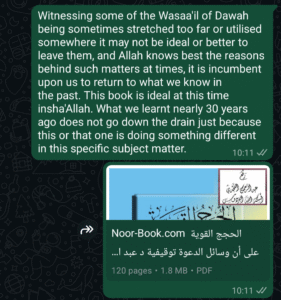
6 الحجج القوية على أن وسائل الدعوة توقيفية
7 ضرورة الاهتمام بالسنن
8 ـالأبيات الأدبية الحاصرة
9  المعتقد الصحيح الواجب على كل مسلم اعتقاده
10 ـإبطال نسبة الديوان المنسوب لشيخ الإسلام ابن تيمية
11 ـ مجموع شعر شيخ الإسلام ابن تيمية.
13 معاملة الحكام في ضوء الكتاب والسنة
14 الأمر بلزوم جماعة المسلمين وإمامهم والتحذير من مفارقتهم،
15 بيان المشروع والممنوع من التوسل
16 التوثيق بالعقود في الفقه الإسلامي
17 ـقطع المراء في حكم الدخول على الأمراء
18 ـالأحاديث النبوية في ذم العنصرية الجاهلية
19  الخيانة: ذمها وذكر أحكامها
20  مشروعية هبة الثواب
21 ـ المحاضرات في الدعوة والدعاة.
22  شرح المحرر في الحديث لابن عبد الهادي ت 744هـ
23  تدوين العقيدة السلفية جهود أئمة الإسلام في نشر العقيدة الإسلامية
24 ـ كتاب في الفقه .
25 ـ تراجم لبعض العلماء
26  بيان مشروعية الدعاء على الكافرين بالعموم
27  ضرب المرأة بين حكم الشرع وواقع الناس

And many other works

A paraphrased excerpt from this website: https://burjes.com/bio-1.html

———————————-

[Footnote a]: Refutation of Shaikh Ibn Jibreen by the People of Knowledge on the Issue of Qutb and Bannaa:

https://www.salafipublications.com/sps/sp.cfm?subsecID=NDV02&articleID=NDV020002&articlePages=1

The Tears Of Ibn Bāz: When Ibn Jibreen and Salmaan al-Awdah Debated Ibn Bāz

https://www.themadkhalis.com/md/articles/ctyzd-bayan-talbis-al-qutbiyyah-part-3—the-allegation-that-shaykh-rabee-made-takfeer-of-shaykh-ibn-jibreen.cfm

https://www.takfiris.com/takfir/articles/owscq-shaykh-ibn-jibreen-was-not-with-the-leninist-takfiri-kharijites-part-3—usama-bin-laden-and-followers-make-takfir-of-the-muslims.cfm

In the Silence of My Heart: A Fierce Conversation with the Nafs on Letting Go or Striking Back

In The Name of Allah, The Most Merciful, The Bestower of Mercy.

Imam Ibn Al-Qayyim, may Allah have mercy upon him, said:

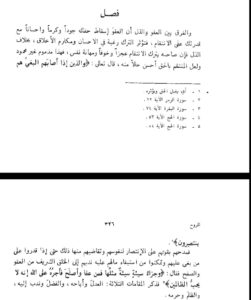
 الفرق بين العفو والذلِّ: أن العفوَ إسقاط حقِّك جُودًا وكرمًا وإحسانًا، مع قدرتك على الانتقام، فتؤثر الترك رغبةً في الإحسان ومكارم الأخلاق، بخلاف الذل، فإن صاحبه يترك الانتقام عجزًا وخوفًا ومهانة نفس، فهذا مذموم غير محمود، ولعل المنتقمَ بالحق أحسنُ حالًا منه

The difference between pardon and humiliation is that pardoning (others) is forgoing your right out of generosity, kindness, and benevolence, despite having the ability to seek revenge. So, you give precedence to abandoning (retaliation) out of a desire for doing good and noble character, as opposed to humiliation because the humiliated one abandons revenge due to inability,  fear, and a sense of personal degradation. This is considered blameworthy and not praiseworthy. It may be that the one who seeks revenge justly is in a better situation than him.

A paraphrased excerpt from “Ar-Ruh” page 325″. Publisher: Dar Kutub Ilmiyyah 1st Edition 1982.


The numbers are absolutely irrelevant

In The Name of Allah, The Most Merciful, The Bestower of Mercy.

Imam Abdul Azeez Bin Baz, may Allah have mercy upon him, said:

Let every Muslim be careful of being deceived by the great numbers [i.e. people upon such and such idea, view, belief, way of life, etc], while saying, “Indeed, the people have become such and such, and have become accustomed to such and such, so I am with them”. This is a great calamity, for indeed many people of the past were destroyed due to this [i.e. blindly following the majority]. O sensible one! It is obligated to you to examine yourself; take account of yourself and adhere to the truth, even if the people abandon it. Beware of what Allah has forbidden, even if the people do it, for indeed the truth is more worthy of being followed, just as Allah [The Most High] said:

وَإِنْ تُطِعْ أَكْثَرَ مَنْ فِي الْأَرْضِ يُضِلُّوكَ عَنْ سَبِيلِ اللَّه ِ

And if you obey most of those on earth, they will mislead you far away from Allah’s Path. [Al An’am. 116]

Allah [The Most High] said:

وَمَآ أَڪۡثَرُ ٱلنَّاسِ وَلَوۡ حَرَصۡتَ بِمُؤۡمِنِينَ

And most of mankind will not believe even if you desire it eagerly]. [Surah Yusuf Ayah 103] [(1)]

Imam Muhammad Ibn Salih Al-Uthaymin, may Allah have mercy upon him, said:

A Muslim is obligated to feel honoured in his religion, to be proud of his religion and adhere strictly to the guidelines ordained by Allah and His Messenger, peace and blessings of Allah be upon him, within this upright religion that Allah has chosen for His servants. He should neither add to nor subtract from it. What is also obligated to a Muslim is that he should not be [إمَّعَةً –  a yes-man] who follows everyone that screams; instead, his character should be in accordance with Allah’s Shariah, aiming to be one who is emulated (in righteousness) and not a follower (in evil), and to serve as a role model rather than merely imitating others. This is because Allah’s Shariah – all praise and thanks be to Allah – is complete in every aspect, as stated in the verse:

الْيَوْمَ أَكْمَلْتُ لَكُمْ دِينَكُمْ وَأَتْمَمْتُ عَلَيْكُمْ نِعْمَتِي وَرَضِيتُ لَكُمُ الإِسْلامَ دِيناً

This day I have perfected your religion for you and completed My favor upon you and have chosen for you Islam as religion. [Al-Ma’idah 3] [(2)]

Al-Allamah Muqbil Bin Hadi Al-Waadi’ee, may Allah have mercy upon him, said:

If numbers are the scale by way of which you judge, then the majority are mostly blameworthy; and if persuasive speech and eloquence is the scale by way of which you judge, then indeed Allah described the Munaafiqoon that they have tongues that utter beautiful speech. Allah said: [وَإِن يَقُولُواْ تَسۡمَعۡ لِقَوۡلِهِمۡ – And when they speak, you listen to their words]. [Al-Munaafiqoon. 4]

Therefore, what is given consideration is that one knows the people of truth by their characteristics – that they call to the Book of Allah and the Sunnah of Allah’s Messenger [peace and blessings of Allah be upon him, his family, and companions], and they neither desire reward from the people nor seeking to be thanked. [(3)]

Al-Allamah Ahmad Bin Yahyah An-Najmi, may Allah have mercy upon him, said:

Know that the truth is that what (has been revealed by) Allah and (given to) His Messenger, peace and blessings of Allah be upon him in the Book and the Sunnah, even if its adherents and those who embrace it are few. What is conveyed in the Islamic legislation is the truth one is commanded to follow, even if the majority of the people free themselves from it and those who follow it are few. Allah stated:

ثُمَّ جَعَلْنَاكَ عَلَىٰ شَرِيعَةٍ مِنَ الْأَمْرِ فَاتَّبِعْهَا وَلَا تَتَّبِعْ أَهْوَاءَ الَّذِينَ لَا يَعْلَمُونَ
إِنَّهُمْ لَنْ يُغْنُوا عَنْكَ مِنَ اللَّهِ شَيْئًا ۚ وَإِنَّ الظَّالِمِينَ بَعْضُهُمْ أَوْلِيَاءُ بَعْضٍ ۖ وَاللَّهُ وَلِيُّ الْمُتَّقِينَ

Then We have put you (O Muhammad) on a plain way of (Our) commandment [like the one which We commanded Our Messengers before you (i.e. legal ways and laws of the Islamic Monotheism)]. So follow you that (Islamic Monotheism and its laws), and follow not the desires of those who know not. Verily, they can avail you nothing against Allah (if He wants to punish you). Verily, the Zalimun (polytheists, wrong-doers, etc.) are Auliya’ (protectors, helpers, etc.) to one another, but Allah is the Wali (Helper, Protector, etc.) of the Muttaqun (pious). [Al-Jaathiya. 18-19]

Therefore, O slave of Allah! Be eager to follow the truth, follow the straight path and the path of early pious predecessors- the companions of the Messenger, and do not feel lonely due to the small numbers of those who follow it and the large numbers of those who oppose it, for indeed Ibrahim, peace be upon him, was an Imam on his own and with Allah lies all success. [(4)]

We ask Allah:

اللَّهُمَّ أَصْلِحْ لِي دِينِي الَّذِي هُوَ عِصْمَةُ أَمْرِي

وَأَصْلِحْ لِي دُنْيَايَ الَّتِي فِيهَا مَعَاشِي

وَأَصْلِحْ لِي آخِرَتِي الَّتِي فِيهَا مَعَادِي

وَاجْعَلِ الْحَيَاةَ زِيَادَةً لِي فِي كُلِّ خَيْرٍ

وَاجْعَلِ الْمَوْتَ رَاحَةً لِي مِنْ كُلِّ شَرٍّ

O Allah! Rectify my religion for me, which is the safeguard of my affairs; rectify my worldly [affairs], wherein is my livelihood; and rectify my Afterlife to which is my return; and make life for me [as a means of] increase in every good and make death for me as a rest from every evil. [Sahih Muslim Number: 2720] [5]


[(1)] An Excerpt from ‘Majmoo Al-Fataawaa 12/ 412

[(2)] Majmu Fatawa 2/301

[(3)] قم المعاند – 2/547

[(4)] An Excerpt from Irshaad As-Saaree Fee Sharh Sunnah Lil-Barbahaaree page: 47

[5]https://salafidawahmanchester.com/2020/12/29/o-allaah-rectify-my-religion-for-me-which-the-safeguard-of-my-affairs-a-tremendous-supplication/

Some Examples From The Imams of Guidance and Piety – Nurturing Genuine Love, Affection and Respect

In The Name of Allah, The Most Merciful, The Bestower of Mercy.

Mujahid, may Allah have mercy upon him, said: “A man passed by Abdullah ibn Abbas, may Allah be pleased with him and his father, so he said: ‘This man loves me.’ It was asked, ‘How do you know that?’ He replied, ‘I love him.'” [1]

Abu Idris Al-Khawlanee, may Allah have mercy upon him, reported: I entered the Damascus Masjid in Syria, then saw a young man with bright teeth and people were gathering around him. When they differed about something, they refer back to him and took his opinion. I asked about him and was told “This is Mu’adh Ibn Jabal”. So, I gave him Salaam and said, “By Allah! I love you for the sake of Allah”. He said: “For Allah’s sake?” I said: “For Allah’s sake”. He said: “For Allah’ sake?!” I said, “For Allah’s sake”. He held my cloak, got me close to him and said: “Rejoice, for indeed I heard Allah’s Messenger, peace and blessings of Allah be upon him, say, ‘Allah, The Mighty and Majestic, said: “My love is guaranteed for those who love one another for My sake, those who sit together for My sake, those who visit one another for My sake, and those who spend on one another for My sake”. [2]

Humayd reported from Al-Hasan, may Allah have mercy upon both of them, that Abu Ad-Dardaa, may Allah be pleased with him, said: “Be a scholar, or a learner, or one who loves (knowledge and its carriers) or one who follows (the truth). And do not be the fifth?” He (Humayd) said: “I said to Al-Hasan, I who is the fifth?” He said: “A Mubtadi”. [3]

A man said to Shahr ibn Hawshab: “Indeed, I love you”. He replied: “Why can you not love me, while I am your brother in faith upon Allah’s Book, your helper in the religion ordained by Allah and my livelihood is given by other than you”.(i.e. Allah) [4]

Imam Adh-Dhahabi, may Allah have mercy upon him, stated about Shaikh Al-Islam Ibn Taymiyyah, may Allah have mercy upon him, “He has those who loved him among the scholars and the righteous, as well as among soldiers and rulers, merchants and dignitaries, and the general public loves him. This is because he is benefits them day and night with his tongue and pen. [5]

Taj Ad-Deen As-Subki, may Allah have mercy upon him, said: “I was often in the company of Adh-Dhahabi, may Allah have mercy upon him, going to him twice daily, in the morning and in the afternoon. As for al-Mizzi, I would only go to see him twice a week. The reason for this was that Adh-Dhahabi showed me great affection and kindness, to the extent that anyone who knew my situation with him would know that he did not love anyone as much as he loved me. I was young at that time and this had a great impact on me”. [6]

Ibn Abbas stood up next to Zaid Bin Thabit [may Allah be pleased with both of them] and held the stirrup of his riding beast. Zaid said to him, “Step aside, O cousin of Allah’s Messenger [peace and blessings of Allah be upon him]”. Ibn Abbas said to him, “This is what we do for our scholars and elders”. [7]

Salamah Bin Kuhail [may Allah have mercy upon him] said: “Ash-Shabi and Ibrahim An-Nakha’i [may Allah have mercy upon upon both of them] never sat together except that Ibrahim remained silent, and both of them were Taabi’een”. [8]

Al-Marwazi [may Allah have mercy upon him] said, “Abu Abdillah [Imam Ahmad – may Allah have mercy upon him] used to be from those who honoured his fellow Muslim brothers the most and those who were older than him. One time, Abu Hammam [may Allah have mercy upon him] came to him on a donkey, so he held the stirrup of the riding beast for him. I witnessed him doing the same for the eldest Shaikhs”. [9]

Idris Bin Abdul Karim said: “Salamah Bin Aasim said to me: “I want to hear Kitaab Al-Adad from khalaf”. I said, “Khalaf?” He said: “Let him come”. When Khalaf entered, he tried to make Salamah sit in the teacher’s place, but he refused, and said: “I will not sit except in front of you”. Then he said, “This is the right of learning”. Khalaf said to him: “Ahmad Ibn Hanbal came to me to listen to the narrations of Abu Awanah, so I tried make him sit and transmit, but he refused and said: “I will not sit except in front of you. We are commanded to be humble in the presence of the one from whom we learn”. [10]

Muhammad Ibn Raafi said: I was with Ahmad (Imam Ahmad) and Ishaq in the company of Abdur Razzaaq when the day of Eidul Fitr arrived, so we went out with Abdur Razzaaq to the Musalla and with us were many people. When we returned, Abdur Razzaaq invited us to lunch, then he said to Ahmad and Ishaq, “Today I saw something strange from both of you. You did not say the Takbir”. Ahmad and Ishaq said, “O father of Abu Bakr! We were waiting for you to say the Takbir so that we could say the Takbir, but when we saw that you did not say the Takbir, we refrained”. Abdur Razzaaq said, “I was waiting for both of you to say the Takbir so that I could say the Takbir”. [11]

Abdullah Bin Ahmad [may Allah have mercy upon him] said: I heard my father [Imam Ahmad – may Allah have mercy upon him] being asked: “Why did you not hear a lot (of hadith) from Ibrahim Bin Sa’d [may Allah have mercy upon him] and indeed he did stay next to you in the house of Amarah?” He said: “We attended his gathering once and he narrated to us. When the second session was held, he saw youth putting themselves forward (or speaking) before the elders, so he became angry and said, ‘By Allah! I will not narrate for a year’. He died and did not narrate (thereafter)”. [12]

Imam As-Sadi, may Allah have mercy upon him, stated about the Mu’allimeen (teachers):

They are the intermediary between the Messenger, peace and blessings of Allah be upon him, and his Ummah with regards to propagation of the religion and clarification of the Shariah. Had it not been for these ones, the people would have been like cattle. They nurture the souls and hearts of the slaves upon the beneficial sciences and sound knowledge. They are the ones who guide the Ummah in the fundamental and subsidiary affairs of their religion, and return them to the rulings related to the duties obligated to them and in their dealings, just as they return them to the affairs pertaining to worship. Through them the Book and the Sunnah are established, and through them is made clear truth from falsehood, guidance as opposed to misguidance, Halal as opposed to Haram, good as opposed to evil, and rectification as opposed to corruption. They are of varying ranks, in accordance with what they establish of knowledge, teaching and benefit- great or small. They have great rights (owed to them) by the ummah and are possessors of a lofty status. Therefore, the people must have love and respect for them. They must recognise their excellence and virtue, and thank them greatly. They are to supplicate for them in private and public, and seek nearness to Allah by having love for them and praising them. They are to proclaim their excellence; guard the hearts (from harbouring evil against them) and the tongues (from) insulting them, for this would tarnish their excellence. [13]

https://salaficentre.com/2025/07/28/we-recall-this-supplication-when-humans-compete-aimlessly-to-receive-the-love-of-others/


[1] Al-Ikhwan page 75 by Ibn Abee Ad-Dunya, may Allah have mercy him.

[2] Ahmad 22030

[3] Jami Bayan Al-Ilm 1/142. By Ibn Abdil Barr, may Allah have mercy upon him.

[4] Kitab Uyun Al-Akhbar 3/15

[5] Ar-Radd Al-Wafir 34

[6] Tabaqat Ash-Shafi’iyyah 10/398

[7] Al-Muntadhim Fee Taareekh Al-Muluk Wal Umam 5/215

[8] Taareekh Dimashq 25/367

[9] Al-Aadaab Ash-Shar’iyyah 1/416

[10] Al-Jaami Li-Akhlaaq Ar-Raawi Wa Aadaab As-Saami 1/198

[11] Siyar A’laam An-Nubula a 9/566

[12] Siyar A’laam An-Nubula 11/317

[13] An Excerpt from Nurul Basaa-ir Wal Albaab Fee Ahkaamil Ibaadaat Wal-Mu’aamalaat Wal Huqooq Wal Aadaab, page: 57-58