Tag: advice

[2] Excerpts from Talbees Iblees [The Devil’s Deception] by Imaam Ibnul Jawzi- [The Command to Adhere to The Sunnah and The Jamaa’ah]

In The Name of Allaah, The Most Merciful, The Bestower of Mercy.

Imaam Ibnul Jawzi [rahimahullaah] said:

The Command to Adhere to The Sunnah and The Jamaa’ah

Ibn Umar narrated that Umar Ibn Al-Khattaab [radiyallaahu-anhumaa] gave a speech in the city of Jaabiyah and said, “Once Allaah’s Messenger [sallal laahu alayhi wasallam] stood amongst us and said: ‘Whoever amongst you wishes for the best of Paradise, then let him adhere to Jamaa’ah, for indeed shaytaan is with a person who is on his own and he is more distant from two people’”. [Reported by Imaam At-Tirmidhee 2165. Declared Saheeh by Imaam Albaanee in Saheeh al-Jaami 2546]

Jaabir Bin Samrah [radiyallaahu-anhu] said, “Umar addressed the people at Jaabiyah and said, ‘Indeed, Allaah’s Messenger [sallal laahu alayhi wasallam] stood in the manner I am standing and then said, ‘Whoever wants to attain the best of paradise, then let him adhere to the Jamaa’ah, for indeed shaytaan is with one who is alone and he is more distant from two people’”.  [Imaam At-Tirmidhee said, “This hadeeth is Hasan Saheeh]

Umar Ibnul Khattaab said, “Allaah’s Messenger [sallal laahu alayhi wasallam] said, ‘Whoever wants the best of paradise, then let him adhere to the Jamaa’ah, for indeed shaytaan is with one who is alone and more distant from two people’”.

Abdullaah Bin Deenaar [rahimahullaah] reported from Umar [radiyallaahu-anhu] who said, “Allaah’s Messenger [sallal laahu alayhi wasallam] said, ‘Whoever is pleased that he should dwell in the best of paradise, then let him adhere to the Jamaa’ah, for indeed shaytaan is with one who is alone and more distant from two people’”. [Silsilah As-Saheehah 430]

Arfajah [radiyallaahu-anhu] said, “I heard Allaah’s Messenger [sallal laahu alayhi wasallam] say, ‘Allaah’s Hand is with the Jamaa’ah and shaytaan is with the one who opposes the Jamaa’ah’” [Reported by Imaam An-Nasaa’ee 4020. Declared Saheeh by Imaam Albaanee in Saheeh Al-Jaami 3621]

Usaamah Bin Shareek [rahimahullaah] said, “I heard Allaah’s Messenger [sallal laahu alayhi wasallam] say, ‘Allaah’s Hand is with the Jamaa’ah, and if a person isolates them, then shaytaan seizes him just as a wolf seizes a sheep from a flock”. [Reported by Al-Laalikaa’ee in I’tiqaad Ahlis Sunnah 1/99. See Majmah Az-Zawaa’id 5/218]

Abdullaah [Ibn Mas’ood (radiyallaahu-anhu)] said, “Allaah’s Messenger [sallal laahu alayhi wasallam] drew a line with his hand, then said, ‘This is Allah’s Straight Path’; then he drew lines to its right and left and said, ‘These are the [other] paths, and there is not a path from them, except that there is a shaytaan calling to it’; then he recited:

وَأَنَّ هَذَا صِرَاطِي مُسْتَقِيمًا فَاتَّبِعُوهُ وَلا تَتَّبِعُوا السُّبُلَ

“And this is my straight path, so follow it, and do not follow the (other) paths.” [Surah Al-An’aam. Aayah 53]

[Reported by Imaam Ahmad 4423. Declared Saheeh by Imaam Albaanee in at-Tawassul. Page 125]

Ibn Umar [radiyallaahu-anhumaa] said, “Allaah’s Messenger [sallal laahu alayhi wasallam] said: ‘That which happened to Bani Israa’eel will happen to my Ummah foot step by foot step, to the extent that if one of them engaged in sexual intercourse with his mother openly, there will be one from my Ummah who will do that. And indeed, Bani Israa’eel split into seventy-two sects and my Ummah will split into seventy-three sects, all of which will be in the Hellfire, except one’; so they said, ‘O Messenger of Allaah! Which one is it?’ He said, ‘The one upon that which I and my Companions are upon’”. [Reported by Imaam At-Tirmidhee 2641 and declared ‘Hasan’ by Imaam Albaanee in Saheeh Al-Jaami 5343]

Mu’awiyah Ibn Abee Sufyaan [radiyallaahu-anhumaa] stood and said, “Indeed, Allaah’s Messenger [sallal laahu alayhi wasallam] stood amongst us and said, ‘Indeed, the people of the Scripture before you split into seventy-two sects and indeed this Ummah will split into seventy-three sects; seventy two are in the Hellfire and one in paradise, and it is the Jamaa’ah. And indeed there will appear a people from my Ummah in whom desires will run through them just as rabbis runs through the one afflicted by it”. [Reported by Imaam Abu Daawud 4597. Declared Saheeh by Imaam Albaanee in Saheeh Al-Jaami 2641]

An Excerpt from Talbees Iblees with the checking of Shaikh Zayd Bin Haadee [rahiahullaah]. pages 10-15. slightly paraphrased


Articles to Read On The Propagated Signposts of The Sunnah for the Creed of the Saved and Aided Group, The Principles Regarding Unity, Splitting, The Jamaa’ah  etc:

http://www.salafipublications.com/sps/sp.cfm?secID=SCL&subsecID=SCL11&loadpage=displaysubsection.cfm

http://www.salafipublications.com/sps/sp.cfm?subsecID=SLF01&articleID=SLF010006&articlePages=1

http://www.salafipublications.com/sps/sp.cfm?subsecID=slf01&articleID=SLF010005&articlePages=1

https://www.abukhadeejah.com/salafis-callers-to-unity-forbid-splitting-ahlul-bidah-hizbies-astray-hyde-park-social-media/

https://www.abukhadeejah.com/ahlus-sunnah-do-not-divide-that-is-the-methodolology-of-the-salaf/

https://www.salafisounds.com/unity-and-a-dispraise-of-splitting-by-abu-khadeejah/

https://www.salafisounds.com/unity-division-through-the-eyes-of-the-salaf-khutbah-by-abu-khadeejah/

https://soundcloud.com/salafi-publications/my-ummah-will-split-in-to-73-sects-by-abdulilah-19072019

https://www.abukhadeejah.com/this-ummah-will-divide-into-73-sects-shaykh-al-fawzan-explains-what-it-means/

Do Not Be Shy! [Ask The Upright Student of Knowledge In Your Country If You Cannot Understand His Statement On a Particular Subject Matter]

In The Name of Allaah, The Most Merciful, The Bestower of Mercy.

Employ Careful Deliberation Before Transmitting or Making Judgements On Statements

Shaikh Uthaymeen [rahimahullaah]

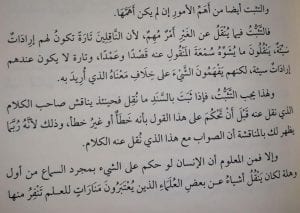
Verification is one of the most important affairs, if not the most important. Verifying what is transmitted from others is an important affair, because sometimes the transmitters harbour evil intentions, so they transmit – intentionally and deliberately – that which will tarnish the reputation of the one they transmit from. And sometimes they do not harbour an evil intention, but they understand something in a manner that is opposite to what is intended by it. Therefore, it is obligatory to verify. So, when the proof [sound source] of the transmission is established, then the one from whom the statement was transmitted is engaged in a discussion [or his statement is examined] before a judgement is passed as to whether it is a mistake or not. That is because it may become clear to you – by way of discussion [or observation] – that the one from whom the statement was transmitted is correct. And if not, then what is known is that if a person were to immediately pass a judgement merely based on what he hears, he will transmit things [i.e. statements, views, opinions etc] from some of the scholars – those considered to be the beacons of [Sharee’ah] knowledge – that which the souls will dislike; but when one verifies, contemplates and establishes contact with this Shaikh, the affair will become clarified [or clear to him]. [Excerpt from Sharh Hilyatil Taalibil Ilm Pages 75-76. By Shaikh Uthaymeen (rahimahullaah). Paraphrased]

Ask Questions to Understand, and Benefit Others, But Not For The Purpose of Fitna Or Merely Seeking to Hit One Statement of a Student Which You Do Not Agree With Against Another Statement!

Shaikh Abdur Razzaaq Al-Badr [hafidhahullaah] said:

It is not a condition that a questioner can only ask about what he does not know, rather he can ask about something he knows but is not known to others; so he asks a question in order to facilitate understanding for others.

If you are in the presence of a scholar and you know that some of those present fall short in affairs related to the prayer- either lackadaisical or that they do not perform the prayer on time, or that they fall short in some of its Shuroot [conditions] and waajibaat [obligatory acts of the prayer] – so you ask a question regarding these affairs even though you know the answer; you ask in order to benefit those who are present and so that they are facilitated with understand in their religion. These types of questions are very beneficial as opposed to questions that are not correct – that is because some people ask questions in order to confuse those present and bring about doubts etc. A question cannot be beneficial unless the questioner intends to benefit himself and others.

When Jibreel [alayhis-salaam] came to the Messenger [sallal-laahu-alayhi-wasallam] he did not appear as a teacher, rather he asked questions, even though the Messenger described him as one who came to teach the people their religion. This shows that the one who asks a scholar a question in order that the people can learn what they do not know is rewarded like one who teaches people their religion.

A scholar teaches people directly, but the one who asks the scholar a question becomes a means for the people to learn, for the one who guides to good is like one who does the good deed.  For example if you ask a student of knowledge in your country to give lessons in your Masjid –to teach the forty hadeeth of An-Nawawi or other books of the scholars, and you inform him of the needs of the people, so he begins to teach, explain and revise etc you will receive all that reward. The one who guides to good is just like one who performs the good deed. The commoner can be a means to teaching others by asking a scholar, or by gathering other commoners to take them to the circles of knowledge, disseminating beneficial audio lectures etc. [An excerpt from ‘Sharh of the forty hadeeth of Imaam An-Nawawi (rahimahullaah)’. Lesson number 2]

A Statement About Prohibition Against Innovations In The Religion That Can Be Understood By Everyone With Some Common Sense!

In The Name of Allaah, The Most Merciful, The Bestower of Mercy.

Shaikhul Islaam Ibn Taymiyyah [rahimahullaah] said:

Groups amongst the people thought that the religion needed innovation, especially in their chosen path; but the affair is not as they thought, for indeed Allaah [The Exalted] said: [ٱلۡيَوۡمَ أَكۡمَلۡتُ لَكُمۡ دِينَكُمۡ وَأَتۡمَمۡتُ عَلَيۡكُمۡ نِعۡمَتِى وَرَضِيتُ لَكُمُ ٱلۡإِسۡلَـٰمَ دِينً۬ا‌ۚ – This day, I have perfected your religion for you, completed My Favour upon you, and have chosen for you Islam as your religion]. [Surah Al-Maa’idah. Aayah 3].

Likewise, other texts shows that the Messenger [sallal laahu alayhi wasallam] acquainted the Ummah with everything they need in their religious affairs. Allaah said: [وَمَا ڪَانَ ٱللَّهُ لِيُضِلَّ قَوۡمَۢا بَعۡدَ إِذۡ هَدَٮٰهُمۡ حَتَّىٰ يُبَيِّنَ لَهُم مَّا يَتَّقُونَ‌ۚ – And Allah will never lead a people astray after He has guided them until He makes clear to them as to what they should avoid]. [Surah At-Tawbah. Aayah 115]

The Messenger [sallal laahu alayhi wasallam] said: “Verily the one – among you – who lives long will see a lot of differing, so you must adhere to my Sunnah and to the Sunnah of the Khulafaa Ar Raashideen [the rightly guided caliphs], hold onto it firmly with your molar teeth” [i.e. adhere to it firmly].

Had it been that the Sunnah of the Prophet [sallal-laahu-alayhi wasallam] and that of the Khulafaa Ar-Raashideen is not suitable and sufficient for the believer during times of much differing, it would not be permissible to command that one [returns and adheres to it]. And also he [sallal laahu alayhi wasallam] used to say in his sermons, “The worst of all affairs [in the religion] are the newly invented matters and every innovation [in the religion] is misguidance”. [An Excerpt from Al-Istiqaamah. Pages 35-36. slightly paraphrased]

Muslims Spend, Eat And Drink From Allaah’s Rizq, But Must Be Mindful of Wasteful Behaviour

In The Name of Allaah, The Most Merciful, The Bestower of Mercy.

Allaah [The Most High] said:

وَآتِ ذَا الْقُرْبَىٰ حَقَّهُ وَالْمِسْكِينَ وَابْنَ السَّبِيلِ وَلَا تُبَذِّرْ تَبْذِيرًا

إِنَّ الْمُبَذِّرِينَ كَانُوا إِخْوَانَ الشَّيَاطِينِ ۖ وَكَانَ الشَّيْطَانُ لِرَبِّهِ كَفُورًا

And give to the kindred his due and to the Miskin (poor) and to the wayfarer. But spend not wastefully (your wealth) in the manner of a spendthrift. Verily, spendthrifts are brothers of the Shayaateen (devils), and the Shaitan (Devil – Satan) is ever ungrateful to his Lord. [17:26-27]

Imaam As-Sa’di [rahimahullaah] said: Shaytaan does not call the person except to every blameworthy habit.  So he calls him to miserliness and to refrain from spending, but when the person refuses to obey him, he calls him to overspending and extravagance; but Allaah calls to the most just and balance of affairs and He praises the person for that, as He [The One free from all imperfections] stated about His faithful slaves:

وَالَّذِينَ إِذَا أَنْفَقُوا لَمْ يُسْرِفُوا وَلَمْ يَقْتُرُوا وَكَانَ بَيْنَ ذَٰلِكَ قَوَامًا

And those, who, when they spend, are neither extravagant nor miserly, but hold a medium (way) between those (extremes).'[Surah Furqaan; Ayah: 67] [1]

Imaam Ibn Qudaamah [rahimahullaah] said: ‘’The most severe type of miserliness is that a person is miserly towards himself despite being in need; for how many a miser has wealth and falls ill, but he does not seek medication.  He yearns for something but miserliness prevents him from [getting it]’’. [2]

Shaikh Saaleh Al-Fawzaan [may Allaah preserve him] said: The Waleemah is a Prophetic Sunnah intended for the purpose of announcing a marriage and manifesting joy and happiness during this noble occasion. However, it has to be carried out within the boundaries of the Islamic rules and regulations, and neither being wasteful nor extravagant. To reduce spending and not being extravagant and wasteful is an obligation during marriage ceremonies and other than it. Those squanderers who waste meat and food, and dispose of it in waste bins should be reminded that there are hungry people hoping for a mouth full of (food) and a scrap of bread. [They should be reminded] to fear Allaah and to fear Him in their gatherings, and that they do not become the cause of Allaah’s blessings being stopped.


[1]: Tayseer Al-Kareem Ar-Rahmaan Fee Tafseer Kalaam Al-Mannaan]

[2] An Excerpt from ‘[Mukhtasar Minhaaj Al-Qaasideen’ page 218]

[3] An Excerpt from ‘Al-Bayaan Li-Akhtaa’i Badil Kuttaab 1/27’]

Arhaamukum! Arhaamukum ! [Your Relatives of The Womb! Your Relatives of The Womb!] – One of The Final Advice [or Commands] of The Messenger

In The Name of Allaah, The Most Merciful, The Bestower of Mercy.

Ana’s Bin Maalik [radiyallaahu anhu] reported that the Prophet [sallal laahu alayhi wasallam] said – during his illness [i.e. the illness through which he passed away], “Your Arhaam! Your Arhaam!”. [i.e. relatives of the womb]

Shaikh Zayd Bin Haadi [rahimahullaah] said:

This hadeeth contains a precious advice [or command] from the noble Prophet [sallal laahu alayhi wasallam] whose Lord described him in His statement: [لَقَدۡ جَآءَڪُمۡ رَسُولٌ۬ مِّنۡ أَنفُسِڪُمۡ عَزِيزٌ عَلَيۡهِ مَا عَنِتُّمۡ حَرِيصٌ عَلَيۡڪُم بِٱلۡمُؤۡمِنِينَ رَءُوفٌ۬ رَّحِيمٌ۬ – Verily, there has come unto you a Messenger (Muhammad) from amongst yourselves (i.e. whom you know well). It grieves him that you should receive any injury or difficulty. He (Muhammad) is anxious over you (to be rightly guided, to repent to Allah, and beg Him to pardon and forgive your sins, in order that you may enter Paradise and be saved from the punishment of the Hell-fire), for the believers (he is) full of pity, kind, and merciful]. [Surah At-tawbah. Aayah 128]

It is an advice [or a command] about maintaining the ties of kinship, and indeed the command regarding it has been stated in the noble Qur’aan and in the [authentic] Prophetic Sunnah. As for in the Qur’aan, then indeed Allaah [The Blessed and Exalted] said:

يَـٰٓأَيُّہَا ٱلنَّاسُ ٱتَّقُواْ رَبَّكُمُ ٱلَّذِى خَلَقَكُم مِّن نَّفۡسٍ۬ وَٲحِدَةٍ۬ وَخَلَقَ مِنۡہَا زَوۡجَهَا وَبَثَّ مِنۡہُمَا رِجَالاً۬ كَثِيرً۬ا وَنِسَآءً۬‌ۚ وَٱتَّقُواْ ٱللَّهَ ٱلَّذِى تَسَآءَلُونَ بِهِۦ وَٱلۡأَرۡحَامَ‌ۚ إِنَّ ٱللَّهَ كَانَ عَلَيۡكُمۡ رَقِيبً۬ا

O mankind! Be dutiful to your Lord, Who created you from a single person (Adam), and from him (Adam) He created his wife [Hawwa (Eve)], and from them both He created many men and women and fear Allah through Whom you demand your mutual (rights), and (do not cut the relations of) the wombs (kinship) . Surely, Allah is Ever an All-Watcher over you. [Surah An-Nisaa. Aayah 1]

The Prophet [sallal laahu alayhi wasallam] advised [or commanded one] to maintain the ties of kinship and promised reward – in this life and the next – for it. These are upright exhortations [or commands].

The intent behind the word Ar-Rahim – [relation of the womb] – are one’s relatives on the father’s and mother’s side, and they are of different levels [or categories]. Maintaining ties with them aids a person in his worldly affairs to fulfil his needs and makes his affairs easy by the permission of Allaah. And with regards to [deeds related to the] afterlife, it is one of the best deeds through which a servant seeks to get close to Allaah [i.e. to receive the love of Allaah and reward, and repel punishment].

An Excerpt from At-taleeqaat al-maleehah Alaa silsilah al-ahaadeeth As-Saheehah vol 1. Page 62. Slightly paraphrased.


The Man Who Came to Imaam Ibraaheem Bin Ad’ham to Seek Advice Regarding How to Abandon Sin!

In The Name of Allaah, The Most Merciful, The Bestower of Mercy.

Imaam Abdul Ghaniy Al-Maqdisi stated in his book At-tawwaabeen that a man once came to Ibraaheem Bin Adham and said, “O Abu Ishaaq! Indeed I have transgressed against my Nafs [through evil deeds], so present to me that which will be a deterrent for my nafs and will save [or rescue] my heart”. So, Ibraaheem said to him: “If you accept five affairs and fulfil them, neither will you be harmed due to sinning nor will the enjoyment [or delight from it] bring you destruction. The man said, “Mention them to me O Abu Ishaaq”.

Ibraaheem said: “The first affair is that when you want to disobey Allaah – The Mighty and Majestic- do not eat His provision”. The man said, “Where would I eat from when it is case that all that is in the earth is from His provision?” He said, “O you! Is it right that you eat His provision and disobey him?” The man said, “No; mention the second affair to me”.

Ibraaheem said, “If you want to disobey Allaah, do not live anywhere in Allaah’s earth”. The man said, “This is greater than the first affair! When it is the case that the east, the west and whatever is between them belongs to Him, then where would I live?” Ibraaheem said to him, “O you! Is it right that you eat His provision and live on his earth, yet you disobey him?” The man said, “No; mention the third affair”.

Ibraaheem said, “If you want to disobey Him whilst you are being provided from His provision and living on his earth, then do so in a place where He cannot see you”. The man said, “How can that be when it is the case that He knows everything that is hidden”. Ibraaheem said, “O you! Is it right that you eat his provision, live on his earth and you disobey him whilst he sees you and what you do?” The man said, “No; mention the fourth affair”.

Ibraaheem said, “When the angel of death comes to take your soul, tell him, ‘Delay its departure until I perform sincere repentance and perform righteous deeds for the sake of Allaah’”. The man said, “He (the angel) will not accept that from me”. Ibraaheem said, “O you! When it is the case that you cannot repel death until you repent and you know that there is no delay when it comes to you, then how do you hope to escape?” The man said, “Mention the fifth affair”.

Ibraaheem said to him, “When the Zabaaniyah [i.e. guardians of hell] come to you on yawmul qiyaamah to take you to the fire, do not go with them”. The man said, “Neither will they leave me nor accept that from me”. Ibraaheem said to him, “So, how do you hope for safety then?” The man said, “O Ibraaheem! This is enough! This is enough! I seek Allah’s forgiveness and repent to Him.” At-Tawwaabeen 285]


Treat Your Sick By Giving Sadaqah

In The Name of Allaah, The Most Merciful, The Bestower of Mercy.

Allaah [The Most High] stated that Ibraaheem [alayhis salaam] said: [وَإِذَا مَرِضۡتُ فَهُوَ يَشۡفِينِ – And when I am ill, it is He [Allaah] Who cures me. [Surah Ash-Shu’araa. Aayah 80] – Meaning: When I become sick, none is able to heal me, except Him through the means that may lead to recovery [i.e. by His Will]. [R 1]

The Messenger [sallal laahu aalayhi wasallam] said, “Treat your sick by giving Sadaqah”. [R 2] AbuBakr Al-Khubaaziy [rahimahullaah] said, “I had a very dangerous illness, so a neighbour of mine saw me and said, ‘Act upon the statement of Allaah’s Messenger [sallal laahu alayhi wasallam], ‘Treat your sick by giving Sadaqah’. It was summertime, so I bought many watermelons and gathered a group of poor people and children. They ate and then supplicated for me to be cured. By Allaah! I did not reached the next morning except that Allaah granted me wellbeing’”. [R 3]

As for the diseases of the body, Allaah [The Most High] said:  [لَّيۡسَ عَلَى ٱلۡأَعۡمَىٰ حَرَجٌ۬ وَلَا عَلَى ٱلۡأَعۡرَجِ حَرَجٌ۬ وَلَا عَلَى ٱلۡمَرِيضِ حَرَجٌ۬ – There is no restriction on the blind, nor any restriction on the lame, nor any restriction on the sick….. [24:61]

[Also] Allaah mentioned the diseases of the body when He [The Most High] spoke about Hajj, Fasting and Ablution due to a marvellous underlying reason – a reason that will reveal to you the Greatness of the Qur’aan and suffices the one who understands it. The principles of physical medicine are three: preservation of health, protecting [the body] from what might cause harm and removal of harmful substances [from the body]; and Allaah [Glorified be He and free is He from all imperfections] mentioned these three principles in those three places [i.e. when He (The Most High) spoke about Hajj, Fasting and Ablution)] [Ref 4]

Read More Detailed Articles On These Links

What Are The Principles of Medicine With The Scholars of Islam

http://www.abukhadeejah.com/what-are-the-principles-of-medicine-with-the-scholars-of-islam/

Sickness and Ill-Health – Its Wisdom and Its Remedies and Other Important Issues Related to it

https://www.wrightstreetmosque.com/sickness-and-ill-health-its-wisdom-and-its-remedies-and-other-important-issues-related-to-it/


R 1: Tafseer Ibn Katheer

[R 2: Hadeeth declared Hasan by Imaam Albaani [rahimahullaah] in Saheeh Al-Jaami As-Sagheer Wa Ziyaadah 3358

R 3: Siyar A’laam An-Nubulaa 18/44

R 4: An Excerpt from At-Tib An-Nabawiy of Imaam Ibnul Qayyim Al-Jawziyyah (rahimahullaah) with comments by Al-Allaamah Muhammad Haamid Al-Faqee (rahimahullaah): page: 3]


Daily Goal and Pursuit of The Sensible One

In The Name of Allaah, The Most Merciful, The Bestower of Mercy.

The sensible person is in a position to have the Baaqiyaat As-Saalihaat as provision [i.e. the good righteous deeds that last and are better in the sight of Allah for reward and better in respect of hope in the Hereafter] together with his share from the worldly life with ease- by seeking aid in going out in the morning, midday and something of the night time. This is the foundation upon which he places his worldly affairs and the means to (accomplishing them). Even when such (affairs) come to him late at night, he would pray and seek aid from his Lord and ask for that which brings about good in his religious and Worldly affairs.

He begins his day with good – recitation of the Qur’aan and acts of worship to which one devotes himself in the morning; performs the five daily prayers in their earliest times and that which Allah makes easy for him to perform of good deeds, such as (optional) prayer, recitation of the Qur’aan, remembrance of Allah, seeking knowledge and other than that. He engages his tongue in the Remembrance of Allah and seeking forgiveness.

He pursues the means by way of which one seeks his livelihood, such as trade, production of goods, farming and what is similar to them, whilst seeking the aid of his Lord in that. He suffices himself with the permissible means and turns away from that which Allaah has made unlawful. The intent behind this is to fulfil the individual obligations, to be (upon) self-sufficiency and having little or no need of the creation. If he does this or something closer to it, the result will be goodness and he will gain abundant reward (for the afterlife). Also he does not forget his (lawful) share in the worldly life and it may be that Allah will bless him with contentment, which is true richness by way of which a good life is attained.


[Source: An Excerpt from Noorul Basaa-ir Wal Albaab Fee Ahkaam Al Ibaadaat, Wal Mu-aamalaat, Wal Huqooq, Wal Aadaab of Imam Abdur Rahmaan As-Sadi. Page: 65. slightly paraphrased]

Accepting sincere advice and following the truth is from one of the greatest obligations – Shaykh Rabee bin Hadi Al-Madhkhali

Accepting sincere advice and following the truth is one of the greatest obligations upon all of the Muslims, from whichever source it comes from. It is not permissible for a Muslim to belittle and disrespect the sincere adviser regardless what his status may be.

I seek refuge with Allah that I reject an advice and defend a mistake or falsehood which emanated from me; for indeed this is from fhe means to evil, infact it is from the ways of the people of corruption, arrogance and arrogant stubbornness. And when he is reminded he doesn’t take the reminder, as Allah said,

وَالَّذِينَ إِذَا ذُكِّرُوا بِآيَاتِ رَبِّهِمْ لَمْ يَخِرُّوا عَلَيْهَا صُمًّا وَعُمْيَانًا

And those who, when they are reminded of the Ayat (proofs, evidences, verses, lessons, signs, revelations, etc.) of their Lord, fall not deaf and blind thereat. (Al-Furqan: 73)

Shaykh Rabee bin Hadi Al-Madhkhali

Chapter on Humbleness from Al-Fusool al-Mudiyyah min Seerati ash-Shaykh Rabee bn Hadi ‘Umayr Al-Madhkhali wa Juhoodihi Al-Ilmiyyah wa ad-Da’awiyyah pg 152