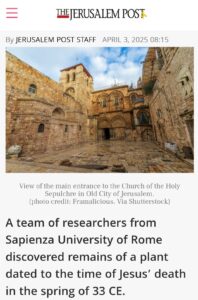
A team of wild guessers at it again!

In The Name of Allah, The Most Merciful, The Bestower of Mercy.

A Team of Wild Guessers at it again

They said, “We have killed the Messiah, son of Maryam, Allah’s Messenger”
https://salafidawahmanchester.com/2024/12/25/they-said-we-have-killed-the-messiah-son-of-maryam-allahs-messenger-part-1/

[2] Poets and Poetry

In The Name of Allah, The Most Merciful, The Bestower of Mercy.

Allah, The Exalted, said:

وَمَا عَلَّمْنَٰهُ ٱلشِّعْرَ وَمَا يَنۢبَغِى لَهُۥٓ إِنْ هُوَ إِلَّا ذِكْرٌ وَقُرْءَانٌ مُّبِينٌ

And We have not taught him (Muhammad) poetry, nor is it befitting for him. This is only a Reminder and a plain Quran. [Yasin 69]

Allah, The Exalted, clears His Prophet Muhammad, peace and blessings be upon him, of the accusations made by the polytheists that he is a poet, and that what he brought forth is poetry. He said:

وَمَا عَلَّمْنَاهُ الشِّعْرَ وَمَا يَنْبَغِي لَهُ

“And We have not taught him (Muhammad) poetry, nor is it befitting for him” to be a poet. This in essence is an impossibility for him, as he is guided and righteous, while poets are misguided and are followed by the misguided. Allah eliminated all doubts which the misguided attributed to His Messenger, and that neither could he write nor read poetry, and that poetry is not something He has taught him, nor is it fitting for him.

إِنْ هُوَ إِلَّا ذِكْرٌ

“This (i.e. what he recites) is only a Reminder”.

Meaning, this matter he has brought is nothing other than a reminder through which those who possess understanding are reminded all the religious (obligations and recommendations) comprehensively. It reminds the intellects to reflect on what Allah has instilled in them regarding the command of all that is good and the prohibition of all that is repugnant (or evil).

وَقُرْآنٍ مُبِينٍ

“and a plain Quran”.

Meaning, clear in what requires explanation. Thus, the subject has been omitted to indicate that it elucidates all truth through detailed and general proofs, (as well as clarify in detail and general) the falsehoods and their refutations, and also revealed to His Messenger.

An Excerpt from “Tafsir As-Sadi”.

The Judiciousness, Patience and Sovereignty that won’t be rivaled until the end of time

In The Name of Allah, The Most Merciful, The Bestower of Mercy.

The Most Judacious of All Time

Allah, The Exalted, said:

وَوَهَبْنَا لَهُ إِسْحَاقَ وَيَعْقُوبَ ۚ كُلًّا هَدَيْنَا ۚ وَنُوحًا هَدَيْنَا مِن قَبْلُ ۖ وَمِن ذُرِّيَّتِهِ دَاوُودَ وَسُلَيْمَانَ وَأَيُّوبَ وَيُوسُفَ وَمُوسَىٰ وَهَارُونَ ۚ وَكَذَٰلِكَ نَجْزِي الْمُحْسِنِينَ
وَزَكَرِيَّا وَيَحْيَىٰ وَعِيسَىٰ وَإِلْيَاسَ ۖ كُلٌّ مِّنَ الصَّالِحِينَ
وَإِسْمَاعِيلَ وَالْيَسَعَ وَيُونُسَ وَلُوطًا ۚ وَكُلًّا فَضَّلْنَا عَلَى الْعَالَمِينَ
وَمِنْ آبَائِهِمْ وَذُرِّيَّاتِهِمْ وَإِخْوَانِهِمْ ۖ وَاجْتَبَيْنَاهُمْ وَهَدَيْنَاهُمْ إِلَىٰ صِرَاطٍ مُّسْتَقِيمٍ
ذَٰلِكَ هُدَى اللَّهِ يَهْدِي بِهِ مَن يَشَاءُ مِنْ عِبَادِهِ ۚ وَلَوْ أَشْرَكُوا لَحَبِطَ عَنْهُم مَّا كَانُوا يَعْمَلُونَ
أُولَٰئِكَ الَّذِينَ آتَيْنَاهُمُ الْكِتَابَ وَالْحُكْمَ وَالنُّبُوَّةَ ۚ فَإِن يَكْفُرْ بِهَا هَٰؤُلَاءِ فَقَدْ وَكَّلْنَا بِهَا قَوْمًا لَّيْسُوا بِهَا بِكَافِرِينَ
أُولَٰئِكَ الَّذِينَ هَدَى اللَّهُ ۖ فَبِهُدَاهُمُ اقْتَدِهْ ۗ قُل لَّا أَسْأَلُكُمْ عَلَيْهِ أَجْرًا ۖ إِنْ هُوَ إِلَّا ذِكْرَىٰ لِلْعَالَمِينَ

And We bestowed upon him (i.e. Prophet Ibrahim) Ishaque (Isaac) and Ya’qub (Jacob), each of them We guided, and before him, We guided Nuh (Noah), and among his progeny Dawud (David), Sulaiman (Solomon), Ayub (Job), Yusuf (Joseph), Musa (Moses), and Harun (Aaron). Thus do We reward the good-doers. And Zakariya (Zachariya), and Yahya (John) and ‘Iesa (Jesus) and Iliyas (Elias), each one of them was of the righteous. And Isma’il (Ishmael) and Al-Yas’a (Elisha), and Yunus (Jonah) and Lout (Lot), and each one of them We preferred above the ‘Alamin (mankind and jinns) (of their times). And also some of their fathers and their progeny and their brethren, We chose them, and We guided them to a Straight Path. This is the Guidance of Allah with which He guides whomsoever He will of His slaves. But if they had joined in worship others with Allah, all that they used to do would have been of no benefit to them. They are those whom We gave the Book, Al-Hukm (understanding of the religious laws), and Prophethood. But if these disbelieve therein (the Book, Al-Hukm and Prophethood), then, indeed We have entrusted it to a people (such as the Companions of Prophet Muhammad) who are not disbelievers therein. They are those whom Allah had guided. So follow their guidance. Say: “No reward I ask of you for this (the Qur’an). It is only a reminder for the ‘Alamin (mankind and jinns).” [Al-An’aam. 83-90]

Imam Ibn Al-Qayyim, may Allah have mercy upon him, said:

The Messengers are the most judicious among all of creation without exception, and their followers constitute the next most judicious group. Among the adherents of the scriptures and the great legislated laws, those who follow the Messengers are deemed the most judicious, with Muslims ranking highest among them. Among Muslims, the companions of Muhammad, peace and blessings be upon him, are regarded as the most judicious, followed closely by those who emulate their faith precisely. Furthermore, the people who steadfastly adhere to the authentic Sunnah of the Prophet and the sound reports passed down from him are considered the most judicious within the Muslim Ummah after the companions and those who have followed their example.

The clear proof to demonstrate that the Messengers are the most judicious among the entire creation is that the beneficial knowledge they conveyed, the righteous deeds, and beneficial guidance for both this life and the hereafter, have not been conveyed by others or even something close to it.  There is nothing – from any perspective – that emerged from other judicious people that can be compared to what the Messengers conveyed concerning beneficial knowledge,  righteous deeds and actions, and the beneficial matters of true well-being in both the present world and the afterlife. Whoever reflects on their life stories, both specific and general, their patience and perseverance, their abstention from the fleeting pleasures of this material world, their fervent desire to seek Allah’s pleasure and the eternal rewards promised in the hereafter, their pure manners, their unparalleled truthfulness among all beings, possessors of the purest hearts and souls, custodians of the greatest trust (namely, divine revelation and prophethood), the most honourable companions one could have, the purest in their inner-most conscience and their private matters, would not doubt that they are the most judicious among Allah’s creation without exception. It is undeniable that those who closely follow their example will inherit a greater share of judiciousness than others. [1]

Patience

Al-Allamah Abdur Rahmaan Bin Yahyah Al-Mu’allimee, may Allah have mercy upon him, stated:

Allah tested Prophet Ayyoub, peace be upon him, and Prophet Ya’qub, peace be upon him, when he lost his two sons [Yusuf and Binyameen- peace be upon them] as well as the effects of the severe grief in his heart. Allah said:

وَتَوَلَّىٰ عَنۡہُمۡ وَقَالَ يَـٰٓأَسَفَىٰ عَلَىٰ يُوسُفَ وَٱبۡيَضَّتۡ عَيۡنَاهُ مِنَ ٱلۡحُزۡنِ فَهُوَ كَظِيمٌ۬

And he turned away from them and said: “Alas, my grief for Yusuf (Joseph)!” And he lost his sight because of the sorrow that he was suppressing]. [Yusuf 84]

Allah tested Muhammad, peace and blessings of Allah be upon him, during the early years of his (Prophethood) and obligated to him to call his people to abandon the Shirk and the misguidance they were nurtured upon by their forefathers. He made that clear to them in private and public- day and night. He approached them in their hangouts, gatherings, and towns, and carried on doing so for nearly 13 years whilst they inflicted severe harm on him, even though before this he lived for 40 years or more without being harmed. He was from a noble, honoured, and respected tribe – a noble, honoured, and respected household. He grew up with noble manners due to which he was honoured and respected by the people, but despite this, he was very modest.

The one with these qualities received severe harm and faced extreme hardship. This harm intensified with mockery- this one spat in his face and that one attempted to place his feet on his neck while he prostrated to his Lord (in prayer), and another person placed the intestines of a camel on his back while he prostrated, and such and such person grabbed the collar of his garment to strangle him. His uncle (Abu Lahab) followed him wherever he went and warned against him, saying, “He (i.e. Muhammad) is a liar. He is insane”. The foolish were incited against him and they pelted him with stones until blood flowed from his two feet. Others boycotted him and his close relatives – for a long time – so that they died out of hunger. Some people tortured his followers with various types of torture, and amongst them were those who were forced to lie down on the sand during the hottest time of the day and were denied water. One of them was burnt with fire until the only thing that extinguished the fire was the fat on his back. A woman amongst them was tortured, but when they realised that she would not renounce Islaam, they stabbed her in her private area and murdered her. All this torture was not due to anything else other than the fact that the Messenger was calling them to remove them from the darkness of Shirk and enter them into the light of Islaam- to remove them from corruption and enter them into upright conduct, distance them from the anger of Allah and guide them to the means of attaining Allah’s Pleasure, and remove them from the path of eternal punishment and guide them towards the path of permanent bliss. However, they did not pay attention to this although its proofs were very clear; rather the only thing that concerned them was that he was calling them to other than what they desired.

Also, Allah tested the Prophet, peace and blessings of Allah be upon him, through the death of his parents when he was very young, then the death of his grandfather, the death of his uncle who used to protect him, and the death of his wife who used to console him. The calamities did not cease, even though he is the leader of the children of Adam and the most beloved person to Allah.

Therefore, ponder on all of this to know – based on true knowledge – that the mutual rivalry – in which we engage and greedily exert ourselves to acquire the enjoyment of the worldly life – is nothing compared to attaining Allah’s Pleasure and eternal bliss in paradise. As for the misery and hardships of the worldly life which we flee from, they are nothing compared to Allah’s displeasure, His anger, and eternal punishment in the hell fire. Anas Bin Malik, may Allah be pleased with him, reported that Allah’s Messenger, peace and blessings of Allah be upon him, said, “A person amongst the inhabitants of Hell – who lived the most enjoyable life amongst the people of the world – would be dipped in fire only once on the Day of Resurrection and then it would be said to him, ‘O son of Adam! Did you find any comfort, did you happen to get any material blessing?’ He would say, ‘By Allah! No, my Lord’. Then a person amongst the people of the world would be brought – who lived the most miserable life (in the world) – from amongst the inhabitants of Paradise and he would be dipped once in Paradise, and it would be said to him, ‘O son of Adam! Did you face any hardship? Or had any distress fallen to your lot?’ He would say, ‘By Allah! No, O my Lord, never did I face any hardship or experience any distress’”. [Sahih Muslim. 2807] [2]

Sovereignty

The Greatest King of all Time Prophet Sulayman, peace and blessings of Allah be upon him, his father and all the Prophets

The Greatest King of all Time (Prophet Sulayman), The Ant, The Hoopoe, The Upright Scholar, The If’reet and The Intelligent Queen!


[1] An Excerpt from As-Sawaa’iq Al-Mursalah 4/1514]

[2] An Excerpt from ‘Aathaar Ash-Shaikh Al-Allamah Abdur Rahman Bin Yahyah Al-Mu’allimee. 11/311-313

The goal is to leave this world free from Fitan!

In The Name of Allah, The Most Merciful, The Bestower of Mercy.

Mu’adh bin Jabal, may Allah be pleased with him, narrated:

One morning, Allah’s Messenger, peace and blessings of Allah be upon him, was prevented from coming to us for morning prayer until we were just about to look for the eye of the sun (meaning sunrise). Then he came out quickly and the Iqama was called for him to (lead) the prayer. Allah’s Messenger performed the prayer, and he performed his prayer in a relatively quick manner. When he said the Salam, he called aloud with his voice saying to us: ‘Stay in your rows as you are.’ Then he turned coming near to us, then he said: ‘I am going to narrate to you what kept me from you this morning: I got up during the night, I performed Wudu and prayed as much as I was able to, and I dozed off during my prayer, and fell deep asleep. Then I saw my Lord, Blessed and Most High, in the best of appearances. He said: ‘O Muhammad!’ I said: ‘My Lord here I am my Lord!’ He said: ‘What is it that the most exalted group busy themselves with?’ I said: ‘I do not know Lord.’ And He said it three times.” He said: “So I saw Him place His Palm between my shoulders, and I sensed the coolness of His Fingertips between my breast. Then everything was disclosed for me, and I became aware. So He said: ‘O Muhammad!’ I said: ‘Here I am my Lord!’ He said: ‘What is it that the most exalted group busy themselves with?’ I said: ‘In the acts that atone.’ He said: ‘And what are they?’ I said: ‘The footsteps to the congregation, the gatherings in the Masajid after the prayer, the correct performance of ablution during difficulties.’ He said: ‘Then what else?’ I said: ‘Feeding others, being lenient in speech, and prayer during the night while the people are sleeping.’ He said: ‘Ask.’ I said:

اللَّهُمَّ إِنِّي أَسْأَلُكَ فِعْلَ الْخَيْرَاتِ وَتَرْكَ الْمُنْكَرَاتِ وَحُبَّ الْمَسَاكِينِ وَأَنْ تَغْفِرَ لِي وَتَرْحَمَنِي وَإِذَا أَرَدْتَ فِتْنَةَ قَوْمٍ فَتَوَفَّنِي غَيْرَ مَفْتُونٍ أَسْأَلُكَ حُبَّكَ وَحُبَّ مَنْ يُحِبُّكَ وَحُبَّ عَمَلٍ يُقَرِّبُ إِلَى حُبِّكَ

‘O Allah! I ask of you the doing of the good deeds, avoiding the evil deeds, loving the Masakin, and that You forgive me, and have mercy upon me. And when You have willed trial among the people, then cause me to die without being put to trial. And I ask You for Your love, the love of whomever You love, and the love of the deeds that bring one nearer to Your love.'” Allah’s Messenger said: “Indeed it is true, so study it and learn it.” [Sahih at-Tirmidhi 3235]

“O Allah! I ask of you the doing of the good deeds, avoiding the evil deeds”.

There is no need for further explanation regarding the performance of good deeds, other than the fact that they are actions that please Allah, and the doer is praised for them, receiving great rewards. Similarly, the reward for abstaining from wrongdoing is also significant, provided that the intention behind refraining is to seek Allah’s pleasure.

“And loving the Masakin”.

The word Miskin in this sentence “The term refers to the humble individual, neither arrogant nor haughty, someone who is gentle, approachable, and easy to deal with; neither boastful nor evil. (1)

“And when You have willed trial among the people, then cause me to die without being put to trial”.

The essence of the supplication is to ensure the person’s safety from worldly trials throughout their life. If Allah decrees a trial for His servants, He may take them before it occurs. This is one of the most significant supplications, as a believer who lives free from trials and is taken by Allah before they arise is saved from all evil. The Prophet instructed his companions to seek refuge in Allah from both apparent and hidden trials. In another narration, he advised them to avoid both manifest and concealed immoralities and trials. Thus, praying for death out of fear of religious trials is permissible, as it has been done by the companions and righteous individuals after them. (footnote a)

“And I ask You for Your love, the love of whomever You love, and the love of the deeds that bring one nearer to Your love”.

This supplication encompasses all that is good. The chosen actions of Allah’s servants arise from love and intention. If the love of Allah is firmly established in a person’s heart, it will lead to actions of the limbs that align with what Allah loves and approves. Thus, one will cherish all actions and words that Allah loves, resulting in the performance of all good deeds and the avoidance of all wrongdoings, as well as loving those whom Allah loves among His creation. (2)

Footnote a:

O Allaah! Let Me Live If Life is Good For Me And Let Me Die if Death is Good For Me


(1) An Excerpt from “Al-Istidhkar. 8/ 171” by Al-Allamah Ibn Abdul Barr, may Allah have mercy upon him.

(2) An Excerpt from “Ikhtiyar Al-Awwal” 118-125 by Imam Ibn Rajab, may Allah have mercy upon him.

A profound and thought-provoking statement by Al-Hasan Al-Basri on Istighfar

In The Name of Allah, The Most Merciful, The Bestower of Mercy.

Imam Al-Qurtubi, may Allah have mercy upon him, reported that Bin Subayh, may Allah have mercy upon him, mentioned that  man complained to Imam Al-Hasan Al-Basri, may Allah have mercy upon him, about drought; Al-Hasan said to him, “Seek Allah’s forgiveness”. Another person complained about poverty, to which Al-Hasan similarly responded, “Seek Allah’s forgiveness”. A third person said to him, “Supplicate to Allah to grant me a child”, Al-Hasan again said to him, “Seek Allah’s forgiveness”. Then another complained about the dryness of his garden, Al-Hasan said to him, “Seek Allah’s forgiveness”. Rabee Bin Sibayh said to him, “Men came with different complaints and you commanded all of them to seek Allah’s forgiveness!” He replied: “I did not say anything from myself, rather Allah, The Mighty and Majestic, says in Surah Nuh:

فَقُلْتُ ٱسْتَغْفِرُوا۟ رَبَّكُمْ إِنَّهُۥ كَانَ غَفَّارًا
يُرْسِلِ ٱلسَّمَآءَ عَلَيْكُم مِّدْرَارًا
وَيُمْدِدْكُم بِأَمْوَٰلٍ وَبَنِينَ وَيَجْعَل لَّكُمْ جَنَّٰتٍ وَيَجْعَل لَّكُمْ أَنْهَٰرًا

I (Nuh) said (to them): ‘Ask forgiveness from your Lord; Verily, He is Oft-Forgiving; ‘He will send rain to you in abundance; and give you increase in wealth and children, and bestow on you gardens and bestow on you rivers.” [1]

The Wisdom Behind Istighfar at The End of Deeds
https://salafidawahmanchester.com/wp-content/uploads/2021/07/The_Wisdom_Behind_Istighfaar_at_The_End_of_Deeds.pdf

Repentance

Shaddad Bin Anas, may Allah be pleased with him, said that the Prophet, peace and blessings of Allah be upon him, said: The best way to seek the forgiveness of Allah is to say:

اللَّهُمَّ أَنْتَ رَبِّي لَا إِلَهَ إِلَّا أَنْتَ خَلَقْتَنِي وَأَنَا عَبْدُكَ وَأَنَا عَلَى عَهْدِكَ وَوَعْدِكَ مَا اسْتَطَعْتُ أَعُوذُ بِكَ مِنْ شَرِّ مَا صَنَعْتُ أَبُوءُ لَكَ بِنِعْمَتِكَ عَلَيَّ وَأَبُوءُ لَكَ بِذَنْبِي فَاغْفِرْ لِي فَإِنَّهُ لَا يَغْفِرُ الذُّنُوبَ إِلَّا أَنْتَ

O Allah, You are my Lord! There is no one who has the right to be worshipped except you. You created me and I am your slave, and I am [upon obedience and agreement] to my covenant and promise (to You) as much as I am able. I seek refuge with You from the evil I have done. I acknowledge in your presence all the blessings You have granted me, and I confess to You my sins. So forgive me, for indeed none is able to forgive (a slave his) sins, except You]. [Al-Bukhari. Number 6306]

[اللَّهُمَّ أَنْتَ رَبِّي – O Allah! You are my Lord].

The suppliant affirms Tawhid Ar-Rububiyyah which necessitates singling out Allah [Glorified be He and free is He from all imperfections] as the Creator- the only One with All-Encompassing Will [i.e. whatever Allah wills takes place and whatever He does not will cannot take place],  All-Encompassing Authority [and control over everything].

[لا إِلَهَ إِلا أَنْتَ خَلَقْتَنِي وَأَنَا عَبْدُكَ – There is no one who has the right to be worshipped except you. You created me and I am your slave].

The suppliant affirms Tawhid Al-Ilaahiyyah, which necessitates having love for Allah and worshipping Allah alone without any partner; acknowledges his servitude to Allah, which necessitates declaring his absolute poverty and need in the presence of Allah -in all [affairs, situations, circumstances, instances].

Then suppliant says: [وَأَنَا عَلَى عَهْدِكَ وَوَعْدِكَ  – And I am [upon obedience and agreement] to my covenant and promise (to You)].

This necessitates adherence to Allah’s Shariah, His  command and the religion He has ordained, the covenant which He has enjoined on His servants; affirmation and belief in Allah’s Promise, which is His recompense. So, this [part of the supplication conveys] adherence to Allah’s command, affirming and belief in Allah’s Promise which necessitates Iman and hoping for Allah’s Reward. [However], the servants knows that he cannot fulfil this affair in the manner it truly deserves, so he mentioned his limited ability and power alongside it, saying: [مَا اسْتَطَعْتُ  – as much as I am able]- Meaning: I adhere to it based on my limited ability and power. So, he testified to two affairs – [his limited] ability and power. Then he testified to his shortcomings, saying: [أَعُوذُ بِكَ مِنْ شَرِّ مَا صَنَعْتُ  – I seek refuge with You from the evil I have done].

Then he testified that all blessings come from Allah – Allah is its owner, the One worthy of [being its owner, Bestower etc] and the One who brought it into existence prior to its non-existence], saying:

[ أَبُوءُ لَكَ بِنِعْمَتِكَ عَلَيَّ وَأَبُوءُ لَكَ بِذَنْبِي– I acknowledge in your presence all the blessings You have granted me, and I confess to You my sins]- Meaning: You [O Allaah] are The One Who Deserves All Praise and  Thanks- the One Who Deserves be to exolted, all good comes from You and all blessings are from You. You are the Owner of all praise, all exoltation belongs to You and all bounty is Yours; and I am the sinner, the one who commits wrong, acknowledges and accepts his mistake, just as has been stated by one of the Aarifeen [i.e. those who truly know their Lord] that, “The one who truly knows his Lord follows the path [i.e. the upright religion] through acknowledging and bearing witness to Allaah’s blessings as well as being well aware of the faults of his soul and the faults in his deeds”. So, acknowledging and bearing witness to Allaah’s blessings [or favours] necessitates that one loves his Lord [Glorified be He],  praise and extol Him. And being well aware of the faults of one’s soul and deeds necessitates constant Istighfaar [i.e. seeking forgiveness], repentance, humility, obedience and submission.

Then after this is established in the heart of the suppliant and he seeks a means of approach to his Lord through these affairs [i.e. after affirming Allah’s Rububiyyah and Uluhiyyah; affirming his servitude to Allah, affirming that he has limited ability, acknowledges that all blessings belong to Allah, accepting his faults, sin etc], he then says: [فَاغْفِرْ لِي فَإِنَّهُ لَا يَغْفِرُ الذُّنُوبَ إِلَّا أَنْت  – So forgive me, for indeed none is able to forgive (a slave his) sins, except You] [2]

Imam Abdul Azeez Bin Baaz, may Allah have mercy upon him, said regarding the Messenger’s statement: “I acknowledge in your presence all the blessings You have granted me, and I confess to you my sins”.  He [the Prophet] combined – in this statement – a testification to (Allah’s) blessings and a notification of the flaws in one’s self and actions. The Shaikh also said: The domain of servitude to Allah is based on two principles and they are its foundation: Complete and perfect love of Allah and complete humility in Allah’s Presence. The origin of these two principles emanates from two other principles and they are: Attesting to (Allah’s) blessings and this brings about love of Allah, and being aware of the flaws in one’s self and actions which brings about one’s complete humility [in Allaah’s presence].  If the slave establishes his path to Allah based on these two principles, his enemy [i.e. shaytaan] will not defeat him through them, except as a result of unawareness and inattentiveness, and how quickly Allaah makes him recover, notifies him and reaches out to him with His Mercy [i.e. when he falls into error or forgets]. [3]

The Three Main Conditions of Repentance, and a Fourth One Related To Rights Owed To the People

The Iman said: Know that Allah’s Mercy is extensive and His Kindness is tremendous, and that He is [الجواد – (The Munificent, Bountiful); الكريم (The Bountiful, The Generous One Abundant in Good)]. He is the Most Merciful of all those who show mercy and the best of all those who forgive [Glorified and Exalted be He]. And know that also to have (the audacity to commit acts of) disobedience is a great evil, a great corruption and a cause of (incurring) the anger of Allah; but when a servant repents to his Lord –a truthful repentance-Allah accepts his repentance. Indeed, the Prophet was asked many times about a man who (committed) a lot of such and such faults, (acts) of disobedience and various types of kufr, and then he repents; so Messenger said: “Repentance wipes away what was (committed) before it (i.e. sins)” and “Islam (i.e. when a person abandons kufr and becomes a Muslim) wipes away what was (committed) before it (i.e. sins)”. Therefore, you should know -with certainty- that by way of truthful sincere repentance, Allah wipes away sins and evil deeds, even kufr. And because of this Allah [Glorified be He] said:

[وَتُوبُوا إِلَى اللَّهِ جَمِيعًا أَيُّهَا الْمُؤْمِنُونَ لَعَلَّكُمْ تُفْلِحُونَ – And all of you beg Allah to forgive you all, O believers, that you may be successful. [24:31] So He (Allaah) connected success to repentance.

Allah (Glorified be He) said: [يَا أَيُّهَا الَّذِينَ آمَنُوا تُوبُوا إِلَى اللَّهِ تَوْبَةً نَّصُوحًا عَسَى رَبُّكُمْ أَن يُكَفِّرَ عَنكُمْ سَيِّئَاتِكُمْ وَيُدْخِلَكُمْ جَنَّاتٍ تَجْرِي مِن تَحْتِهَا الْأَنْهَارُO you who believe! Turn to Allah with sincere repentance! It may be that your Lord will remit from you your sins, and admit you into Gardens under which rivers flow (Paradise) [66:8]

Therefore, O brother! Truthful repentance is (incumbent) upon you- cling to it; be firm upon it and be sincere to Allah in that. And (receive) glad tidings that it wipes away your sins, even if they are like a mountain.

The conditions (to be fulfilled in order for repentance to be accepted are) three: [a] To be regretful and remorseful regarding the past (acts of disobedience you committed); [b] To renounce and abandon the sins – the big and small (of them); [c] To have a firm resolve (or determination) not to return to it (i.e. not to commit them again). If you owe the people their rights- wealth or (you committed offences related to blood-shed, murder or causing injury etc) or violating their honour, then their rights must be given back to them. This is a fourth affair related to a complete repentance. It is incumbent upon you to give the people the rights they are owed. If the affair is related to retribution, then retribution is established (i.e. by the state), unless they (i.e. the people) permit that you give blood money; if related to wealth, you give them back their wealth, unless they forgive; if related to their honour and you did backbite them, you should seek their forgiveness; but if seeking their forgiveness will lead to evil, then there is no hindrance in refraining from (informing them that you did backbite them and that you seek their forgiveness); rather you should supplicate for them and seek Allah’s forgiveness for them, and mention the good you know about them in the same place you did mention them with evil. This will be expiation for (that sin of backbiting). And it is incumbent upon you to proceed –without delay- towards repentance before death, and then exercise patience and be truthful. Allah (Glorified and Exalted Be He) said: [وَالَّذِينَ إِذَا فَعَلُواْ فَاحِشَةً أَوْ ظَلَمُواْ أَنْفُسَهُمْ ذَكَرُواْ اللّهَ فَاسْتَغْفَرُواْ لِذُنُوبِهِمْ وَمَن يَغْفِرُ الذُّنُوبَ إِلاَّ اللّهُ وَلَمْ يُصِرُّواْ عَلَى مَا فَعَلُواْ وَهُمْ يَعْلَمُونَ – And those who, when they have committed Fahishah (illegal sexual intercourse etc.) or wronged themselves with evil, remember Allah and ask forgiveness for their sins; – and none can forgive sins but Allah – And do not persist in what (wrong) they have done, while they know. [3:135]

(So) understand the meaning of the (statement): وَلَمْ يُصِرُّواْ  – And do not persist in what (wrong)]- this means that they do not persist in sin, rather they repent, show regret and abandon the (sin) they committed; and they know [i.e. that persistence in sin is harmful, or that Allah forgives the one who repents.

Then Allah [Glorified be He] stated thereafter: [أُوْلَئِكَ جَزَآؤُهُم مَّغْفِرَةٌ مِّن رَّبِّهِمْ وَجَنَّاتٌ تَجْرِي مِن تَحْتِهَا الأَنْهَارُ خَالِدِينَ فِيهَا وَنِعْمَ أَجْرُ الْعَامِلِينَ – For such, the reward is Forgiveness from their Lord, and Gardens with rivers flowing underneath (Paradise), wherein they shall abide forever. How excellent is this reward for the doers (who do righteous deeds according to Allah’s Orders). [3:136].  This is the reward for those who repent and do not persist in (sin)- for them the reward is paradise. [An Excerpt from this link: http://www.binbaz.org.sa/fatawa/4251 slightly paraphrased]


[1] Tafsir Al-Qurtubi 18/301-303

[2] An Excerpt from Tareeq al-Hijratayn pages 210-211

[3] An Excerpt from ‘Sharh Al-Wabil As-Sayyib page 8

A supplication of Abu Ad-Darda

In The Name of Allah, The Most Merciful, The Bestower of Mercy.

Ibn Abee Shaybah, may Allah have mercy upon him, reported in Kitab Al-Iman and also in Al-Musannaf (6/164) that Abu Ad-Darda, may Allah be pleased with him, always use to supplicate, saying:

اللَّهُمَّ إِنِّي  أَسْأَلُكَ إيمَانًا دَائِمًا وَعِلْمًا نَافِعًا وَهَدْيًا قَيِّمًا

“O Allah! I ask you for abiding Iman, beneficial knowledge and upright guidance”.

Mu’aawiyyah Ibn Qurra, may Allah have mercy upon him, transmitted this narration from Abu Darda and then said: “This is because there is Imaan that is not abiding, knowledge that is not beneficial and guidance that is not upright”.


Al-Madkhal Li-diraasaat Al-Aqeedah Al-Islaamiy yah. Lesson 2

Reflections on some statements of Al-Allamah Rabee Bin Hadi Al-Mad’khali [74 of 80]

In The Name of Allah, The Most Merciful, The Bestower of Mercy.

On the contents page of the Shaikh’s book “Hujjiyyah Khabar al-Aahaad Fil Aqaa’id Wal-Ahkaam,” specifically on pages 162-163, a translation of the Shaikh’s summary in Arabic was provided by an individual as follows:

In this research, I endeavored to clarify the following:

The condition of the people at the time of the commissioning of the Prophet and the ignorance and misguidance that they were in at that time.

The Messenger’s conveying everything that was revealed to him, the Companions also conveying and applying this Message, upholding it in the best way, and how numerous nations were guided at their hands.

I mentioned how the rancorous amongst the Jews, Christians and atheists confronted this Message and its adherents with plots, including lying against Allah’s Messenger and discrediting the Guidance and Knowledge which he came with. I further mentioned how the Imams of Hadeeth and others countered these plots and exposed their proponents as well as how some sects deviated and how the paragons of the Sunnah rebutted these deviations.

I explained in this research paper the status of the Sunnah of Allah’s Messenger as laid out in the Qur’an and the Sunnah, and the status it held with the noble Companions and those who trod their path, from the best of the Muslim Ummah.

I clarified the misguidance and doubts of the People of Desires and the doubts of the otheists surrounding the Sunnah in the past and in the present, along with the proofs and evidences that refute them.

I mentioned the doubts of some groups surrounding non-concurrent (Aahaad) narrations constituting knowledge and their claim that these narrations, including the reports contained within the two Saheehs (Al-Bukhari and Muslim), amount only to speculation (dhann).

All this I mentioned with full clarification and detail in five sections.

I ask Allah to benefit me and all the Muslims with this humble effort, indeed my Lord answers the prayers.

The Path to Maximizing the Benefits of Our Supplications

In The Name of Allah, The Most Merciful, The Bestower of Mercy.

Imam As-Sadi, may Allah have mercy upon him, said:

The one whose goal in their supplication is to draw closer to Allah while also seeking to fulfill their requests has perfected many things, unlike the one who focuses solely on his request, which is the case for most people. Indeed, this  is a shortcoming and a missed opportunity in a significant virtue. And for this (virtue) then let those who compete, compete with each other (by hastening to piety and righteousness). This reflects the benefits of valuable knowledge, as ignorance hinders many individuals from achieving lofty aspirations and the (following the) beautiful paths (to success in this life and the next). (1)

Imam Ibn Al-Qayyim, may Allah have mercy upon him, said:

Supplication is three types: The first type is to invoke Allah by His Names and Attributes, and this is one of the explanations of Allah’s statement:

  وَلِلَّهِ ٱلۡأَسۡمَآءُ ٱلۡحُسۡنَىٰ فَٱدۡعُوهُ بِہَا

And (all) the Most Beautiful [perfect] Names belong to Allah , so supplicate to Him by them]. [Al-A’raaf. 180]

The second type is that you invoke Allah for your need and due to your poverty, saying: “I am Your poor slave, the needy one, the one to be pitied, the one seeking help and refuge etc”.

The third type is that you ask for your need whilst not using the aforementioned two types of invocations.

The first invocation is more perfect and the second is more perfect than the third.  If an invocation gathers all three types, it will be most perfect and this is what the invocations of the Prophet usually comprised. (2)


(1) Al-Fatawa As-Sadiyyah page 43

(2) Jalaa Al-Ifhaam. 201

Look how they lie against themselves!

In The Name of Allah, The Most Merciful, The Bestower of Mercy.

Allah, The Exalted, said:

وَيَوْمَ نَحْشُرُهُمْ جَمِيعًا ثُمَّ نَقُولُ لِلَّذِينَ أَشْرَكُوا أَيْنَ شُرَكَاؤُكُمُ الَّذِينَ كُنتُمْ تَزْعُمُونَ

ثُمَّ لَمْ تَكُن فِتْنَتُهُمْ إِلَّا أَن قَالُوا وَاللَّهِ رَبِّنَا مَا كُنَّا مُشْرِكِينَ

 انظُرْ كَيْفَ كَذَبُوا عَلَىٰ أَنفُسِهِمْ ۚ وَضَلَّ عَنْهُم مَّا كَانُوا يَفْتَرُونَ

And on the Day when We shall gather them all together, We shall say to those who ascribed partners in worship (with Us): “Where are your partners (false deities) whom you used to assert (as partners in worship with Allah)?” There will then be (left) no excuses or statements or arguments for them but to say: “By Allah, our Lord, we were not those who ascribed others in worship with Allah.” Look how they lie against themselves! But the (lie) which they invented will disappear from them. [Al-An’am 22-24]

“Look” with astonishment their condition; “How they lie against themselves”- Meaning, they tell a lie that ultimately lead to their own detriment, causing them immense harm. “But the (lie) which they invented will disappear from them”, such as those whom they ascribed as partners with Allah, and Exalted is Allah above this. (1)

“Look how they have lie against themselves,” through false excuses and declaring themselves innocent of Shirk. “But the (lie) which they invented will disappear from them” – Meaning, depart and cease, referring to the idols they once hoped for their intercession and support, but all of that proves futile on that day. (2)


(1) An Excerpt from Tafsir As-Sadi.

(2) An Excerpt from Tafsir Al-Baghawi

Who are the Druze?

In The Name of Allah, The Most Merciful, The Bestower of Mercy.

Shaikh al-Islam Ibn Tamiyyah, may Allah have mercy upon him, said:

The Druze and the Nusayris are unbelievers by consensus of the Muslim (scholars). It is not permissible to consume their slaughtered animals or to marry their women, for indeed, they are apostates. They are not Muslims, neither are they Jews nor Christians. [Footnote a]

They do not acknowledge the obligation of the five daily prayers, the fasting during Ramadan, or pilgrimage, nor do they recognise the prohibitions established by Allah and His Messenger regarding dead meat, alcohol, and other matters. Even if they profess the two testimonies of faith alongside these beliefs, they are deemed unbelievers by the consensus of the Muslim (scholars).

The Druze are followers of Hashtakin al-Darzi, a freed slave of the ruler, who sent him to the people of the valley of “Taym Allah Ibn Thalabah” to call them to the divinity of of the ruler, whom they refer to as the All-Knowing Creator, swearing oaths by him. They are part of the Isma’iliyyah (Shittes) claiming that Muhammad Ibn Ismail abrogated the Shariah of (Prophet) Muhammad the son Abdullah. Their disbelief is greater than those of the extremists (i.e. the most extreme Shiites), as they assert the eternity of the world, deny resurrection, and reject the obligations and prohibitions of Islam.

They are associated with the Qaramitah and the Batiniyyah, whose disbelief is more severe than that of the Jews, Christians, and the polytheists of Arabia. Their ultimate affair is philosophers in the path of Aristotle and his ilk, or Magians. Their statements are based on the statements of the philosophers and the Magians. [1]

Imam Abdul Aziz Bin Baz, may Allah have mercy upon him, said:

The Druze are ones among the people who hide the most what they are upon, concealing their religion and not making it very clear to the people. There are not aligned with the Muslims, while they feign that they are not non-Muslims, (but) what is well known is that they are polytheists and worshippers of the (Fatimid) Ubaidi ruler. They are no aligned with the Muslims and what is apparent is that they are not aligned with the Muslims. What is well known to the one who knows them is that they are not Muslims and they do not adhere to Islam as their religion. They engage in acts of worship that are outside of what the Muslims are upon and they are associated with (or connected) to the well known (Fatimid) Ubaidi ruler. This is what those familiar with them have stated. However, advising them is important – advising, calling them to the path of Allah, guiding them to good and teaching them what benefits them, hoping that Allah guides them….[2]

Footnote a:

The meat of the Muslims, Jews and Christians: Ahlul-Kitāb: Halāl and Harām in Islam (Islam 4.3)


[1] An Excerpt from Majmu al-Fatawa 155-162

[2] https://binbaz.org.sa/fatwas/3363/%D8%A8%D9%8A%D8%A7%D9%86-%D9%85%D8%A7-%D8%B9%D9%84%D9%8A%D9%87-%D8%A7%D9%84%D8%AF%D9%88%D8%B1%D8%B2-%D9%85%D9%86-%D8%A7%D9%84%D8%B9%D9%82%D9%8A%D8%AF%D8%A9-%D9%88%D9%88%D8%A7%D8%AC%D8%A8%D9%86%D8%A7-%D9%86%D8%AD%D9%88%D9%87%D9%85 Read the rest of the Fatwa as we only quoted what we needed for the article.