“Let the Sunnah Guide These Interactions” – Reminder from a friend this morning

The Name of Allah, The Most Merciful, The Bestower of Mercy.

Interactions

Imam Ibn Al-Qayyim, may Allah have mercy upon him, said:

The first group is those whose companionship is akin to nourishment, essential for both morning and evening. One leaves it once their needs are fulfilled, and returns to it when in need. These people are those who know Allah, His commandments, the plots employed by His enemies, the diseases of the hearts, and the remedies to heal them. They are sincere to Allah, His Messenger, and His creation, and their company brings forth comprehensive benefits.

The second group is those whose companionship can be compared to vital medication needed during periods of illness. Thus, you do not need to intermingle with them as long as you are healthy. These are people one cannot do without when it comes to beneficial aspects of life, such as sustaining a livelihood, fulfilling various dealings, engaging in partnerships, seeking consultation, receiving medical aid, and so forth.

The third group is those whose companionship resembles various diseases, each with its level of severity and mildness. Within this group, there is one whose companionship is akin to a chronic illness. This particular person does not bring any benefit to your religious or worldly matters, and in fact, associating with them may result in a loss in either or both aspects of your life. Therefore, if you engage with this person, it would be like a disease that could ultimately lead to your demise. Among them, there is one whose companionship is comparable to a toothache whose pain intensifies, but abates once the toothache disappears.

The fourth group is those whose companionship is utterly destructive, and associating with them is akin to consuming poison. Common indeed is this among the people! May Allah not increase their numbers, and they are the advocates of misguidance and innovation in religious matters. They obstruct others from following the path of the Messenger, peace and blessings of Allah be upon him, and instead call to that which is in opposition to it. They divert people from the path of Allah and strive to distort it, presenting innovation in religious matters as if they were part of the Sunnah, and misrepresenting virtues as vices and vices as virtues. Whenever you establish pure Islamic monotheism among them, they say, “You have degraded the Awliyaa [friends of Allah]”. [Footnote a]

And when you adhere strictly to the path of the Messenger, they say, “You have invalidated the adherence to the path of the Imams”. [Footnote b] Furthermore, when you enjoin what Allah and His Messenger have commanded and forbid what they have forbidden, they say, “You are subjecting people to trials”. [Footnote c] [1]

—————————————-

Footnote a:

Al-Allamah Muqbil Bin Hadi Al-Wadi’i, may Allah have mercy upon him,stated:

Allah said:

وَعَجِبُوٓاْ أَن جَآءَهُم مُّنذِرٌ۬ مِّنۡہُمۡ‌ۖ وَقَالَ ٱلۡكَـٰفِرُونَ هَـٰذَا سَـٰحِرٌ۬ كَذَّابٌ
أَجَعَلَ ٱلۡأَلِهَةَ إِلَـٰهً۬ا وَٲحِدًا‌ۖ إِنَّ هَـٰذَا لَشَىۡءٌ عُجَابٌ۬
وَٱنطَلَقَ ٱلۡمَلَأُ مِنۡہُمۡ أَنِ ٱمۡشُواْ وَٱصۡبِرُواْ عَلَىٰٓ ءَالِهَتِكُمۡ‌ۖ إِنَّ هَـٰذَا لَشَىۡءٌ۬ يُرَادُ
مَا سَمِعۡنَا بِہَـٰذَا فِى ٱلۡمِلَّةِ ٱلۡأَخِرَةِ إِنۡ هَـٰذَآ إِلَّا ٱخۡتِلَـٰقٌ
أَءُنزِلَ عَلَيۡهِ ٱلذِّكۡرُ مِنۢ بَيۡنِنَا‌ۚ بَلۡ هُمۡ فِى شَكٍّ۬ مِّن ذِكۡرِى‌ۖ بَل لَّمَّا يَذُوقُواْ عَذَابِ

And they wonder that a warner (Prophet Muhammad) has come to them from among themselves! And the disbelievers say, “This (Prophet Muhammad) is a sorcerer, a liar. Has he made the aaliha (gods) (all) into One Ilaah (God – Allah). Verily, this is a curious thing!” And the leaders among them went about (saying), “Go on and remain constant to your aaliha (gods)! Verily, this is a thing designed (against you)! We have not heard (the like) of this among the people of these later days. This is nothing but an invention! Has the Reminder been sent down to him (alone) from among us?” Nay! But they are in doubt about My Reminder (this Qur’an)! Nay, but they have not tasted (My) Torment! [Surah Sa’d. 4-8]

So, you say to the Raafidah, “Indeed, it is shirk to invoke other than Allah with regards to seeking benefit and protection from harm in a matter which none can (fulfil) besides Allah. It is not permissible to invoke Ali Ibn Abee Taalib [may Allah be pleased with him] or other than him amongst the dead [may Allah have mercy upon them] because Allah said:

وَٱلَّذِينَ تَدۡعُونَ مِن دُونِهِۦ مَا يَمۡلِكُونَ مِن قِطۡمِيرٍ
إِن تَدۡعُوهُمۡ لَا يَسۡمَعُواْ دُعَآءَكُمۡ وَلَوۡ سَمِعُواْ مَا ٱسۡتَجَابُواْ لَكُمۡۖ وَيَوۡمَ ٱلۡقِيَـٰمَةِ يَكۡفُرُونَ بِشِرۡڪِكُمۡۚ وَلَا يُنَبِّئُكَ مِثۡلُ خَبِيرٍ۬

And those, whom you invoke or call upon instead of Him, own not even a Qitmeer (the thin membrane over the date stone). If you invoke (or call upon) them, they hear not your call, and if (in case) they were to hear, they could not grant it (your request) to you. And on the Day of Resurrection, they will disown your worshipping them. And none can inform you (O Muhammad) like Him Who is the All-Knower (of each and everything). O mankind! it is you who stand in need of Allah, but Allah is Rich (Free of all wants and needs), Worthy of all praise. [Surah Fatir. 13-14]

And Allah said:
وَمَنۡ أَضَلُّ مِمَّن يَدۡعُواْ مِن دُونِ ٱللَّهِ مَن لَّا يَسۡتَجِيبُ لَهُ ۥۤ إِلَىٰ يَوۡمِ ٱلۡقِيَـٰمَةِ وَهُمۡ عَن دُعَآٮِٕهِمۡ غَـٰفِلُونَ
وَإِذَا حُشِرَ ٱلنَّاسُ كَانُواْ لَهُمۡ أَعۡدَآءً۬ وَكَانُواْ بِعِبَادَتِہِمۡ كَـٰفِرِينَ

And who is more astray than one who calls (invokes) besides Allah, such as will not answer him till the Day of Resurrection, and who are (even) unaware of their calls (invocations) to them? And when mankind are gathered (on the Day of Resurrection), they (false deities) will become enemies for them and will deny their worshipping.’ [Surah Al-Ahqaf. 5-6]

And Allah said:

وَمَن يَدۡعُ مَعَ ٱللَّهِ إِلَـٰهًا ءَاخَرَ لَا بُرۡهَـٰنَ لَهُ ۥ بِهِۦ فَإِنَّمَا حِسَابُهُ ۥ عِندَ رَبِّهِۦۤ‌ۚ إِنَّهُ ۥ لَا يُفۡلِحُ ٱلۡكَـٰفِرُونَ

And whoever invokes (or worships), besides Allah, any other ilaah (god), of whom he has no proof, then his reckoning is only with his Lord. Surely! Al-Kaafiroon (the disbelievers in Allah and in the Oneness of Allah, polytheists, pagans, idolaters, etc.) will not be successful.’ [Surah Al-Muminoon. 117]

And if you say, “Indeed others have joined them (i.e. the Mushrikoon) in this (affair”, so I say, “Whoever joins them in this (affair of shirk) is similar to them”. Read

https://www.manhaj.com/manhaj/articles/xyjjc-takfir-and-the-excuse-of-ignorance-shaykh-saalih-al-fawzaan-5—on-those-who-worship-the-righteous.cfm

Allah said

وَلَا تَدۡعُ مِن دُونِ ٱللَّهِ مَا لَا يَنفَعُكَ وَلَا يَضُرُّكَ‌ۖ فَإِن فَعَلۡتَ فَإِنَّكَ إِذً۬ا مِّنَ ٱلظَّـٰلِمِينَ
وَإِن يَمۡسَسۡكَ ٱللَّهُ بِضُرٍّ۬ فَلَا ڪَاشِفَ لَهُ ۥۤ إِلَّا هُوَ‌ۖ وَإِن يُرِدۡكَ بِخَيۡرٍ۬ فَلَا رَآدَّ لِفَضۡلِهِۦ‌ۚ يُصِيبُ بِهِۦ مَن يَشَآءُ مِنۡ عِبَادِهِۦ‌ۚ وَهُوَ ٱلۡغَفُورُ ٱلرَّحِيمُ

And invoke not besides Allah, any that will neither profit you, nor hurt you, but if (in case) you did so, you shall certainly be one of the Zaalimoon (polytheists and wrongdoers). And if Allah touches you with hurt, there is none who can remove it but He; and if He intends any good for you, there is none who can repel His Favour which He causes it to reach whomsoever of His slaves He will. And He is the Oft-Forgiving, Most Merciful.’ [Surah Yunus. 106-107]

When you convey these verses and what is similar to them to the (Rawaafid), and then say to them, “Indeed, is it permissible to call upon the dead and seek deliverance and rescue from them?” They (say), “You are a Wahhaabi. You hate the family of the Prophet [peace and blessings of Allah be upon him]”. This is the same regarding the extreme Soofees when you say, “Indeed, the Awliyaa can neither benefit nor harm”, they say, “You hate the Awliyaa”. Indeed, mighty is the statement that comes out of the mouths of these two sects; they utter nothing but a lie! [2]

Footnote b:

“Why do the Salafīs say that it’s impermissible to blindly follow the Great Imāms such as Abu Hanīfah, Mālik, Ash-Shāfi’ī and Ahmad Ibn Hanbal, yet they blindly follow the scholars such as Ibn Bāz, Ibn Uthaymīn, Al-Albānī, etc?” Question 4 in the Manhaj.

Cling To The Sunnah And Avoid Taqleed – Tele-link with Abu Khadeejah ‘Abdul-Wāhid

Footnote c:https://abukhadeejah.com/the-great-virtue-and-principles-of-enjoining-the-good-and-forbidding-evil-by-imam-al-barbahari-d-329h-and-al-fawzan/#:~:text=’%20Rather%20you%20should%20enjoin%20the,just%20go%20along%20with%20them.


[1]An Excerpt from “Bada’i at-Tafsir Al-Jami Limaa Fassarahu Al-Imam Ibn Al-Qayyim 3/467-469

[2]An Excerpt from “Ilhaad Al-Khomeini Fee Ard Haramayn”. Pages 206-207

Verse 73 Surah Al-Furqan

In the Name of Allah, the Most Merciful, the Bestower of Mercy.

Allah, the Most High, said:

وَٱلَّذِينَ إِذَا ذُكِّرُوا۟ بِـَٔايَٰتِ رَبِّهِمْ لَمْ يَخِرُّوا۟ عَلَيْهَا صُمًّا وَعُمْيَانًا

And those who, when they are reminded of the Signs of their Lord, fall not deaf and blind thereat. [Al-Furqan 73]

Imam Muḥammad Ibn Salih Al-Uthaymin, may Allah have mercy upon him, commented:

ولم يبين من المذكِّر ليشمل كل مذكِّر؛ وليبين أن قبولهم للتذكير ليس من أجل شخص مذكِّر؛ لأن من الناس من لا يقبل الحق إلا من شخص معين، إذا جاءه من شخص آخر لم يقبله، مثل ما فعل أهل الكتاب بالنبي عليه الصلاة والسلام، وغيرهم أيضًا، لا يقبلون الحق إلا من طائفة معينة أو شخص معين

He (Allah) did not make known (specifically) the one giving the reminder, therefore, it includes every person who gives a reminder. This is because among the people there is one who does not accept the truth except from a specific person; if it reaches him from another person, he does not accept it, such as how the people of the Scripture behaved towards the Prophet, peace and blessings be upon him, and other than them, who do not accept the truth except from a specific party or person.

وَلَئِنْ أَتَيْتَ الَّذِينَ أُوتُوا الْكِتَابَ بِكُلِّ آيَةٍ مَا تَبِعُوا قِبْلَتَكَ

And even if you were to bring to the people of the Scripture all the Signs, they would not follow your Qiblah (prayer direction). [Al-Baqarah 145]

فهنا قال: ﴿إِذَا ذُكِّرُوا﴾ ولم يبين المذكر إشارة إلى أنهم إنما يقبلون الحق؛ لأنه حق، لا من أجل من قال به، نعم، فهم لا يقبلون التذكير لأجل شخص مذكِّر أو يردونه من أجل شخص مذكِّر، وإنما يقبلونه؛ لأنه تذكير، وهذا هو الفائدة في حذف الفاعل

إِذَا ذُكِّرُوا

“When they are reminded”.

Here, He (Allah) did not make known (specifically) the one who gives the reminder, as a demonstration that they (the ones receiving the reminder) accept the truth (solely) because it is the truth, not because of who utters it. They neither accept nor reject a reminder (merely) due to the person who gives the reminder; rather, they accept it because it is a reminder. This is the benefit of omitting- (from the verse) – the doer (i.e. the one giving the reminder). [2]

The Imam, may Allah have mercy upon him, also stated:

يعني إذا نسوا شيئاً من طاعة الله ثم ذكّرهم أحد بذلك قبلوا وسمعوا وأبصروا
فلم يخروا عليها صماً وعميانا.
وإنما تلقونها بالقبول والراحة ويقومون بما يجب عليهم.
إن بعض الناس والعياذ بالله إذا ذكر بآيات الله استنكف واستكبر.
وقال: من أنت حتى تأمرني؟ من أنت حتى تنهاني؟ أنا أكبر منك. أنا أعلم منك
وهذا محرم
الواجب إذا ذكرك أحدٌ بطاعة الله أن تتذكر، وأن لا تخر على ذلك أصم أعمى

Meaning:

When they forget something pertaining to obedience to Allah, then someone reminds them, they accept it, listen, and hearken to clear insight (give thought, observe, etc.), not falling on deaf ears and blind thereat. Rather, they receive (welcome) it with acceptance and repose and fulfil what is obligated to them.

Indeed, some people – and Allāh’s Refuge is sought – when they are reminded of Allah’s verses, they become dismissive (disdainful, etc.) and arrogant, and say:

“Who are you to command me? Who are you to forbid me (from this or that)? I am older than you. I am more knowledgeable (or I know more) than you”.

This (behaviour) is forbidden. When someone reminds you of obedience to Allah, the obligation is that you take heed; (it should) not fall on deaf ears and be blind thereat. [2]

We ask Allah to include us among the truthful Amin. Allāh’s Messenger, peace and blessings of Allah be upon him, said:

The best of the people are those living in my generation, then those who will follow the latter and then those who come after them. Then there will come after them people who will be treacherous and will not be trustworthy, they will bear witness without being asked to do so, [a] and they will vow, but will never fulfil their vows, and fatness will appear among them. [b]

Al-Allamah Rabee Bin Hadi Al-Mad’khali, may Allah have mercy upon him, said:

They give false testimony, act treacherously and deceitfully. They behave in a very sinful manner and follow evil desires, except those whom Allah safeguards amongst the Taa’ifatul Mansoorah [i.e. the victorious (aided) group of Muslims upon the straight path] – those whom Allah’s Messenger, peace and blessings of Allah be upon him, praised. Therefore, it is obligated to us to acquire knowledge for the sake of Allah, The Mighty and Majestic, and act upon it. Ignorance is a deadly disease and knowledge is a weapon that will destroy you if you do not act upon it, and Allah’s refuge is sought. [An Excerpt from “Marhaban Yaa Taalibal Ilm” pages 268-270] [end of quote]

——————————————-

[a]: Regarding the statement, “They will bear witness without being asked to do so”. This can mean that they bear witness before being asked, or they bear witness based on falsehood, or they give witness without being from those who are worthy of it. [Sharh Saheeh Muslim 12/17]

However, there is another Hadith in which the Prophet, peace and blessings of Allah be upon him, stated: “Should I not inform you about the best of witnesses, they are those who bear witness before being asked”. The scholars say that what is intended by this hadith is that for example someone has a witness to give on behalf of another person based on truth, but the person does not know about it, so he informs the person about it; or for example, a person has already passed away and another person knows what the deceased person has left behind as inheritance, so he bears witness to that and makes it known. [Fat-hul Baari 5/260] [end of quote]

[b] And regarding the statement, “And fatness will appear among them”. Meaning: These people give importance to the means of fattening themselves – food, drink and over-abundance. So, their only concern is their bodies and fattening themselves. As for being fat without choice, then one cannot be blamed for that, just as a person cannot be blamed for being tall, short, black or white…[Majmu Al-Fataawaa 10/1056 -By Imam Muhammad Ibn Salih Al-Uthaymeen, may Allah have mercy upon him]

We ask Allah, the Most High, as Ibn Shaheen stated that among the supplications of those who came before (i.e. the pious predecessors) was that they said:

اللَّهُمَّ أَرِنِي الْحَقَّ حَقًّا وَارْزُقْنِي اتِّبَاعَهُ، وَأَرِنِي الْبَاطِلَ بَاطِلًا وَارْزُقْنِي اجْتِنَابَهُ

O Allah! Show me the truth as truth (or as it is in reality) and bestow on me (the ability) to follow it; show me falsehood as falsehood (or as it is in reality) and bestow on me (the ability) to avoid it. [3]


[1] An Excerpt from Tafseer Surah Al-Furqan. (Paraphrased). May Allah bless my Salafi brother, colleague, and friend, Abu Zakariyyah (Abdul Malik Al-Congoli Al-Ifreeqee) for sharing the Arabic text of this reminder.

[2](Paraphrased): https://www.alathar.net/home/esound/index.php?op=codevi&coid=166809

[3] Sharh Madhahib Ahl As-Sunnah 40

[7] Be Vigilant Against Subtle Repackaged Shubuhaat In Some WhatsApp Groups

In The Name of Allah, The Most Merciful, The Bestower of Mercy.

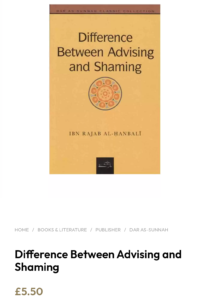
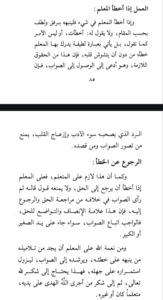
An Important Book That Demonstrates What The Scholars Say About The Difference Between Sincere Advice and Shaming

كتاب اقرا اونلاين Pdf 292 الفرق بين النصيحة والتعيير : Free Download, Borrow, and Streaming : Internet Archive
https://archive.org/details/Pdf292

[6] Be Vigilant Against Subtle Repackaged Shubuhaat In Some WhatsApp Groups

In The Name of Allah, The Most Merciful, The Bestower of Mercy.

A brief gentle dialogue with one who angrily says: “Akhi, stop the argumentation. You should know better than many people that the Prophet, peace and blessings of Allah be upon him, said: “I guarantee a house in paradise for one who gives up arguing, even if he is in the right”. [1]

We say to him:

Imam Muhammad Ibn Salih Al-Uthaymin, may Allah have mercy upon him, said:

Some people refrain from debate, even when they are correct, and they use this hadith as justification, thus they abandon debate. The one who abandons debating in matters of religion may not be entirely justified in doing so, as it could hinder the discovery of truth and potentially result in defeat. However, it may be that a person is in the right while arguing with another person about something that is not related to the religion, for example, he says, “I saw so and so person in the market” and the other person says, “Rather, I saw him in the Masjid”, thus an argument occurs between them. This is the type of argument mentioned in the hadith (i.e. the one that should be avoided). [2]

The Imam discussed the six distinct signs of beneficial knowledge, and then stated that one of these signs is the increase in humility as knowledge grows, and that one should not become arrogant. The Imam then added that if there is a clash between humbling oneself to the truth and humbling oneself to people, precedence is given to humbling oneself to the truth. For instance, if there is a person who reviles the truth and rejoices due to his enmity towards those who follow it, in this case, one should not humble themselves in the presence of this person. Instead, one should remain humble to the truth and engage in debate with this person. Even if they belittle or speak against you, do not be concerned about what they say because the truth must be upheld. [3]

The Imam also stated in Sharh Hilyah on page 243 that many people resort to falsehoods in arguments and manage to defeat those who stand for the truth. However, it is important to note that this does not mean that the truth itself has been overcome. Instead, it signifies that the person advocating for the truth may have been unable to effectively counter the false arguments due to their lack of debating skills.

He also stated: O student of knowledge! It is obligated to you to abandon (blameworthy) debate and argumentation because debate and argumentation is a means to cutting off the path to what is correct, makes a person speak to give the upper hand to himself. Even if the truth is made clear to him, you will find him either rejecting it or misconstruing the truth -out of disliking it- to give himself the upper hand and compel his opponent to accept his statement. Therefore, if you notice (blameworthy) debate and argumentation from your brother when the truth is very clear, but he does not follow it, flee from him like you would flee from a lion, and say, “I do not have anything other than the truth I have mentioned to you”. [4]


[1] Sahih Abu Dawud 4800

[2] Sharh Hilyati Taalibal Ilm. page 245

[3] Sharh Hilyati Taalibil Ilm pages 253-254

[4] An Excerpt from Sharh Hilyah Talib Al-Ilm page 246

Root Causes of The Unimaginable Depravity of Some of The Modern World’s Influential Figures

In The Name of Allah, The Most Merciful, The Bestower of Mercy.

Imam Ibn Al-Qayyim, may Allah have mercy upon him, said:

The basis of all sins – major and minor – are three: the heart’s attachment to other than Allah, going along with the intense strength of one’s anger and the intense urge of one’s desires.

These three matters constitute shirk, injustice and indecency. Shirk and invoking other than Allah is related to the heart’s attachment to other than Allah, murder is related to going along with one’s intense anger and fornication is related to going along with the intense urge of one’s desires. And because of this, Allah mentioned the three together in the verse:

وَٱلَّذِينَ لَا يَدۡعُونَ مَعَ ٱللَّهِ إِلَـٰهًا ءَاخَرَ وَلَا يَقۡتُلُونَ ٱلنَّفۡسَ ٱلَّتِى حَرَّمَ ٱللَّهُ إِلَّا بِٱلۡحَقِّ وَلَا يَزۡنُونَ

And those who invoke not any other ilah (god) along with Allah, nor kill such life as Allah has forbidden, except for just cause, nor commit illegal sexual intercourse. [Al-Furqan. 68]

These three invite to one another – Shirk leads to injustice and indecency, just as Tawheed and Ikhlas turns a person away from them. Allah, The Most High, said:

ڪَذَٲلِكَ لِنَصۡرِفَ عَنۡهُ ٱلسُّوٓءَ وَٱلۡفَحۡشَآءَ‌ۚ إِنَّهُ ۥ مِنۡ عِبَادِنَا ٱلۡمُخۡلَصِينَ

Thus it was, that We might turn away from him (Yusuf) evil and indecency. Surely, he was one of Our chosen, guided slaves. [Yusuf. 24]

Meaning: turned him away from infatuation and illegal sexual intercourse.

Similarly, injustice leads to Shirk and indecency, because Shirk is the greatest injustice, just as Tawheed is the greatest justice. Justice is a companion of Tawheed and injustice is a companion of Shirk, and this is why Allah mentioned both together.

Regarding Tawheed and justice, Allah said:

شَهِدَ ٱللَّهُ أَنَّهُ ۥ لَآ إِلَـٰهَ إِلَّا هُوَ وَٱلۡمَلَـٰٓٮِٕكَةُ وَأُوْلُواْ ٱلۡعِلۡمِ قَآٮِٕمَۢا بِٱلۡقِسۡطِ

Allah bears witness that Laa ilaaha illaa Huwa (none has the right to be worshipped but He), and the angels, and those having knowledge (also give this witness); (He is always) maintaining His creation in Justice]. [Aal Imran. 18]

Regarding injustice and Shirk, Allah said:

إِنَّ ٱلشِّرۡكَ لَظُلۡمٌ عَظِيمٌ۬

Verily, Shirk is great injustice. [Luqmaan. 13]

Indecency leads to shirk and injustice, especially when there is a strong desire that cannot be reached except through some type of injustice, such as seeking help through magic and shaytan. And indeed Allah mentioned both fornication and Shirk together in the verse:

ٱلزَّانِى لَا يَنكِحُ إِلَّا زَانِيَةً أَوۡ مُشۡرِكَةً۬ وَٱلزَّانِيَةُ لَا يَنكِحُهَآ إِلَّا زَانٍ أَوۡ مُشۡرِكٌ۬‌ۚ وَحُرِّمَ ذَٲلِكَ عَلَى ٱلۡمُؤۡمِنِينَ

The adulterer marries not but an adulteress, or a female polytheist and the adulteress none marries her except an adulterer or a male polytheist [and that means that the man who agrees to marry (have a sexual relation with) a female polytheist, pagan or idolatress) or a prostitute, then surely he is either an adulterer, or a polytheist)]. And the woman who agrees to marry (have a sexual relation with) a male polytheist or an adulterer, then she is either a prostitute or a female polytheist)]. Such a thing is forbidden to the believers [of Islamic Monotheism]. [An-Noor. 3]

These three [Shirk, indecency and injustice] can either be the cause of one another or lead to one another. And this is why whenever Tawheed in the heart is weaker and the Shirk in it is greater, it commits more indecency, becomes stronger in its attachment to images and infatuated with them. And what is similar to this is the statement of Allah:

فَمَآ أُوتِيتُم مِّن شَىۡءٍ۬ فَمَتَـٰعُ ٱلۡحَيَوٰةِ ٱلدُّنۡيَا‌ۖ وَمَا عِندَ ٱللَّهِ خَيۡرٌ۬ وَأَبۡقَىٰ لِلَّذِينَ ءَامَنُواْ وَعَلَىٰ رَبِّہِمۡ يَتَوَكَّلُونَ

وَٱلَّذِينَ يَجۡتَنِبُونَ كَبَـٰٓٮِٕرَ ٱلۡإِثۡمِ وَٱلۡفَوَٲحِشَ وَإِذَا مَا غَضِبُواْ هُمۡ يَغۡفِرُونَ

So whatever you have been given is but a passing enjoyment for this worldly life, but that which is with Allah (Paradise) is better and more lasting for those who believe (in the Oneness of Allah Islamic Monotheism) and put their trust in their Lord (concerning all of their affairs). And those who avoid the greater sins and indecency, and when they are angry, they forgive. [Ash-Shuraa. 36-37]

Allah informed us that what He has with Him is better for the one who believes in Him and relies upon him, and that is Tawheed. Then Allah said:

وَٱلَّذِينَ يَجۡتَنِبُونَ كَبَـٰٓٮِٕرَ ٱلۡإِثۡمِ وَٱلۡفَوَٲحِشَ

And those who avoid the greater sins and indecency.

Meaning, avoid the intense urge towards lowly desires. Then Allah said:

وَإِذَا مَا غَضِبُواْ هُمۡ يَغۡفِرُونَ

And when they are angry, they pardon.

This opposes the intense strength of anger.

Thus, Allah mentioned Tawheed, pardon and justice together, and they are that which gathers every good. [1]

Abdullah Bin Mas’ud, may Allah be pleased with him, said that the Prophet, peace and blessings of Allah be upon him, said, “Be shy of Allah (in a manner) that shyness should be”. They said, “We do feel shy of Allah, and all praise and thanks be to Allah”. The prophet said, “It is not like that. Rather the one who is truly shy of Allah, let him safeguard his head and what it carries, safeguards the stomach and what it carries, remembers death and affliction. He who wants the Hereafter should do away with the adornments of this life, then indeed he is truly shy of Allah, The Mighty and Majestic”.

“Be shy of Allah (in a manner) that shyness should be”.

Al-Allamah Al-Mubaarakfuri, may Allah have mercy upon him, said: “A firm, abiding and truthful shyness”.

“We do feel shy of Allah”.

Al-Allamah Al-Mubaarakfuri said: They said, “O Messenger of Allah! We do feel shy of Allah and all praise and thanks be to Allah”, but they did not say, “We are truly shy of Allah” due to their acknowledgment of the fact that they are unable to do so.

“And all praise and thanks be to Allah”.

Meaning, all praise and thanks be to Allah for granting us Tawfeeq [i.e. for guiding and enabling us to perform righteous deeds].

Then the Messenger said: “It (shyness) is not like that”.

Al-Mubaarakfuri said: “True shyness is not what you think; rather it is to safeguard all the limbs from what is not pleasing to Allah”.

“Rather the one who is truly shy of Allah, let him safeguard his head and what it carries, safeguards the stomach and what it carries, remembers death and affliction. He who wants the Hereafter should do away with the adornments of this life, then indeed he is truly shy of Allah, The Mighty and Majestic”.

Al-Allamah Al-Mubaarakfuri said, “Safeguard the head by refraining from disobedience to Allah, that you do not make prostrate to other than Allah and refrain from showoff while praying. Neither lower your head for other than the sake of Allah nor raise it out of pride. Regarding what the head carries, such as the tongue, the eyes, and the ears, do not utilise them for what is forbidden. Safeguard the stomach by refraining from eating what is forbidden as well as safeguarding what is connected to it, such as the private parts, the legs, the two hands, and the heart.

“Remembers death and affliction”.

Al-Allamah Al-Mubaarakfuri said: Remember death and your abode in the grave. “He who wants the Hereafter should do away with the adornments of this life”. Meaning, “This is because the two cannot be combined in a perfect manner, even those who are strong (in Iman) cannot do so. Therefore, whoever does this (i.e. the things mentioned this hadith), indeed he is truly shy of Allah. [2]


[1]An Excerpt from Al-Fawaa’id 131-132

[2]An Excerpt from Tuhfah Al-Ahwadhi. 7/131

[5] Be Vigilant Against Subtle Repackaged Shubuhaat in Some WhatsApp Groups

In The Name of Allah, The Most Merciful, The Bestower of Mercy.

Response to the one who says, “Only a scholar should refute a scholar” or “He hasn’t reached the station of the one he is correcting his mistake, so better he keeps quiet”.

Al-Allamah Rabee Bin Hadi Al-Mad’khali, may Allah have mercy upon him, was asked:

“What is the correctness (or validity) of the statement made by some (people): A scholar cannot be refuted except by (another) scholar?”

Response: If silence is employed in the face of his misguidance and there is no scholar to clarify the truth, while this one- who is of a much lesser status (or considered much inferior in knowledge) – possesses evidence and proof, it is incumbent upon him to present what he has. The point is that a scholar and a student of knowledge should only speak based on knowledge and should not engage in any matter without knowledge.

وَلَا تَقْفُ مَا لَيْسَ لَكَ بِهِ عِلْمٌ ۚ إِنَّ السَّمْعَ وَالْبَصَرَ وَالْفُؤَادَ كُلُّ أُولَٰئِكَ كَانَ عَنْهُ مَسْئُولًا

And do not pursue that of which you have no knowledge. Verily! The hearing, and the sight, and the heart, of each of those you will be questioned (by Allah). [Al-Israa 36]

Speaking based on ignorance in any speech, even if made by a scholar, is rejected and not accepted. It is unlawful and may even lead to a level greater than disbelief in Allah, The Mighty and Majestic, as Allah, The Blessed and Exalted, said:

قُلْ إِنَّمَا حَرَّمَ رَبِّىَ ٱلْفَوَٰحِشَ مَا ظَهَرَ مِنْهَا وَمَا بَطَنَ وَٱلْإِثْمَ وَٱلْبَغْىَ بِغَيْرِ ٱلْحَقِّ وَأَن تُشْرِكُوا۟ بِٱللَّهِ مَا لَمْ يُنَزِّلْ بِهِۦ سُلْطَٰنًا وَأَن تَقُولُوا۟ عَلَى ٱللَّهِ مَا لَا تَعْلَمُونَ

Say (O Muhammad): “(But) the things that my Lord has indeed forbidden are Al-Fawahish (great evil sins, every kind of unlawful sexual intercourse, etc.) whether committed openly or secretly, sins (of all kinds), unrighteous oppression, joining partners (in worship) with Allah for which He has given no authority, and saying things about Allah of which you have no knowledge.” [Al-A’raf 33]

Imam Ibn al-Qayyim stated in his explanation of this verse: Indeed, Allah, Blessed and Exalted, mentioned in stages starting from the lesser to the greater in these matters. The gravest of sins and major sins is to speak about Allah without knowledge, as this encompasses Shirk, disbelief, bidah, and various sins. The root of all calamity lies in speaking about Allah without knowledge, speaking in the name of Allah and His religion without knowledge.

If there is a student of knowledge, meaning, he has knowledge of a matter, proof and evidence, and the scholars have not spoken, he should speak the truth. (Paraphrased) (1)

The Arabic text below is a statement of Shaikh Abdus Salam Burjess, may Allah have mercy upon him, in Awa’iq at-Talab pages 85-86.

The Shaikh said that when a teacher errs regarding something, the student should deal with him gently according to the circumstances and should not say to him, “You have made an error” or “The matter is not as you say”, rather, he should use kind expressions through which the teacher realises his mistake without unsettling his heart, for this is from the rights that are owed to the teacher…. refutation that is accompanied with bad manners and distressing the person’s heart prevents understanding of what is right…

And just as this is obligated to a student of knowledge when dealing with the teacher, it is also incumbent upon the teacher to return to the truth when he errs. He is not to be prevented from returning to the truth after reviewing a statement he made and finds that it is in opposition to what is correct, for indeed that is a sign of equity and humbling oneself to the truth. Therefore, it is obligatory that one follows what is correct, whether it was conveyed by a younger or older person.

And it is a blessing upon a teacher that he has amongst his students one who notifies him of his mistake and leads him to what is correct, so that he does not persist upon that ignorance. This requires that one shows gratitude to Allah, The Most High, and then being thankful to the person through whom one was guided, whether it was a student or other than him.  (Paraphrased)


(1)https://youtu.be/KxPnClf4q-g?si=CxJv9NJY_RFFNQEl

Witnessed in This Life or After Death, Victory Always Belongs to Truth and Sound Methodology

In The Name of Allah, The Most Merciful, The Bestower of Mercy.

Imam Muhammad Ameen Ash-Shanqeetee, may Allah have mercy upon him, stated regarding the causes of weakness in the Ummah:

The Great Qur’an provides guidance on how to resolve this issue through the most suitable and upright path. Allah explained that the solution to this is related to turning to Him truthfully, one’s degree of faith in Him, and reliance upon Him. This is because Allah is All-Strong and All-Mighty, the Overwhelming and Absolute Subduer of everything, Who is never overcome. Consequently, it is impossible to prevail over someone who is truly an ally of Allah. One glaring example of this was during the Battle of the Confederates when the Muslims were under siege by the unbelievers. Allah says:

إِذْ جَآءُوكُم مِّن فَوْقِكُمْ وَمِنْ أَسْفَلَ مِنكُمْ وَإِذْ زَاغَتِ ٱلْأَبْصَٰرُ وَبَلَغَتِ ٱلْقُلُوبُ ٱلْحَنَاجِرَ وَتَظُنُّونَ بِٱللَّهِ ٱلظُّنُونَا۠
هُنَالِكَ ٱبْتُلِىَ ٱلْمُؤْمِنُونَ وَزُلْزِلُوا۟ زِلْزَالًا شَدِيدًا

When they came upon you from above you and from below you, and when the eyes grew wild and the hearts reached to the throats, and you were harbouring doubts about Allah. There, the believers were tried and shaken with a mighty shaking. [Surah Al-Ahzaab. Ayaat 10-11]

Aside from the fact that the Muslims were cut off politically and economically at the time by everyone on Earth, consider the severity of this military siege and its effects on them! When you realise this, you should be aware that Allah said in Surah Al-Ahzaab the following as the solution to this enormous affair that ended this great difficulty. Allah says:

وَلَمَّا رَءَا ٱلْمُؤْمِنُونَ ٱلْأَحْزَابَ قَالُوا۟ هَٰذَا مَا وَعَدَنَا ٱللَّهُ وَرَسُولُهُۥ وَصَدَقَ ٱللَّهُ وَرَسُولُهُۥ وَمَا زَادَهُمْ إِلَّآ إِيمَٰنًا وَتَسْلِيمًا

And when the believers saw Al-Ahzaab (the confederates), they said: “This is what Allah and His Messenger (Muhammad) had promised us, and Allah and His Messenger (Muhammad) had spoken the truth, and it only added to their faith and to their submissiveness (to Allah). [Al-Ahzab. 22]

That enormous difficulty was ended by this perfect belief in Allah, great submission to Him, and dependence and reliance on Him. And in fact, Allah made clear the benefits of this treatment. Allah mentioned the fruits of this remedy, saying:

وَرَدَّ ٱللَّهُ ٱلَّذِينَ كَفَرُوا۟ بِغَيْظِهِمْ لَمْ يَنَالُوا۟ خَيْرًا وَكَفَى ٱللَّهُ ٱلْمُؤْمِنِينَ ٱلْقِتَالَ وَكَانَ ٱللَّهُ قَوِيًّا عَزِيزًا
وَأَنزَلَ ٱلَّذِينَ ظَٰهَرُوهُم مِّنْ أَهْلِ ٱلْكِتَٰبِ مِن صَيَاصِيهِمْ وَقَذَفَ فِى قُلُوبِهِمُ ٱلرُّعْبَ فَرِيقًا تَقْتُلُونَ وَتَأْسِرُونَ فَرِيقًا
وَأَوْرَثَكُمْ أَرْضَهُمْ وَدِيَٰرَهُمْ وَأَمْوَٰلَهُمْ وَأَرْضًا لَّمْ تَطَـُٔوهَا وَكَانَ ٱللَّهُ عَلَىٰ كُلِّ شَىْءٍ قَدِيرًا

And Allah drove back those who disbelieved in their rage; they gained no advantage (booty, etc.). Allah sufficed for the believers in the fighting (by sending against the disbelievers a severe wind and troops of angels). And Allah is Ever All-Strong, All-Mighty. And those of the people of the Scripture who backed them [the Quraish disbelievers] Allah brought them down from their forts and cast terror into their hearts, (so that) a group (of them) you killed (during the battle), and a group (of them) you made captives. And He caused you to inherit (as war booty) their lands, and their houses, and their riches, and a land which you had not trodden (before). And Allah is Able to do all things. [Al-Ahzaab. 25-27]

This is how Allah supported them in their fight against their adversaries. They had no idea nor aware that they were aided by the wind and the angels. Allah said:

يَٰٓأَيُّهَا ٱلَّذِينَ ءَامَنُوا۟ ٱذْكُرُوا۟ نِعْمَةَ ٱللَّهِ عَلَيْكُمْ إِذْ جَآءَتْكُمْ جُنُودٌ فَأَرْسَلْنَا عَلَيْهِمْ رِيحًا وَجُنُودًا لَّمْ تَرَوْهَا وَكَانَ ٱللَّهُ بِمَا تَعْمَلُونَ بَصِيرًا

O you who believe! Remember Allah’s Favour to you, when there came against you hosts, and We sent against them a wind and forces that you saw not [i.e. troops of angels during the battle of Al-Ahzab (the Confederates)]. And Allah is Ever All-Seer of what you do. [1]

Imam Ibn Al-Qayyim, may Allah have mercy upon him, said:

والحق منصور وممتحن

“The truth is both victorious and tested (or subjected to ordeal).”

Imam Muhammad Ibn Salih al-Uthaymin, may Allah have mercy upon him, said:

Meaning: it is not victorious without trial; rather, it must be subjected to ordeal that makes it evident. There is no astonishment in this, for indeed it is the way of Allah- The Mighty and Majestic – so that through this Allah’s party (i.e. His allies) are distinguished from the party that wars against Allah. had not been for this, people would have been one single community (upon upright guidance), and Allah’s party would not have been distinguished from those who wage war against Him. And due to the reason that the truth is both victorious and subjected to ordeal, people become two groups. But whose is the final (praiseworthy) outcome? The final (praiseworthy) outcome is for the people of truth. Allah, The Most High, said:

إِنَّا لَنَنصُرُ رُسُلَنَا وَٱلَّذِينَ ءَامَنُوا۟ فِى ٱلْحَيَوٰةِ ٱلدُّنْيَا وَيَوْمَ يَقُومُ ٱلْأَشْهَٰدُ
يَوْمَ لَا يَنفَعُ ٱلظَّٰلِمِينَ مَعْذِرَتُهُمْ وَلَهُمُ ٱللَّعْنَةُ وَلَهُمْ سُوٓءُ ٱلدَّارِ

Verily, We will indeed make victorious Our Messengers and those who believe (in the Oneness of Allah Islamic Monotheism) in this world’s life and on the Day when the witnesses will stand forth, (i.e. Day of Resurrection), the Day when their excuses will be of no profit to Zalimun (polytheists, wrong-doers and disbelievers in the Oneness of Allah). Theirs will be the curse, and theirs will be the evil abode (i.e. painful torment in Hell-fire). [Ghafir 51-52]

The final (praiseworthy) outcome is for the people of truth. If it is not attained (or its occurence is not witnessed) in this world, it has a recompense in Allah’s presence. The final (praiseworthy) outcome is theirs in all cases- either in this world or in the Hereafter.

إِنَّا لَنَنصُرُ رُسُلَنَا وَٱلَّذِينَ ءَامَنُوا۟ فِى ٱلْحَيَوٰةِ ٱلدُّنْيَا وَيَوْمَ يَقُومُ ٱلْأَشْهَٰدُ

Verily, We will indeed make victorious Our Messengers and those who believe (in the Oneness of Allah Islamic Monotheism) in this world’s life and on the Day when the witnesses will stand forth, (i.e. Day of Resurrection).

Even though I say that victory is not the victory of an individual, but the victory of the path he follows. If it is that Allah has decreed for a person in this worldly life that he will die before witnessing victory- any victory that he may be attain, then indeed, he he will be victorous after that. His methodology will be victorious and established as long as it is the methodology that Allah has prescribed for His servants.

Due to this, we say that the Muslims’ victory after the death of the Messenger, peace and blessings of Allah be upon him, is a victory for the Messenger —is that not the case? Even though it (happened) after his death. What demonstrates this is that when Abu Sufyan informed Heraclius- the Emperor of the Rome – about the call to the truth which the Messenger, peace and blessings of Allah be upon him, adhere to, what did he say to Abu Sufyan? He said: “If what you say is true, he will reign over what is under my these two feet of mine.” But did the Messenger reign over what is under (Hiraclious) two feet (i.e. his Kingdom)?

The student said: Yes.

The Shaikh said: He (The Messenger) reigned over, but not by his personal self; rather, through his Shariah and methodology. [2]


[1] An Excerpt from ‘Adwaa Al-Bayaan Vol 3. pages 301-302

[2] https://alathar.net/home/esound/index.php?op=codevi&coid=129382#:~:text=%D9%8A%D9%82%D9%88%D9%84%20%D8%B1%D8%AD%D9%85%D9%87%20%D8%A7%D9%84%D9%84%D9%87%20%3A%20%22%20%D9%88%D8%A7%D9%84%D8%AD%D9%82%20%D9%85%D9%86%D8%B5%D9%88%D8%B1,%D8%A7%D9%84%D9%86%D8%A7%D8%B3%20%D8%B7%D8%A7%D8%A6%D9%81%D8%AA%D9%8A%D9%86%20%D9%88%D9%84%D9%83%D9%86%20%D8%A7%D9%84%D8%B9%D9%82%D8%A8%D9%89%20%D9%84%D9%85%D9%86%20%D8%9F

[3] Mistakes, The Mistaken Ones and The Precise Responsibility of The People of Knowledge

In The Name of Allah, The Most Merciful, The Bestower of Mercy.

Shaikh Al-Islam Ibn Taymiyyah, may Allah have mercy upon him, said: “If a man commits evil openly, it is obligatory to denounce him openly, and this is not tantamount to backbiting him.  [1]

Imam Abdul Azeez Bin Baaz, may Allah have mercy upon him, was asked: “When should advice be given in private or openly?”

Response: The one giving advice does what is best. If he sees that it is more beneficial in secret, he advises secretly; if he sees that it is more beneficial to do so openly, he does so; but if the sin is committed in secret, the advice can only be given in secret. If he knows about his brother that he sins in secret, he advises him in secret and does not expose him. But if the sin is committed openly, – seen by the people, for example, a person starts drinking alcohol in a gathering, then one must denounce it openly; or if a person started calling (others) to drink alcohol or to fornicate, whilst one is present, he should say, “O my brother! This is not permissible”. [2]

It was said to Imam Al-Albani, may Allah have mercy upon him: “The statement of some people or the stipulation of some of them is that it is more correct that advice must be given before refutations are printed- a copy must be sent to the one refuted so that it can be looked into. They say this is from the methodology of the pious predecessors”.

Response: This is not a condition, but if it is possible and it is hoped that affinity will be attained from this approach – in order not to announce the affair amongst the people, then this is undoubtedly a good thing; but as for making it a condition first and foremost, and secondly, making it a general condition, there is no wisdom in this at all. People, as you all know, are like mines of gold and silver (a), so whoever you know – about him – that he is with us on the path- upon the (sound) methodology and that he accepts advice, then you write to him without making his mistake known, and at least in your view this is good. But this is not a condition, and it would have been impossible (to implement fully) even if it were a condition. How would get his address and how would you be able to correspond with him? Also, will he send you a response or not? These are completely speculative affairs. This condition is very difficult to fulfil, and therefore the issue is not taken as a condition. [3]

Al-Allamah Rabee Bin Haadi Al-Mad’khali, may Allah have mercy upon him, was asked: “Our Shaikh, one of the affairs that have become circulated and have aroused an intense feeling among the Salafis, is that there are people who claim that advice is obligatory before warning. Is there a statement you can give in this matter?”

Response: I answered this question before – may Allaah bless you. We have been put to trial with these types of affairs, so you find a person spreading falsehoods, lies, and slander against others- both about individuals and in general; and if you give him advice or (respond with) criticism or something, he says, “Why did they not warn me, why did they not advise me, and why did they not explain to me”. (These statements of this person are) corrupt excuses. We seek from these people to repent to Allah and return to the truth with complete good manners and humility, and to leave such excuses. Assume that this one made a mistake and did not speak, and did not advise you, then (still) return to the truth and reprimand him thereafter. As for spreading (trouble) amongst the people and persisting in your falsehood and your mistakes, and saying, “They did not do and they did”, this is empty talk. It is obligated to a believer to return to Allah (in obedience, repentance, etc). You publish your mistakes in books, tapes, etc. If you hid your mistakes and committed them in the darkness of your house – (known only to) you and Allah, then this person discovers you, he would advise you – between you and him (only). As for disseminating your statements and (publicising) deeds in the world, then someone comes and publishes- meaning, replies to you (or rebuts you), there is nothing wrong with this -May Allah bless you. Leave these excuses (arise) from many of the people of falsehood who are rebellious in falsehood and stubbornness. [4]


[1] Majmoo Al-Fataawaa 28/217

[2] Majallah Al-Islaah. (Number 17/241). Date: 23/6/1993

[a] Abu Hurairah [may Allah be pleased with him] narrated that Allah’s Messenger [peace and blessings of Allah be upon him] said, “People are like mines of gold and silver; those who were excellent in Jahiliya (during the days of ignorance) are excellent In Islam, when they have an understanding (in the religion), and the souls are troops collected together and those who had a mutual familiarity amongst themselves would have affinity amongst them, and those who opposed one of them, would be at variance with one another”. [Saheeh Muslim 2638]

[3] Silsilah Al-Hudaa Wan-Noor. Number 63

[4] https://rabee.net/alfatawi/%D8%B4%D9%8A%D8%AE%D9%86%D8%A7-%D9%85%D9%86-%D8%A7%D9%84%D8%A3%D9%85%D9%88%D8%B1-%D8%A7%D9%84%D8%AA%D9%8A-%D8%B5%D8%A7%D8%B1%D8%AA-%D8%AA%D8%B1%D9%88%D8%AC-%D9%88%D8%B5%D8%A7%D8%B1%D8%AA-%D8%B9%D8%B7/


[2] Mistakes, The Mistaken Ones and The Precise Responsibility of The People of Knowledge

In The Name of Allah, The Most Merciful, The Bestower of Mercy.

Al-Allamah Salih al Fawzan, may Allah preserve him, said:

When punishment descends on the disobedient ones, it touches both the righteous and the wicked, except the one who rejects evil. Indeed he (the one who rejects evil) will be saved. As for the one who did not reject evil, he will be destroyed even if he is a righteous person. He will be destroyed along with those who are destroyed, just as what occurred regarding Ashaab As-Sabr (those who violated the Sabbath). Allah, Glorified be He and free is He from all imperfections, did not mention anything concerning those who kept quiet (i.e. those who refrained from rejecting evil), rather He only mentioned those who forbade evil.

As for the second group, those who said:

 وَإِذۡ قَالَتۡ أُمَّةٌ۬ مِّنۡہُمۡ لِمَ تَعِظُونَ قَوۡمًا‌ۙ ٱللَّهُ مُهۡلِكُهُمۡ أَوۡ مُعَذِّبُہُمۡ عَذَابً۬ا شَدِيدً۬ا‌ۖ

Why do you preach to a people whom Allah is about to destroy or to punish with a severe torment? [Al-A’raf. 164)]

Allah kept quiet about them (i.e. those who made this statement), no information is given regarding whether they were either amongst the destroyed or those saved. What is apparent is that they were amongst the destroyed. Allah said:

لُعِنَ ٱلَّذِينَ ڪَفَرُواْ مِنۢ بَنِىٓ إِسۡرَٲٓءِيلَ عَلَىٰ لِسَانِ دَاوُ ۥدَ وَعِيسَى ٱبۡنِ مَرۡيَمَ‌ۚ ذَٲلِكَ بِمَا عَصَواْ وَّڪَانُواْ يَعۡتَدُونَ
ڪَانُواْ لَا يَتَنَاهَوۡنَ عَن مُّنڪَرٍ۬ فَعَلُوهُ‌ۚ لَبِئۡسَ مَا ڪَانُواْ يَفۡعَلُونَ

Those among the Children of Israel who disbelieved were cursed by the tongue of Daawood and Eesaa, son of Maryam. That was because they disobeyed (Allaah and the Messengers) and were ever transgressing beyond bounds. They used not to forbid one another from evil which they committed. Vile indeed was what they used to do. [Al-Ma’idah. 78-79]

After the Prophet, peace and blessings of Allah be upon him, recited this statement of Allah, he said, “The reason being cursed was because they did not forbid one another from evil which they committed. So Allah cursed all of them”.

He said: “By no means, I swear by Allah, you must enjoin good and forbid evil, prevent the wrongdoer, bend him into conformity with what is right, and restrict him to what is right, or Allah will mingle your hearts together and curse you as He cursed them”. [Abu Dawud]

An Excerpt from “The Means To Safety For The Ummah”. page 5

[1] Mistakes, The Mistaken Ones and The Precise Responsibility of The People of Knowledge

In The Name of Allah, The Most Merciful, The Bestower of Mercy.

Imam Al-Barbahaaree, may Allah have mercy upon him, said:

Know that leaving the correct path occurs in two ways. Firstly: that a man strays from the correct path intending nothing but good, so his error is not to be followed since it leads to destruction. Secondly, a man who deliberately opposes the truth and acts contrary to the pious ones who came before him, he is astray, leading others astray, a rebellious devil within the Ummah. It is a duty upon those who know of him to warn the people against him and to explain his condition to them so that no one falls into his innovation and is destroyed.

Al-Allamah Salih Al-Fawzan, may Allah preserve him, commented:

After the Shaikh [i.e. Imam Barbahaaree] described the correct path in his previous statement- the correct path that is obligated to a Muslim to follow in his Aqeedah and religion, he then mentioned that the one who leaves the correct path is one of two men:

The First Man: Is the one who leaves the (correct path) without the intention (to do so), rather he intended good but followed other than the path of good. Striving (alone) is not sufficient, and even if the person has a righteous intention and a good aim, then that has to be upon the correct path. Therefore, this (person) is considered mistaken and whoever agrees with him upon that and follows with him upon error will be destroyed; because this is a path of destruction even though the (person) did not intend leaving (the correct path); rather his quest was (to reach something) good. This is the state of many of those who initiate newly invented matters -from themselves – in the knowledge of Aqeedah (Creed). This is not permissible and they should not adhere to it. The person is not upon correctness. Allah, The Mighty and Majestic, said:

 وَأَنَّ هَٰذَا صِرَاطِي مُسْتَقِيمًا فَاتَّبِعُوهُ ۖ وَلَا تَتَّبِعُوا السُّبُلَ فَتَفَرَّقَ بِكُمْ عَنْ سَبِيلِهِ

And verily, this is my Straight Path, so follow it, and follow not (other) paths, for they will separate you away from His Path]. [6:153]

Therefore, we reject any path that exits us from the Straight Path even if the one who (calls) to it aims for good and has a good intention. We do not follow him upon that while he continues upon his error, eventually leading to destruction; because whoever abandons the correct path in his journey and takes a path of ruin will be destroyed.

As For The Second Person: It is the one who intends to leave (the correct path). He knows the truth and that what he embarks upon is falsehood, but he intends to leave the truth with the intention of misguiding the people. The intention of the first (person) is to bring about benefit for the people, but he did not follow the correct path. The second (person) intended to misguide the people and to turn them away from the correct path. So this one (i.e. the one who intends misguidance for the people) is a devil, because the devils take the people away from the Straight Path.

لَأَقْعُدَنَّ لَهُمْ صِرَاطَكَ الْمُسْتَقِيمَ

Surely I (Iblis) will sit in wait against them (human beings) on Your Straight Path. [7:16]

He intends to turn them away from it [i.e. the straight path] and (direct them) towards the deviated paths. The Prophet, peace and blessings of Allah be upon him, gave us an example when he drew a straight line and drew other lines on its sides, he then said about the straight line:

“This is the path of Allah” and he said about the other lines, “These are the other paths, and on each path is a devil calling to it”.

This is a clear example that is in agreement to what the Shaikh [i.e. Imam Barbahaaree] has mentioned here. So the one who takes the people away from the Straight Path (and direct them) to the innovated paths of the innovators is not one who intends good for them; rather he intends destruction for them. He is a devil, be it that he is a devil from amongst the Jinn or the people.

It is obligated to us to be more careful of this (second person) than the first one because this one [i.e. the intentionally deviated one] intends to misguide the people.

And regarding the statement of Imaam Barbahaaree: “He is astray, leading others astray, a rebellious devil”.

Al-Allamah Salih Al-Fawzan commented:

He is misguided and misguiding others. He is a rebellious devil, a rebel intending to turn the people from the Straight Path.

And regarding the statement of Imam Barbahaaree:

“It is a duty upon those who know of him to warn the people against him and to explain his condition to them so that no one falls into his innovation and is destroyed”.

Al-Allaamah Salih Al-Fawzan commented:

It is not permissible to keep quiet about this one who leaves the truth intentionally; rather it is incumbent to unveil his affair and uncover his vileness until the people are warned about him. And it is not to be said that the people are free to hold views, freedom of speech and respecting the views of others, as say present with regards to (having) respect for the views of others. The affair is not about views; (rather) the affair is about Ittibaa [i.e. following the authentic proofs narrated from the Messenger accompanied with the understanding of the Salaf]. Allah has outlined a clear path for us and He told us to adhere to it, when He stated:

وَأَنَّ هَٰذَا صِرَاطِي مُسْتَقِيمًا فَاتَّبِعُوهُ

And verily, this is my Straight Path, so follow it. [6:153]

Therefore, any person comes to us and wants us to leave this straight path, then firstly we reject his statement. Secondly, we clarify and warn the people against him and we do not keep quiet about him, because if we keep quiet about him, the people will be deceived by him, especially if he is an eloquent person, (with) good speech, writing and is educated; for indeed the people will be deceived by him and will say:

“This one is competent, this one is from the thinkers” as is taking place today.

So, the affair is very dangerous, and regarding this is a reason to refute the one in opposition, as opposed to what those ones say:

“Abandon the refutations, leave the people, everyone has his own views and have respect for him”.

Through this respect for the views and freedom of speech, the Ummah will be destroyed. The Salaf did not keep quiet about the likes of these people; rather they exposed and refuted them due to their knowledge of their danger upon Ummah. We do not keep quiet about their evil; rather that which Allah has revealed must be clarified, otherwise, we will be from those who conceal the truth- those about whom Allah stated:

إِنَّ الَّذِينَ يَكْتُمُونَ مَا أَنْزَلْنَا مِنَ الْبَيِّنَاتِ وَالْهُدَىٰ مِنْ بَعْدِ مَا بَيَّنَّاهُ لِلنَّاسِ فِي الْكِتَابِ ۙ أُولَٰئِكَ يَلْعَنُهُمُ اللَّهُ وَيَلْعَنُهُمُ اللَّاعِنُونَ

Verily, those who conceal the clear proofs, evidences and the guidance, which We have sent down, after We have made it clear for the people in the Book, they are the ones cursed by Allah and cursed by the cursers. [2:159]

And the affair is not limited to the innovator, rather it is extended to the one who keeps quiet about him, for indeed rebuke and punishment is extended to him, because it is obligatory to clarify and made clear for the people…..up until Al-Allamah Salih stated: “So our intention is to clarify the truth. Our intention is not to (merely) disparage the people or to speak about the people. The intent is to clarify the truth and this is a trust entrusted upon the scholars. It is not permissible to keep quiet about these people. [1]

The Mistaken Wise Man

Yazid Bin Ameerah, who was one of the companions of Mu’adh Bin Jabal said: Whenever he (Mu’adh) sat in a meeting to give admonition, he would say: “Allah is a just arbiter; those who doubt would perish”. One day Mu’adh Bin Jabal said: In the times after you, there would be trials in which riches would be abundant. During these trials the Quran would be easy so much so that every believer, hypocrite, man, woman, young, grown up, slave and free man will learn it. Then a man might say: “What happened with the people that they do not follow me while I read the Quran? They are not going to follow me until I introduce a Bidah for them other than it”. So beware of that which is innovated (in religion), for whatever is innovated is misguidance. I warn you of the deviation of a wise person from right guidance, for sometimes Satan utters a statement of misguidance through the tongue of a wise person and sometimes a hypocrites may speak a word of truth. I said to Mu’adh: “I am at a loss to understand may Allah have mercy on you that a wise man sometimes may utter a statement of misguidance and a hypocrite may utter a statement of truth”. He said, “Certainly, avoid the speech that emanates from a wise person that is known to be false and about which it is said, “What is this?!” And it does not warrant that you abandon him, for it is possible that he may withdraw (from these things that are well known to be false). Adhere to the truth when you hear it, for truth has light.

The speech of the wise person that is considered to be false

It is the ambiguous speech that makes one say: “What does he intend by this statement?!” He is known for good and beautiful speech, but he may err and slip, or shaytan misleads him to utter bad understanding. Shaytan may misguide a person until he utters misguidance and a false statement despite the fact that he is known for good, beautiful and fine speech. [2]

Imam Sufyan Ibn Uyayna, may Allah have mercy upon him, used to say, “Indeed, the Messenger, peace and blessings of Allah be upon him, is the greatest criterion (i.e. amongst mankind and Jinn) and all matters are presented to him (i.e. for judgement) based on his manners, path and guidance; so whatever is in agreement with this is truth, and whatever is in opposition is falsehood”. [3]


[1] Source: An Excerpt from It’haaf Al-Qaaree Bi-attaliqat Alaa Sharh As- Sunnah Lil Imam Barbahaaree. 1/110-115. slightly paraphrased

[2] Sharh Kitab Sunnah Min Sunan Abee Dawud from pages 111-118 by Al Allamah Abdul Muhsin Al-Abbad, may Allah preserve him. May Allah bless our Ustadh and colleage Harun Banton for sharing the Sharh of this Athar from which we extracted these few points.

[3] Al-Jaami Li-Akhlaaq Ar-Raawi Wa Aadaab As-Saami’ page 8