[6] Notification to Ahlul Bidah and The Mumayyi’ah: These Clarifications Are Coming Back!

In The Name of Allah, The Most Merciful, The Bestower of Mercy.

Al-Allaamah Rabee Bin Hadi Al-Mad’khal, may Allah have mercy upon him, said:

The final affair of ahlul kalam [the proponents of theological rhetoric] is a state of doubt and confusion, and the final affair of the people of the Sofee paths is a state of wild irrational behaviour and false claims. Shaikh Al-Islam Ibn Taymiyyah, may Allah have mercy upon him, said:

And because of this, the innovators of Ahlul Kalam have something of resemblance to the Jews and those who innovate acts of worship have something of resemblance to the Christians (Footnote a) The final affair of ahlul kalam is a state of doubt and confusion and the final affair of those who innovate acts of worship is a state of wild irrational behaviour and false claims. This is because these ones [i.e. ahlul kalam] deny the truth, thus it leads them to doubt and those ones [i.e. those who innovate acts of worship] believe in falsehood and it leads them to a state of wild irrational behaviour. These ones [i.e. ahlul kalam] are like the darkness in a vast deep sea, overwhelmed with a great wave topped by a great wave, topped by dark clouds, darkness, one above another; and those ones [i.e. those who innovate acts of worship] are like a mirage in a desert, the thirsty one thinks it to be water, until he comes up to it and finds it to be nothing”. (1)

The Shaikh, may Allah have mercy upon him, also said:

Shaikh Al-Islam Ibn Taymiyyah, may Allah have mercy upon him, said:

“The people in their pursuit of knowledge and religion have two innovated paths and a path legislated in the Shariah. The path of the Islamic legislation is to look at that which the Messenger, peace and blessings of Allah be upon him, brought, utilise it as evidence and act upon that which it necessitates, therefore, there has to be knowledge based on that which he [i.e. the Messenger (peace and blessings of Allah be upon him)] came with and to act upon it, and only one of them is not enough. This path is built upon the sound intellectual proofs and the sound proofs that are based on absolute certainty (in conformity with the revelation). This is because the Messenger clarified the sound intellectual proofs whose limits are determined by the (infallible) divine texts and the Messengers clarified the sound rational proofs which the people are in need of, just as Allah put forth in the Qur’an every kind of similitude. This is the straight path which Allah commanded His servants to ask Him to guide them to.

As for the two innovated paths, one of them is the path of the people of innovated theological speech and views, because indeed there is much falsehood in this. Many of its people become negligent with regards to deeds commanded by Allah and His Messenger, so they remain upon corruption in knowledge and deeds. These people stray towards false Judaism. (Footnote b)

The second is the path of people who employ ways of strengthening the soul, the people of the Soofi paths and innovated acts of worship. These ones stray towards false Christianity, because they say that if a person purifies his soul based on the manner in which they have stated, the sciences of the religion will come to him in abundance without learning. The acts of worship of many amongst these people are innovated; rather they are in opposition to that which the Messenger came with, thus they remain upon corruption in their deeds and corruption due to deficiency in knowledge, since they do not know what the Messenger came with. These people often malign one another and every group speaks ill against the other, while each of them claims to be following the Messenger; however, what the Messenger came with is neither in agreement with what these ones say and what those ones say. Allah said:

مَا كَانَ إِبۡرَٲهِيمُ يَہُودِيًّ۬ا وَلَا نَصۡرَانِيًّ۬ا وَلَـٰكِن كَانَ حَنِيفً۬ا مُّسۡلِمً۬ا وَمَا كَانَ مِنَ ٱلۡمُشۡرِكِينَ –

Ibrahim (Abraham) was neither a Jew nor a Christian, but he was a true Muslim Hanifa (Islamic Monotheism – to worship none but Allah Alone) and he was not one who associated partners to Allaah in worship]. [Surah Aal Imraan. Aayah 67]

Neither Allah’s Messenger nor his companions were upon the path of the people who innovate in religion – the proponents of Theological Rhetoric and Views; nor the path of the people who innovate in religion amongst the proponents of innovated worship and Soofiyyah; rather he was upon that which Allaah sent him with based on the Qur’aan and Sunnah”. (2)

—————————————-

Footnotes a & b: Shaikh Al-Islam Ibn Taymiyyah, may Allah have mercy upon him, stated:

When it is case that the true followers of the Prophets, peace and blessings of Allah be upon them, are people of knowledge and justice, therefore the speech of the people of Islam and the true adherents to the Prophetic Sunnah regarding the unbelievers and the proponents of religious innovations has to be based on knowledge and justice, and not conjecture and what the soul desires. And due to this the Prophet, peace and blessings of Allah be upon him, said: “The judges are three: one will go to Paradise and two to Hell. A man who knows the truth and judges with it will enter paradise; a man who knows the truth but judges with the opposite of it will enter the fire, and a man who judges for the people based on ignorance will enter the fire’’. [Reported by Imaam Abu Dawud 3573]

And when it is the case that the one who judges between the people in matters related to wealth, blood [i.e. murder cases, physical violence etc] and honour will enter the hell fire if he is not a just scholar, then how about the one who passes judgements – without knowledge and justice – on creeds, religions, the fundamentals of belief,  divine knowledge and the general fundamental principles related to different subject matters, as is the case with the people of Bidah and vain desires – those who follow the ambiguous doubtful matters, abandon those explicitly clear texts that have transmitted by the Prophets, cling to matters that share an ambiguous similarity through mere analogy and opinions, and then present matters whose differences can neither be reconciled nor equated, just as is the case with the unbelievers and all the people of bidah and vain desires, who liken the creation to the Creator [i.e. they give the creation the Perfect Attributes that only belong to the Creator], and liken the Creator to the creation [i.e. by describing the Creator with the imperfect attributes of the Creation], and then they put forward an evil similitude for Allah by way of thoughtless and confusing speech. This is because the false religion of the Christians is an innovated religion- innovated after the departure of the Messiah, peace and blessings of Allah be upon him, and altered the religion of the Messiah through it, thus, they deviated from the Messiah’s path and remained upon that which they innovated.

Then when  Allah, The Most High,  sent Muhammad, peace and blessings of Allah be upon him, they disbelieved in him, thus, their disbelief and misguidance occurred in two ways: substitution of the religion of the first Messenger [i.e. the Messiah] and belied the second Messenger [i.e. Muhammad], just as the Jews substituted the rulings of the Torah before the Messiah was sent and then belied him. The Christians’ denial of Muhammad’s Messengership is a well-known belief of theirs to every Muslim, which is similar to the Jews’ disbelief  in the Messiah. The Christians emphasise the disbelief of the Jews greater than what the Jews deserve, because the Jews (i.e. those who disbelieved in the Messiah) claimed that he was a magician and a liar; rather they said that he is an illegitimate child, as Allah informed us about them: [وَقَوۡلِهِمۡ عَلَىٰ مَرۡيَمَ بُہۡتَـٰنًا عَظِيمً۬ا – And their speech against Maryam (Mary)- a grave false charge (that she has committed illegal sexual intercourse]. [Surah An-Nisaa. Aayah 156]

However, the Christians claimed that the Messiah, peace and blessings of Allah be upon him, is Allah, therefore the strife between them and the Jews regarding the Messiah involved a lot of contradictions, misguidance at similar levels and confrontation, and this is why both nations rebuked one another with something more than what each of them deserved, as Allah said:

وَقَالَتِ ٱلۡيَهُودُ لَيۡسَتِ ٱلنَّصَـٰرَىٰ عَلَىٰ شَىۡءٍ۬ وَقَالَتِ ٱلنَّصَـٰرَىٰ لَيۡسَتِ ٱلۡيَهُودُ عَلَىٰ شَىۡءٍ۬ وَهُمۡ يَتۡلُونَ ٱلۡكِتَـٰبَ‌ۗ كَذَٲلِكَ قَالَ ٱلَّذِينَ لَا يَعۡلَمُونَ مِثۡلَ قَوۡلِهِمۡ‌ۚ فَٱللَّهُ يَحۡكُمُ بَيۡنَهُمۡ يَوۡمَ ٱلۡقِيَـٰمَةِ فِيمَا كَانُواْ فِيهِ يَخۡتَلِفُونَ

The Jews said that the Christians follow nothing; and the Christians said that the Jews follow nothing; though they both recite the Scripture. Like unto their word, said (the pagans) who know not. Allah will judge between them on the Day of Resurrection about that wherein they have been differing. [Al-Baqarah. 113]

Muhammad Bin Abee Muhammad, the protege of Zaid Bin Thabit, may Allah be pleased with him, reported from Ikrimah or Saeed Bi  Jubayr, who reported from Ibn Abbas, may Allah be pleased with him and his father,  that when the Christian delegation of Najran came to Allah’s Messenger, peace and blessings of Allah be upon him, the Rabbis came and argued with them in the presence of the Messenger; so Rabee bin Hurmilah said, “You are upon nothing”, thus, he disbelieved in Isa and all the Injeel”. Then a man from the people of Najran said to the Jews, “You are upon nothing”, thus, he wilfully denied Musa’s Prophethood and disbelieved in the Torah, so Allah revealed:

وَقَالَتِ ٱلۡيَهُودُ لَيۡسَتِ ٱلنَّصَـٰرَىٰ عَلَىٰ شَىۡءٍ۬ وَقَالَتِ ٱلنَّصَـٰرَىٰ لَيۡسَتِ ٱلۡيَهُودُ عَلَىٰ شَىۡءٍ۬ وَهُمۡ يَتۡلُونَ ٱلۡكِتَـٰبَ‌ۗ

The Jews said that the Christians follow nothing; and the Christians said that the Jews follow nothing; though they both recite the Scripture. [Al-Baqarah. 113]

So each of them recited the affirmation of what they reject in their book- meaning, the Jews disbelieved in Isa whilst they had the Torah in which Allah established the evidence against them through Musa that they should believe in Isa and in the Injeel. [Ibn Abee Haatim. 1/339]

[وَقَالَتِ ٱلۡيَهُودُ لَيۡسَتِ ٱلنَّصَـٰرَىٰ عَلَىٰ شَىۡءٍ۬  – The Jews said that the Christians follow nothing];  Qatadah said regarding this verse: “Certainly, the early Christians were upon something, but they innovated and split”.  [وَقَالَتِ ٱلنَّصَـٰرَىٰ لَيۡسَتِ ٱلۡيَهُودُ عَلَىٰ شَىۡءٍ۬ – and the Christians said that the Jews follow nothing]; Qatadah said regarding this verse, “Certainly, the early Jews were upon something, but they innovated and split”.

The Jews belied the religion of the Christians and said that the Christians were upon nothing; and the Christians denied everything through which the Jews were distinguished with, even the laws of the Torah which the Messiah did not abrogate; rather he commanded them to act upon it. As for the Jews, they denied many of the things through which others were distinguished from them, until they denied the truth brought by Isa. So, even though the Christians – due to that which they innovated of exaggeration and misguidance – went into extremes in declaring the Jews as unbelievers and showed them enmity beyond what is obligated, however there is no doubt that the Jews disbelieved when they belied the Messiah, as Allah said to the Messiah:

إِنِّى مُتَوَفِّيكَ وَرَافِعُكَ إِلَىَّ وَمُطَهِّرُكَ مِنَ ٱلَّذِينَ ڪَفَرُواْ وَجَاعِلُ ٱلَّذِينَ ٱتَّبَعُوكَ فَوۡقَ ٱلَّذِينَ كَفَرُوٓاْ

I will take you and raise you to Myself and clear you [of the forged statement that ‘Iesa (Jesus) is Allah’s son] of those who disbelieve, and I will make those who follow you (Monotheists, who worship none but Allah) superior to those who disbelieve [in the Oneness of Allah, or disbelieve in some of His Messengers, e.g. Muhammad, ‘Iesa (Jesus), Musa (Moses), etc., or in His Holy Books, e.g. the Taurat (Torah), the Injeel (Gospel), the Qur’an] till the Day of Resurrection. [Aal Imraan. 55]

Allah said:

قَالَ عِيسَى ٱبۡنُ مَرۡيَمَ لِلۡحَوَارِيِّـۧنَ مَنۡ أَنصَارِىٓ إِلَى ٱللَّهِ‌ۖ قَالَ ٱلۡحَوَارِيُّونَ نَحۡنُ أَنصَارُ ٱللَّهِ‌ۖ فَـَٔامَنَت طَّآٮِٕفَةٌ۬ مِّنۢ بَنِىٓ إِسۡرَٲٓءِيلَ وَكَفَرَت طَّآٮِٕفَةٌ۬‌ۖ فَأَيَّدۡنَا ٱلَّذِينَ ءَامَنُواْ عَلَىٰ عَدُوِّهِمۡ فَأَصۡبَحُواْ ظَـٰهِرِينَ

Eesaa the son of Maryam said to Al-Hawariun (the disciples): “Who are my helpers (in the Cause) of Allah?” Al-Hawarieen (the disciples) said: “We are Allah’s helpers” (i.e. we will strive in His Cause!). Then a group of the Children of Israel believed and a group disbelieved. So We gave power to those who believed against their enemies, and they became the uppermost. [Surah As-Saff. Aayah 14]

The disbelief of the Christians – due to their denial of Muhammad’s Messengership – is greater than the disbelief of the Jews due to their denial of the Messiah’s Messengership. This is because the Messiah only abrogated a little from the Torah and all the laws and acts of worship ordained for him could be traced back to the Torah; however the majority of the beliefs and practices of the Christians were innovated after the departure of the Messiah. That which is found in the Jews’ denial of the Messiah by opposing Allah’s Shariah is not the same as the Christians’ denial of Muhammad, who brought an independent book from Allah, because nothing in the laws of the Qur’an was ordained based on the law of another Messenger. Allah said: [أَوَلَمۡ يَكۡفِهِمۡ أَنَّآ أَنزَلۡنَا عَلَيۡكَ ٱلۡڪِتَـٰبَ يُتۡلَىٰ عَلَيۡهِمۡ‌ۚ إِنَّ فِى ذَٲلِكَ لَرَحۡمَةً۬ وَذِڪۡرَىٰ لِقَوۡمٍ۬ يُؤۡمِنُونَ – Is it not sufficient for them that We have sent down to you the Book (the Qur’an) which is recited to them? Verily, herein is mercy and a reminder (or an admonition) for a people who believe]. [Al-Ankabut. 51]

The Qur’an is an independent book like the Torah of Musa, even though the Qur’an is greater than it. And this is why the  Christian scholars made a connection between Musa and Muhammad, just as when An-Najaashee – the (Ethiopian) king of the Christians- heard the Qur’an, he said, “Indeed, this and what Musa brought came from the same source”.

Also, when Waqarah bin Nawfil – who was one of Christian Arab scholars- heard the statement of the Prophet, he said, “Indeed, the Naamoos [i.e. Jibreel] came to you, who was sent to Musa. I wish I were young till when your people expel you [i.e. from Makkah]”. Allah’s Messenger asked, “Will these people drive me out?” Waraqah said, “Yes, for nobody brought the like of what you have brought, but was treated with hostility. If I were to remain alive till your day [when you start calling to Islam], then I would support you strongly”. [Al-Bukhari]

And this is why Allah mentioned the Torah and the Qur’an together in His statement:

فَلَمَّا جَآءَهُمُ ٱلۡحَقُّ مِنۡ عِندِنَا قَالُواْ لَوۡلَآ أُوتِىَ مِثۡلَ مَآ أُوتِىَ مُوسَىٰٓ‌ۚ أَوَلَمۡ يَڪۡفُرُواْ بِمَآ أُوتِىَ مُوسَىٰ مِن قَبۡلُ‌ۖ قَالُواْ سِحۡرَانِ تَظَـٰهَرَا وَقَالُوٓاْ إِنَّا بِكُلٍّ۬ كَـٰفِرُونَ

قُلۡ فَأۡتُواْ بِكِتَـٰبٍ۬ مِّنۡ عِندِ ٱللَّهِ هُوَ أَهۡدَىٰ مِنۡہُمَآ أَتَّبِعۡهُ إِن ڪُنتُمۡ صَـٰدِقِينَ

But when the truth (i.e. Muhammad with his Message) has come to them from Us, they say: “Why is he not given the like of what was given to Musa (Moses)? Did they not disbelieve in that which was given to Musa (Moses) of old? They say: “Two kinds of magic [the Taurat (Torah) and the Qur’an] each helping the other!” And they say: “Verily! In both we are disbelievers.” Say (to them, O Muhammad): “Then bring a Book from Allah, which is a better guide than these two [the Taurat (Torah) and the Qur’an], that I may follow it, if you are truthful.” [Al-Qasas.  48-49]

Allah did not revealed books that were a better guide than the Torah and the Qur’an. Then Allah said:

فَإِن لَّمۡ يَسۡتَجِيبُواْ لَكَ فَٱعۡلَمۡ أَنَّمَا يَتَّبِعُونَ أَهۡوَآءَهُمۡ‌ۚ وَمَنۡ أَضَلُّ مِمَّنِ ٱتَّبَعَ هَوَٮٰهُ بِغَيۡرِ هُدً۬ى مِّنَ ٱللَّهِ‌ۚ إِنَّ ٱللَّهَ لَا يَہۡدِى ٱلۡقَوۡمَ ٱلظَّـٰلِمِينَ

But if they answer you not (i.e. do not believe in your doctrine of Islamic Monotheism, nor follow you), then know that they only follow their own lusts. And who is more astray than one who follows his own lusts, without guidance from Allah? Verily! Allah guides not the people who are Zalimun (wrong-doers, disobedient to Allah, and polytheists). [Surah Al-Qasas. Aayah 50] [An Excerpt from Al-Jawab As-Sahih Liman Baddala Deen Al-Masih 1/26-30]


(1) Al-Mukhtaaraat Al-Bahiyyah Min Kutub Shaikhil Islaam Ibn Taymiyyah. Page 281

(2) Al-Mukhtaaraat Al-Bahiyyah Min Kutub Shaikhil Islaam Ibn Taymiyyah. 290-291. Slightly paraphrase]

[4] Notification to Ahlul Bidah and The Mumayyi’ah: These Clarifications Are Coming Back!

In The Name of Allāh, The Most Merciful, The Bestower of Mercy.

It is necessary to bring together the disparager and the disparaged, the refuter and the refuted, and to seek judgment in the (presence) of the scholars. It is not permissible to pass judgement on the refuted and disparaged person in absentia:

This is one of the Shubuhaat (1) of Adnan Ar’ur, when he used to demand (or request) from Shaikh Rabee, may Allāh have mercy upon him, to seek judgement (together with him) in the (presence) of Al-Allamah Al-Uthaymin, may Allāh have mercy upon him, concerning the Mukhaalafaat and Dalaalaat (2) for which he was criticised. He used to falsely accuse the scholars – who denounced him due to the observations they made regarding his falsehoods – that they pass judgment on him in absentia, meaning  before Al-Muhakamah (i.e. that in order to make a judgement against him, both him and his opponent must be present in the presence of a scholar), and according to him, this is not permissible.

Al-Allamah Rabee Al-Mad’khali, may Allāh have mercy upon him, was asked, as found in his treatise “Dar Baghi Adnan” about this Shubha (3): “What is your opinion regarding Adnan’s speech as follows: ‘Among the matters that are universally agreed upon by the nations- Jews, Christians, and Zoroastrians – is that during judicial rulings and judgement, it is incumbent to hear from both parties. It maybe that he did not intend this, maybe he did not desire it, maybe it is a slip of the tongue, maybe it is a Shami expression which is different from a Saudi, maybe it is a Maghribi expression which is different from a Mashriqi. (4) When a man rejects Niyyah [i.e. intention which is a requirement in acts of worship] in Islam, then a judgment is issued without hearing the other side, (leading to accusations of) disbelief; how is (this) disbelief? Meaning, what is its ruling (i.e. the ruling on rejecting Niyyah in islam)? A disbeliever! So how can one judge, be pleased with and accept that a person has rejected Niyyah in Islam merely based on a phone call from an unknown person. Masha-Allah, masha-Allah, (is this) based on knowledge and piety; masha Allah, based on understanding?! Someone on the phone from Europe is talking about a well-known person who is a pioneer in Dawah and lives among them, so what prevented them from verifying this issue?

Al-Allamah Rabee, may Allāh have mercy upon him, replied:

Indeed, we are profoundly flabbergasted by this man’s hotchpotch in his speech about the scholars, his belittling of them and his self-aggrandizement in this instance. We are profoundly flabbergasted that he conflates judicial rulings with fatwas, so, at times considering their responses as fatwas and at other times as judicial decisions. This is a strange hotchpotch and an atrociously flawed argument on his part. Sadly, he has placed himself in the position of mentoring senior scholars- members of the Council of Senior Scholars- who have devoted their lives to knowledge, fatwas, and judiciary rulings. They know what is required of them when a questioner asks them questions and when they issue rulings. In any case, it can be understood from his speech (i.e. Adnan) regarding judicial rulings that it is not permissible to issue rulings on someone who is absent under any circumstances.

This speech is false. There are numerous situations where a judgment can be made on a person who is absent and it is not a condition that he should be present, nor is a judge obliged to hear from both parties. This matter is well-established and its proof is that Hind bint Utbah said to the prophet Muhammad, peace and blessings of Allāh be upon him, “Indeed, Abu Sufyan is a stingy man and he does not give us what suffices me and my children, can I take from his wealth?” He (i.e. the prophet) said: “Take from his wealth that which suffices you and your children”. [Al-Bukhari 5364 and Muslim 1714]

He did not say: “Where is Abu Sufyan? Where is he, bring him to me so that he hears this speech?” Allāh’s messenger, peace and blessings of Allāh be upon him, passed a judgement on him while he was absent. He allowed this woman – the wife of Abu Sufyah – to take from his wealth even without his consent. This is a ruling on an absent person. In the Mad’habs of Ahmad, Shafi’i, and Malik, and other than them among the scholars of the Ummah, is that in matters regarding the rights of the people and mutual dealings, it is permissible to make a judgement on the one who is absent.

Here, I reference what Al-Bukhari has stated. He said: “Chapter: Judgment on the one who is absent” with his chain of narration to Urwah, from Aisha that Hind said to the Prophet, peace and blessings of Allāh be upon him, “Indeed, Abu Sufyan is a stingy man and I am in need from his wealth”, so he said: “Take what suffices you and your children in a reasonable manner”. Al-Hafidh (i.e. Ibn Hajr) said about the statement “(Judgement) on the one who is absent”, meaning, (concerning) the rights of the children of Adam, but not Allāh’s rights, based on the consensus (of the scholars that this applies) even if evidence is established against an absent person regarding theft, for instance, financial judgments that is other than the judgment of cutting the hand. Ibn Battal said: “Malik, Al-Layth, Al-Shafi’i, Abu Ubaid, and others have permitted judgments on the absent person”.

Ibn Abd al-Barr said: “the comprehensive nature of judicial rulings in lawsuits”. Judgment can be made against an absentee with regards to rights, mutual dealings, debts, and all rights, with the exception of real estate because no judgement is made about it, except if the person’s absence is prolonged and it harms his opponent. If this becomes the case, a judgement is made. This is the Mad’hab of Malik. When it is the case that it is permissible to pass a judgment on a dead person, judgement on an absent person is even more permissible. Also, in the Mad’hab of Imam Ahmad, judgement on an absent person is permissible”. The author of “Al-Mughni” reported a difference of opinion on this matter, then he (concluded that what) carries more weight is the permissibility (of passing judgement on an absent person) and he used as evidence the hadith of Aa’isha in the story of Hind, while also pointing out contradictions in Abu Hanifa’s stance.

Adnan neither knows the value of the scholars nor the value of knowledge, nor does he know the conditions of Fatwa. Despite this, he behaves arrogantly towards the scholars and makes them the most ignorant people. So, all the nations make it a condition with regards to judicial rulings and lawsuits that the judge should hear from both parties; all the nations, in Adnan’s view, are acquainted with this, Jews, Christians, and Zoroastrians, while these scholars are ignorant of these matters that are known to the nations of disbelief.

Then the questioner said: May Allāh protect you. What is your view on his earlier statement where he said that perhaps it wasn’t intended that way, it could have been a slip of the tongue, or that the expression might differ between Syrian and Saudi dialects, or even between Moroccan and Eastern expressions, thus, one passes a judgement without hearing the other side in the matter of disbelief. How can that be considered disbelief, meaning, when a man rejects the Niyyah in Islam?

Shaikh Rabee- may Allāh have mercy upon him – responded: This man has elevated himself and his speech to a status unprecedented by anyone else. Scholars listen to the speech of a scholar or someone other than him, clarifies for him that it is a mistake, and then criticises. (For instance), one narrates a hadith and makes a mistake, he (another person) says: “So and so has made a mistake, so and so has misperceived, so and so makes a lot of mistakes, so and so narrates munkar hadith”. He does not summon this narrator and say: “Maybe you intended such and such; inform me of what you intended, perhaps you intended such”. (Rather), he passes judgement on his speech that it is an error. He reads a book, then finds an error in it, he authors volumes to debate this scholar regarding what he considers as mistakes, and none says that (one uses) this method mentioned by Adnan.

Ash-Shafi’i engaged in discussions with Malik and Muhammad ibn al-Hasan, the companion of Abu Hanifa, regarding statements they made and rulings they issued. No one said to him: “Why did you approach Muhammad ibn al-Hasan or why did you not engage in discussion with Malik during his lifetime. Why? Why? Why?” No one says this, except the ignorant and the dull-witted who utter the likes of this speech, and put forward such objections. The Salaf used to critique people regarding their beliefs, their statements, and their actions, and they considered this as part of enjoining good and forbidding evil. They would issue fatwas based on the statements they received, and no one says they did not summon the speaker and say, “What did you intend, this or do you intended such and such”.

An Excerpt from Juhud Al-Allamah Rabee Al-Mad’khali Fee Naqd Shubuhat Al-Hizbiyeen An Manhaj An-Naqd Inda Ahli As-Sunnah As-Salafiyyeen 165-170. Compiled by Shaikh Ahmad Az-Zahrani, may Allah preserve him.


[1] Shubuhaat: doubts or ambiguities that are made to resemble truth but are falsehood in reality

[2] Mukhalafaat: deeds, beliefs, or methodologies that are opposition to what is right in the divine legislation. Dalaalaat: deeds, beliefs or methodologies that are tantamount to misguidance in religious practice.

[3] Shubhah: the singular of Shubuhaat

[4] Shaam: includes countries like Syria, Lebanon, Palestine etc. Maghrib: includes Algeria, Libya, Morocco, Tunisia etc. Mashriqh: includes Egypt, Sudan, etc

[1] The Heart’s Three Solid Pillars In The Path of Worship: Love, Fear, and Hope

In The Name of Allah, The Most Merciful, The Bestower of Mercy.

Love

Allah [The Most High] said:

وَمِنَ النَّاسِ مَن يَتَّخِذُ مِن دُونِ اللّهِ أَندَاداً يُحِبُّونَهُمْ كَحُبِّ اللّهِ وَالَّذِينَ آمَنُواْ أَشَدُّ حُبًّا لِّلّهِ

And of mankind are some who take (for worship) others besides Allah as rivals (to Allah). They love them as they love Allah. But those who believe, love Allah more (than anything else). [2:165]

Imam As-Sadi, may Allah have mercy upon him, said:

The (true) believers love Allah more than the love that the idol worshippers have for the partners they associate with Allah in worship. This is because they (believers) have a pure and sincere love for Allah. As for the Mushrikoon, they associate partners with Allah in worship out of the love they have for their false objects of worship. The believers love The One (Allah) who deserves true love in reality, for true love of Allah is the very thing upon which depends the rectification of a person, his happiness and success. As for the Mushrikoon, they love those who are not worthy of being given any love, rather having love for such things is the very reason behind wretchedness, corruption and loss. [1]

Fear and Hope

Allah (The Most High) said:

إِنَّهُمْ كَانُوا يُسَارِعُونَ فِي الْخَيْرَاتِ وَيَدْعُونَنَا رَغَبًا وَرَهَبًا ۖ وَكَانُوا لَنَا خَاشِعِينَ

Verily, they (i.e. Prophets) used to hasten on to do good deeds, and they used to call on Us with hope and fear, and used to humble themselves before Us. [21:90]

Imam As-Sadi, may Allah have mercy upon him, said:

They used to hasten towards the performance of good deeds and carried them out in the most virtuous times. They carried out those good deeds in a befitting manner and in the manner it is obligated. They never left a virtuous deed they were able to perform; rather they took the opportunity to perform it. They used to call upon Allah with Hope and Fear – asking Allah for those good things that are desired in the worldly life and afterlife. They used to seek Allah’s Refuge from those frightening things that bring about harm in this life and the next. Thus, they had fear and hope, and they were not heedless, inattentive and arrogant. [2]

Love, Fear And Hope In Surah Al-Fatihah

These three pillars are the pillars of servitude of the heart and no act of worship is accepted except through them. Allah is to be worshipped out of love of Him, hoping for His reward and fearing His punishment. Allah [The Blessed and Most High] mentioned these pillars of worship in Surah Al Fatihah – the best Surah of the Qur’an.

Love as a pillar of worship is found in statement [الْحَمْدُ لِلَّهِ رَبِّ الْعَالَمِينَ – All the praises and thanks be to Allah, the Lord of the ‘Alamin (mankind, jinns and all that exists)]. This is because Allah is the Bestower of all favours and the Bestower of blessings is loved in accordance with the favours He bestows, and [الْحَمْدُ] is to praise alongside having love for the one who is praised.

Hope as a pillar of worship is found in the statement [الرَّحْمَٰنِ الرَّحِيمِ -The Most Beneficent, the Most Merciful]. That is because the believer hopes for Allah’s Mercy and desires its attainment.

Fear as a pillar of worship is found in the statement [مَالِكِ يَوْمِ الدِّين -The Only Owner (and the Only Ruling Judge) of the Day of Recompense (i.e. the Day of Resurrection)]. [يَوْمِ الدِّين – The Day of Recompense] is the day of reckoning. Then the statement [إِيَّاكَ نَعۡبُدُ وَإِيَّاكَ نَسۡتَعِينُ – You (Alone) we worship, and You (Alone) we ask for help (for each and everything)] follows thereafter, which means: O our Lord! We worship You based on those aforementioned pillars- love, hope and fear.

These are the three pillars upon which:

[إِيَّاكَ نَعۡبُدُ وَإِيَّاكَ نَسۡتَعِينُ ]  is established. They have also been mentioned in Surah Al-Israa Verse 57:

أُوْلَـٰٓٮِٕكَ ٱلَّذِينَ يَدۡعُونَ يَبۡتَغُونَ إِلَىٰ رَبِّهِمُ ٱلۡوَسِيلَةَ أَيُّہُمۡ أَقۡرَبُ وَيَرۡجُونَ رَحۡمَتَهُ ۥ وَيَخَافُونَ عَذَابَهُ ۥۤ‌ۚ إِنَّ عَذَابَ

Those whom they call upon [like ‘Iesa (Jesus) – son of Maryam (Mary), ‘Uzair (Ezra), angel, etc.] desire (for themselves) means of access to their Lord (Allah), as to which of them should be the nearest and they [‘Iesa (Jesus), ‘Uzair (Ezra), angels, etc.] hope for His Mercy and fear His Torment].

In the above Ayah, the statement “desire (for themselves) means of access to their Lord (Allah)”  means seeking to get close to Allah through love and doing what He loves. Then Allah stated, “(They) hope for His Mercy and fear His Torment”. Therefore in this Ayah, love, fear and hope are mentioned, and likewise stated in Surah Al-Anbiyaa: [إِنَّهُمۡ ڪَانُواْ يُسَـٰرِعُونَ فِى ٱلۡخَيۡرَٲتِ وَيَدۡعُونَنَا رَغَبً۬ا وَرَهَبً۬ا‌ۖ وَڪَانُواْ لَنَا خَـٰشِعِينَ – Verily, they used to hasten on to do good deeds, and they used to call on Us with hope and fear, and used to humble themselves before Us].

Therefore, a slave (i.e. the one who worships Allah alone) must combine these three pillars [love, fear and hope] in his (or her) acts of worship and remembrance of Allah. It is not permissible to worship Allah with only one of them without the others, such as worshipping Allah with love alone without fear and hope, or worshipping Allah with hope alone, or worshipping Allah with fear alone. And due to this, some of the scholars said, ”Whoever worships Allah with love alone is a heretic and whoever worships Allah with fear alone is a Harooree (i.e. from the Khaarij), and whoever worships Allah with hope alone is a Murji, and whoever worships Allah with love, fear and hope is a believer and person of Tawheed. [3]

Al-Allamah Sahih Al-Fawzan, may Allah preserve him, said:

We should know that fear of Allah should be combined with love and hope, so that fear does not become a cause of giving up hope in Allah’s Mercy. A believer should have both fear of Allah and hope in Allah’s Mercy, so that fear alone does not lead him to give up hope in Allah’s mercy, nor will hope alone make feel secure from Allah’s plan. That is because giving up hope in Allah’s Mercy and feeling secure from Allah’s plan are two affairs that negate perfect Tawheed.  Allah [The Most High] said: [فَلَا يَأۡمَنُ مَڪۡرَ ٱللَّهِ إِلَّا ٱلۡقَوۡمُ ٱلۡخَـٰسِرُونَ – None feels secure from the Plan of Allah except the people who are the losers]. [7:99]

Allah [The Most High] said:

[إِنَّهُ ۥ لَا يَاْيۡـَٔسُ مِن رَّوۡحِ ٱللَّهِ إِلَّا ٱلۡقَوۡمُ ٱلۡكَـٰفِرُونَ – Certainly no one despairs of Allah’s Mercy, except the people who disbelieve.” [12:87]

Allah said: [ وَمَن يَقۡنَطُ مِن رَّحۡمَةِ رَبِّهِۦۤ إِلَّا ٱلضَّآلُّونَ – “And who despairs of the Mercy of his Lord except those who are astray. [15:56]

Ismaa’eel Ibn Rafi, may Allah have mercy upon him, said, “Feeling secure from Allah’s plan is when a servant of Allah is persistent in committing sin, whilst hoping for Allah’s forgiveness”. The Scholars say that despair is to distance oneself from having hope for relief and losing hope in that, and it is the opposite of feeling secure from Allah’s plan. Both these two matters are a great sin. It is neither permissible for a believer to adhere to fear alone, and thus despairs of Allah’s Mercy, nor should he adhere to hope alone, and thus feels secure from Allah’s punishment; rather he should have fear and hope – fearful due to his sins, performs acts of obedience to Allah and hopes for Allah’s Mercy, just as Allah [The Most High] stated:

إِنَّهُمۡ ڪَانُواْ يُسَـٰرِعُونَ فِى ٱلۡخَيۡرَٲتِ وَيَدۡعُونَنَا رَغَبً۬ا وَرَهَبً۬ا‌ۖ وَڪَانُواْ لَنَا خَـٰشِعِينَ

Verily, they used to hasten on to do good deeds, and they used to call on Us with hope and fear, and used to humble themselves before Us. [21:90]

Allah said:

 أُوْلَـٰٓٮِٕكَ ٱلَّذِينَ يَدۡعُونَ يَبۡتَغُونَ إِلَىٰ رَبِّهِمُ ٱلۡوَسِيلَةَ أَيُّہُمۡ أَقۡرَبُ وَيَرۡجُونَ رَحۡمَتَهُ ۥ وَيَخَافُونَ عَذَابَهُ ۥۤ‌ۚ إِنَّ عَذَابَ رَبِّكَ كَانَ مَحۡذُورً۬ا

Those whom they call upon [like ‘Iesa (Jesus) – son of Maryam (Mary), ‘Uzair (Ezra), angel, etc.] desire (for themselves) means of access to their Lord (Allah), as to which of them should be the nearest and they [‘Iesa (Jesus), ‘Uzair (Ezra), angels, etc.] hope for His Mercy and fear His Torment. Verily, the Torment of your Lord is something to be afraid of! [17:57]

When fear of Allah and hope in Allah are combined, it urges a slave (i.e. a worshipper of Allah) to perform deeds and utilise the beneficial means to that. Indeed. alongside having hope in Allah’s Mercy, he performs acts of obedience and hopes for reward; and by way of fear, he abandons disobedience due to being fearful of Allah’s punishment. But if he despairs of Allah’s Mercy, he may stop performing righteous deeds, and if he feels secure from Allah’s punishment, he is pushed towards acts of disobedience. [4]

Imam Ahmad, may Allah have mercy upon him, said: It is obligated to a person that his fear and hope are the same because if one of them is more than the other he is destroyed.”

Among the scholars are those who say that if you desire to perform an act of obedience, you should have more hope that Allah will accept it, raise your status by way of it and strengthen you. And if you desire to commit an act of disobedience, you should have more fear so that you do not fall into it. And amongst the scholars are those who say that fear and hope should be based on the circumstances of a person. If one is in a state of poor health, he should have more hope because the Prophet, peace and blessings of Allah be upon him, said, “None of you should die except whilst having good thoughts about Allah”. This is because if one has overwhelming fear whilst he is in a state of poor health, it may lead him to despair of Allah’s Mercy. As for when one is in a state of good health, he should have more fear because a state of good health is a reason for corruption [i.e. it corrupts some people because they take it for granted and are ungrateful etc]. The best position – in my view – regarding this dangerous subject matter is that a person (approaches the affair) based on his circumstances and the position that is more precise is that a person should have more hope when he performs a good deed, and when he desires an evil deed, he should have more fear. [5]

We ask Allah:

اللَّهُمَّ أَصْلِحْ لِي دِينِي الَّذِي هُوَ عِصْمَةُ أَمْرِي

وَأَصْلِحْ لِي دُنْيَايَ الَّتِي فِيهَا مَعَاشِي

وَأَصْلِحْ لِي آخِرَتِي الَّتِي فِيهَا مَعَادِي

وَاجْعَلِ الْحَيَاةَ زِيَادَةً لِي فِي كُلِّ خَيْرٍ

وَاجْعَلِ الْمَوْتَ رَاحَةً لِي مِنْ كُلِّ شَرٍّ

O Allah! Rectify my religion for me, which is the safeguard of my affairs; rectify my worldly [affairs], wherein is my livelihood; and rectify my Afterlife to which is my return; and make life for me [as a means of] increase in every good and make death for me as a rest from every evil. [Sahih Muslim Number: 2720]


[1] An Excerpt from ‘Tayseer Al-kareem Ar-Rahmaan Fee Tafseer kalaam Al-Mannaan’ by Imaam Sadi’.

[2] An Excerpt from ‘Tayseer Al-kareem Ar-Rahmaan Fee Tafseer kalaam Al-Mannaan’ by Imaam Sadi.

[3] An Excerpt from Fiqhul Ad’iyah Wal-Adkaar’ 1/ 99-100

[4] Al-Irshaad Ilaa Saheeh Al-I’tiqaad War-Raddu Alaa Ahlish-Shirki Wal-Ilhaad’ pages 85. Publisher: Daarul Aasimah’ 1st ed  (Year 1423AH- year 2002

[5] Sharh Hilyati Talibal Ilm. Page 35-36. By Imam Muhammad Ibn Salih al-Uthaymin


The Response

In The Name of Allah, The Most Merciful, The Bestower of Mercy.

Allah [The Most High] said:

يَا أَيُّهَا الَّذِينَ آمَنُوا اسْتَجِيبُوا لِلَّهِ وَلِلرَّسُولِ إِذَا دَعَاكُمْ لِمَا يُحْيِيكُمْ ۖ وَاعْلَمُوا أَنَّ اللَّهَ يَحُولُ بَيْنَ الْمَرْءِ وَقَلْبِهِ وَأَنَّهُ إِلَيْهِ تُحْشَرُونَ

O you who believe! Answer Allah and (His) Messenger when he calls you to that which will give you life, and know that Allah comes in between a person and his heart. And verily to Him you shall (all) be gathered. [8:24]

Imam Ibn Al-Qayyim, may Allah have mercy upon him, said:

This Ayah comprises some affairs and one of them is that a beneficial life is only attained through obedience to Allah and His Messenger, therefore, whoever does not submit to this call (of Allah and His Messenger) will have no life (upright guidance), even though he has a life similar to that of the most despicable animals (i.e. eats, drinks and fulfils desires whilst devoid of the sound faith that enables a person to distinguish between guidance and misguidance).

A real and good life is the life of that one who answers the call of Allah and His Messenger- outwardly and inwardly. They are those who are alive (with sound faith in this life), and even if they have passed away (their righteous example remains). As for others besides them, they are dead (with hearts devoid of sound faith), even if their bodies are alive. This is why the one with the most perfect life amongst the people is the one with the most perfect response to the call of the Messenger because there is life (upright guidance) in everything he calls to. Therefore, whoever missed a portion of it will miss a portion of life and there is life in accordance with his response to his call.

[لِمَا يُحْيِيكُمْ -To that which will give you life].

Mujaahid, may Allah have mercy upon him, “Meaning, the truth”.

Qataadah, may Allah have mercy upon him, said, “Meaning, this Qur’an in which is life (upright guidance), safety and protection in the life of this world and the hereafter”.

As-Sa’dee, may Allah have mercy upon him, said, “Meaning, Islam. They were given life (upright guidance) by way of it after being dead (completely misguided) through disbelief”.

Ibn Ishaaq, may Allah have mercy upon him, said that Urwa Bin Zubayr, may Allah have mercy upon him, said, “Meaning, through Jihad, Allah gave you might after they had been subdued, made them powerful after being weak and protected against your enemy after being overpowered by them”.

All these interpretations are of a singular reality, and that is to fulfil what the Messenger, peace and blessings of Allah be upon him, conveyed – outwardly (deeds) and inwardly (sound belief in the heart).

Al-Farraa’i, may Allah have mercy upon him, said, “If you are called to that which gives life” means when you are commanded to perform Jihad against your enemy. He intends that the believers become strong through Jihad, and if they were to abandon Jihad their authority would become weak and their enemy would gain an advantage over them. Jihad is one of the greatest of affairs by way of which they are given life in the worldly life (enabled to establish and follow the upright religion), in the Barsakh (life of bliss in the grave) and in the Hereafter (a life of bliss in paradise). As for the worldly life, their power and domination over their enemy is by way of Jihad. [Footnote a] And regarding the Barsakh, Allah said:

وَلاَ تَحْسَبَنَّ الَّذِينَ قُتِلُوا فِي سَبِيلِ اللَّهِ أَمْوَاتًا بَلْ أَحْيَاءٌ عِنْدَ رَبِّهِمْ يُرْزَقُونَ

Think not of those who are killed in the Way of Allah as dead. Nay, they are alive, with their Lord, and they have provision].[Surah Al-Imran. Ayah 169]

As for in the Hereafter, indeed the share of the Mujaahideen and Shuhadaa with regards to life and bliss would be greater than that of others besides them. Due to this, Ibn Qutaybah, may Allah have mercy upon him, said regarding Allah’s statement:[لِمَا يُحْيِيكُمْ -To that which will give you life] means “martyrdom”. Some of the Mufassiroon said that it means “Paradise” because it is the abode of the eternal good life. The Ayah includes all these affairs because Iman, Islam, the Qur’an and Jihad give the hearts a good life (upright guidance) and perfect life in Paradise, and the Messenger is a caller to Iman and Paradise, therefore, he is a caller to life in the life of this world and the Hereafter.

The life of the body enables a person to be conscious of what benefits and harms, so he chooses that which benefits over what harms him. When deprived of this, he is affected by pain and weakness. Due to this, the life of the sick person, the grief-stricken, the one afflicted with anxiety, distress, fear, poverty and humiliation is inferior to the life of the one protected from that. The life of one’s heart and soul enables a person to distinguish between truth and falsehood, between misguidance and guidance, so the person chooses the truth and not its opposite. This life benefits him with the strength to distinguish between benefit and harm in affairs of knowledge, intent and action; benefits him with the strength of Imaan, intent, love for the truth and the strength to abhor falsehood. Therefore, self-consciousness, discernment, love and aversion are (judged in accordance with) what one possesses of this life (of the heart and soul), just as the body that is alive is (judged in accordance with) its self-consciousness and perception of what is of benefit and what brings about pain.

The (first affair) is regarding the life of the body and the (other one) is about the life of the heart. The discernment of the heart ceases when the life of the heart. Even if it possesses an aspect of discernment, it will not have the strength by way of which it chooses what benefits over harm. And just as the human being cannot have life (physically) until the Angel blows the soul into him – because prior to this, he was lifeless; also, is the life of his soul and heart until the Messenger conveys to him the revelation. Allah said:

يُنَزِّلُ الْمَلاَئِكَةَ بِالرُّوحِ مِنْ أَمْرِهِ عَلَى مَنْ يَشَاءُ مِنْ عِبَادِهِ

He [Allah] sends down the angels with [Rooh (i.e. revelation)] of His Command to whom of His slaves He pleases (i.e. the chosen Messengers)]. [16:2]

Allah said:

وَكَذَلِكَ أَوْحَيْنَا إِلَيْكَ رُوحًا مِنْ أَمْرِنَا مَا كُنْتَ تَدْرِي مَا الْكِتَابُ وَلاَ الإِيمَانُ وَلَكِنْ جَعَلْنَاهُ نُورًا نَهْدِي بِهِ مَنْ نَشَاءُ مِنْ عِبَادِنَا

And thus We have sent to you (O Muhammad) Roohan (an Inspiration, and a Mercy) of Our Command. You knew not what is the Book, nor what is Faith? But We have made it (this Qur’an) a light wherewith We guide whosoever of Our slaves We will.

[Life of the body begins] through the angel sent by Allah to blow the soul into a person and [life of the heart through upright guidance is made possible through] the advent of the human Messenger. So, whoever receives the Rooh [i.e. the soul] brought by the Angel Messenger and the Rooh [i.e. revelation conveyed by the human Messenger] will receive two types of life. The one who receives the Rooh [soul], but not the [other Rooh (the revelation conveyed by the human Messenger)] will receive one type of life and miss the other. Allah said:

أَوَمَنْ كَانَ مَيْتًا فَأَحْيَيْنَاهُ وَجَعَلْنَا لَهُ نُورًا يَمْشِي بِهِ فِي النَّاسِ كَمَنْ مَثَلُهُ فِي الظُّلُمَاتِ لَيْسَ بِخَارِجٍ مِنْهَا

Is he who was dead and We gave him life and set for him a light whereby he can walk amongst men, like him who is in the darkness from which he can never come out?

Therefore, he is given both light and life, just as the one who turns away from the (Qur’an and Sunnah) receives both death (a misguided heart) and darkness (misguidance). Ibn Abbaas [may Allah be pleased with him and his father] and all the Mufassiroon said that such a one [i.e. the one who is guided] used to be an unbeliever, so Allah guided him.

And regarding Allah’s statement:

وَجَعَلْنَا لَهُ نُورًا يَمْشِي بِهِ فِي النَّاسِ

And set for him a light whereby he can walk amongst men.

This includes a number of affairs and one of them is that he walks amongst the people with light, whilst the people are in darkness, therefore, his example and theirs is like that of a people who got lost during nightfall and could not find their way, whilst he had light whereby he could walk in the road, and could see as well as see what he is to be cautious of. The second affair is that he walks amongst them with his light, so they borrow from it due to their need for it. The third affair is that he walks with his light on the day of judgement on the bridge of As-siraat, whilst the people of Shirk and Nifaaq remain in the darkness of their Shirk and Nifaaq.

And regarding Allah’s statement:

وَاعْلَمُوا أَنَّ اللَّهَ يَحُولُ بَيْنَ الْمَرْءِ وَقَلْبِهِ وَأَنَّهُ إِلَيْهِ تُحْشَرُونَ

And know that Allah comes in between a person and his heart. And verily to Him you shall (all) be gathered.

The first explanation of this statement is that it is well known that Allah is the one who intervenes between the believer and disbelief, between the disbeliever and Imaan, between the people of obedience and their disobedience to Him, and between the people of disobedience and their obedience to Him. This is the saying of Ibn Abbaas and the majority of the Mufassiroon.

The second explanation is that Allah is close to the heart of the human (i.e. by His All-Encompassing Perfect knowledge) and no secret is hidden from Him. This was mentioned by Al-Waahidiy from Qataadah. It appears that this statement (reported from Qataadah) is more in conformity with the context because the basis of this Istijaabah [i.e. responding to the call of Allah and His Messenger] is by way of the heart. A bodily response is of no benefit without the response of the heart because Allah comes between a person and his heart and knows whether the person has responded to Him with his heart or hides the opposite of that.

With regards to the first statement (i.e. the statement of Ibn Abbaas and the majority of the Mufassiroon), it is the fact that if one turns away from (responding to the call of Allah and His Messenger), he will not be safe and thus Allah comes between him and his hearts as a punishment because he abandoned (this response) after the truth had been explained and made clear. So, he will be like what (has been mentioned) in the statement of Allah:

وَنُقَلِّبُ أَفْئِدَتَهُمْ وَأَبْصَارَهُمْ كَمَا لَمْ يُؤْمِنُوا بِهِ أَوَّلَ مَرَّةٍ

And We shall turn their hearts and their eyes away (from guidance), as they refused to believe therein for the first time.

فَلَمَّا زَاغُوا أَزَاغَ اللَّهُ قُلُوبَهُمْ

So when they turned away (from the Path of Allah), Allah turned their hearts away (from the Right Path).

فَمَا كَانُوا لِيُؤْمِنُوا بِمَا كَذَّبُوا مِنْ قَبْلُ

But they were not such as to believe in that which they had rejected before.

This Ayah is a warning against (failing to respond) with the heart even if a response had been made by way of the limbs. [(1)]

[Footnote a]: https://www.abukhadeejah.com/salafi-shaikh-fawzaan-on-jihaad-in-our-times-and-the-guidelines-of-jihaad-according-to-islam/


[(1)]: Al-Fawaa’id.140-144. 

A Great Disclosure: Four Lives Uncovered by Their Adherence to the Two Paths

In The Name of Allah, The Most Merciful, The Bestower of Mercy.

Allah, The Most High, said:

وَكَذَٰلِكَ نُفَصِّلُ الْآيَاتِ وَلِتَسْتَبِينَ سَبِيلُ الْمُجْرِمِينَ

And thus do We explain the signs (to you O Muḥammad) in detail, and so that the way of the criminals may become evident (to you). [Surah Al-An’aam. Ayah 55] [1]

Imam Ibn Kathir, may Allah have mercy upon him, said:

Meaning, Allah [The Exalted] stated that just as He explained what was previously explained of the arguments and evidence on the path of guidance and sound judgment, and censured argumentation and stubbornness; also, He explains the signs (proofs, evidence, lessons), which those being addressed need;

ولتستبين سبيل المجرمين

And so that the way of the criminals may become evident”.

Meaning, so that the path of the criminals – those who oppose the Messengers – may become evident. [2]

Imam Ibn Al-Qayyim, may Allah have mercy upon him, said:

Those who know Allah, His Book, and the religion He has ordained are acquainted with the path of the believers and that of the criminals in detail- the two paths are visible to them, just as a path leading to its destination and the path leading to destruction is made visible. They are the most knowledgeable among the creation- the ones who benefit (the people) the most, the ones with the most useful advice and they are evidence of right guidance. This is why the Sahaabah (companions of the Prophet) have excelled over all those to come after them until the Day of Judgment because they were brought up upon the path of misguidance, Shirk, and the paths leading to destruction, and they knew them in detail; then the Messenger [peace and blessings of Allah be upon him] came to them and took them out from darkness (and entered them) into complete light- from shirk (polytheism) into Tawheed (pure Islamic Monotheism), from ignorance into knowledge, from misguidance into guidance, from injustice into justice, from confusion and blindness into guidance and clear-sightedness. They knew the worth of that which they received and were triumphant by way of it. They knew the worth of that which was contained in what they received since what is in opposition to the (truth and right guidance) manifests the goodness of what it opposes because affairs are made clear by way of their opposites. So, they (Sahaabah) increased in desire and love of that which they embraced, disliked, and hated that which they had turned away from. And of all the people, they had the most love for Tawheed, Imaan, and Islam, and had the most hatred for that which was in opposition to it. They were the most knowledgeable of the (right) path in detail.

As for those who came after the Sahaabah, among them, is one who was brought up in Islam but knows not what is in opposition to it. Therefore, some of the details of the path of the believers and that of the criminals became confusing to him because confusion occurs due to the weakness of one’s knowledge regarding both paths or one of them, as Umar Ibn Al-Khattaab [may Allah be pleased with him] said:

“The robust signposts of Islam will be undone one after the other when a people who grew up in Islam know not what Jahiliyyah-[Pre-Islamic Ignorance] is”.

This (statement shows an aspect of) Umar’s perfect knowledge. There is that one who is neither acquainted with the path of the criminals nor has it been made clear to him, or he has doubts and thus thinks that some of their ways are from the ways of the believers. This has occurred in this Ummah in many affairs of Creed, Knowledge, and deeds regarding the path of the criminals, the disbelievers, and the enemies of the Messengers, (which) was brought into the path of the believers by the one who does not know the (detailed distinction between) the path of believers and the path of the criminals, so he called to (this path), excommunicated the one in opposition and declares lawful that which Allah and His Messenger made unlawful, just as what has occurred with many of the people of bidah, such as the Jahmiyyah, the Qadariyyah, the Khawaarij, the Rawaafid and their ilk- among those who initiated a Bidah, called to it and excommunicated those who opposed it.

The people are four categories in this subject matter (i.e. their knowledge of the path of the believers and the criminals).

The first group is those who know the path of the believers and that of the criminals in detail– in both knowledge and action. They are the most knowledgeable among the creation.

The second group is those who are blind to both paths- those resembling animals. The path of the criminals is presented to them and they follow it.

The third group is those who concern themselves with (seeking) knowledge of the path of the believers and not its opposite- only acquainted with (the path of the criminals) by way of its opposition to the (path of the believers) and in a general way, and that all that is in opposition to the path of the believers is falsehood, even though that is not illustrated to him in detail; rather, turns away when he hears some of that which contradicts the path of the believers and does not preoccupy himself in understanding and knowing its falsity (i.e. by way of learning from the upright people of knowledge). This person is in a state (similar) to one who is safeguarded from following desires- whose heart is neither put at risk nor is he called to (such desires)- as opposed to those who are aware of (such desires) and their souls are inclined towards them, but they strive against it for the Sake of Allah. A letter was written to Umar Ibnul Khattaab [may Allah be pleased with him] and he was asked about this affair, as to which of the two men is the better- a man who is not put at risk by way of desires and does not go through its difficulties, or a man who is urged towards it but abandons it for the Sake of Allah? Umar wrote back saying, “The one who is desirous of sin but abandons it for the Sake of Allah is from ‘those whose hearts Allaah has tested for piety. For them, there is forgiveness and a great reward’”. [Al-Hujuraat.3]

The fourth group knows the path of evil, bidah, and kufr in detail and the path of the believers in general. This is the situation of many of those who concern themselves with the beliefs of the previous nations and that of the people of bidah (proponents of religious innovation). They are acquainted with (these affairs) in detail, but not with what the Messenger came with; rather they are acquainted with it in general even though they may know some of its affairs in detail. Whoever examines their books will see that. Likewise, those who know the paths of evil, oppression, and corruption in detail and are followers of it, if they repent, abandon these (affairs) and return to the path of the pious believers, then their knowledge of it will only be general. They will not be acquainted with it in that detailed manner known to those who spend their lives (studying) its regulations and ways.

The Objective: Indeed, Allah, Glorified be He, free from all imperfections, loves that one should know the path of His enemies to avoid and hate it, just as the path of His Awliyaa (close friends, allies) should be known and followed. [3]


[1]: Translation by Shaikh Abu Iyaad: https://www.thenoblequran.com/q/#/search/6_55%5D

[2]: Tafseer ibn Katheer

[3]: An Excerpt from ‘Al-Fawaa’d pages 167-180

The Final Blossoms of Tawhid as the Soul is About to Depart

In The Name of Allah, The Most Merciful, The Bestower of Mercy.

Imam Ibn Al-Qayyim, may Allaah have mercy upon him, said:

The Shahadah at the time of death wipes away one’s evil deeds. This is because the one who utters it at the time of departure from this world does so with certainty and knowledge of its true meaning. All his desires [i.e. worldly desires] come to an end and his rebellious soul (becomes) mild and submissive after being in (a state of) refusal and disobedience- a (state of) approval after turning away, and a state of humility after being held in high esteem. The (heart’s and the soul’s) eagerness for the worldly life and its merits departs and distances (from everything) while in the presence of its Lord, Originator and true Protector; humble in the presence of its Lord, hopeful of pardon, forgiveness and mercy.

Belief in the Oneness of Allah- [i.e. the belief in the Oneness of Allah’s Lordship (that Allah alone is the creator, provider and the one in control of all the affairs of the universe); and that Allah alone has perfect Names and Attributes without similarities, free from all imperfections, and that Allah alone has the right to be worshipped]- frees and distances the soul from that which leads to Shirk and manifests the reality of its falsity. Thus, those wishes which the soul busied itself with ceases and all its concern is (dovoted to) the One it is certain to meet [i.e. Allah].

The person focuses his attention completely on Allah- turns to Allah with his soul and desire and submits to Allah alone, inwardly and outwardly. The person’s hidden affair [i.e. the heart and soul] and outward affair [i.e. what he proclaims] testify to the same thing, thus, he says sincerely: “None has the right to be worshipped except Allah.” His heart is freed from attachment to other than Allah -all the worldly (desires) leaves the heart because he is about to stand in Allah’s presence. The intensity of his desire (for the worldly life) is extinguished and the heart is filled with the afterlife, thus it becomes the attention of his eyes and the worldly life is forgotten. [When] this sincere testimony is his last deed, it purifies him from sins and Allah enters (him into a noble position). This is because he meets Allah with a truthful and pure testimony, whose outward manifestation is in agreement with (what is hidden in the heart and soul). If a person made this testimony (with this type of conviction) during the time of well-being [i.e. whilst residing in the worldly life], he would not have placed great importance on worldly desires, rather he would have attached himself to Allah alone; but he made this testimony (in the worldly life) with a heart filled with desires, love of life and its means of subsistence. [1]

We ask Allah:

اللَّهُمَّ بِعِلْمِكَ الْغَيْبَ وَقُدْرَتِكَ عَلَى الْخَلْقِ أَحْيِنِي مَا عَلِمْتَ الْحَيَاةَ خَيْراً لِي وَتَوَفَّنِي إِذَا عَلِمْتَ الْوَفَاةَ خَيْراً لِي، اللَّهُمَّ إِنِّي أَسْأَلُكَ خَشْيَتَكَ فِي الْغَيْبِ وَالشَّهَادَةِ، وَأَسْأَلُكَ كَلِمَةَ الْحَقِّ فِي الرِّضَا وَالْغَضَبِ، وَأَسْأَلُكَ الْقَصْدَ فِي الْغِنَى وَالْفَقْرِ، وَأَسْأَلُكَ نَعِيماً لَا يَنْفَذُ، وَأَسْأَلُكَ قُرَّةَ عَيْنٍ لَا تَنْقَطِعُ، وَأَسْأَلُكَ الرِّضِا بَعْدَ الْقَضَاءِ، وَأَسْأَلُكَ بَرْدَ الْعَيْشِ بَعْدَ الْمَوْتِ، وَأَسْأَلُكَ لَذَّةَ النَّظَرِ إِلَى وَجْهِكَ وَالشَّوْقَ إِلَى لِقَائِكَ فِي غَيْرِ ضَرَّاءَ مُضِرَّةٍ وَلَا فِتْنَةٍ مُضِلَّةٍ، اللَّهُمَّ زَيِّنَّا بِزِينَةِ الْإِيمَانِ
وَاجْعَلْنَا هُدَاةً مُهْتَدِينَ

O Allah! By Your Knowledge of the unseen and by Your Power over creation, let me live if life is good for me, and let me die if death is good for me; O Allah! I ask You to grant me (the blessing of having) fear of You in private and public; And I ask you (to make me utter) a statement of truth in times of contentment and anger; And I ask You for moderation when in a state of wealth and poverty; And I ask you for blessings that never ceases; And I ask You for the coolness of my eye that never ends; And I ask You (to make me pleased) after (Your) decree; Aand I ask You for a life of (ease, comfort, tranquility etc) after death; I ask You for the delight of looking at Your Face (i.e. in the Hereafter) and yearning to meet You without any harm and misleading trials (coming upon me); O Allah! Adorn us with the adornment of Eemaan, and make us (from those who are) guided and guiding (others). [Sunan An-Nasaa’ee’ Number 1305 & declared Saheeh by Imaam Albaani (rahimahullaah) in As-Saheehah Number 1301] [2]

اللَّهُمَّ أَصْلِحْ لِي دِينِي الَّذِي هُوَ عِصْمَةُ أَمْرِي
وَأَصْلِحْ لِي دُنْيَايَ الَّتِي فِيهَا مَعَاشِي
وَأَصْلِحْ لِي آخِرَتِي الَّتِي فِيهَا مَعَادِي
وَاجْعَلِ الْحَيَاةَ زِيَادَةً لِي فِي كُلِّ خَيْرٍ
وَاجْعَلِ الْمَوْتَ رَاحَةً لِي مِنْ كُلِّ شَرٍّ

O Allah! Rectify my religion for me, which is the safeguard of my affairs; rectify my worldly [affairs], wherein is my livelihood; and rectify my Afterlife to which is my return; and make life for me [as a means of] increase in every good and make death for me as a rest from every evil. [Saheeh Muslim Number: 2720] [3]


[1] An Excerpt from ‘Al-Fawaa-id. Page: 91-92. slightly paraphrased

[2]https://salafidawahmanchester.com/2021/01/01/o-allaah-let-me-live-if-life-is-good-for-me-and-let-me-die-if-death-is-good-for-me/

[3]https://salafidawahmanchester.com/2020/12/29/o-allaah-rectify-my-religion-for-me-which-the-safeguard-of-my-affairs-a-tremendous-supplication/

In the Silence of My Heart: A Fierce Conversation with the Nafs on Letting Go or Striking Back

In The Name of Allah, The Most Merciful, The Bestower of Mercy.

Imam Ibn Al-Qayyim, may Allah have mercy upon him, said:

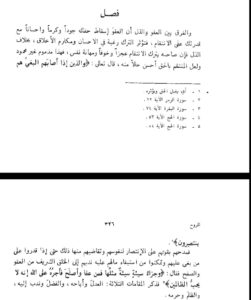
 الفرق بين العفو والذلِّ: أن العفوَ إسقاط حقِّك جُودًا وكرمًا وإحسانًا، مع قدرتك على الانتقام، فتؤثر الترك رغبةً في الإحسان ومكارم الأخلاق، بخلاف الذل، فإن صاحبه يترك الانتقام عجزًا وخوفًا ومهانة نفس، فهذا مذموم غير محمود، ولعل المنتقمَ بالحق أحسنُ حالًا منه

The difference between pardon and humiliation is that pardoning (others) is forgoing your right out of generosity, kindness, and benevolence, despite having the ability to seek revenge. So, you give precedence to abandoning (retaliation) out of a desire for doing good and noble character, as opposed to humiliation because the humiliated one abandons revenge due to inability,  fear, and a sense of personal degradation. This is considered blameworthy and not praiseworthy. It may be that the one who seeks revenge justly is in a better situation than him.

A paraphrased excerpt from “Ar-Ruh” page 325″. Publisher: Dar Kutub Ilmiyyah 1st Edition 1982.


Hizbiyyah

In The Name of Allah, The Most Merciful, The Bestower of Mercy.

Al-Allamah Rabee Bin Hadi Al-Mad’khali, may Allah have mercy upon him, said:

Everyone who opposes the Methodology of the Prophet and His Sunnah (a) is considered part of the misguided groups. Unlawful Partisanship does not require (specific) conditions; Allah referred to past nations as unlawful partisanship groups, and He referred to the Quraysh as an unlawful partisanship group when they united and allied with various groups. They did not have an organisation or anything, thus it is not a condition to be an organisation in order to be (classified) an unlawful partisanship group. However, if this group organises itself, it increases in evil.

Blind (bigoted) allegiance to a specific thought (or idea) that contradicts Allah’s Book and the Messenger’s Sunnah, and (establishing) allegiance and enmity based on it, this is unlawful partisanship, even if not organised.

To adopt a deviant thought (or idea) and gather people around it, this is an unlawful partisanship group, regardless of whether it is organised or not. To adopt a deviant thought (or idea) and gathering people around it, this is an unlawful partisanship group, regardless of whether it is organised or not. As long as they unite for a cause (or behind someone) in opposition to the Quran and Sunnah, this is an unlawful partisanship group. The disbelievers who waged war against the Prophet did not have the organisational structure present today; nevertheless, Allah referred to them as unlawful partisanship groups. How is this so? It is because they banded together for falsehood and fought against the truth. (Allah says):

كذبت قبلهم قوم نوح والأحزاب من بعدهم وهمت كل أمة برسولهم ليأخذوه وجادلوا بالباطل ليدحضوا به الحق

The people of Nuh (Noah) and the confederates after them denied (their Messengers) before these, and every (disbelieving) nation plotted against their Messenger to seize him, and disputed by means of falsehood to refute therewith the truth. [Ghafir Ayah 5]

They are referred to as unlawful partisanship groups due to forming groups. Quraysh gathered the tribes of Ghatafan, Qurayza, and various other tribes, but they were not organised in the form of an organisation. They came together and Allah referred to them as unlawful partisanship groups, thus the Surah (regarding their affair) was named “Surah Al-Ahzab.” Were those unlawful partisanship groups organised (i.e. under an organisation)? It is not a condition that an unlawful partisanship group has to be organised (or under an organisation). If it believes in a false idea – argues, disputes, and allies for the sake of it, this is an unlawful partisanship group. Should this (commitment) become more structured (organised or under an organisation), with the mobilisation of wealth etc, it would undoubtedly deepen its unlawful partisanship and become one of the astray groups. And Allah’s refuge is sought. (1)

Listen to Hizbiyyah Is Not From Salafiyyah By Shaikh Abu Khadeejah – may Allah preserve him.

Part 3: To Abandon Innovations, Hizbiyyah (Partisanship), Differing, Sectarianism, and Establishing the Call to Unity: Imām Ahmad bin Hanbal’s Usūl As-Sunnah (The Foundations of the Sunnah) with the explanation of Shaikh An-Najmi.

——————————————

(a) Shaikh Rabee: Establishment of Proof in Declaring a Person to be an Innovator https://abukhadeejah.com/shaikh-rabee-establishment-of-proof-in-declaring-a-person-to-be-an-innovator/


(1) Paraphrased https://rabee.net/alfatawi/%D9%85%D8%A7-%D9%85%D8%B9%D9%86%D9%89-%D8%A7%D9%84%D8%AD%D8%B2%D8%A8%D9%8A%D8%A9%D8%9F-%D9%88%D9%85%D8%A7-%D9%85%D8%B9%D9%86%D9%89-%D8%A3%D9%86-%D9%81%D9%84%D8%A7%D9%86-%D8%B9%D9%86%D8%AF%D9%87-%D8%AD/

A Balanced Approach to Marriage Between Relatives and Hereditary Diseases

In The Name of Allah, The Most Merciful, The Bestower of Mercy.

Imam Abdul Aziz Bin Baz, may Allah have mercy upon him, was asked:

يا سماحة الشيخ

We have heard that indeed there is danger in marrying relatives as I want to marry off one of my children. Is there any hadith regarding this? May Allah reward you.

Answer: There is no danger therein. What is said (regarding this) is an error. There is no danger in marrying relatives, rather, it is good. The Prophet, peace and blessings of Allah be upon him, married from his relatives. Umm Salamah was from his relatives, Aisha was from his relatives, and Umm Habiba was from his relatives. All of them are from Quraysh, all from his tribe. There is no harm in that. Ali married Fatimah, the daughter of the Prophet, peace and blessings of Allah be upon him, who was the daughter of his cousin (i.e. The Prophet, peace and blessings be upon him). Uthman married the Prophet’s daughters, Ruqayyah and Umm Kulthum (i.e. after of them died he married the other). Abu Al Aas Ibn Ar-Rabee married the Prophet’s fourth daughter, Zainab, and all of them were cousins. There is no harm in this. [1]

The Imam, may Allah have mercy upon him, was also asked: Some people would not marry the daughter of their uncle out of fear that the children might be born with deformities. Does this negate the perfection (completeness) of (one’s) belief in pure Islamic monotheism?

Answer: Many among the people of knowledge have clarified these matters , and that indeed a person should choose a suitable spouse for their offspring to the extent that some of the Fuqaha said: “The best is that one marries a non-relative, rather than the daughter of his uncle”. This is a mistake and it has no basis, whether it is the daughter of his paternal uncle or not the daughter of his paternal uncle, the daughter of his maternal uncle or not the daughter of his maternal uncle. The Prophet, peace and blessings be upon him, married the daughter of his uncle.

But, one should examine (give thought or consideration) that if the woman comes from a family that is afflicted with hereditary defects, mental illness, or physical deformities, he should not marry (someone among) them from the angle of employing the means of precaution, because this could bring you hereditary (issues). Diseases can be passed down – by the will of Allah- to the child, the grandchild and the daughter’s child. If this (such and such) family is well-known to have hereditary diseases that affect the children, he should avoid (marrying into such family). And if nothing is known about the family (i.e. regarding hereditary diseases), he marries (someone) among them. These matters that are known – (through experience, observation etc) regarding what is passed down do occur. Due to this, scholars and physicians advise that one examines (pays attention) to these matters. [2]


[1]Paraphrased:https://binbaz.org.sa/fatwas/8826/%D8%AD%D9%83%D9%85-%D8%A7%D9%84%D8%B2%D9%88%D8%A7%D8%AC-%D9%85%D9%86-%D8%A7%D9%84%D8%A7%D9%82%D8%A7%D8%B1%D8%A8

[2]Paraphrased:https://binbaz.org.sa/fatwas/2565/%D8%AD%D9%83%D9%85-%D8%AA%D8%B1%D9%83-%D8%A7%D9%84%D8%B2%D9%88%D8%A7%D8%AC-%D9%85%D9%86-%D8%A7%D9%84%D8%A7%D9%82%D8%A7%D8%B1%D8%A8-%D8%AE%D8%B4%D9%8A%D8%A9-%D8%A7%D9%84%D8%A7%D9%85%D8%B1%D8%A7%D8%B6